
Fish Oil for Heart Health: Dosage and Side Effects
 Written by Ben Glinsky
Ask AI about this article and Factor4 - Advanced Inflammation Management





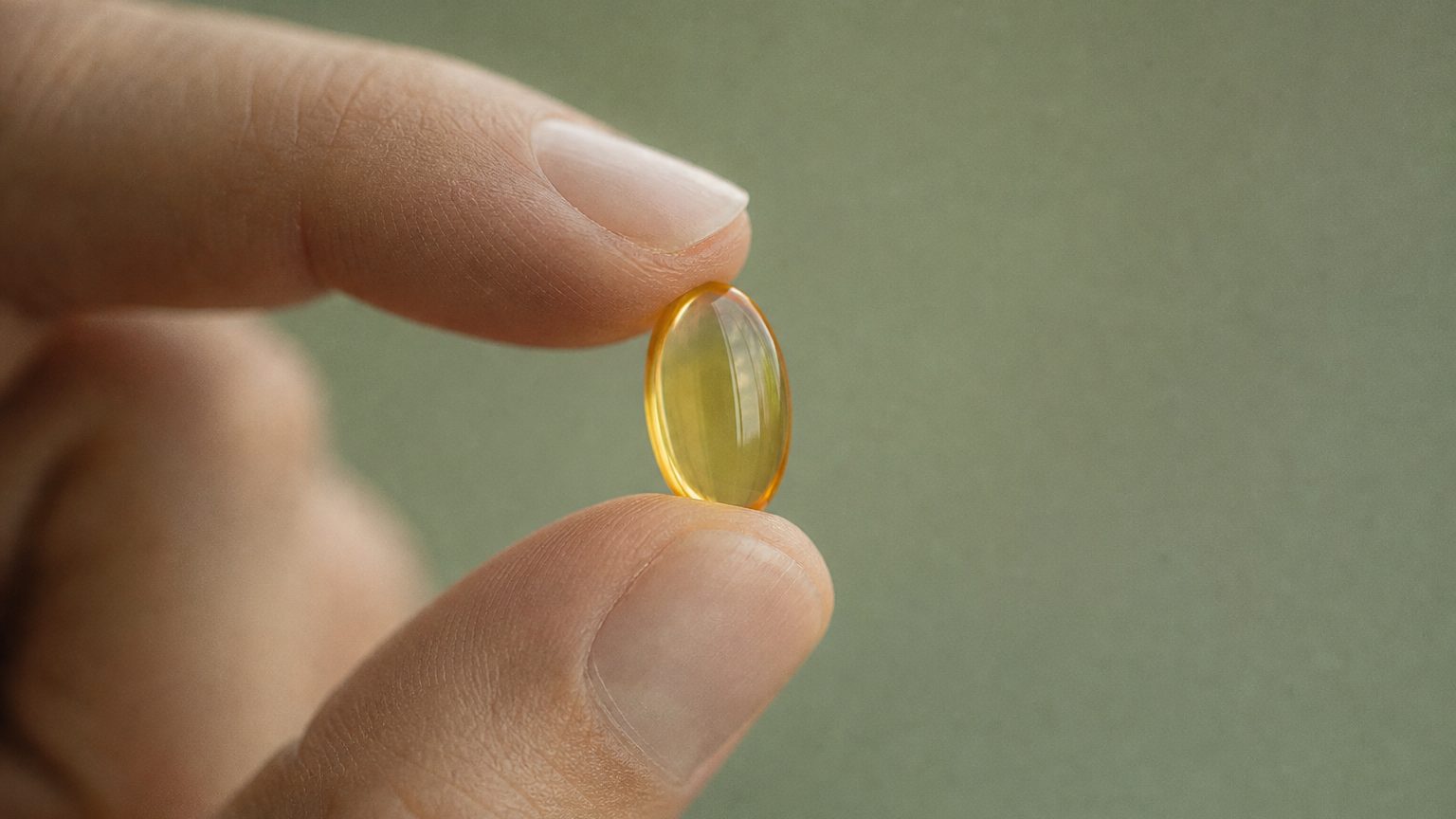
Fish oil provides the omega-3 fats EPA and DHA, but supplements have not consistently improved cardiovascular outcomes in generally healthy adults. If you choose one, compare the EPA and DHA per serving, not the capsule's total fish oil weight. Here is how to read the label, put common intake numbers in context, and use fish oil more safely.
Key Takeaways
- Check EPA plus DHA: A 1,000 mg fish oil softgel often supplies only about 300 mg of combined EPA and DHA.
- Keep expectations realistic: Cardiovascular prevention trials have produced inconsistent results, especially for standard over-the-counter supplements.
- Treat dosage as personal: There is no single supplemental dose for everyone, so follow the label and ask your doctor about your needs.
- Watch for interactions: Fish oil may increase bleeding concerns when combined with anticoagulant or antiplatelet medications.
- Start with food: Fatty fish provides EPA, DHA, protein, and other nutrients that a capsule cannot fully reproduce.
EPA and DHA Are the Numbers That Matter
Fish oil labels can be confusing because the largest number is rarely the most useful one. A bottle may advertise 1,000 mg of fish oil per softgel, but that does not mean it contains 1,000 mg of omega-3s. Many standard 1,000 mg softgels provide approximately 180 mg of EPA and 120 mg of DHA, or about 300 mg combined.
EPA stands for eicosapentaenoic acid, and DHA stands for docosahexaenoic acid. Both are long-chain omega-3 fatty acids found mainly in seafood. They help form cell membranes and support normal signaling throughout the body. Your label may also list other omega-3 fats, but EPA and DHA are the main numbers used when comparing fish oil products.

The EPA and DHA amounts on the Supplement Facts panel are more useful than the total fish oil weight.
Read the Supplement Facts panel in this order:
- Find the serving size. One serving may be one, two, or more softgels.
- Locate the EPA amount per serving.
- Locate the DHA amount per serving.
- Add EPA and DHA together.
- Compare that total with the number of capsules and the label directions.
For example, two softgels containing 180 mg EPA and 120 mg DHA each provide 600 mg combined, not 2,000 mg of active omega-3s. Concentrated products may fit more EPA and DHA into fewer capsules. This does not automatically make them better, but it can make the serving easier to understand and take consistently.
Also check whether amounts are listed per capsule or per full serving. That one detail can double or halve what you think you are getting.
What the Heart Research Actually Found
The heart research is more nuanced than many fish oil headlines suggest. Studies that observe people's long-term eating habits often find that regular fish and seafood intake is associated with better cardiovascular outcomes. However, an association does not prove that fish oil alone caused the difference. Fish eaters may also have different overall diets, activity levels, or access to health care.
Randomized controlled trials provide a stricter test. In these studies, people are assigned to receive an omega-3 product or a placebo, which is an inactive comparison. Large trials of common supplemental doses in broadly healthy adults have generally found little or no change in their main combined cardiovascular outcomes. Other trials using specific prescription formulas and higher doses in selected patients have reported favorable results. Those findings cannot automatically be applied to ordinary store-bought fish oil.

Fish oil research varies by dose, formula, participant health, and the cardiovascular outcomes being measured.
Formulation matters too. Some trials used EPA alone, while others used EPA and DHA together. Participants also differed in age, existing health conditions, medication use, baseline fish intake, and blood triglyceride levels. Those differences help explain why one study cannot settle the question for everyone.
High-dose omega-3 trials have also raised concern about atrial fibrillation, an irregular heart rhythm, in some groups. This does not mean a standard fish oil capsule causes heart problems, but it is another reason not to self-prescribe a high dose. Fish oil is not a substitute for prescribed medication, exercise, sleep, a balanced diet, or medical care. The honest conclusion is that evidence for general cardiovascular prevention remains inconsistent.
How Much People Typically Take
There is no universal fish oil supplement dose for heart health. Needs differ based on diet, health history, medications, and the reason someone is considering omega-3s. The safest starting point is the product's labeled serving, followed by a conversation with your doctor if you have an existing condition or want to use more than directed.
These common numbers provide context, not personal dosing instructions:
| Intake context | Typical amount discussed | What it means |
|---|---|---|
| Standard softgel | About 300 mg EPA plus DHA | Often found in a 1,000 mg fish oil capsule |
| Concentrated supplement | About 500 to 1,000 mg EPA plus DHA | May require one or several capsules, depending on the formula |
| Food-first pattern | Two fish servings weekly | Common guidance emphasizing fatty fish such as salmon or sardines |
| High-dose clinical use | Several grams daily | Used in some research or prescription care under medical supervision |
A 1,000 mg fish oil serving and a 1,000 mg EPA-plus-DHA serving are not equivalent. To reach 1,000 mg of combined EPA and DHA with a basic 300 mg softgel, someone would need more than three capsules. Do not increase your serving simply to match a study, since research doses may involve prescription products, medical screening, and ongoing monitoring.
Timing is more flexible. Take fish oil with a meal, especially one containing some fat, to support absorption and reduce fishy burps. Morning versus evening matters less than tolerability and consistency. If the label calls for multiple capsules, splitting them between meals may feel easier on your stomach.
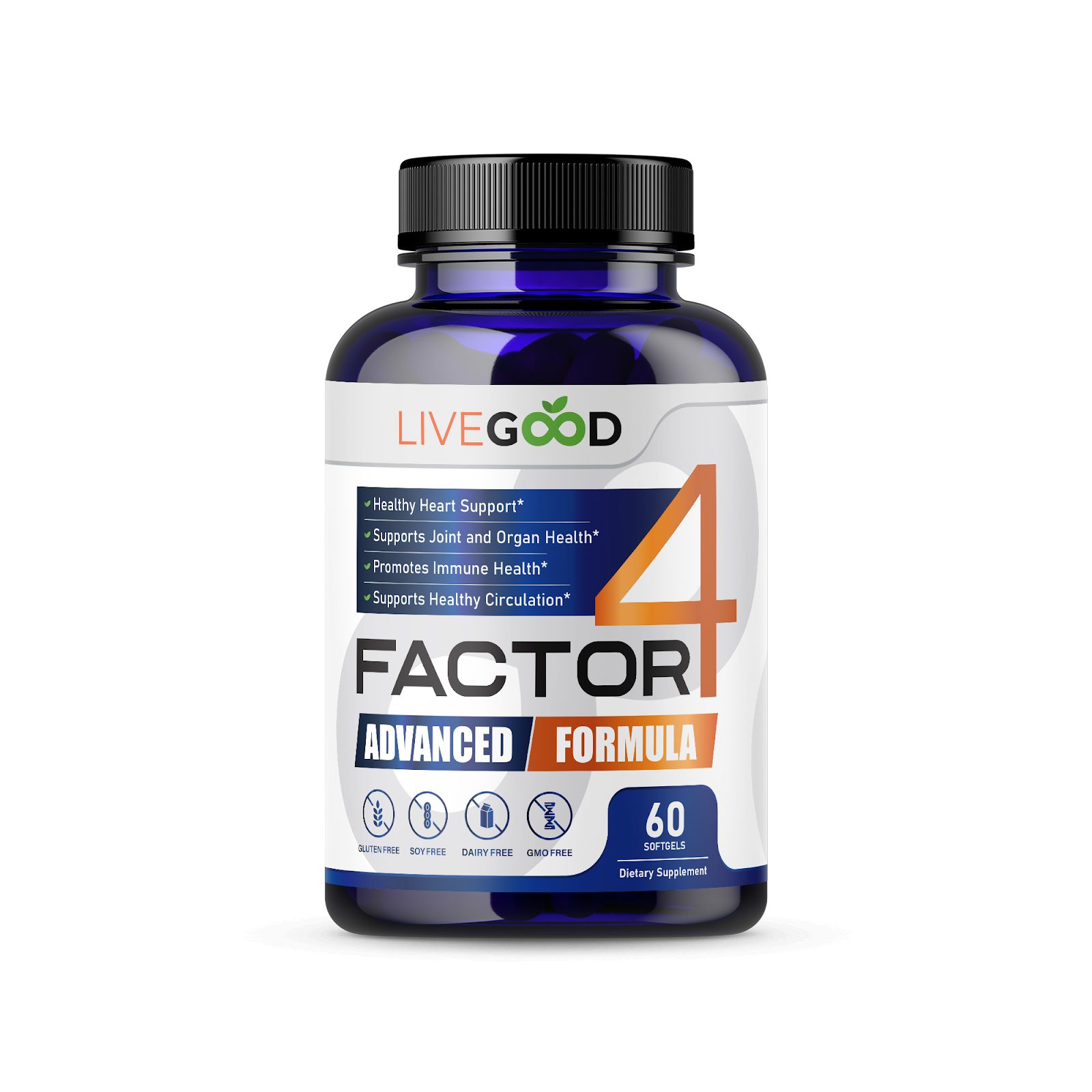
Factor4 - Advanced Inflammation Management combines fish oil, turmeric, Coenzyme Q10, and garlic in one daily formula designed to support a healthy inflammatory response and overall wellness. It is LiveGood's number two seller, formulated by one of the world's top immunologists, and described as the first and only inflammation management supplement combining these four ingredients in one bottle. Members pay $19.95 versus $29.95 retail, supporting LiveGood's mission to "Provide the highest quality supplements in the world, at the lowest prices possible."
Side Effects and Who Should Be Careful
Fish oil is usually well tolerated when used according to the label, but side effects can happen. The most common are fishy burps, an unpleasant aftertaste, bad breath, heartburn, nausea, loose stools, and general stomach discomfort. Taking the serving with a meal or dividing it across meals may help. If symptoms continue, stop taking it and ask a health professional for guidance.

Taking fish oil with food may reduce digestive side effects, but medication interactions still require medical guidance.
Bleeding is the key interaction concern. Fish oil can affect how platelets behave. Platelets are small blood components that help form clots after an injury. If you take an anticoagulant, sometimes called a blood thinner, or an antiplatelet medicine, talk to your doctor before using fish oil. Examples include warfarin, apixaban, rivaroxaban, clopidogrel, and regular aspirin therapy. Do not stop a prescription medication or supplement without medical advice.
Your cardiologist may recommend stopping fish oil because you do not have a clear reason to take it, because it overlaps with other care, or because of bleeding or heart-rhythm concerns. Follow that individualized recommendation rather than assuming that an over-the-counter supplement is always harmless.
Talk to your doctor before taking fish oil if you are pregnant or breastfeeding, have a seafood allergy, live with a heart rhythm condition, or have kidney disease, liver disease, a bleeding disorder, or another existing medical condition. You should also ask before surgery or a dental procedure. Seek prompt care for unusual bruising, bleeding that does not stop, black stools, vomiting blood, fainting, chest discomfort, or new palpitations. Mayo Clinic's fish oil overview provides additional safety and interaction information.
Choosing and Storing Fish Oil
Start by choosing a product that clearly discloses EPA and DHA per serving. Avoid relying on front-label phrases such as "high potency" without checking the Supplement Facts panel. A useful label also makes the serving size, fish source, other ingredients, and storage directions easy to find.
Compare products using combined EPA and DHA per capsule, not bottle price alone. A concentrated option may cost more per bottle but require fewer capsules. Calculate how many daily servings the bottle contains and how much EPA plus DHA each serving provides. This gives you a fairer comparison.
Store fish oil away from heat, moisture, and direct light, and follow the bottle's specific storage directions.
Freshness matters because fish oil can oxidize, meaning its fats react with oxygen and begin to break down. A strongly rancid, paint-like, or unusually sour smell is a reason not to use it. A mild fish odor can be normal. Keep the cap tightly closed and store the bottle away from heat, moisture, and direct sunlight. Follow the label if refrigeration is recommended. Do not freeze or refrigerate a product unless its directions allow it.
Check the expiration date and avoid buying more than you can use within a reasonable period. Enteric-coated capsules may reduce fishy aftertaste for some people, though they do not change the EPA and DHA amount. Liquid fish oil can make serving adjustments easier, but it is also exposed to air each time the bottle opens and must be measured carefully.
Finally, remember that consistency matters more than chasing the biggest number. Choose a serving you can take as directed, with a meal, without unpleasant effects. Supplements can support a routine, but they cannot replace fatty fish, fiber-rich foods, movement, sleep, or care from your medical team.
Frequently Asked Questions
How much fish oil should you take for heart health?
There is no single fish oil dose that is appropriate for every adult. Follow the product label and compare the combined EPA and DHA, since a 1,000 mg fish oil capsule may contain only about 300 mg of those omega-3s. If you have a heart condition, take medication, or are considering a high dose, talk to your doctor first.
Does fish oil actually help your heart?
Fish oil supplements have not shown a consistent cardiovascular benefit for generally healthy adults. Some clinical trials involving specific prescription omega-3 formulas and selected patients reported favorable outcomes, while many trials of standard supplements did not. Eating fish is more consistently associated with heart health, but a supplement should not be viewed as preventing or treating heart disease.
What are the side effects of fish oil?
Common fish oil side effects include fishy burps, bad breath, heartburn, nausea, loose stools, and stomach discomfort. Higher intakes may create additional bleeding or heart-rhythm concerns for some people. Talk to your doctor before use if you take anticoagulant or antiplatelet medication, have a medical condition, or are preparing for a procedure.
Is it better to eat fish or take fish oil?
Eating fish is generally the better starting point because it provides EPA, DHA, protein, vitamins, minerals, and a complete food in one meal. Fatty fish such as salmon, trout, sardines, and herring are useful choices. A supplement may be convenient if you rarely eat seafood, but it does not reproduce all the nutritional benefits of fish.
When is the best time to take fish oil?
The best time to take fish oil is with a meal you can remember consistently. Food, especially a meal containing some fat, can support absorption and may reduce fishy burps or stomach discomfort. Morning and evening are both reasonable. If the label directs multiple capsules, dividing them between meals may improve comfort, but do not exceed its directions.