
Do Focus Patches Work? Benefits and Side Effects
 Written by Ben Glinsky
Ask AI about this article and Energy and Focus Patches





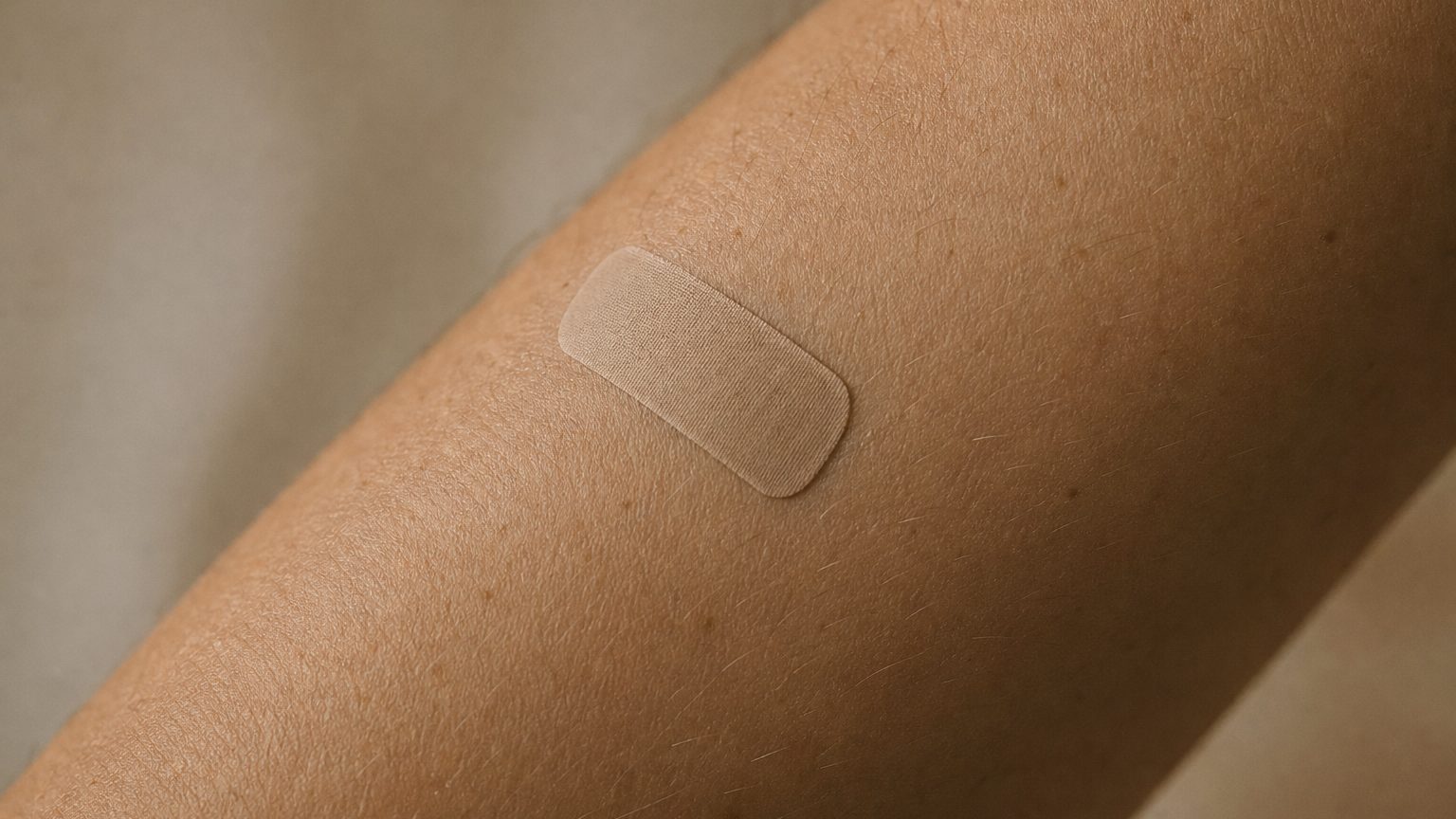
Focus patches may help some people feel more alert or focused, but there is little direct research on most finished patch products. Their effects depend on the ingredients, the patch formulation, and how well those ingredients cross your skin. Here is how the delivery method works, what you might notice, and which side effects deserve attention.
Key Takeaways
- Evidence is limited: Most research examines individual ingredients taken by mouth, not complete focus patch formulas.
- Skin absorption is selective: Bypassing digestion does not guarantee that every vitamin or botanical compound reaches your bloodstream effectively.
- Results differ widely: Ingredients, patch design, placement, skin condition, sleep, and caffeine tolerance can all affect your experience.
- Skin reactions are most common: Redness, itching, adhesive sensitivity, and irritation are reported more often than whole-body effects.
- Use the label as your guide: Apply the patch to clean, dry skin, follow the stated wear time, and rotate locations.
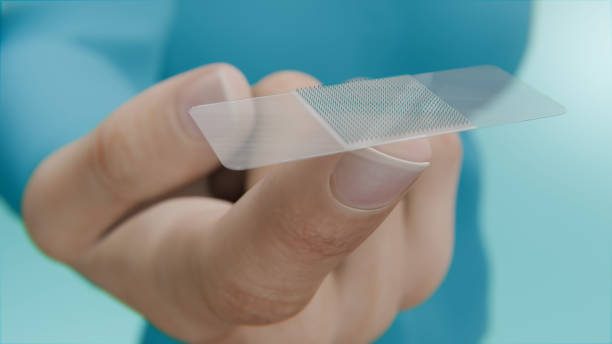
Focus patches offer a convenient delivery format, but convenience does not guarantee effective absorption.
How a Focus Patch Is Meant to Work
A focus patch is meant to release active ingredients onto your skin over several hours. If those ingredients can cross the skin barrier, they enter the small blood vessels below the surface and reach circulation without first passing through the digestive system. This delivery method is called transdermal delivery, which simply means delivery through the skin.
Bypassing digestion is the main practical claim behind these products. An oral supplement must move through the stomach and intestines before its ingredients are absorbed. Some compounds may also be changed by the liver before reaching general circulation. A patch avoids those steps and may provide a gradual release rather than delivering the full serving at once.
That does not mean patches always absorb better than capsules or powders. Your outer skin layer, called the stratum corneum, is built to keep substances out. Small compounds with the right balance of water and fat solubility tend to pass through more easily. Larger molecules, charged minerals, and many botanical compounds may have difficulty crossing intact skin without a carefully designed delivery system.
Patch makers may use carriers or penetration enhancers, which are ingredients that help other compounds move through the skin. Even then, absorption can vary with the formula, adhesive, patch size, wear time, body location, heat, moisture, and your individual skin. Unless a finished patch has been tested for blood levels or clinical outcomes, its exact delivery remains uncertain.
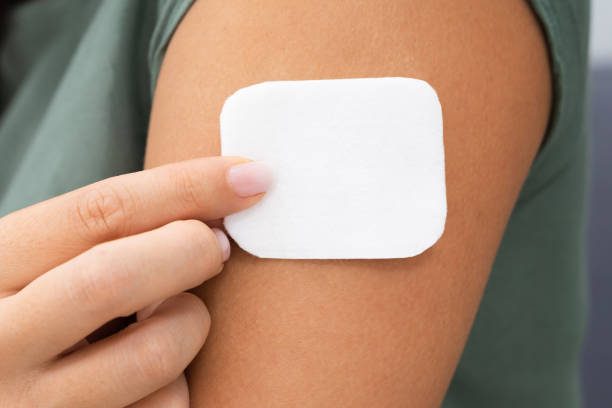
A transdermal patch must move its ingredients across the skin barrier before they can reach circulation.
What Goes Into Most Focus Patches
Focus patch formulas vary, so the label matters more than the words on the front of the package. Many combine vitamins, minerals, botanical extracts, and stimulant ingredients. Each ingredient should be evaluated separately because research on an oral ingredient does not automatically show that the same amount works through a patch.
B vitamins, including B6 and B12, are common. These vitamins help the body turn food into usable energy and support normal nervous system function. Correcting a deficiency can make a meaningful difference in how someone feels, but taking extra B vitamins does not reliably create sharper focus when intake is already adequate. Patch absorption of individual B vitamins may also differ.
Caffeine, green tea, or guarana may be included for alertness. Caffeine has clearer evidence for temporarily increasing wakefulness than most focus-oriented herbs, but the delivered amount may be hard to judge if a patch does not disclose it. Caffeine-sensitive people can experience unwanted effects even at modest amounts.
You may also see ginseng, lion's mane mushroom, bacopa, L-theanine, magnesium, or other plant extracts. Research on some of these ingredients suggests possible support for aspects of cognition, stress response, or mental performance. However, results are mixed, studies often use oral products, and effective absorption from a patch has not been established for many extracts.
No focus patch should be assumed to contain dopamine or work like prescription medication. A supplement patch is also not proven to manage a medical condition. Check the full ingredient list and disclosed amounts rather than relying on terms such as "brain boost" or "dopamine support."

Check the complete ingredient list because focus patch formulas can differ substantially.
What to Realistically Expect
If a focus patch works for you, the change may feel like steadier alertness, less afternoon sluggishness, or an easier time staying engaged with a task. A caffeine-containing patch is more likely to produce a noticeable short-term feeling than one made only with vitamins or non-stimulant botanicals. Even then, effects are not guaranteed.
Some products say effects begin in 20 to 60 minutes. That timeline is plausible for certain well-formulated ingredients, but it is not universal. The compound must first leave the patch, move into the outer skin, pass through deeper layers, and enter circulation. Different compounds can move at very different rates. You may notice nothing even while wearing the patch.
Be cautious with reviews that treat a personal feeling as proof of absorption. Expectations can affect how focused or energetic you feel. So can your sleep, hydration, breakfast, workload, stress level, and usual caffeine intake. A useful test is to keep those factors reasonably consistent and record how you feel on several comparable days.
A patch also cannot replace sleep, regular meals, movement, or a workable approach to distractions. It may support an established routine, but it is not a quick fix for persistent attention problems or severe fatigue. If difficulty focusing is new, worsening, or interfering with daily life, talk with a healthcare professional rather than trying to cover it with increasingly strong supplements.
The honest conclusion is that focus patches may work for some users, especially when they contain an ingredient with an immediate effect. Direct evidence for most complete formulas remains limited, and skin delivery should not be assumed simply because an ingredient appears on the label.

Sleep, hydration, caffeine intake, and daily workload can influence how focused you feel.
Side Effects People Report
The most commonly reported focus patch side effects happen where the adhesive touches the skin. You might notice redness, itching, burning, dryness, swelling, or a patch-shaped rash. This can come from the adhesive, an active ingredient, or another part of the formula. Sweat, friction, body hair, and wearing a patch longer than directed may increase irritation.
Remove the patch if the area becomes uncomfortable. Gently wash away any residue and avoid applying another patch to irritated or broken skin. Seek medical care for severe swelling, blistering, spreading hives, trouble breathing, or other signs of a serious allergic reaction.
Whole-body side effects depend on what the patch contains and how much enters circulation. A formula containing caffeine or another stimulant may cause restlessness, shakiness, headache, nausea, a racing heartbeat, or trouble sleeping. These effects may be more likely if you also drink coffee, tea, energy drinks, or use a pre-workout supplement. Because patch delivery can continue over time, removing the patch may not make a feeling disappear immediately.
Botanical extracts and vitamins can also create problems for certain people or interact with medicines. More is not automatically better, especially if you use several products containing the same ingredients. Review all supplement labels together to avoid accidental overlap.
Talk to your doctor before using a focus patch if you take prescription medication, are pregnant or breastfeeding, have kidney or liver concerns, or have an existing medical condition. Children and teens should not use an adult focus product unless a qualified healthcare professional recommends it.

Skin redness and itching from the adhesive are the most commonly reported focus patch concerns.
How to Use One Sensibly
Start by reading the entire label. Check the active ingredients, amounts, allergen information, suggested placement, maximum wear time, and warnings. Do not cut a patch unless the manufacturer specifically says you can. Cutting may change how the ingredients are released or expose the inner material.
Apply the patch to clean, completely dry, intact skin. Choose a relatively flat area with little hair and minimal rubbing from clothing. The upper arm, shoulder, upper back, or torso may work, depending on the product directions. Avoid wounds, rashes, recently shaved areas, and places covered with lotion or oil. Those products can weaken the adhesive or change contact with the skin.
Press the patch firmly for the time stated on the package. Wash your hands afterward, especially before touching your eyes. Note when you applied it and remove it by the listed limit. If the formula contains caffeine, consider using it earlier in the day so the extended release does not interfere with sleep.
Rotate application sites rather than using the same spot every day. This gives your skin time to recover and makes irritation easier to identify. If you have sensitive skin, ask a healthcare professional whether the product is appropriate. A small adhesive reaction can still occur even if you have tolerated other bandages.
Track your response for several uses. Record the patch location, wear time, other caffeine, sleep, perceived alertness, and any skin reaction. Stop if side effects outweigh any benefit. Do not stack multiple patches or extend the wear time beyond label directions in an attempt to get a stronger result. Consistency and careful observation are more useful than chasing an immediate sensation.

Applying a patch to clean, dry skin helps it maintain consistent contact for the recommended wear time.
For a ready-to-use option, LiveGood Energy and Focus Patches are transdermal patches formulated to deliver highly absorbable vitamins, minerals, and botanical extracts through the skin into the bloodstream for sustained energy and focus support. Effects may begin in about 30 minutes, and each patch can be worn for up to 8 hours. They cost $14.95 for members versus $29.95 retail, supporting LiveGood's mission to "Provide the highest quality supplements in the world, at the lowest prices possible."
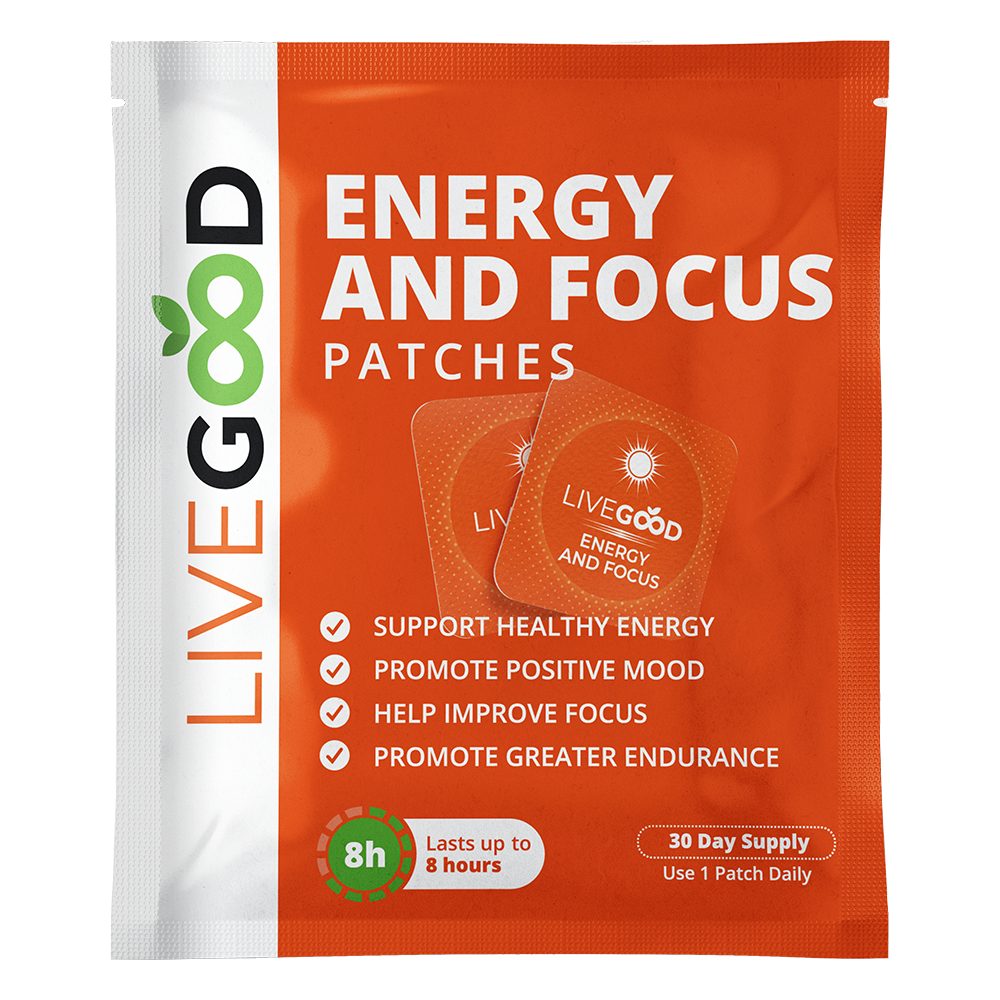
Use one patch as directed and track both perceived benefits and skin comfort.
Frequently Asked Questions
Do focus patches actually work?
Focus patches may work for some people, but there is not strong direct evidence for most finished products. Ingredients such as caffeine can support short-term alertness, while evidence for many vitamins and botanicals is less certain unless you have a deficiency. Results also depend on whether each compound can cross the skin in a meaningful amount.
What are the side effects of focus patches?
The main side effects are redness, itching, burning, or an adhesive-shaped rash at the application site. Patches containing caffeine may also cause shakiness, headache, restlessness, a fast heartbeat, or sleep problems. Remove the patch if irritation develops, and seek care for a severe or spreading reaction.
How long do focus patches take to work?
Some focus patches may begin producing noticeable effects within about 30 to 60 minutes, but timing varies by ingredient and formulation. Skin thickness, application location, contact with the skin, and individual sensitivity can all change the experience. Follow the product's stated wear time rather than adding another patch if you feel nothing quickly.
Where should you put a focus patch?
Put a focus patch on clean, dry, unbroken skin in the location recommended by its label. Common choices include the upper arm, shoulder, upper back, or torso. Avoid irritated, recently shaved, oily, or very hairy areas, and rotate locations with each use to reduce repeated adhesive exposure.
Can you wear a focus patch every day?
You may be able to wear a focus patch daily if its label allows it and you tolerate the ingredients and adhesive. Rotate application sites, stay within the maximum wear time, and consider your total caffeine and supplement intake. Ask your doctor first if you use prescription medicine, are pregnant or breastfeeding, or have an existing medical condition.