
Full-Spectrum vs Broad-Spectrum CBD: What Is Different
 Written by Ben Glinsky
Ask AI about this article and CBD Oil (Full-Spectrum)





Full-spectrum CBD retains trace THC and a wider range of hemp compounds. Broad-spectrum CBD keeps multiple cannabinoids and terpenes but is processed to remove THC, while CBD isolate is CBD alone. Here is what those differences mean for labels, drug testing, safety, and your decision.
Key Takeaways
- THC is the main difference: Full-spectrum CBD contains trace THC, while broad-spectrum CBD is processed to remove it.
- Isolate is the simplest form: CBD isolate contains purified CBD without intentionally retained THC, minor cannabinoids, or terpenes.
- Drug tests detect THC exposure: Full-spectrum use can lead to a positive result, and broad-spectrum products do not guarantee zero risk.
- The entourage effect remains uncertain: Researchers have not established that full-spectrum CBD consistently works better than other forms.
- Batch testing matters: A current certificate of analysis can help you verify potency, THC content, and contaminant screening.
The Three Categories Explained
CBD stands for cannabidiol. It is one of many cannabinoids, which are naturally occurring compounds found in cannabis plants, including hemp. The plant also contains aromatic compounds called terpenes and other cannabinoids such as CBG, CBC, and THC.
Full-spectrum CBD is intended to preserve a wider range of these compounds. It typically contains CBD, minor cannabinoids, terpenes, and trace THC. THC, short for tetrahydrocannabinol, is the cannabinoid most closely associated with marijuana intoxication. A compliant hemp product may contain a small amount without producing an obvious intoxicating effect, but individual responses and actual THC amounts vary.
Broad-spectrum CBD starts with a wider hemp extract and undergoes additional processing to remove THC. It may still contain CBD, minor cannabinoids, and terpenes. However, "THC removed" should not automatically be read as "laboratory-confirmed zero THC." Manufacturing limits, cross-contamination, and testing sensitivity can affect the final result.
CBD isolate is highly purified CBD. It does not intentionally retain THC, other cannabinoids, or terpenes. An isolate oil may still include a carrier oil or flavor, so the entire product is not necessarily made from one ingredient.
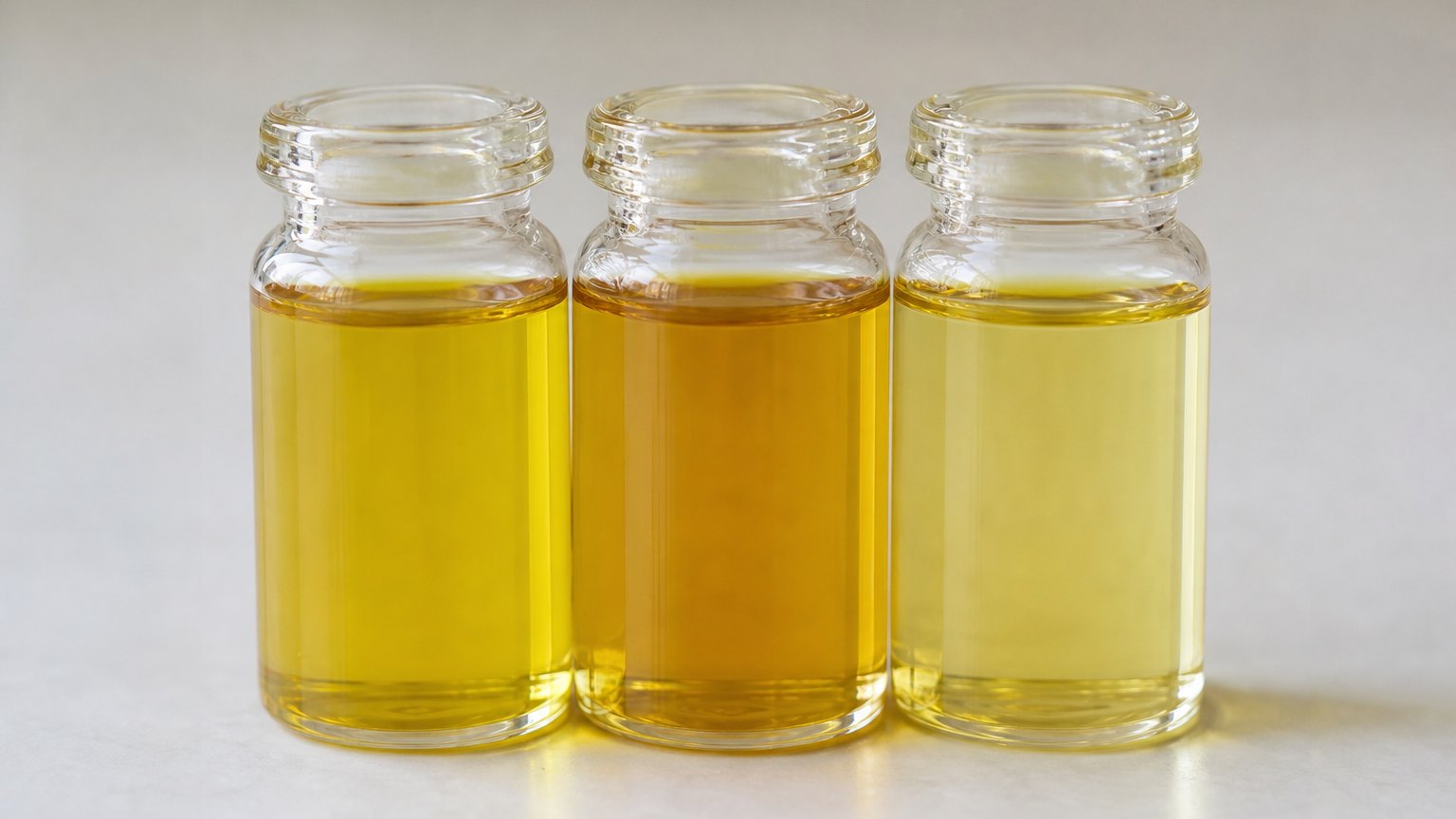
Full-spectrum, broad-spectrum, and isolate describe which hemp compounds are intentionally retained in an extract.
Spectrum describes the cannabinoid profile, not overall quality. It does not tell you how much CBD is in a serving, whether the label is accurate, or whether the product was screened for contaminants. Those details require the label and a current laboratory report.
What Trace THC Means in Practice
Trace THC means that a small amount of THC is present and may be measurable. Full-spectrum hemp extracts retain this THC along with CBD and other plant compounds. In the United States, hemp is generally defined at the federal level as cannabis containing no more than 0.3% delta-9 THC by dry weight. State laws and rules for finished products can differ.
That percentage sounds tiny, but it does not answer every practical question. The THC amount you consume depends on the product concentration, serving size, testing accuracy, and how often you use it. A bottle can comply with a percentage limit while still providing repeated, real THC exposure across multiple servings.
Trace THC may not cause noticeable intoxication for many adults when a product is used as directed. It still matters if you are sensitive to THC, need to drive or operate equipment, are pregnant or breastfeeding, or live where hemp rules are more restrictive. It also matters if your job, sport, medical program, or legal situation includes THC testing.
Even a small amount of THC can matter when you are sensitive to it or need to avoid exposure.
CBD itself can cause side effects and interact with medications. It affects CYP450 enzymes, a group of liver enzymes that process many prescription drugs. Talk to your doctor before using CBD if you take medication, have a liver or kidney condition, have another existing medical condition, or are pregnant or breastfeeding. Follow the product label rather than increasing the serving based on online anecdotes.
The FDA-approved prescription drug Epidiolex contains purified CBD for specific seizure disorders. That approval does not mean over-the-counter CBD supplements are approved to treat medical conditions.
Drug Testing: The Practical Difference
Standard workplace drug tests generally look for THC metabolites, which are substances your body produces after processing THC. They do not usually test for CBD itself. Because full-spectrum CBD contains THC, using it can lead to a positive test even when the product is hemp-derived and used according to its label.
Risk depends on more than one serving. THC exposure may build with repeated use, especially when the product contains more THC than expected. Your metabolism, frequency of use, serving size, test type, and the time between use and testing can all influence the result. No manufacturer can reliably promise that a full-spectrum product will never affect a drug test.
Broad-spectrum CBD presents a lower expected THC exposure because THC is intentionally removed. The risk is not zero. A product may contain residual THC below the laboratory's reporting limit, become contaminated during production, or differ from its label. Independent testing has repeatedly found content mismatches across the wider CBD marketplace.
CBD isolate generally offers the lowest expected THC exposure among the three categories. Even isolate cannot create an absolute guarantee if the finished product is mislabeled or contaminated.
Drug tests generally look for THC metabolites rather than CBD, making full-spectrum products the higher-risk choice.
If a positive test could affect your employment, athletic eligibility, benefits, custody arrangement, or legal standing, avoiding CBD products is the most cautious choice. Do not rely only on a "THC-free" claim on the front label. Review the batch-specific certificate of analysis, ask what the test detects, and confirm the policy that applies to you.
The Entourage Effect Is a Hypothesis
The entourage effect is the idea that cannabinoids, terpenes, and other cannabis compounds may influence one another when consumed together. This hypothesis is often used to explain why someone might choose full-spectrum CBD instead of broad-spectrum CBD or isolate.
There are scientific reasons to study the idea. Cannabis contains many active compounds, and laboratory research suggests some can interact with biological pathways. However, a plausible mechanism is not the same as proof that a finished supplement produces a stronger or more useful effect in people.
Human research has not established that full-spectrum CBD consistently performs better than broad-spectrum CBD or CBD isolate. Products vary widely in cannabinoid amounts, terpene profiles, serving sizes, extraction methods, and labeling accuracy. Those differences make simple comparisons difficult. Personal stories also cannot separate the extract from expectations, routine changes, or other ingredients.
Terms such as "stronger," "more effective," and "maximum entourage effect" are often marketing language rather than standardized scientific measurements. More plant compounds do not automatically mean a better product for every person. Trace THC can also be a drawback, particularly for drug testing or THC sensitivity.
People often search for CBD comparisons in connection with anxiety or sleep. Research on nonprescription CBD products for these concerns remains early and does not establish that one spectrum treats either condition. If anxiety, ongoing sleep difficulty, or another symptom is affecting your life, speak with a clinician rather than using a spectrum label as medical guidance.
Reading a Certificate of Analysis
A certificate of analysis, usually shortened to COA, is a laboratory report for a product or production batch. A useful COA helps you compare the marketing label with what the laboratory actually measured. It is especially important for CBD because independent testing has often found differences between labeled and measured cannabinoid content.
Start by matching the batch or lot number on the product to the number on the report. Check the test date as well. A general report from years ago does not confirm the bottle currently in your hand.
Next, review the cannabinoid panel. It should list CBD and relevant forms of THC, with units you can compare to the label. "ND" usually means not detected at the laboratory's stated detection limit. It does not mean the laboratory proved that absolutely no molecule was present. Broad-spectrum and isolate shoppers should pay close attention to this detail.
Then confirm potency. The measured CBD amount should reasonably align with the stated amount per bottle or serving. Be careful when one figure is listed in milligrams per gram and another is listed in milligrams per milliliter, since they are not automatically interchangeable.
A current, batch-matched certificate of analysis helps you check cannabinoid potency, THC, and contaminant screening.
A fuller report may also show screening for heavy metals, pesticides, residual solvents, and microbes such as bacteria or mold. Look for the laboratory's identity and accreditation details rather than accepting an unlabeled screenshot. A QR code is convenient only if it opens the correct, current report.
A COA cannot prove that CBD will produce a particular wellness result. It can help verify what is present, what was not detected, and whether the product passed the listed laboratory checks.
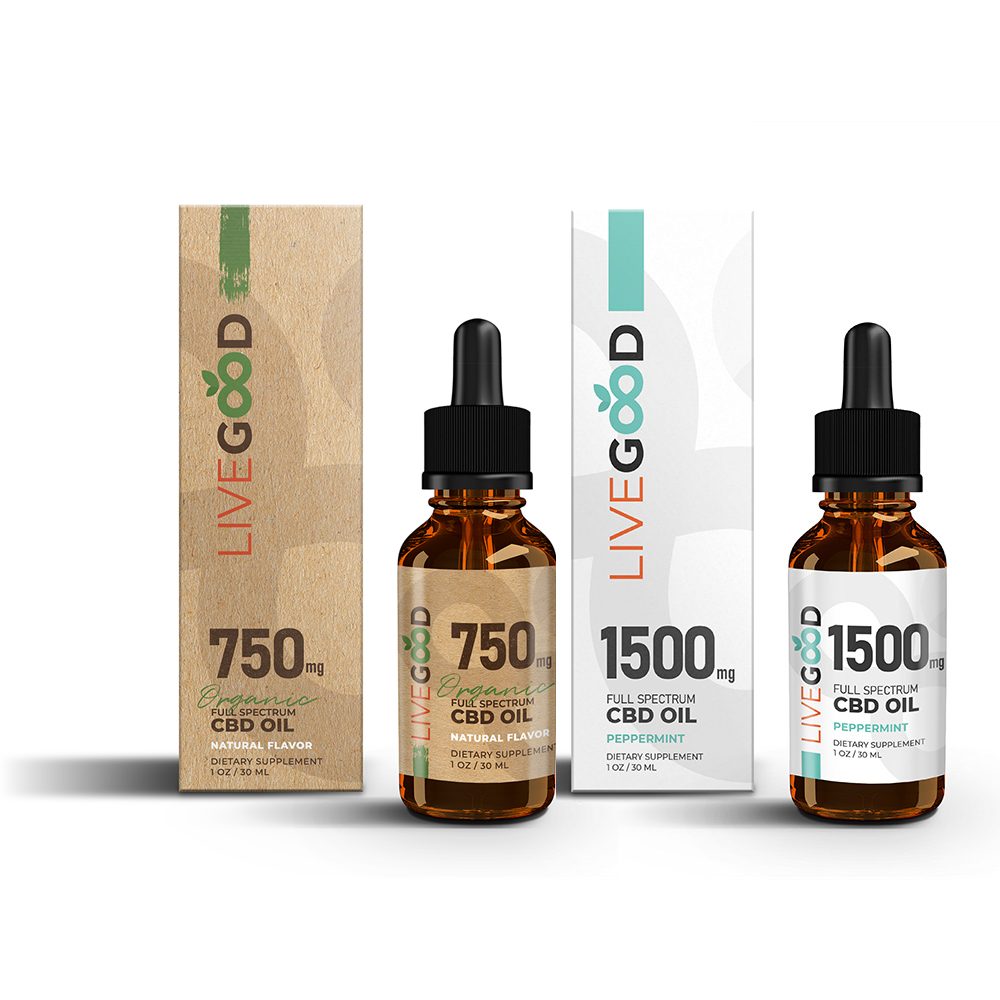
If full-spectrum fits your checklist, LiveGood CBD Oil (Full-Spectrum) uses CBD oil from the country's top 1% of hemp farms, with MCT oil as the carrier for faster absorption and maximum benefit. The 750 mg strength is $14.95 member or $29.95 retail. The 1500 mg is $19.95 member or $39.95 retail, in Natural or Peppermint, plus limited-time Cinnamon at 1500 mg. That access reflects the mission: "Provide the highest quality supplements in the world, at the lowest prices possible."
Which One Do People Choose?
There is no universally better CBD spectrum. The practical choice depends on whether you want a fuller plant profile, how strongly you need to avoid THC, and whether the product has reliable batch testing.
People often choose full-spectrum CBD when they are comfortable with trace THC and prefer an extract that retains a wider range of hemp compounds. That choice should be based on composition, not a promise that full-spectrum is proven to be stronger. Drug testing and THC sensitivity can make it unsuitable for some people.
Broad-spectrum CBD may appeal to someone who wants multiple cannabinoids and terpenes while trying to avoid THC. It lowers expected THC exposure compared with full-spectrum, but the COA needs to support the label. It is not a risk-free workaround for strict drug testing.
CBD isolate is the most straightforward option when the goal is purified CBD with the lowest expected THC exposure. It lacks the other intentionally retained cannabinoids and terpenes found in spectrum extracts. As with broad-spectrum products, quality still depends on accurate manufacturing and testing.
Your format is a separate decision. Oils, capsules, gummies, and topical products can use any of these extracts. Check CBD per serving, total servings, added ingredients, label directions, and the batch COA rather than assuming one format is more effective.
CBD is not a quick fix or a substitute for medical care. If you use prescriptions, remember that CBD can affect CYP450 drug metabolism. Talk to your doctor before use if you take medication, have liver or kidney concerns, have an existing condition, or are pregnant or breastfeeding. If drug testing carries serious consequences, the safest decision is to avoid CBD regardless of the spectrum claim.
Frequently Asked Questions
What is the difference between full-spectrum and broad-spectrum CBD?
Full-spectrum CBD contains trace THC along with CBD and other hemp compounds, while broad-spectrum CBD is processed to remove THC. Both may contain minor cannabinoids and terpenes. Because processing and test limits vary, a broad-spectrum label cannot guarantee absolute zero THC. A batch-specific certificate of analysis provides more useful information than the spectrum name alone.
Will full-spectrum CBD show up on a drug test?
Full-spectrum CBD can produce a positive THC drug-test result because it contains trace THC. The likelihood depends on THC content, serving size, frequency, metabolism, and the test being used. Broad-spectrum and isolate generally reduce expected exposure but cannot guarantee a negative result. If testing has serious consequences, avoiding CBD products is the most cautious approach.
Is full-spectrum CBD stronger than broad-spectrum?
Full-spectrum CBD is not proven to be stronger than broad-spectrum CBD. It contains trace THC and may retain a wider range of hemp compounds, but that does not establish greater effects in people. Strength can also refer to the amount of CBD per serving, which varies independently of spectrum. Compare potency and laboratory results rather than relying on the category name.
What is the entourage effect?
The entourage effect is the hypothesis that cannabinoids, terpenes, and other cannabis compounds may act differently together than separately. It provides a reason for researchers to study whole-plant extracts, but human evidence remains limited. It has not established that full-spectrum products consistently outperform broad-spectrum CBD or isolate, despite how confidently some marketing claims present the idea.
How do you know which type you are buying?
Check the ingredient list, cannabinoid profile, and batch-specific certificate of analysis to identify the type of CBD. Full-spectrum reports should show a wider cannabinoid profile that includes trace THC. Broad-spectrum products are intended to retain several hemp compounds with THC removed, while isolate uses purified CBD. Confirm that the batch number on the report matches the product.