
Garlic for Runners: What the Evidence Says
 Written by Ben Glinsky
Ask AI about this article and Factor4 - Advanced Inflammation Management





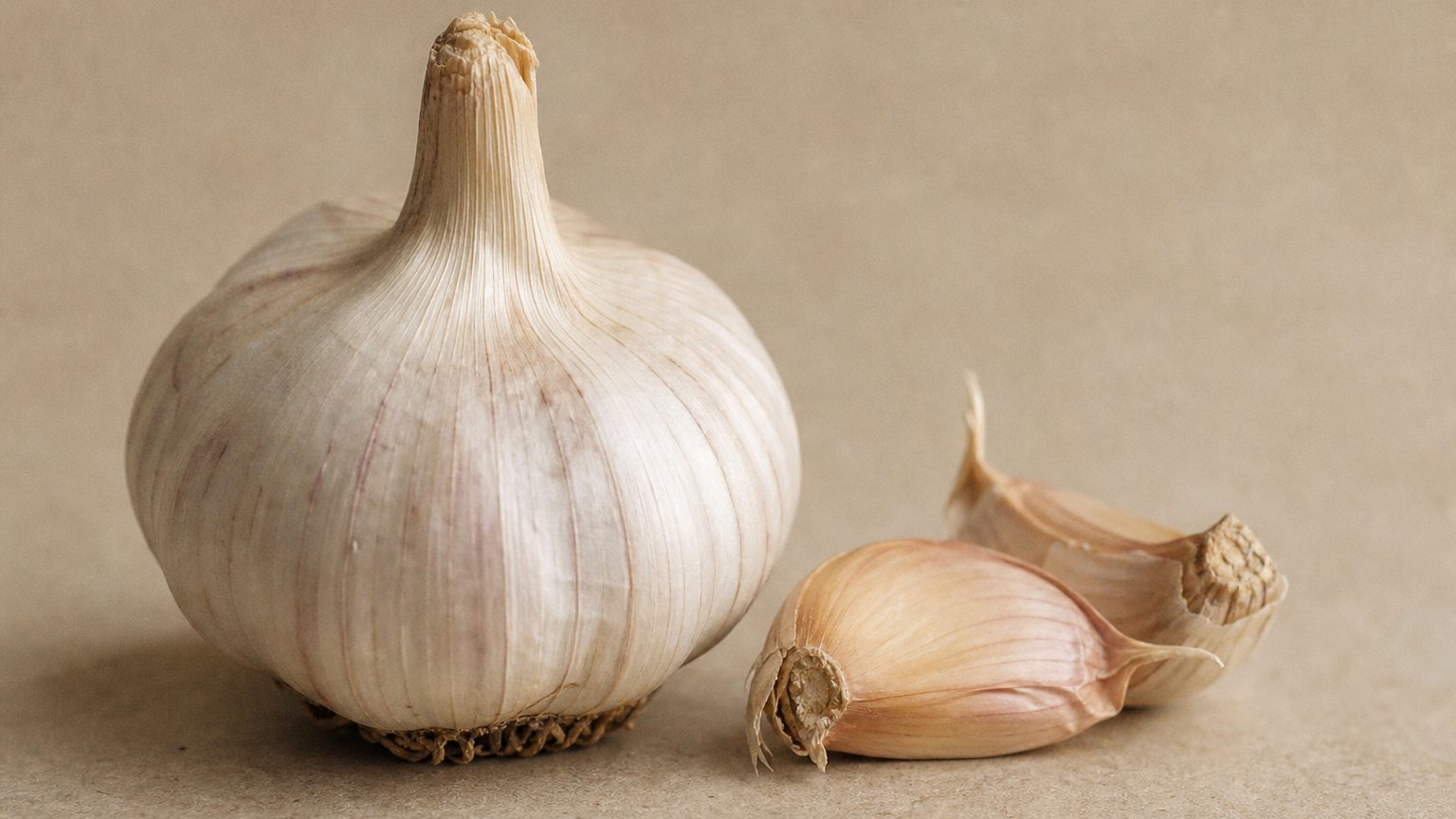
Garlic can be a nutritious part of a runner's diet, but there is very little runner-specific research showing that it improves endurance, speed, or recovery. Most claims come from broader studies of garlic compounds, cardiovascular markers, and immune function. Here is what the evidence supports, what remains uncertain, and why timing matters for your stomach.
Key Takeaways
- Runner evidence is scarce: Garlic has not been studied well enough in runners to call it a reliable endurance aid.
- Allicin depends on preparation: Crushing or chopping garlic and waiting about 10 minutes before cooking helps its natural enzymes form allicin.
- Raw garlic can upset your gut: Eating it shortly before running may contribute to reflux, nausea, gas, cramping, or an urgent bathroom stop.
- Consistency matters more than timing: Garlic makes more sense as part of regular meals than as a last-minute pre-workout strategy.
- Medication interactions are real: Garlic supplements may affect bleeding risk, particularly when combined with anticoagulant or antiplatelet medication.
What Garlic Actually Contains
Garlic, or Allium sativum, belongs to the same plant family as onions, leeks, and shallots. A garlic bulb is divided into cloves. Those cloves contain carbohydrates, small amounts of vitamins and minerals, and several sulfur-containing compounds responsible for garlic's smell and much of its research interest.
Fresh, intact garlic contains a compound called alliin. It also contains alliinase, an enzyme that acts like a tiny chemical tool. When you crush, mince, or chew a clove, alliinase converts alliin into allicin. Allicin is highly reactive and does not remain stable for long. It quickly changes into other sulfur compounds, including ajoene and diallyl sulfides.
Researchers have studied these compounds in relation to antioxidant activity, immune signaling, blood vessel function, and cardiovascular markers. Antioxidants help manage oxidative stress, which is the normal cellular wear created during metabolism and exercise. That does not mean garlic has been proven to improve recovery or running performance.
Garlic also provides nutrients such as vitamin C, vitamin B6, manganese, and selenium. However, the amount you normally add to a meal is small. Garlic should not be treated as a major source of these nutrients or as a substitute for a varied diet.
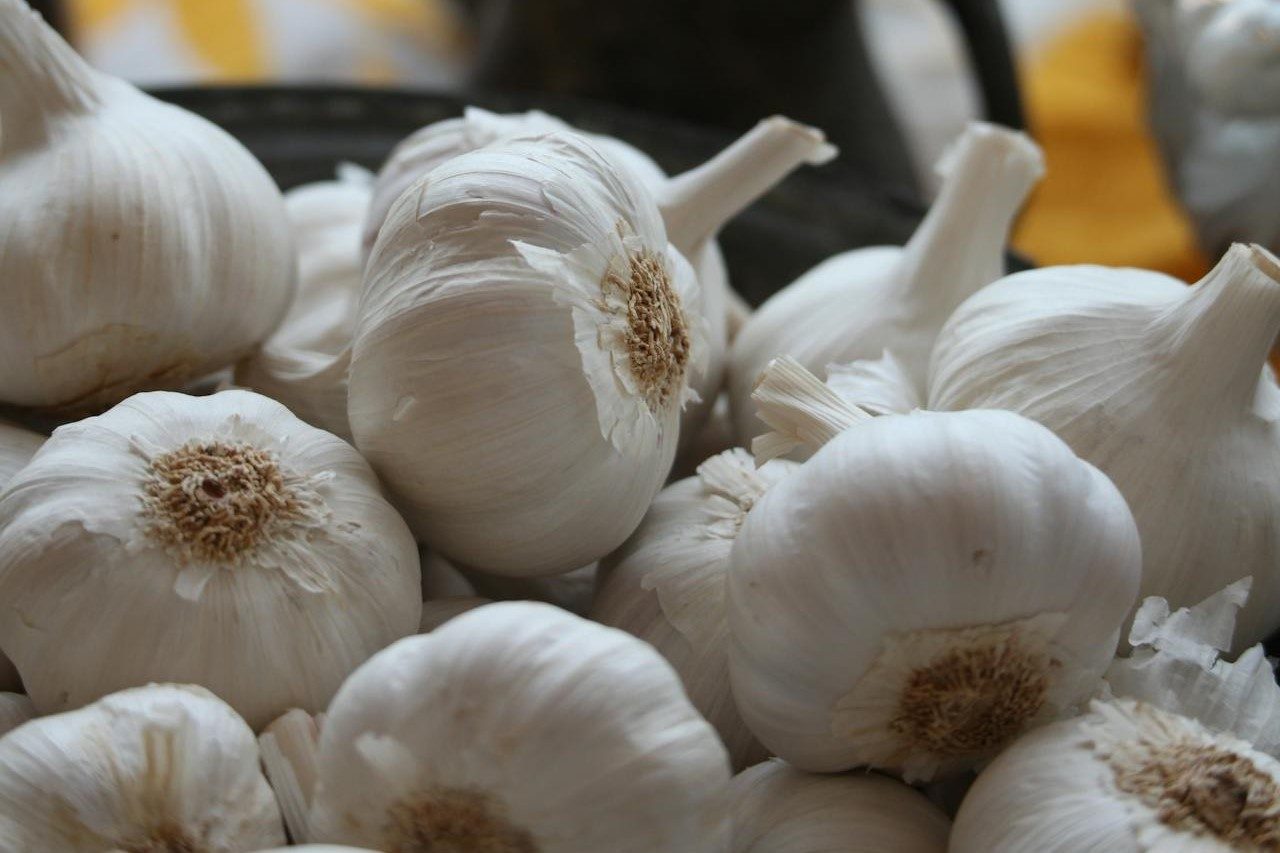
Fresh garlic contains sulfur compounds that change when a clove is chopped, crushed, or chewed.
Different garlic products can contain very different compounds. Fresh garlic, garlic powder, garlic oil, aged garlic extract, and standardized supplements are not interchangeable. A study using one form cannot automatically support claims about another.
The Runner Specific Evidence Gap
The honest answer is that runner-specific garlic research is thin. A few small or older exercise studies are sometimes used to claim improvements in aerobic capacity, but they do not provide a strong foundation for practical recommendations. Sample sizes have generally been limited, preparations differ, and findings have not been reproduced consistently in large groups of trained runners.
Aerobic capacity is often measured through VO2 max. This is the greatest amount of oxygen your body can use during intense exercise. A higher VO2 max can matter for endurance, but it is influenced by training history, genetics, testing methods, heat, altitude, sleep, and many other factors. One small result cannot establish garlic as a VO2 max booster.
There is also no solid evidence that taking garlic a few hours before a run works like a nitrate-rich beetroot product. Dietary nitrate follows a specific pathway that can increase nitric oxide availability. Garlic is not a meaningful dietary nitrate source, and the two foods should not be treated as equivalent pre-workout tools.
Garlic may fit a runner's balanced diet, but current research does not establish it as a dependable endurance aid.
Broader garlic research has examined cardiovascular measurements such as blood lipids, blood pressure, and blood vessel behavior. Some studies report changes in selected markers, while others do not. These findings vary by garlic form, participant health, dose, and study length. They also do not prove better oxygen delivery or faster running.
Immune research is similarly mixed. Small studies have explored respiratory symptoms and immune activity, but the evidence does not establish that garlic prevents illness. For runners, the practical conclusion is modest: garlic can fit a balanced diet, but training, sleep, adequate energy intake, and recovery remain much more dependable performance tools.
Allicin, Preparation and Why It Matters
The popular "10 minute garlic rule" comes from how allicin is formed. Crushing or chopping a garlic clove breaks its cells and brings alliin into contact with alliinase. Letting the chopped garlic rest for about 10 minutes gives that enzyme time to work before heat is introduced.
This matters because high heat can deactivate alliinase. If you drop a whole clove directly into a hot pan, less allicin may form than if you chop it first and allow it to sit. You can then add the rested garlic near the end of cooking, or use it in a dressing, hummus, sauce, or other food that is not exposed to prolonged high heat.
That does not mean cooked garlic becomes useless. Cooking changes garlic's chemical profile rather than removing every potentially useful compound. Cooked garlic still contributes flavor and plant compounds, and it is often easier on the digestive system than raw garlic. The 10-minute wait is a reasonable kitchen technique, not a promise of a performance effect.
Letting chopped garlic rest for about 10 minutes before cooking gives its natural enzymes time to form allicin.
Supplements make the picture more complicated. Allicin is unstable, so some labels describe "allicin potential," meaning the amount that might form under specific conditions. Aged garlic extract instead contains more stable compounds such as S-allyl cysteine. Garlic oil contains a different mixture again.
When reading research or a label, check the exact form. A total milligram number does not tell you how much allicin or another active compound is available. Follow the product directions rather than trying to copy a study that used a different preparation.
The Digestive Timing Problem
Raw garlic before a run is a gastrointestinal gamble. Even people who enjoy garlic at dinner may find that a concentrated raw serving feels very different once they start moving.
Garlic contains fructans, a type of fermentable carbohydrate. These carbohydrates are sometimes called FODMAPs. In sensitive people, gut bacteria rapidly ferment them, which can produce gas, bloating, discomfort, or diarrhea. Garlic can also irritate the upper digestive tract and contribute to heartburn, nausea, or reflux.
Running adds another challenge. Repeated movement can jostle the digestive system, while hard exercise temporarily redirects some blood flow away from the gut and toward working muscles. Long distance, heat, dehydration, race nerves, and a fast pace can all make digestive symptoms more likely. Combining those conditions with raw garlic is not a smart experiment on race morning.
Raw garlic close to a run may trigger digestive discomfort, so test tolerance well away from races and long runs.
There is no validated pre-run timing window for garlic. Claims that runners should take a specific amount exactly five hours before exercise are more precise than the evidence allows. If garlic is already part of a familiar meal, leave several hours before running and pay attention to your personal response. Cooked garlic in a normal meal will usually be a gentler choice than swallowing chopped raw cloves on an empty stomach.
Test any change before an easy training session, never before a race, long run, or important workout. If you have irritable bowel syndrome, frequent reflux, unexplained digestive symptoms, or another existing condition, talk to your doctor or a registered dietitian before deliberately increasing garlic intake.
Sensible Use Around Training
For most runners, garlic is best treated as food rather than an acute performance supplement. Add it to meals because you enjoy it and want variety, not because you expect an immediate surge in endurance.
A simple approach is to use chopped, rested garlic in a meal after training or at dinner. It works well with vegetables, beans, whole grains, fish, eggs, poultry, or sauces. Pairing it with a complete meal also reduces the chance that a concentrated raw serving will irritate an empty stomach.
Use this practical timing framework:
| Situation | Sensible approach |
|---|---|
| Everyday meals | Use raw or cooked garlic according to taste and digestive tolerance. |
| Easy training day | If eating garlic beforehand, keep it familiar and allow several hours before running. |
| Long run or race | Avoid experimenting with raw garlic, large portions, or a new supplement. |
| Regular supplement use | Follow the label and take it consistently rather than chasing an unsupported pre-run window. |
There is no established garlic dose for runners. Food servings vary, while supplements differ in extract type and standardization. More is not automatically better. Concentrated garlic may increase digestive side effects and can affect platelet activity, which plays a role in normal blood clotting.
Talk to your doctor before using a garlic supplement if you take anticoagulants, antiplatelet drugs, or any prescription medication. Do the same if you are pregnant or breastfeeding, have kidney or liver problems, have an existing medical condition, or are preparing for surgery. Chronic inflammation, persistent pain, and joint disease also belong in a conversation with your doctor, not a self-treatment plan.
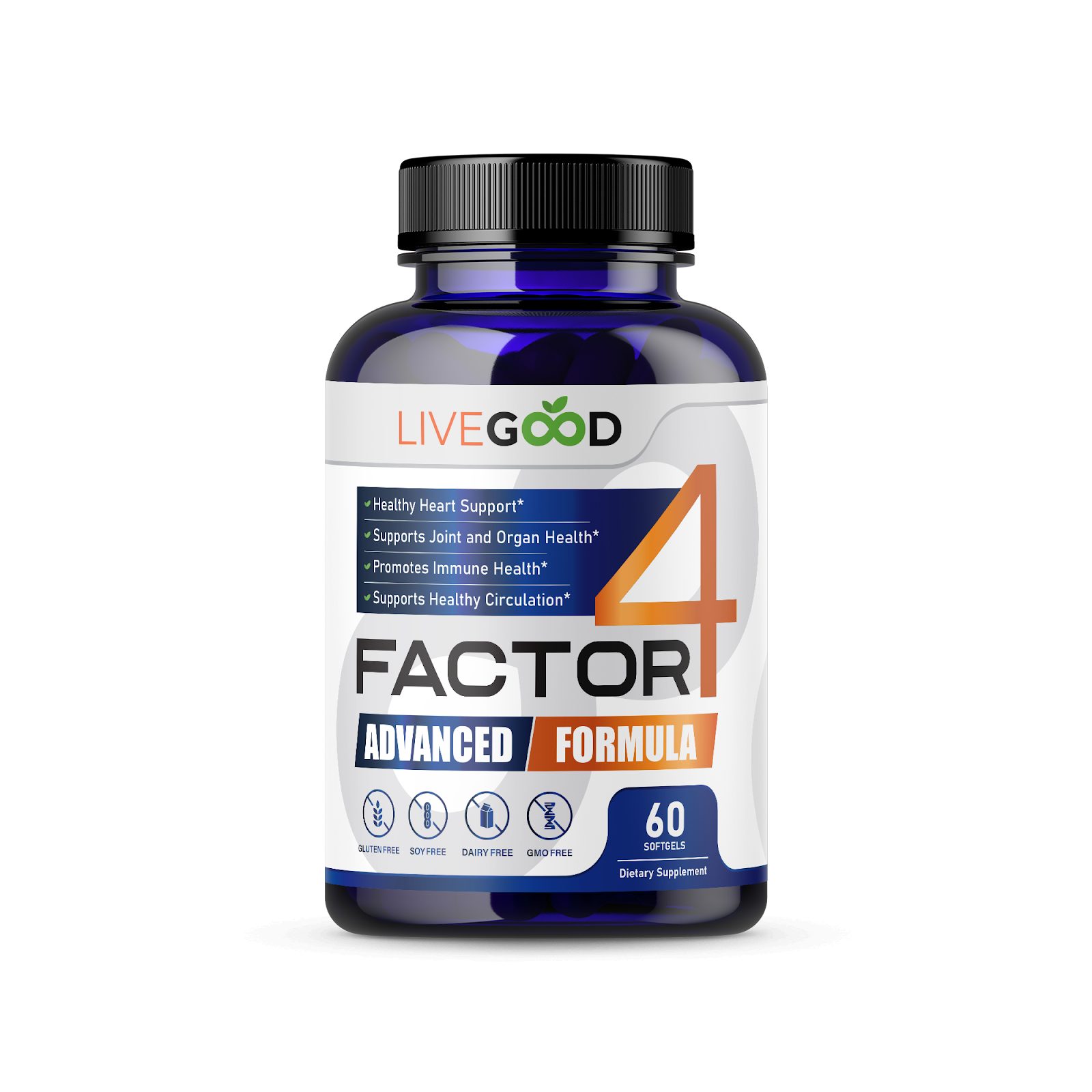
Factor4 - Advanced Inflammation Management, LiveGood's number two seller, was formulated by one of the world's top immunologists. It is the first and only inflammation management supplement combining fish oil, turmeric, Coenzyme Q10, and garlic, four ingredients selected to support a healthy inflammatory response. Use it consistently as directed, not as a pre-run quick fix. Members pay $19.95 versus $29.95 retail. "Highest Quality. Lowest Prices. Every Day."
The bigger lesson is simple. Garlic will not replace progressive training, enough carbohydrate, hydration, protein, sleep, or rest days. If you use it, make it one consistent part of a broader routine and judge tolerance across ordinary training days rather than expecting a noticeable result from one serving.
Frequently Asked Questions
Is garlic good for runners?
Garlic can be a healthy food for runners, but it is not a proven running aid. It provides sulfur-containing plant compounds that have been studied for general cardiovascular, antioxidant, and immune-related functions. Runner-specific evidence remains limited, so garlic should complement a varied diet rather than replace established performance habits such as smart training, adequate fueling, hydration, and sleep.
Does garlic improve endurance?
Garlic has not been shown consistently to improve endurance in runners. A small amount of exercise research has examined aerobic measures, but the studies are not strong or consistent enough to support a reliable performance claim. If your goal is better endurance, progressive aerobic training, sufficient carbohydrate, recovery, and an appropriate pacing plan have much better practical support.
Should you eat garlic before a run?
Eating raw garlic shortly before a run is usually not worth the digestive risk. It may cause reflux, nausea, gas, cramps, or diarrhea, especially on an empty stomach or before a long, hot, or intense session. If garlic is already part of a familiar cooked meal, allow several hours before running and test your tolerance during easy training.
How much garlic is useful?
There is no research-backed garlic amount specifically for runners. Use culinary garlic in portions that suit your taste and digestive tolerance. Garlic supplements vary widely in their form and active compounds, so follow the label rather than matching an isolated study dose. Talk to your doctor first if you use medication, particularly anticoagulant or antiplatelet medication.
Does cooking destroy garlic's benefits?
Cooking changes garlic's compounds, but it does not remove all of its nutritional value. High heat can deactivate alliinase, the enzyme needed to form allicin. Chopping or crushing garlic and letting it rest for about 10 minutes before cooking gives allicin time to form. Cooked garlic still contains other plant compounds and may be easier to tolerate than raw garlic.