






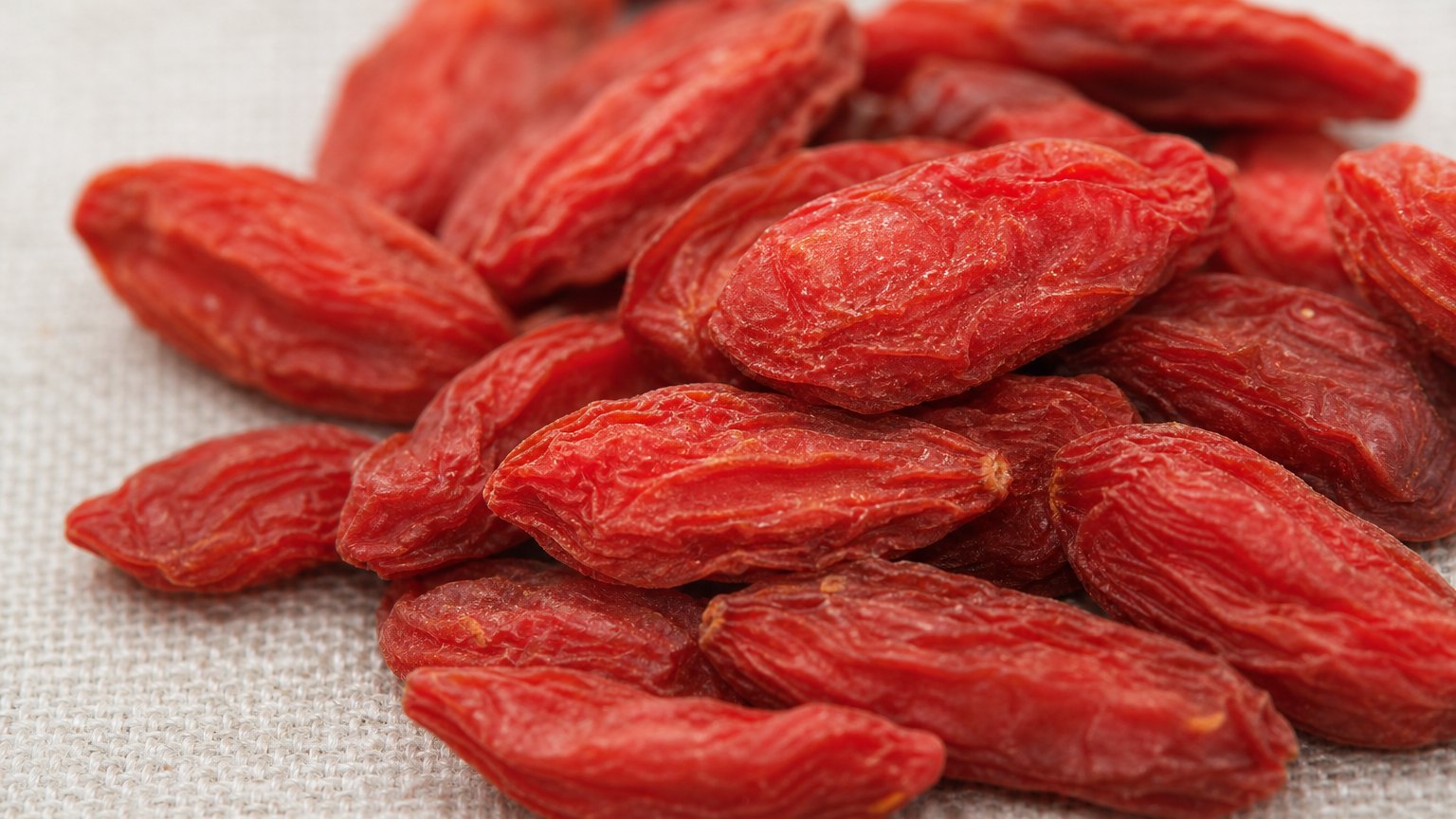
Goji berries offer men antioxidants, fiber, and zeaxanthin, a plant pigment connected with eye health. Small human trials also suggest possible benefits for sleep and general wellbeing, but there is no good evidence that goji berries raise testosterone or improve male fertility. Here is what the research actually shows, plus practical ways to use them safely.
Key Takeaways
- Eye health stands out: Goji berries contain zeaxanthin, which accumulates in the retina and helps filter potentially damaging light.
- Antioxidants add nutritional value: Carotenoids, vitamin C, and plant compounds help protect cells from oxidative stress.
- Human evidence remains limited: Most goji studies are small, short, and not designed specifically for men.
- Testosterone claims are unproven: Animal findings and traditional use do not establish benefits for male hormones or fertility.
- Medication interactions matter: Goji can interact with warfarin and may also affect people taking blood pressure or diabetes medications.
What Goji Berries Contain
Goji berries, also called wolfberries, are the fruits of plants such as Lycium barbarum. They have been eaten in parts of Asia for centuries and are now commonly sold dried, powdered, or as juice. Their sweet-tart flavor fits easily into oatmeal, yogurt, trail mix, tea, and smoothies.
The berries provide carbohydrates, fiber, and small amounts of protein. Their exact vitamin and mineral content depends on the variety, growing conditions, processing, and serving size. Fresh berries can provide vitamin C, while dried products may contain less because heat and storage can reduce this vitamin. Dried goji is also more concentrated in natural sugar and calories than fresh fruit by weight.
Much of the research focuses on carotenoids. These are red, orange, and yellow plant pigments with antioxidant activity. Zeaxanthin is the main carotenoid associated with goji berries. They also contain plant compounds called Lycium barbarum polysaccharides, or LBPs. Polysaccharides are long chains of sugar molecules found naturally in plants. Laboratory and animal research has explored their effects, but those findings cannot automatically be applied to people.
Antioxidants help control free radicals, unstable molecules produced during normal metabolism and exposure to factors such as smoke and ultraviolet light. That is useful nutrition, but an antioxidant-rich food does not prevent every condition linked with oxidative stress.
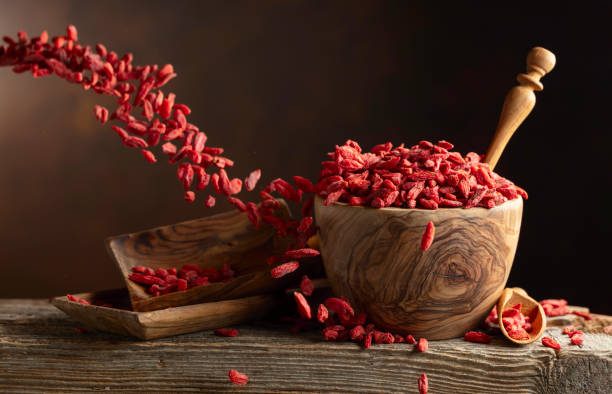
Dried goji berries provide fiber and colorful plant compounds, including the carotenoid zeaxanthin.
Zeaxanthin and Eye Health
Zeaxanthin gives goji berries much of their bright red-orange color. After you eat it, some zeaxanthin can reach the retina, the light-sensitive tissue at the back of your eye. It becomes concentrated in an area called the macula, which supports sharp central vision.
Along with lutein, zeaxanthin forms part of the macular pigment. This pigment absorbs some blue light and helps manage oxidative stress inside the eye. These normal protective roles explain why goji berries are frequently promoted for vision support.
Human research is promising but preliminary. In one small 90-day study, older adults consumed a daily goji-based preparation or a placebo. The goji group had higher blood zeaxanthin and antioxidant capacity, along with favorable changes in certain eye measurements. However, a short trial cannot show that goji berries prevent vision loss or treat an eye condition. The preparation and amount used may also differ from products sold in stores.
Another small study of healthy middle-aged adults found that regular dried goji intake increased macular pigment optical density. This measurement estimates the amount of protective pigment in the macula. It is a useful research marker, but it is not the same as proving better eyesight or protection from future eye disease.
Goji berries can be one source of dietary zeaxanthin. Leafy greens, orange peppers, corn, and eggs also contribute lutein or zeaxanthin, so variety remains the practical goal.

Zeaxanthin becomes concentrated in the macula, where it contributes to the eye's natural protective pigment.
What the Human Trials Measured
Human goji research covers eye markers, antioxidant status, blood measurements, sleep quality, energy, and subjective wellbeing. The key word is measured. A favorable change in a questionnaire or laboratory marker does not necessarily mean a person will experience a major health improvement.
The sleep and wellbeing claims often trace back to a randomized 14-day pilot trial involving only 34 healthy adults. Participants drank goji juice or a placebo. Compared with the placebo group, the goji group reported improvements in areas such as sleep quality, energy, calmness, ability to focus, and general feelings of health. Some exercise-related and digestive measures also changed.
Those results are interesting, but the study was very small and lasted only two weeks. Many outcomes were self-reported, meaning participants rated how they felt. Self-reported measures are valuable, but they are more vulnerable to expectation and day-to-day variation than objective tests. Sleep was not evaluated with an overnight sleep study, and the trial did not establish that goji treats insomnia, anxiety, depression, or fatigue.
Other short human studies have examined blood antioxidant levels, immune markers, waist measurements, or glucose-related outcomes. Results vary, and most trials involve small groups, specialized preparations, or limited follow-up. Few have been independently repeated at a larger scale.
For men, the most reasonable conclusion is modest. Goji berries are a nutritious food, and early trials justify more research. They do not yet justify promises about dramatic energy, athletic performance, hormone balance, or long-term health outcomes.
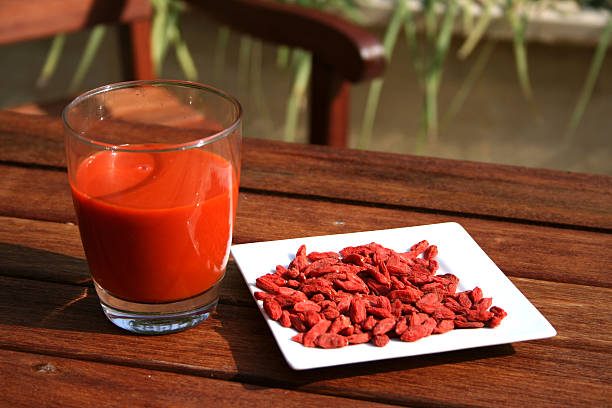
Small goji trials have measured sleep, energy, antioxidant markers, and general wellbeing, but larger studies are needed.
Men's Health Claims: Separating Evidence From Marketing
Goji berry marketing often targets testosterone, sperm quality, libido, and sexual performance. These claims sound specific, but good human evidence does not support them.
Some animal studies suggest that concentrated goji extracts or isolated polysaccharides may affect reproductive tissues, sperm measurements, or hormone signaling. Animal research can help scientists decide what to study next. It cannot tell you that eating dried goji berries will raise testosterone or improve fertility in men. The doses, extracts, metabolism, and study conditions may be very different.
There are no strong, well-controlled human trials showing that goji berries reliably increase testosterone. There is also not enough clinical evidence to recommend them for sperm count, sperm movement, conception, erectile dysfunction, or any other reproductive concern. Traditional use in Chinese food and herbal practices provides historical context, not clinical proof.
If you have symptoms of low testosterone, such as persistent low libido, loss of strength, or unusual fatigue, testing and medical evaluation are more useful than adding a heavily marketed food or supplement. Similar symptoms can have many causes, including sleep problems, medication effects, stress, or an existing health condition. Fertility concerns also deserve an individualized medical assessment.
Goji berries can still fit a men's wellness routine. Their fiber and colorful plant compounds contribute to a varied diet. Just view them as food, not a hormone booster. Consistent sleep, resistance exercise, adequate nutrition, and appropriate medical care have much stronger roles in overall health than any single berry.
How to Use Them
Dried goji berries are the easiest form to find. You can eat them directly, soak them in warm water to soften them, or add them to oatmeal, yogurt, cereal, salads, and trail mix. They also work in smoothies and homemade snack bars. Goji tea is usually made by steeping dried berries, although eating the softened fruit provides more fiber than drinking only the liquid.
There is no research-established daily dose for general wellness. A package serving of dried berries is often around 1 ounce, or 28 grams, but labels vary. Treat that amount as food context rather than a medical target. Start with the labeled serving or less if the fruit is new to you. Larger amounts may cause bloating, loose stools, or other digestive discomfort.
Check the ingredient list on juices and powders. Some goji drinks contain added sugar or only a small percentage of fruit. Concentrated extracts are different from whole berries, so do not assume that study findings for one form apply to another. Follow the product's label rather than increasing the serving to imitate a research trial.
Fresh, dried, frozen, powdered, and juice forms can all contribute plant compounds, but none replaces a varied diet. Rotate goji with blueberries, cherries, leafy greens, citrus, and other colorful produce. That approach provides a broader mix of fiber, vitamins, minerals, and plant pigments.
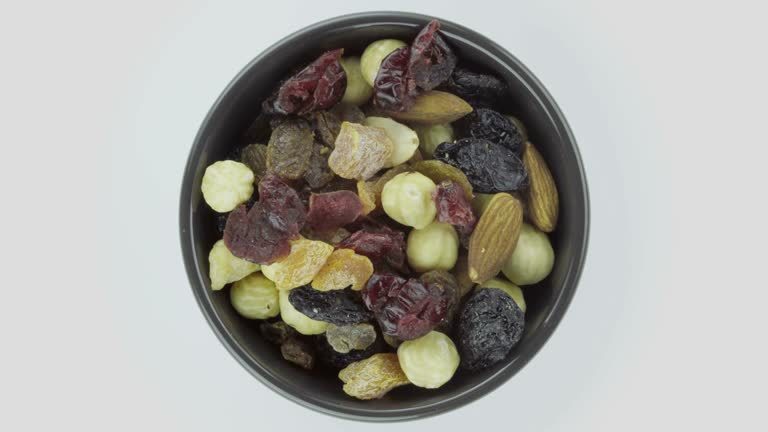
Goji berries can be eaten dried, soaked in water, or mixed into oatmeal, yogurt, and smoothies.
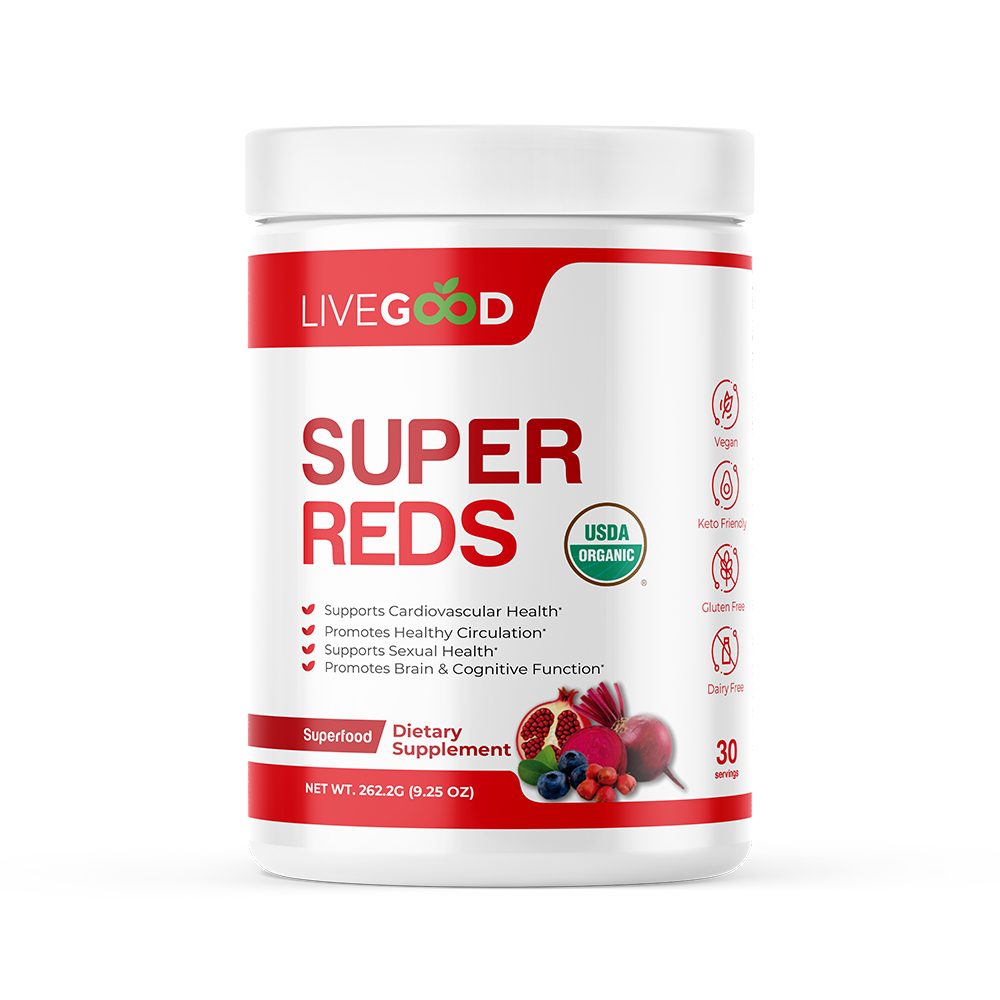
LiveGood Organic Super Reds contains goji among other red fruit and vegetable extracts. It is formulated to support the body's own nitric oxide production and healthy circulation. Mix it with water or a smoothie as a pre-workout option or afternoon pick-me-up, following the label directions. It costs $19.95 for members versus $34.95 retail, supporting the belief that wellness should not be a luxury. Highest Quality. Lowest Prices. Every Day.
Interactions Worth Knowing
Goji berries are generally tolerated as food, but they are not risk-free. The most clearly documented concern involves warfarin, a prescription blood thinner. Published case reports describe people developing a raised international normalized ratio, or INR, after consuming goji tea or juice. INR is a test of how long blood takes to clot. A high result can increase bleeding risk.
If you take warfarin, do not add goji berries, tea, juice, powders, or extracts without talking to your doctor or anticoagulation clinic. A case report cannot establish how often the interaction occurs, but the potential consequence makes caution appropriate. Seek prompt medical help for unusual bruising, prolonged bleeding, blood in urine or stool, or other signs of bleeding.
Goji may also affect blood sugar or blood pressure. Evidence is limited, but combining a concentrated goji product with diabetes or blood pressure medication could potentially change your response. Talk to your doctor before use rather than adjusting medication or monitoring on your own.
Allergic reactions are possible, especially if you react to other fruits or plants in the nightshade family. Stop using the product and seek care if you develop facial swelling, breathing trouble, or a widespread rash. Mild digestive effects can include nausea, bloating, or diarrhea.
Talk to your doctor before using concentrated goji products if you are pregnant, breastfeeding, have a kidney or liver condition, or manage any existing medical condition. Food amounts and concentrated extracts are not interchangeable, and supplement labels should always guide use.
Anyone taking warfarin or other prescription medication should discuss regular goji use with a doctor or pharmacist.
Frequently Asked Questions
What are the benefits of goji berries for men?
Goji berries can add fiber, zeaxanthin, and other antioxidants to a man's diet. The clearest research interest involves eye-related markers, while small trials have also examined sleep, energy, and general wellbeing. These studies are preliminary and do not prove major clinical benefits. Goji berries are best treated as one nutritious food within a varied eating pattern.
Do goji berries boost testosterone?
No good human evidence shows that goji berries boost testosterone. Most hormone and fertility claims come from traditional use, animal research, or laboratory experiments with concentrated extracts. Those findings do not establish that eating goji fruit changes testosterone, sperm quality, or sexual function in men. Speak with your doctor if you have symptoms or concerns related to hormone levels.
How many goji berries should you eat a day?
There is no scientifically established daily amount of goji berries for health benefits. For dried fruit, follow the package serving, which is often around 1 ounce or 28 grams. That is a food serving, not a treatment dose. Starting with less may help you assess digestive tolerance, particularly because dried fruit is concentrated in natural sugar and fiber.
Can goji berries interact with medication?
Yes, goji berries can interact with medication, especially warfarin. Case reports have linked goji tea or juice with raised INR, which may increase bleeding risk. Caution is also reasonable with diabetes and blood pressure medicines. If you use prescription medication, talk to your doctor or pharmacist before regularly eating goji or taking a concentrated product.
Are goji berries good for eyes?
They may support normal eye health because they contain zeaxanthin, a carotenoid found in the retina. Small human trials have reported increases in blood zeaxanthin or macular pigment after regular goji intake. Those findings are encouraging but do not show that goji berries treat eye disease or prevent vision loss. Regular eye exams remain essential.