
Grape Seed Extract and Blood Pressure: What Studies Show
 Written by Nauder Khazan
Ask AI about this article and Organic Super Reds





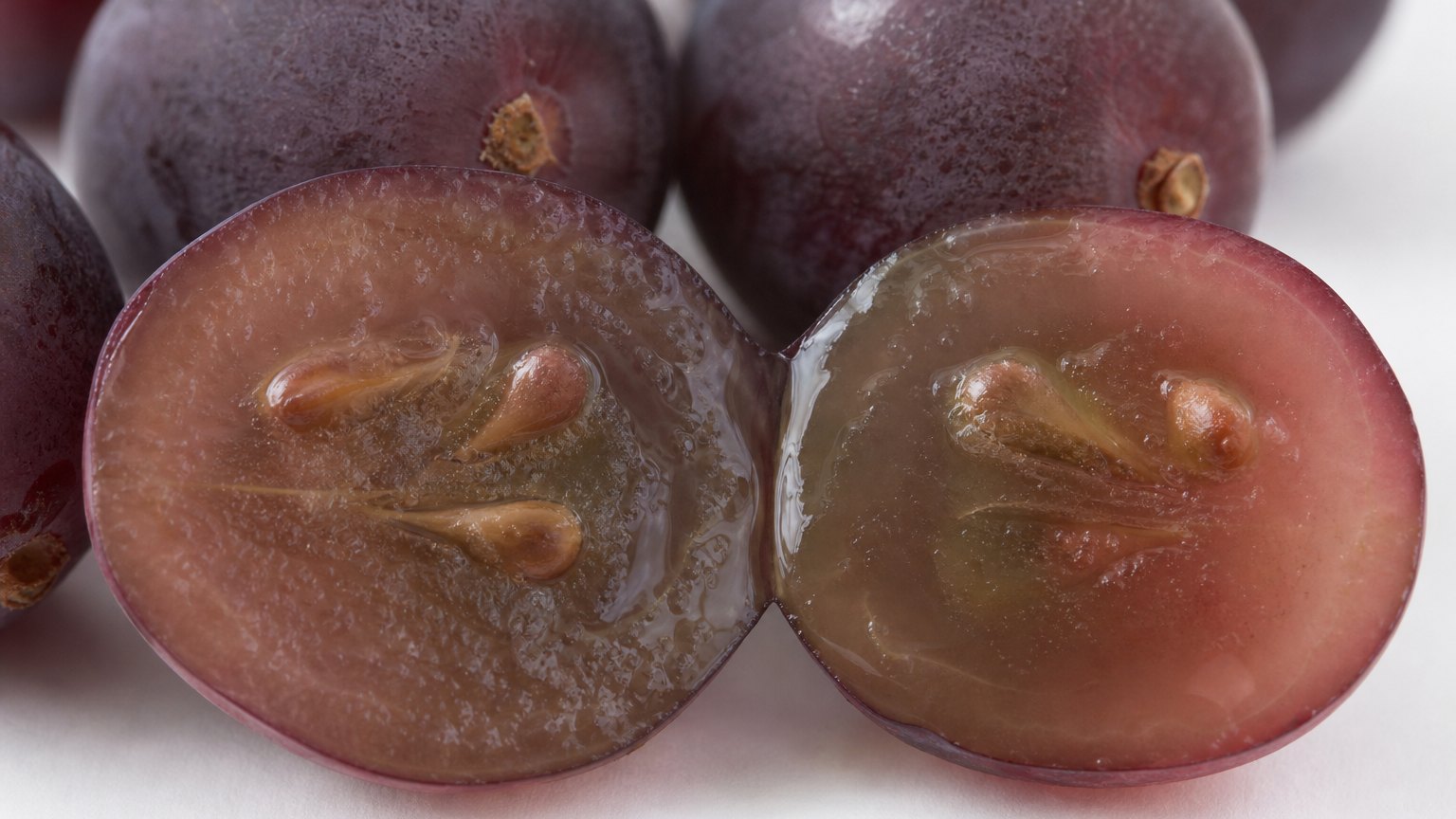
Randomized trials suggest that concentrated grape seed extract may produce modest average changes in blood pressure, especially in certain groups. However, the evidence is inconsistent, and a trial average is not a treatment for hypertension. Here is what the research measured, who appeared to respond, and what you should discuss with your doctor.
Key Takeaways
- Trials found modest changes: Meta-analyses reported average systolic reductions ranging from about 1.5 to 6.1 mmHg, depending on the studies included.
- Results varied widely: Dose, study length, participant health, and extract composition differed across trials.
- Some groups responded more clearly: Larger changes appeared among younger adults, people with obesity, and those with metabolic disorders.
- Medication safety comes first: Grape seed extract may add to the effects of blood pressure drugs and may increase bleeding risk with anticoagulants.
- It is not hypertension treatment: Diagnosed high blood pressure requires medical care, monitoring, and a proven treatment plan.
What Grape Seed Extract Contains
Grape seed extract is made from the seeds left after grapes are processed. Manufacturers dry and concentrate compounds from those seeds into powders, capsules, or liquids. This is different from eating grapes, drinking grape juice, or using grape seed oil.
The best-known compounds in grape seed extract are proanthocyanidins. These are plant chemicals in the larger polyphenol family. Polyphenols can act as antioxidants, meaning they help limit reactions caused by unstable molecules called free radicals. Grape seeds also contain other flavonoids and phenolic acids.
Researchers are interested in whether these compounds affect the endothelium, the thin layer of cells lining your blood vessels. A healthy endothelium helps vessels widen and narrow as needed. Laboratory research suggests grape polyphenols may influence nitric oxide, a natural signaling molecule that helps blood vessels relax. That is a plausible explanation for the blood pressure changes measured in some trials, but a proposed mechanism is not proof of a reliable result in people.
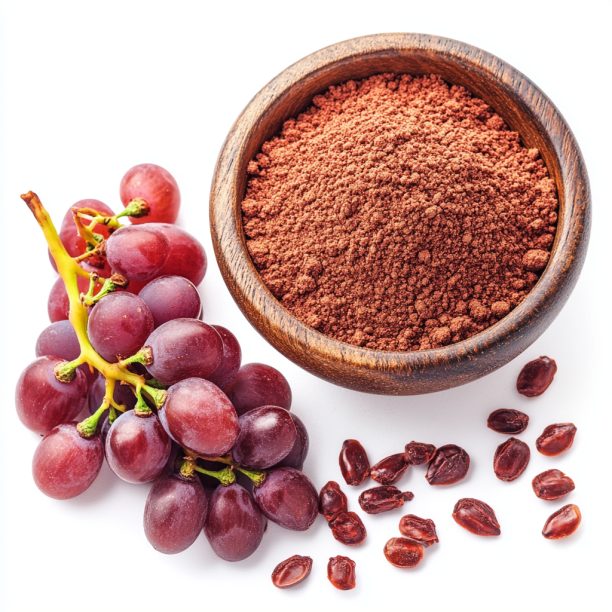
Grape seeds contain polyphenols called proanthocyanidins, which are concentrated in many grape seed extract supplements.
Extracts are not interchangeable. One product may list total grape seed extract, while another is standardized to a specific percentage of proanthocyanidins. That makes comparisons difficult. Grape seed extract should also not be confused with grapefruit seed extract, which is a different ingredient with different safety concerns.
What the Meta-Analyses Found
A meta-analysis combines results from several studies to estimate an overall effect. It can provide a clearer picture than one small trial, but its conclusion is only as dependable as the studies included.
An earlier meta-analysis combined nine randomized trials involving 390 adults. It reported an average systolic blood pressure change of about 1.54 mmHg compared with a control. Systolic pressure is the top number in a reading. The average change in diastolic pressure, the bottom number, was not statistically significant. In plain language, the analysis found a small difference in the top number but could not confidently rule out chance for the bottom number.
A larger meta-analysis of 16 randomized trials involving 810 participants reported average changes of 6.08 mmHg systolic and 2.80 mmHg diastolic. The trials used roughly 100 to 2,000 mg of grape seed extract per day and lasted from a single dose to several months. Results varied considerably from study to study.
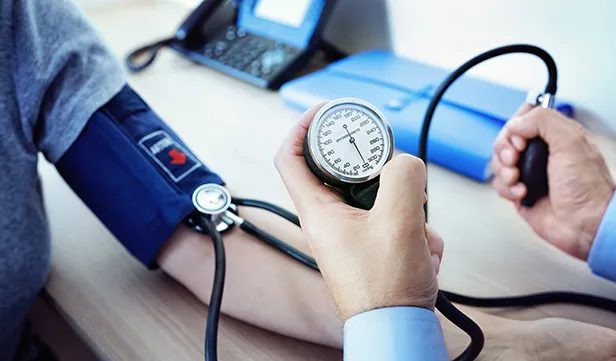
Meta-analyses combine randomized trials, but differences among participants, doses, and extracts can produce widely varying estimates.
A separate six-week randomized trial in 29 adults with hypertension tested 300 mg daily. It reported percentage changes of 5.6% in systolic pressure and 4.7% in diastolic pressure. That is interesting, but 29 people is too small a group to establish a treatment effect.
These reviews also overlap in the trials they included. They should not be treated as completely independent confirmations.
Why the Effect Size Matters
Blood pressure is measured in millimeters of mercury, written as mmHg. A result such as 6 mmHg may sound precise, but it is an average across a study population. Some participants may have had a larger change, others a smaller one, and some no meaningful change at all.
Even the meta-analyses produced different estimates. One found a systolic difference of about 1.5 mmHg, while another estimated roughly 6.1 mmHg. That gap reflects differences in study selection, participant health, extract dose, trial length, and statistical methods. It also shows why one headline number should not be presented as a guaranteed outcome.
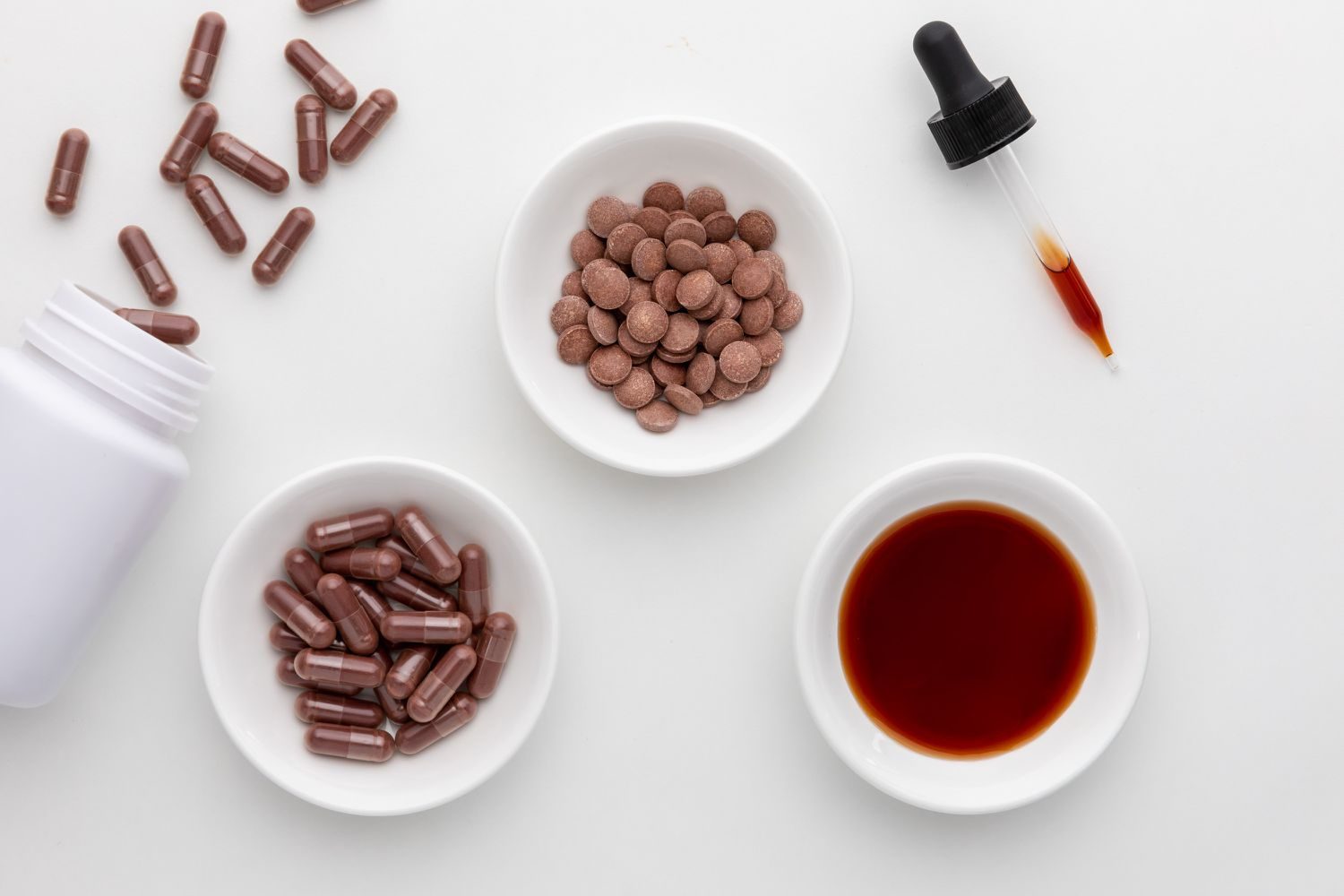
A blood pressure result is an average across participants, not a promise of the same response for every person.
A modest average blood pressure change can matter in public health research when it occurs across thousands or millions of people. For an individual with hypertension, however, it may be far too small or unreliable to bring readings into a safer range. Blood pressure also changes throughout the day based on stress, sleep, caffeine, exercise, meals, pain, and how the reading is taken.
This is why grape seed extract should not replace prescribed medication or delay a medical evaluation. Never reduce or stop blood pressure medication because you start a supplement or notice a lower home reading. Your doctor needs to look at repeated measurements, your health history, and your overall cardiovascular risk before changing treatment.
The practical takeaway is simple. Research signals can justify further study without making grape seed extract a proven hypertension therapy.
Who Showed the Clearest Response
The larger meta-analysis found that results appeared more pronounced in adults younger than 50, people with obesity, and participants with metabolic disorders. A metabolic disorder affects how the body processes energy and may involve elevated blood sugar, abnormal cholesterol, excess abdominal weight, or higher blood pressure.
Researchers also reported clearer changes in trials lasting 8 to 16 weeks and using about 100 to 800 mg per day. These are subgroup findings, which means researchers separated participants or trials into smaller categories after collecting the data. Subgroups can reveal useful patterns, but they are less certain than a result consistently seen across the full study population.

Some trial subgroups showed larger measured changes, although those findings remain less certain than consistent overall results.
There are several reasons to be cautious. Many individual trials were small. Extract formulations were not identical. Participants started with different blood pressure levels and health conditions. Diet, medication use, and activity were not handled the same way in every study. When these differences are pooled, an apparently strong response in one group can be influenced by only a few trials.
The findings also do not mean that being younger, having obesity, or having a metabolic condition makes grape seed extract an appropriate treatment. They only describe where the measured trial averages looked larger. If you have high blood pressure, obesity, diabetes, high cholesterol, or another existing condition, talk to your doctor before adding the supplement. Medical care should address the full pattern of risk rather than one isolated number.
Interactions and Cautions
Grape seed extract is often tolerated in short studies, but safe does not mean risk-free. Reported side effects have included headache, dizziness, nausea, stomach discomfort, dry mouth, and an itchy scalp. Supplement composition and strength also vary, so safety findings from one standardized extract may not apply to every product on the shelf.
The most relevant concern for blood pressure is an additive effect. If a concentrated extract produces a blood pressure change and you also take an antihypertensive drug, the combination could make your pressure fall more than intended. Antihypertensives are prescription medicines used to control high blood pressure. Possible warning signs of pressure that is too low include dizziness, faintness, unusual weakness, or blurred vision. Talk to your doctor before combining them, and never adjust your medication on your own.
Grape seed extract may also affect platelet activity or blood clotting. Combining it with anticoagulants or antiplatelet medicines could increase bleeding risk. These include prescription blood thinners and commonly used medicines such as aspirin when taken for medical reasons. Your doctor or pharmacist should review the full combination, including other supplements that may affect bleeding.
Research does not suggest that grape seed extract commonly raises blood pressure, but an unexpected reading can have many causes. Recheck it using proper technique and contact your clinician if readings remain unusually high or low.
Talk to your doctor before use if you are pregnant or breastfeeding, have a grape allergy, have kidney or liver disease, face an upcoming procedure, or live with another medical condition. Follow the product label rather than trying to recreate a research dose.
What Actually Controls Blood Pressure
If you have hypertension, the most useful next step is a plan built around repeated measurements and proven care. One reading is only a snapshot. Your doctor may ask you to check at home, sitting quietly with your back supported, feet flat, and arm resting near heart level. Using a validated upper-arm cuff and recording readings at similar times makes the pattern more useful.
Several daily habits can contribute to blood pressure control. These include eating more fruits, vegetables, beans, whole grains, and other minimally processed foods. Reducing excess sodium can also help, especially if much of your diet comes from packaged or restaurant food. Regular physical activity, adequate sleep, moderating alcohol, avoiding tobacco, and working toward a sustainable weight can all be part of the plan.
Regular monitoring, nutritious food, physical activity, sleep, and prescribed care form the foundation of blood pressure control.
Some people also need prescription medication, and many need more than one medicine. That is not a failure of lifestyle. Genetics, age, kidney function, sleep apnea, diabetes, and other factors can influence blood pressure. Medication helps address risk that daily habits alone may not control.
Supplements belong at the edge of this plan, not the center. If you want to try concentrated grape seed extract, bring the exact label to your doctor or pharmacist. Ask about interactions, whether the amount is reasonable, and how to monitor without overreacting to normal daily fluctuations. Consistency with medical care, medication, food, movement, and sleep matters more than searching for a quick fix.
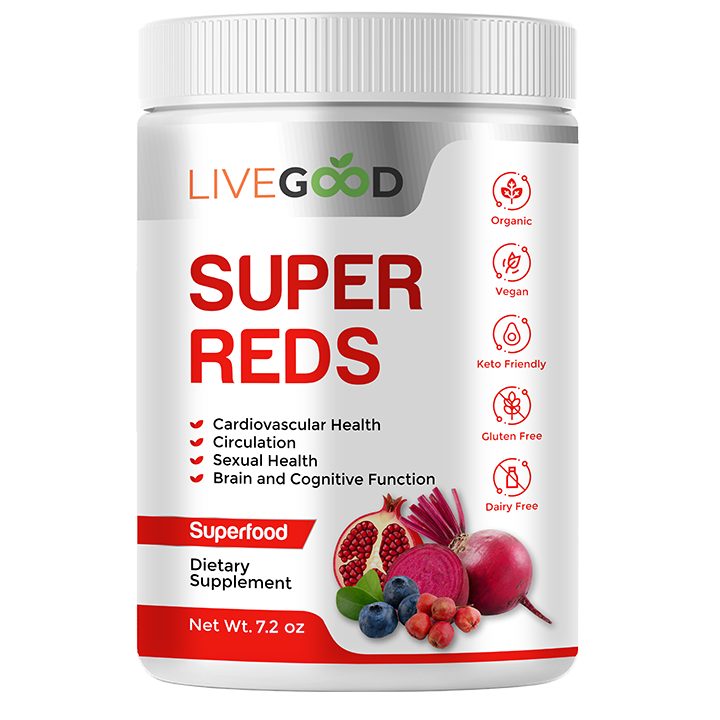
LiveGood Organic Super Reds is a great-tasting red fruit and vegetable extract powder that supports the body's nitric oxide production and healthy circulation. It contains grape seed among other ingredients, so it is not a concentrated grape seed extract supplement. Mix it with water or a smoothie as a pre-workout option or afternoon pick-me-up. It is $19.95 for members versus $34.95 retail, reflecting a membership model designed to make everyday wellness more accessible.
Frequently Asked Questions
Does grape seed extract lower blood pressure?
Randomized trials have measured small average blood pressure reductions with concentrated grape seed extract, but the results have not been consistent. Pooled estimates for systolic pressure range from about 1.5 to 6.1 mmHg. That research signal does not make the supplement a treatment for hypertension, and individual responses may differ substantially from the trial average.
How much grape seed extract was used in studies?
Studies have tested approximately 100 to 2,000 mg of grape seed extract per day, with some clearer pooled results appearing between 100 and 800 mg. These amounts describe research, not a recommended personal dose. Extracts may contain different concentrations of proanthocyanidins, so follow the label and ask your doctor before using one, especially if you take medication.
How long does it take to see an effect?
Trials reporting blood pressure changes commonly lasted about 6 to 16 weeks, although study lengths varied. There is no dependable timeline for an individual result, and some people may experience no meaningful change. Do not wait several weeks for a supplement to address high readings. Contact your doctor for persistent hypertension or seek urgent care for severe readings with concerning symptoms.
Can you take grape seed extract with blood pressure medication?
Possibly, but only after your doctor or pharmacist reviews the combination. Grape seed extract could add to the effects of antihypertensive medication, potentially causing pressure to fall too far. Watch for dizziness, weakness, fainting, or blurred vision. Never reduce, skip, or stop prescribed medicine to accommodate a supplement, even if your home readings appear lower.
Is grape seed extract safe?
Grape seed extract appears reasonably well tolerated during short-term studies, but side effects and interactions are possible. It may cause headache, nausea, dizziness, or stomach discomfort and may increase bleeding risk with anticoagulants or antiplatelet medicines. Talk to your doctor before use during pregnancy or breastfeeding, or if you have allergies, kidney or liver disease, or another medical condition.