
Grape Seed Extract and Kidney Health: The Evidence
 Written by Ben Glinsky

Grape seed extract contains antioxidant compounds, but there is not enough human evidence to say it benefits kidney health. Most research comes from cells and animals, while one small human pilot study is far too limited to guide treatment. Here is what the research means, what it does not prove, and why kidney patients need medical advice before using it.
Key Takeaways
- Human evidence is thin: One small pilot study reported promising changes, but it has not been confirmed in a large, rigorous clinical trial.
- Most research is preclinical: Cell and animal experiments cannot establish that grape seed extract produces the same kidney outcomes in people.
- Antioxidants are not treatments: Laboratory effects on oxidative stress do not prove that a supplement prevents, treats, or reverses kidney disease.
- Kidney patients need medical guidance: Reduced kidney function can change how the body handles supplements and their ingredients.
- Medication interactions matter: Grape seed extract may increase bleeding risk, particularly with anticoagulant or antiplatelet medication.
What Grape Seed Extract Contains
Grape seed extract is a concentrated ingredient made from the seeds of wine grapes. Its main researched compounds are polyphenols, a broad family of plant chemicals. A subgroup called proanthocyanidins receives much of the attention. Product labels may also call these compounds oligomeric proanthocyanidin complexes, or OPCs.
Proanthocyanidins can act as antioxidants in laboratory experiments. Antioxidants interact with unstable molecules known as free radicals. When free-radical activity overwhelms the body's defenses, researchers call the resulting imbalance oxidative stress. Oxidative stress is associated with many health conditions, including chronic kidney disease, but reducing a laboratory marker is not the same as changing the course of a disease.
Extracts vary considerably. The grape variety, extraction process, concentration, and percentage of proanthocyanidins can all differ. A study using one standardized extract therefore may not apply to every capsule or powder sold under the same general name.

Grape seed extract is a concentrated source of plant compounds and is not equivalent to grape juice or grape seed oil.
Grape seed extract is also different from grape juice, whole grapes, and grape seed oil. Juice contains water, natural sugar, potassium, and other fruit compounds, but it is not a concentrated source of seed proanthocyanidins. Grape seed oil consists mainly of fat and contains much lower levels of the polyphenols found in an extract. If you have kidney disease, whether juice fits your diet depends on your potassium, blood sugar, and fluid needs. A renal dietitian can advise you based on your laboratory results.
What the Kidney Research Actually Is
Most kidney-related research on grape seed compounds has been performed in cells or animals. These experiments often create oxidative stress or kidney injury, give an extract, and then measure chemical signals, tissue appearance, or blood markers. Some have reported favorable changes. Those findings help researchers form hypotheses, but they do not show that the extract treats kidney disease in people.
Human evidence is largely centered on a small 2016 pilot study involving 33 people with chronic kidney disease. Twenty-three participants received grape seed extract capsules, while 10 received a placebo for six months. The researchers reported changes in estimated glomerular filtration rate, urine protein, and several markers related to oxidation and antioxidant activity. Estimated glomerular filtration rate, usually shortened to eGFR, is a calculation used to estimate how well the kidneys filter blood.

The limited human research on grape seed extract and kidney outcomes has not been confirmed by large clinical trials.
The published pilot study is worth discussing, but it cannot carry the weight often placed on it online. The groups were very small and uneven in size. The study lasted only six months, and the findings have not been established through large, independent trials. A result can also appear more dramatic in a small study because chance and differences between participants have a greater influence.
Researchers used 2 grams daily in that experiment, but that does not make 2 grams a proven or appropriate dose. It should not be copied without medical supervision, especially by someone with reduced kidney function. Honest, evidence-grounded education requires a clear conclusion: grape seed extract is not an accepted kidney treatment, and current research does not establish a kidney benefit.
Why Animal Studies Do Not Transfer
Animal and cell research is an early step, not a clinical recommendation. Scientists can tightly control an animal's diet, genetics, environment, and exposure to an extract. Human lives are more complicated. People have different diagnoses, medications, diets, ages, kidney function, and reasons for taking supplements.
Doses are another challenge. An animal study may use an amount calculated by body weight that does not match a typical human serving. Researchers may also administer the compound differently, such as placing it directly into the stomach. The animal's body can absorb, transform, and remove the compounds differently from a human body.

Animal and cell studies can identify research questions, but they cannot establish kidney benefits in people.
Laboratory studies commonly measure oxidative stress markers. A marker is a measurable sign that a biological process may be happening. A favorable change in one marker does not necessarily lead to fewer symptoms, slower disease progression, less need for dialysis, or a longer life. Those real-world outcomes must be tested directly in well-designed human trials.
Kidney injury models can also be very specific. Researchers may use diabetes, a toxin, reduced blood flow, or a high-fat diet to create injury in an animal. That model does not fully reproduce chronic kidney disease in a person. It certainly does not show that grape seed extract can offset an unhealthy diet or replace treatment for diabetes or high blood pressure.
This is why phrases such as kidney-protective can be misleading when removed from the laboratory context. The responsible interpretation is narrower: early experiments give scientists reasons to study grape seed compounds further. They do not provide a reason to self-treat a kidney condition.
Why Kidney Patients Must Ask First
If you have chronic kidney disease, kidney stones, a kidney transplant, a single kidney, abnormal kidney tests, or any other kidney condition, do not add grape seed extract without speaking with your doctor or nephrologist. A nephrologist is a doctor who specializes in kidney care.
Healthy kidneys help remove many waste products and drug byproducts from the blood. When kidney function declines, the body may handle certain compounds differently. That can allow an ingredient or one of its breakdown products to remain in circulation longer. There is not enough pharmacokinetic research, meaning research on how the body absorbs and clears a substance, to predict grape seed extract use confidently across different stages of kidney disease.

People with reduced kidney function should have every supplement and medication combination reviewed by their healthcare team.
The supplement itself is not the only concern. Products may contain additional herbs, vitamins, minerals, sweeteners, or proprietary blends. Some combination products can provide potassium, phosphorus, or other ingredients that must be limited for certain kidney patients. Manufacturing quality also varies, creating possible concerns about inaccurate amounts or contamination.
Grape seed extract may affect blood clotting and could increase bleeding risk when combined with anticoagulants or antiplatelet drugs. These include medications prescribed to prevent or manage blood clots. The concern may also apply before surgery, a biopsy, dental work, or procedures involving dialysis access. Do not stop a prescribed medication to make room for a supplement.
Pregnancy and breastfeeding safety data are also inadequate. Anyone who is pregnant, breastfeeding, preparing for a medical procedure, or taking prescription medication should ask a clinician first. With kidney disease, an uneventful six-month pilot study does not establish long-term safety. Your nephrologist or pharmacist should review the exact product before you take it.
Questions for Your Doctor
Bring the bottle, label, or a clear photo of the Supplement Facts panel to your appointment. The phrase grape seed extract is not specific enough because concentrations and added ingredients differ. Your clinician needs the full ingredient list, serving size, and brand to assess it properly.
Useful questions include:
- Is there a clear reason for me to take this supplement?
- Could it interfere with my kidney treatment or laboratory monitoring?
- Does my current eGFR change the safety concern?
- Could any ingredient affect my potassium, phosphorus, blood sugar, or fluid plan?
- Does it interact with my anticoagulant, antiplatelet drug, or other medication?
- Should it be stopped before surgery, a biopsy, dental work, or another procedure?
- How would we recognize a side effect or interaction?
- Is there a safer way to address the goal I have in mind?
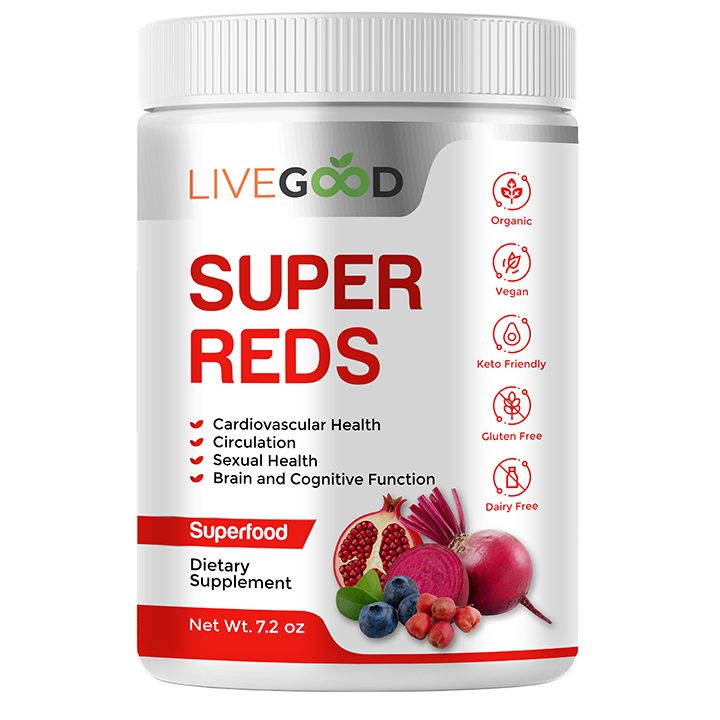
Bring the complete supplement label to your doctor or pharmacist so they can evaluate its ingredients and possible interactions.
Also tell your doctor why you are considering grape seed extract. If you are worried about a rising creatinine level, swelling, foamy urine, changes in urination, or fatigue, a supplement is not the place to start. Creatinine is a waste product used to help estimate kidney filtration. Changes can have several causes and require proper evaluation.
There is no proven natural product that heals damaged kidneys. The most useful steps depend on the cause and stage of the condition. They may include managing blood pressure or blood sugar, reviewing medications, adjusting sodium or other nutrients, and completing scheduled blood and urine tests. Supplements support routines in some situations, but they do not replace diagnosis or medical care. Before buying grape seed extract, ask your doctor, nephrologist, or pharmacist to review it.
Frequently Asked Questions
Is grape seed extract good for your kidneys?
There is not enough human evidence to call grape seed extract good for the kidneys. One small pilot study reported changes in filtration and urine protein measures, but larger independent trials have not confirmed those results. Most other findings come from animal or cell experiments. If you have reduced kidney function or another kidney condition, ask your nephrologist before taking it.
Can grape seed extract damage kidneys?
Grape seed extract has not been proven safe for every person with kidney disease. Evidence of direct kidney toxicity is limited, but reduced kidney function can alter how supplements and their breakdown products are handled. Added ingredients, contamination, and medication interactions create additional concerns. Do not use it for a kidney condition unless your doctor or nephrologist has reviewed the exact product.
What is grape seed extract used for?
Grape seed extract is commonly marketed for antioxidant and circulation support. Researchers have studied its proanthocyanidins in relation to oxidative stress, blood vessel function, and several other health measures, but the strength of evidence varies by outcome. It is not an established treatment for kidney disease. Its concentrated composition also makes it different from grapes, grape juice, and grape seed oil.
Can you take supplements with kidney disease?
Some supplements can be used with kidney disease, but each one should be cleared by your healthcare team first. Reduced filtration may change how ingredients are removed, while potassium, phosphorus, vitamins, or herbs can conflict with treatment. Bring the complete label to your nephrologist or renal pharmacist. Do not assume that natural means kidney-safe, and do not replace prescribed care with a supplement.
Does grape seed extract interact with medication?
Yes, grape seed extract may interact with medication, particularly drugs that reduce blood clotting. Combining it with anticoagulant or antiplatelet medicines may increase bleeding risk. It may also be unsuitable around surgery, biopsies, dental work, or dialysis-access procedures. Give your doctor or pharmacist a complete list of your prescriptions, over-the-counter medicines, and supplements before using it.