
Greens Powder and Blood Sugar: What to Know
 Written by Nauder Khazan
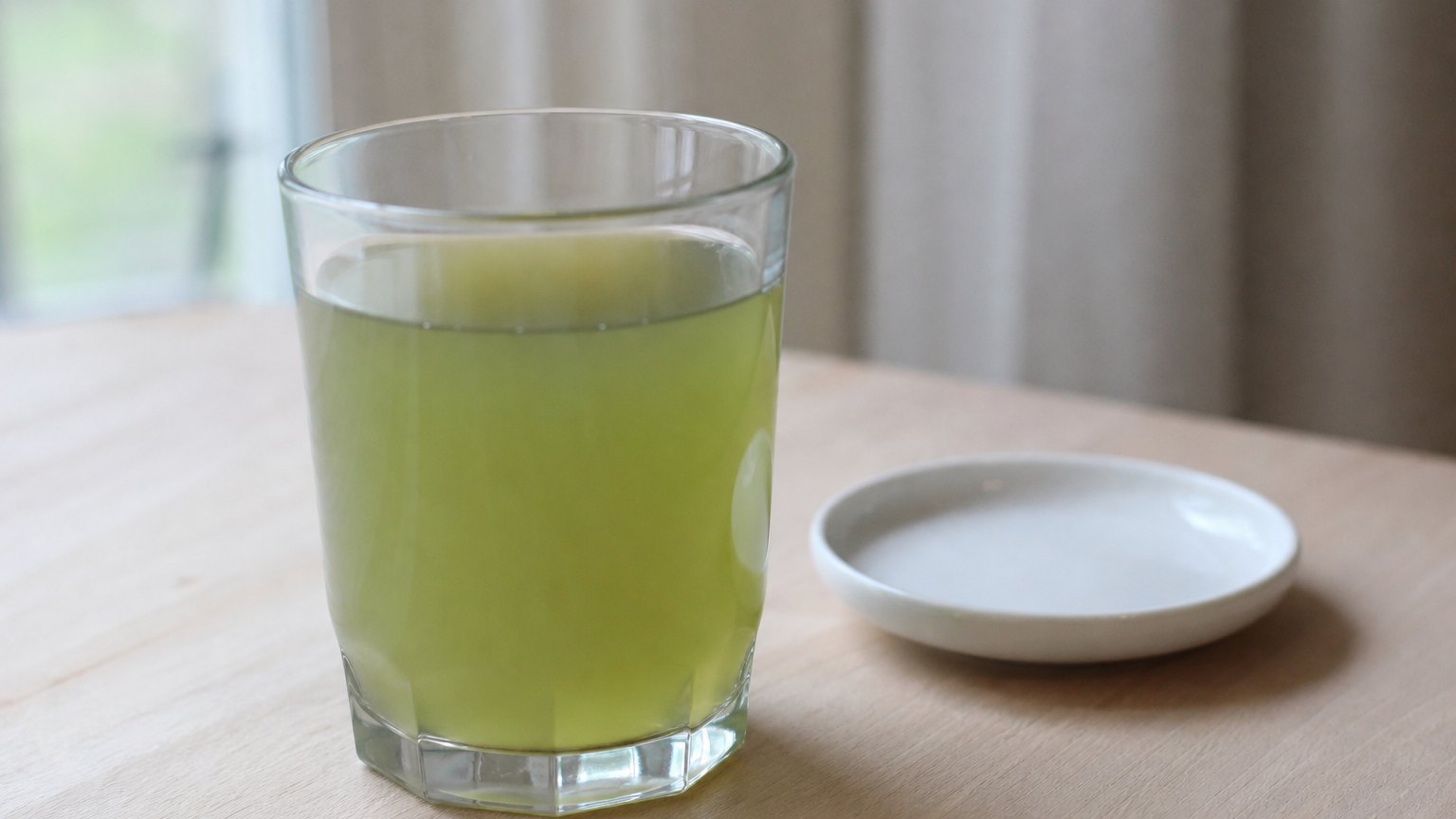
A low sugar greens powder can fit some eating plans, but "low sugar" does not mean carbohydrate-free or appropriate for everyone with diabetes. Check the full nutrition label, review every ingredient, and ask your doctor or diabetes educator whether the product fits your treatment plan.
Key Takeaways
- Read total carbohydrate first: Added sugar is only one part of the carbohydrate picture. Fiber, fruit powders, starches, and other ingredients can also affect the total.
- Check the serving size: Nutrition numbers apply to the labeled serving, which may be smaller than the scoop or amount you actually use.
- Look beyond sweet taste: Maltodextrin, fruit powders, and powdered juice concentrates can add carbohydrates even when a product does not taste sugary.
- Review active ingredients carefully: Chromium, bitter melon, cinnamon, and berberine may affect blood glucose and interact with diabetes treatment.
- Keep your care team involved: A doctor, pharmacist, or diabetes educator should review the complete label before you add a greens powder.
Why People With Diabetes Ask About Greens Powders
Managing diabetes often means paying close attention to carbohydrates, meal timing, medication, and blood glucose readings. Adding a powder with a long ingredient list can make that routine harder to predict. A product may be advertised as low sugar while still containing carbohydrates or plant extracts that affect glucose.
Greens powders usually combine dried vegetables, grasses, algae, herbs, fruit, fiber, vitamins, minerals, or digestive ingredients. There is no standard formula. One powder might contain little more than powdered spinach and wheatgrass. Another may include sweeteners, fruit concentrates, starch-based carriers, and dozens of herbal extracts.
This variation matters because diabetes treatment is individualized. Two people can use the same medication but have different glucose targets, meal plans, kidney function, or responses to dietary changes. A label claim such as "sugar-free" cannot account for those differences.
Evidence for greens powders as a category is also limited. Research on one isolated ingredient does not prove that a multi-ingredient powder will produce the same effect. The amount in the powder may be different, and the ingredients may interact. Honest, evidence-grounded education means being clear about what research does not establish. A greens powder should not be viewed as a way to treat diabetes or replace prescribed care.
Before trying one, show the Nutrition Facts or Supplement Facts panel and complete ingredient list to your doctor or diabetes educator. Ask how the serving fits your carbohydrate plan and whether any ingredient conflicts with your medication.
Reading Carbohydrate and Added Sugar on the Label
Start with the serving size. Every number on the label applies to that amount. If the serving is one scoop but you use two, you are getting twice the listed carbohydrate, sugar, and active ingredients. Some scoops also settle or pack differently, so follow the label rather than estimating.
Next, find total carbohydrate. This is the most useful starting number for understanding how the powder fits into a carbohydrate-counting plan. Total carbohydrate includes sugars, starches, and dietary fiber. If a product lists 4 grams of total carbohydrate and 0 grams of added sugar, it is not carbohydrate-free.
Then read these related lines:
- Total sugars covers naturally occurring and added sugars in the serving.
- Added sugars are sugars added during processing, such as cane sugar, syrups, or some juice concentrates.
- Dietary fiber is included within total carbohydrate.
- Sugar alcohols may appear in some sweetened products and can still cause digestive symptoms or affect glucose differently from person to person.
Be cautious with front-label phrases. "No added sugar" means no sugar was added as defined for labeling. It does not mean no naturally occurring sugar. "Sugar-free" generally refers to a very small amount of sugar per serving, not necessarily zero total carbohydrate. "Net carbs" is a marketing calculation rather than the main standardized carbohydrate line on the nutrition panel.
Your doctor or diabetes educator can tell you whether to count total carbohydrate differently based on your treatment plan. Do not change medication or insulin based on a new supplement label without your prescriber's guidance.
Fruit Powders and Hidden Carbohydrate
Fruit on an ingredient list may sound automatically harmless, but powdered fruit is more concentrated than fresh fruit. Much of the water has been removed. Depending on the type and amount used, fruit powder can contribute naturally occurring sugar and total carbohydrate to a serving.
Watch for ingredients such as apple powder, banana powder, berry powder, beet powder, coconut water powder, and powdered fruit juice. These are not necessarily added sugars. However, their carbohydrates should still be reflected in the total carbohydrate line when present in meaningful amounts.
Juice concentrates deserve a closer look. Some may count as added sugar depending on how they are used in the formula. The added sugars line on the label helps clarify this, but total carbohydrate remains important. A powder can contain 0 grams of added sugar and still provide carbohydrates from fruit or vegetables.
Maltodextrin is another ingredient to notice. It is a rapidly digested carbohydrate made from starch. Manufacturers may use it as a carrier, bulking ingredient, or processing aid for flavors and extracts. It may not appear as "sugar" in the ingredient list, but it can raise the product's carbohydrate content.
Also consider what you mix with the powder. Water does not add carbohydrate, but juice, sweetened plant milk, regular milk, yogurt, and smoothie fruit can change the drink's total. Count the finished drink, not just the scoop.
Bring the powder label and your planned mix-ins to your diabetes educator or registered dietitian. They can help you calculate the full serving within the approach already recommended for you.
Ingredients That Interact With Diabetes Medication
Carbohydrates are not the only concern. Some greens powders include concentrated herbs, minerals, or extracts marketed for metabolic wellness. These ingredients may affect blood glucose, which can become risky when combined with insulin or other glucose-lowering medication.
Ingredients that deserve specific attention include:
- Chromium, a mineral included in some blood sugar or metabolism blends
- Bitter melon, a fruit extract used in some traditional health products
- Cinnamon, especially concentrated extracts rather than ordinary culinary amounts
- Berberine, a plant compound found in some multi-ingredient formulas
These ingredients can affect glucose, but that does not make a greens powder a diabetes treatment. Evidence varies by ingredient, preparation, amount, and study population. A proprietary blend can make the situation harder to assess because it may list a combined blend weight without showing how much of each ingredient is present.
Combining several glucose-active ingredients with prescribed treatment may increase the risk of hypoglycemia, which means blood glucose that is too low. Possible warning signs include shakiness, sweating, confusion, dizziness, weakness, or a fast heartbeat. Follow the low-glucose action plan given to you by your medical team. Seek urgent medical help when symptoms are severe or do not improve as your plan says they should.
A change in supplements or diet may require a medication adjustment, but only your doctor can make that decision. Give your pharmacist or prescriber the exact brand label, serving size, and ingredient amounts before use. Never reduce, delay, or stop diabetes medication to make room for a supplement.
Why Whole Vegetables Still Come First
Greens powders are not nutritionally identical to whole vegetables. Drying and processing can change some nutrients, and many powders provide less fiber than a serving of intact vegetables. They also lack the water, volume, and texture that make whole foods filling and useful in regular meals.
Whole vegetables give you a varied food structure. Chewing, digestion, fiber, and water all influence how a meal is experienced by your body. A bowl of leafy greens, broccoli, peppers, or green beans also makes it easier to see the portion you are eating. A small scoop of powder is more concentrated and may contain ingredients that are difficult to evaluate by sight.
Variety matters too. Different vegetables provide different vitamins, minerals, fibers, and plant compounds. Relying on one blend every day can narrow that variety, especially if the amounts of individual vegetables are hidden inside a proprietary formula.
A powder may offer convenience when travel, appetite, access, or food preparation makes vegetables difficult. Convenience, however, is not evidence that the powder can replace vegetables or prescribed nutrition therapy. Consistency with an individualized eating plan matters more than searching for a quick fix.
If you want to use a greens powder alongside meals, ask your diabetes educator where it fits. They can help you decide whether it adds useful nutrition, duplicates other supplements, or adds carbohydrates that need to be counted. People with kidney or liver conditions should also talk to their doctor, since some minerals and concentrated plant ingredients may not be appropriate.
What to Bring to Your Doctor
A quick verbal description such as "it is a low sugar greens powder" is not enough for a useful safety review. Bring the container, clear photos of every label panel, or a printable label from the manufacturer. Formulas can change, so make sure the information matches the product you plan to use.
Include these details:
- The serving size and number of servings you expect to take
- Total carbohydrate, dietary fiber, total sugars, and added sugars
- The full ingredient list, including ingredients listed under flavors or blends
- The amount of each vitamin, mineral, herb, and extract when disclosed
- Directions for use and the drink or food you plan to mix it with
- All prescription medicines, nonprescription medicines, and other supplements you use
- Recent episodes of low or unexpectedly high blood glucose
- Any kidney, liver, digestive, or other diagnosed condition
Ask direct questions. Does the product contain anything that may interact with your medication? How should its carbohydrates fit into your current meal plan? Does it duplicate nutrients from a multivitamin or another powder? Are any ingredient amounts too high for your health history?
If the label uses a proprietary blend, your care team may not have enough information to assess individual ingredient amounts. Choosing not to use an unclear formula can be a reasonable safety decision.
Your doctor may decide that closer glucose monitoring or a medication change is needed after a diet or supplement change. Only the clinician managing your treatment should make that adjustment. A pharmacist can also check interactions, while a diabetes educator can help place the full drink into your existing carbohydrate plan.
Frequently Asked Questions
Are greens powders safe for people with diabetes?
Some greens powders may be appropriate for some people with diabetes, but safety depends on the formula, medications, and individual health needs. Low sugar labeling alone is not enough. Concentrated herbs, minerals, or carbohydrates may create concerns. Ask your doctor, pharmacist, or diabetes educator to review the exact product and serving before you use it.
Do greens powders raise blood sugar?
A greens powder may affect blood glucose depending on its total carbohydrates, ingredients, serving size, and what you mix with it. Fruit powders, juice concentrates, and maltodextrin can add carbohydrates. Some herbal extracts may also influence glucose. Review the complete label and discuss any change with your diabetes care team rather than predicting the response from taste or marketing claims.
How many carbs are in a greens powder?
Carbohydrate content varies widely, so use the total carbohydrate listed for one serving on the product's label. Do not rely only on total sugar or added sugar. If you use more than one serving or mix the powder with milk, juice, yogurt, or fruit, include those carbohydrates too. A diabetes educator can help calculate the complete drink.
Can greens powders interact with diabetes medication?
Yes, certain greens powder ingredients may interact with diabetes medication or add to its glucose-related effects. Chromium, bitter melon, cinnamon extracts, and berberine require particular caution. Combining them with insulin or other glucose-lowering drugs may increase hypoglycemia risk. Have a doctor or pharmacist review the entire formula, and never adjust prescribed medication yourself.
What should you check on the label?
Check serving size, total carbohydrate, fiber, total sugars, added sugars, and the complete ingredient list. Look for fruit powders, juice concentrates, maltodextrin, chromium, bitter melon, cinnamon, and berberine. Note whether a proprietary blend hides individual amounts. Take the current label to your doctor, pharmacist, or diabetes educator before adding the powder to your routine.