
Greens Powder and Pregnancy: Safety Questions to Ask First
 Written by Ben Glinsky
No greens powder can automatically be considered safe during pregnancy. These products are rarely tested in pregnant people, may contain cautioned herbs or caffeine, and are not verified for potency like prescription drugs. Before using one, bring the full label to your OB or midwife and ask the questions below.
Key Takeaways
- Do not assume pregnancy safety: A natural label or vegetable-based ingredient list is not proof that a greens powder is safe during pregnancy.
- Check every active ingredient: Adaptogens, herbal extracts, added caffeine, and preformed vitamin A deserve particular attention.
- Look beyond the ingredient list: Potency, contamination testing, serving size, and proprietary blends also matter.
- Keep your prenatal separate: A greens powder does not replace a prenatal vitamin selected with your maternity care team.
- Ask your clinician first: Show your OB or midwife the complete label before taking a new powder or continuing one you already use.
Why 'Pregnancy-Safe Greens Powder' Is a Problem Phrase
There is no universal category of pregnancy-safe greens powders. Most formulas have not been tested as complete products in pregnant people. Research on spinach, kale, or an individual vitamin does not establish the safety of a concentrated powder containing dozens of other ingredients.
Pregnant people are also usually excluded from supplement trials for ethical and practical reasons. That leaves major gaps around dose, interactions, contaminants, and effects at different stages of pregnancy. A manufacturer may describe individual ingredients as nutritious, but that is not the same as demonstrating that the entire formula is appropriate during pregnancy.
The word "greens" can make a product sound similar to vegetables. In practice, many powders contain much more than dried leafy greens. A single scoop may combine algae, mushrooms, herbal extracts, digestive enzymes, probiotics, sweeteners, vitamins, minerals, and stimulants. Concentrated extracts can provide amounts you would not normally get from food.
Whole vegetables and concentrated supplements should therefore be evaluated differently. Leafy greens can be part of a balanced pregnancy diet when properly washed and prepared. A multi-ingredient powder requires a product-specific review by your OB or midwife before use.

A greens powder can contain far more than vegetables, so pregnancy safety depends on the complete formula.
Be cautious with broad claims such as "doctor formulated," "clean," or "all natural." These terms do not answer the central safety questions: What is in each serving, how much is present, and has the finished batch been independently tested?
Ingredients Commonly Cautioned in Pregnancy
Ask your OB or midwife to review every ingredient before you take a greens powder. Do not rely only on the front label. The Supplement Facts panel and the smaller "other ingredients" list provide more useful information.
Common reasons for concern include:
| Ingredient type | Why it needs review |
|---|---|
| Adaptogens | Herbs such as ashwagandha are often marketed for helping the body respond to stress, but pregnancy safety data are limited and some are specifically discouraged. |
| Herbal extracts | Ginseng, licorice root, aloe latex, and other concentrated botanicals may have pregnancy cautions, medication interactions, or unclear doses. |
| Green tea or matcha | These can contribute caffeine. Extracts may be more concentrated than a brewed cup, and total daily caffeine from all sources matters. |
| Algae ingredients | Spirulina and chlorella may vary in quality and can be affected by contamination if sourcing and testing are weak. |
| Proprietary blends | A blend may list its total weight without showing the amount of each ingredient, making clinical review difficult. |

Review herbs, extracts, caffeine sources, and hidden blend amounts with your OB or midwife.
Medicinal mushrooms, digestive enzymes, probiotics, and uncommon plant compounds also deserve review. Limited evidence does not automatically mean an ingredient is harmful, but it does mean safety cannot be confidently assumed during pregnancy.
Watch for duplicate nutrients too. A powder may add iron, iodine, folate, vitamin K, or fat-soluble vitamins on top of your prenatal vitamin and other supplements. "More" is not always helpful.
Do not stop a prescribed supplement or medication because a greens powder contains a similar ingredient. Bring your complete routine to your OB, midwife, or pharmacist first. They can identify duplication, possible interactions, and ingredients that should be avoided.
Vitamin A and Why the Form Matters
Vitamin A supports normal vision, immune function, and fetal development, but the form and total amount matter during pregnancy. Excess intake of preformed vitamin A has been linked with serious fetal harm, which is why labels deserve close attention.
Preformed vitamin A may appear as retinol, retinyl acetate, or retinyl palmitate. This is different from beta-carotene, a plant pigment that the body can convert into vitamin A as needed. Beta-carotene from foods does not carry the same concern as high supplemental amounts of preformed vitamin A. Still, your clinician should review concentrated supplements rather than relying on that distinction alone.
A greens powder can complicate the calculation. Its vitamin A may come from added nutrients, plant ingredients, or both. The label may report a total amount without making the sources immediately obvious. You may also be getting vitamin A from a prenatal vitamin, fortified foods, separate supplements, and foods such as liver.
Check the label for these details:
- The listed vitamin A amount per serving
- Whether the source is beta-carotene, retinol, or a retinyl compound
- The number of servings you actually use
- Vitamin A in your prenatal and other supplements
- Any liver-based supplements or frequent liver intake
Do not try to set your own pregnancy dose by comparing percentages on several labels. Ask your OB, midwife, or pharmacist to review the combined total and the forms involved before you begin or continue the powder.
Heavy Metals and Unregulated Potency
Dietary supplements are regulated differently from prescription drugs. Manufacturers are responsible for product safety and accurate labels, but supplements generally do not go through drug-style premarket approval. The government does not routinely verify the potency and purity of every greens powder before it reaches a store.
That matters because plant materials can take up lead, cadmium, arsenic, and other elements from soil and water. These are often called heavy metals. Algae and other water-grown ingredients may also be affected by their growing environment. Processing can concentrate the starting material, including unwanted contaminants.
Finished-product laboratory testing can provide useful information about potency and possible contaminants.
A label cannot show whether a specific batch met sensible contaminant limits. If you are considering a powder, ask the manufacturer for a recent certificate of analysis for the finished product. This laboratory document should identify the product and batch, not just provide general test results for one raw ingredient. Independent certification may offer added quality information, but it still does not establish pregnancy safety.
Potency can vary too. The amount in the container may not perfectly match the label, and proprietary blends can hide individual doses. Even an accurately manufactured powder may be inappropriate if it duplicates your prenatal or contains an herb your clinician advises against.
Marketing terms such as organic, non-GMO, vegan, or superfood do not answer these questions. They may describe certain product qualities, but they do not prove that a formula is free from heavy metals or suitable for pregnancy.
Honest, evidence-grounded supplement education includes saying what quality tests can and cannot establish. Testing can reduce uncertainty about identity, potency, and contamination. It cannot replace a pregnancy-specific review by your OB, midwife, or pharmacist.
Prenatal Vitamins Are the Studied Product
A prenatal vitamin and a greens powder serve different purposes. Prenatal vitamins are formulated around nutrients that become especially important before and during pregnancy. Greens powders are broader wellness products, often with variable combinations of foods, herbs, extracts, and added nutrients.
That does not mean every prenatal is right for every person. Formulas differ, and needs can change based on diet, laboratory results, medical history, medications, nausea, and the stage of pregnancy. Your OB or midwife can help you choose a prenatal and decide whether you need any separate nutrients.
Prenatal care guidance commonly focuses on nutrients such as folic acid, iron, iodine, vitamin D, and sometimes choline or DHA. A greens powder may contain some of them, but often in unpredictable or incomplete amounts. It may also include ingredients that have no established role in prenatal nutrition.
Food-based folate is valuable, but it is not a reason to replace clinician-recommended folic acid with a powdered blend. Likewise, a small amount of iron in a greens powder does not establish that it meets your needs. Mineral absorption can vary, and taking extra iron without guidance may cause side effects or create unnecessary duplication.
If nausea makes your prenatal difficult to tolerate, tell your maternity care team rather than substituting a greens drink. They may suggest a different formulation, schedule, or medically appropriate plan. Do not make that change on your own.
A powder also cannot replace vegetables, fruit, protein foods, whole grains, or other parts of a varied diet. Supplements may support a routine, but they do not recreate the full nutrition of food. Your OB, midwife, or pharmacist should be the first stop for any prenatal supplement decision.
What to Bring to Your OB Appointment
Bring the actual greens powder container to your appointment if possible. If that is inconvenient, take clear photographs of the front label, Supplement Facts panel, ingredient list, warning statements, lot number, and serving directions. A product name alone may not be enough because formulas can change.
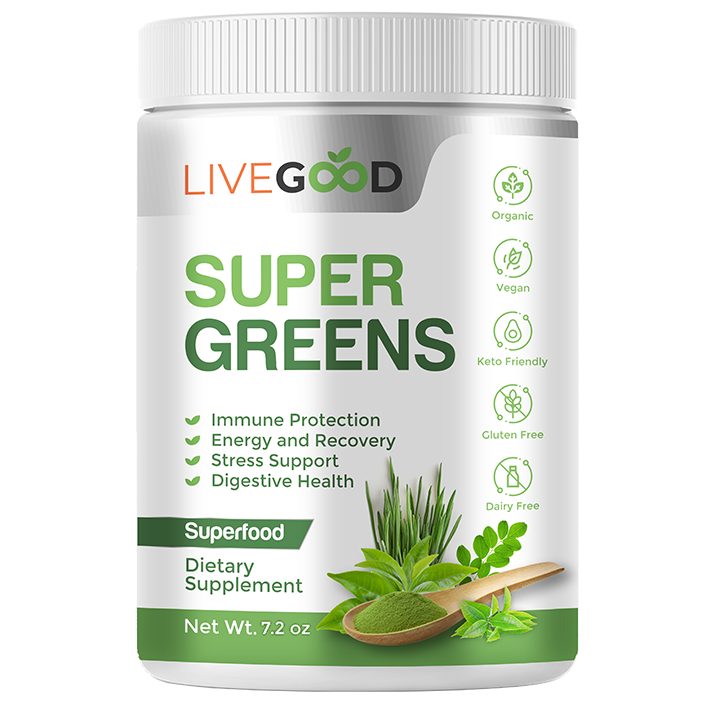
Bring the container or clear label photos so your maternity care team can review the exact product.
Also make a list of everything else you take. Include your prenatal vitamin, individual vitamins or minerals, herbal products, protein powders, energy drinks, teas, over-the-counter medicines, and prescription medications. Write down how often you use each one. This helps your clinician see the combined intake rather than evaluating one scoop in isolation.
Ask these practical questions:
- Is every ingredient appropriate for my stage of pregnancy and health history?
- Does this powder duplicate anything in my prenatal vitamin?
- Does it contain preformed vitamin A, caffeine, or a cautioned herb?
- Could any ingredient interact with my prescriptions or medical conditions?
- Are all individual ingredient amounts disclosed?
- Is finished-product testing available for heavy metals and microbes?
- Would food provide a safer or more useful way to meet the goal I have in mind?
Tell your clinician what you want the powder to do. You may be trying to manage food aversions, improve diet variety, replace vegetables, or simplify breakfast. The safest next step may be different for each goal.
If you were already taking the product when you learned you were pregnant, do not panic. Stop and contact your OB or midwife for individualized advice, especially if the formula includes herbal extracts, high amounts of preformed vitamin A, or caffeine. Have the label ready. A pharmacist can also help check ingredients and medication interactions, but your maternity care team should guide the pregnancy decision.
Frequently Asked Questions
Are greens powders safe during pregnancy?
No greens powder should be assumed safe during pregnancy without a product-specific review. Most complete formulas have not been tested in pregnant people, and they may contain concentrated herbs, caffeine, excess nutrients, or contaminants. Show the full label to your OB or midwife before taking one, even if the product is marketed as natural, clean, or food-based.
Which greens powder ingredients are cautioned in pregnancy?
Ingredients that commonly require caution include preformed vitamin A, ashwagandha and other adaptogens, concentrated herbal extracts, and caffeine from green tea or matcha. Proprietary blends are also difficult to assess because individual amounts may be hidden. Ask your OB, midwife, or pharmacist to review the complete formula and your other supplements first.
Can greens powder replace a prenatal vitamin?
No, a greens powder should not replace a prenatal vitamin recommended by your maternity care team. Prenatals are designed around established pregnancy nutrient needs, while greens formulas vary widely and may provide too little, too much, or none of key nutrients. If your prenatal causes nausea or other problems, ask your clinician about suitable alternatives rather than making a substitution yourself.
Is too much vitamin A a risk in pregnancy?
Yes, excessive preformed vitamin A can be harmful during pregnancy. Check for retinol, retinyl acetate, and retinyl palmitate on supplement labels, then consider all sources, including your prenatal. Beta-carotene is handled differently by the body, but concentrated products still need review. Your OB or pharmacist can assess the form and combined amount before use.
What should you ask your doctor before taking a supplement?
Ask whether every ingredient is appropriate for your pregnancy, whether the supplement duplicates your prenatal, and whether it can interact with medications or health conditions. Also ask about caffeine, vitamin A, disclosed ingredient amounts, and finished-product contaminant testing. Bring the container or clear label photos so your OB or midwife can evaluate the exact formula rather than its marketing claims.