
High-Antioxidant Fruits and What They Actually Do
 Written by Nauder Khazan
Ask AI about this article and Organic Super Reds





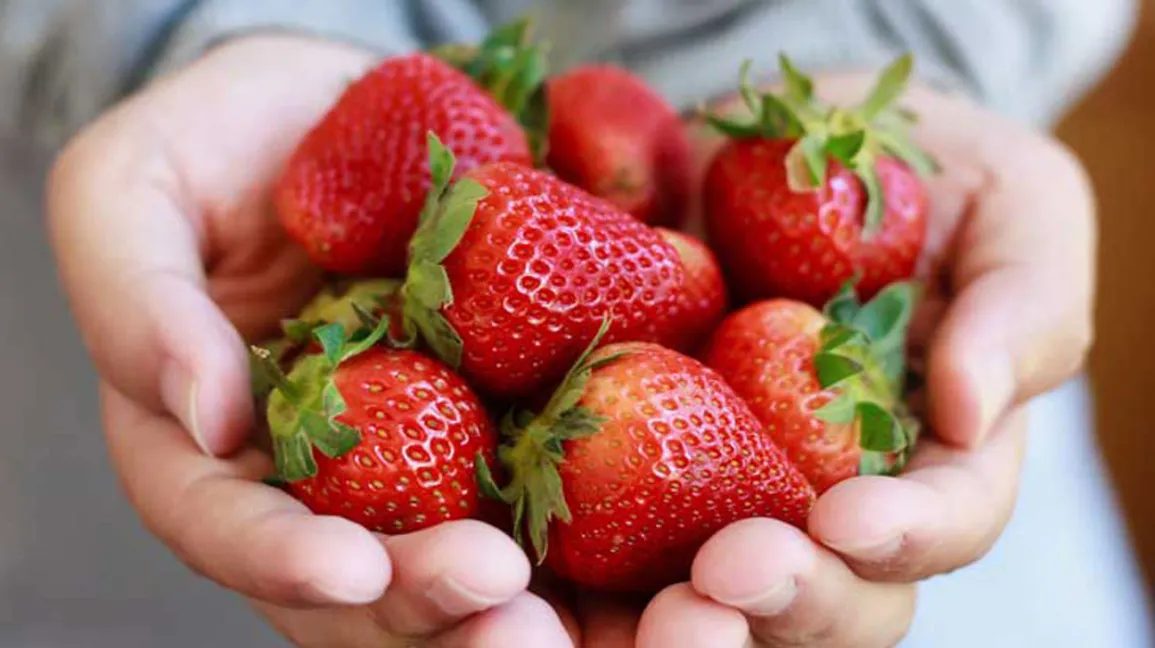
Fruits high in antioxidants include berries, guava, kiwi, citrus, papaya, and pomegranate. But there is no scientifically meaningful "most antioxidant" fruit, because laboratory scores do not predict what happens in your body. Here is how to choose fruit based on useful nutrients, especially vitamin C, rather than misleading rankings.
Key Takeaways
- Skip antioxidant rankings: ORAC and similar laboratory scores do not show how much benefit a food provides inside your body.
- Choose vitamin C-rich fruit: Guava, kiwi, strawberries, papaya, and citrus are practical sources of this essential nutrient.
- Eat colorful variety: Berries, cherries, grapes, and pomegranate provide different plant compounds, including anthocyanins.
- Keep immune claims realistic: Vitamin C supports normal immune function, but getting extra beyond an adequate intake does not keep increasing it.
- Use the form that works: Fresh and frozen fruit are nutritionally comparable, while powders and supplements offer convenience without replacing whole fruit.
Why Antioxidant Scores Mislead
Antioxidants are substances that can help manage free radicals. Free radicals are reactive molecules produced during normal metabolism and in response to factors such as smoke, air pollution, and ultraviolet light. Your body uses some free radicals for normal signaling and immune activity. Problems can arise when their production exceeds the body's ability to manage them, a state called oxidative stress.
That explanation is useful. Turning it into a leaderboard of fruits is not.
Many lists of the "top 10 antioxidant fruits" rely on tests performed in a test tube. A laboratory can expose a food extract to a particular free radical and measure how well it neutralizes that chemical. This describes what happened under those test conditions. It does not show how the food will behave after you chew, digest, absorb, transform, and eliminate its compounds.
Some plant compounds are poorly absorbed. Others are changed by digestive enzymes, the liver, or gut microbes. Two people can also process the same fruit differently. A food with a striking laboratory result may therefore produce only a small amount of an active compound in the bloodstream.
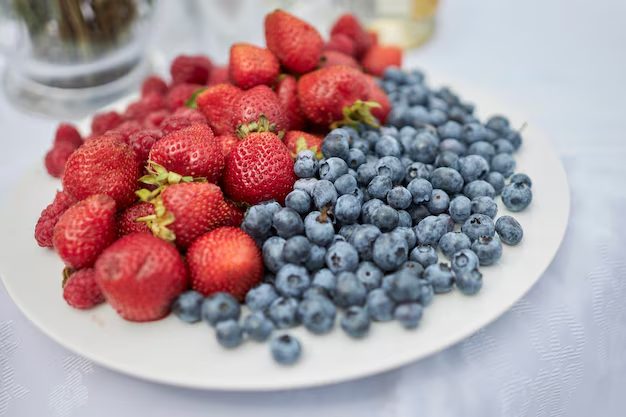
Colorful fruits contain many different nutrients and plant compounds, so variety is more useful than a single antioxidant score.
There is no single antioxidant that handles every reactive molecule, either. Vitamin C works in water-based parts of the body, while other compounds act in different places or through different pathways. This is why variety matters more than finding one supposed "king of antioxidants."
The USDA Withdrew Its ORAC Database
ORAC stands for oxygen radical absorbance capacity. It was a laboratory method used to estimate how well a substance could neutralize one type of free radical under controlled conditions. The USDA once published a database of ORAC values for foods, and marketers quickly used those numbers to promote juices, berries, powders, and supplements.
The USDA withdrew that database in 2012. The central reason matters: antioxidant capacity measured in a test tube does not establish a relevant antioxidant effect in the human body. ORAC values were being treated as health scores even though they could not support that interpretation.
That correction should change how you read antioxidant claims. A larger ORAC number does not prove that a fruit protects you better, provides more immune support, or creates a greater health effect. It also does not account for serving size, absorption, metabolism, fiber, or the many interactions among foods in an overall diet.

ORAC values measure chemical activity in a laboratory and should not be treated as rankings of health effects.
The same caution applies to modern labels using phrases such as "antioxidant units" or "super-antioxidant." Ask what was actually measured. If the answer is only test-tube activity, the number should not guide your food choices.
Organic fruit can still be a reasonable preference based on farming practices or personal values. However, the organic label does not guarantee more vitamin C, more plant pigments, or a stronger effect in your body. Fruit variety, ripeness, storage, growing conditions, and preparation can all influence nutrient content.
Fruits Genuinely High in Vitamin C
Vitamin C offers a more useful way to compare fruit because it is an essential nutrient with established functions and recommended daily amounts. Your body cannot make it, so you must obtain it from food or supplements. Exact levels vary by variety, ripeness, storage time, and serving size, but these approximate amounts show where common fruits fit.
| Fruit and serving | Approximate vitamin C |
|---|---|
| Guava, 1 cup | 375 mg |
| Kiwi, 2 medium | 125 mg |
| Strawberries, 1 cup | 90 mg |
| Papaya, 1 cup | 85 mg |
| Orange, 1 medium | 70 mg |
| Pineapple, 1 cup | 79 mg |
| Grapefruit, one-half | 40 mg |
| Raspberries, 1 cup | 32 mg |
| Blueberries, 1 cup | 14 mg |
Guava is one of the richest widely available fruit sources. Kiwi, strawberries, papaya, oranges, and pineapple can also provide a full day's recommended intake in a realistic serving or combination of servings. Blueberries contain less vitamin C than many people assume, but they still offer fiber and several plant pigments.
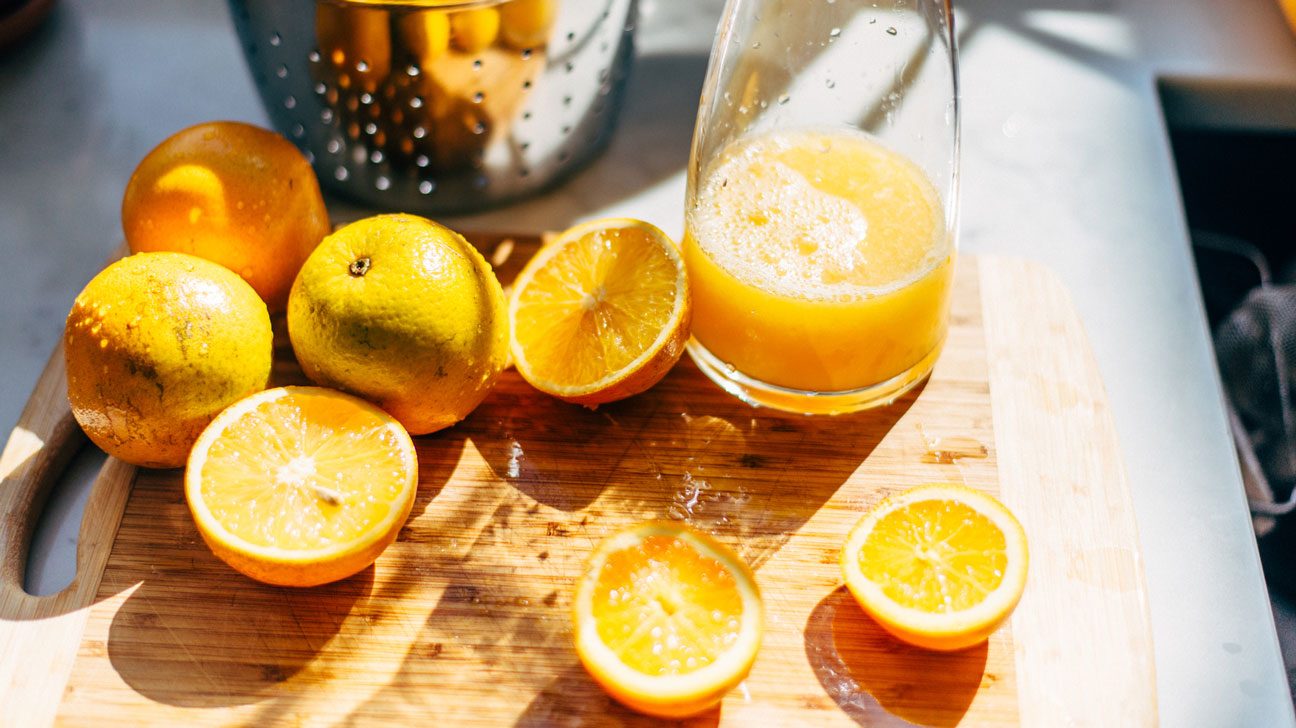
Guava, kiwi, strawberries, papaya, and citrus are practical fruit sources of vitamin C.
Citrus is useful, but it does not own the vitamin C category. A bowl of strawberries or two kiwis can provide more than a medium orange. You also do not need to chase the highest number. Try sliced kiwi with breakfast, frozen strawberries in a smoothie, an orange as a portable snack, or papaya with lime.
Freshness affects vitamin C because the vitamin can gradually break down during prolonged storage and exposure to heat. That does not make stored, canned, or frozen fruit worthless. Choose forms you will eat consistently, and look for canned fruit packed in water or juice rather than heavy syrup when limiting added sugar.
Berries and Anthocyanins
Berries deserve a place on the list, but not because an ORAC score crowns one berry the winner. Blueberries, blackberries, raspberries, strawberries, and cranberries provide fiber, vitamin C in varying amounts, and a broad range of polyphenols. Polyphenols are plant compounds that influence color, taste, and how plants respond to their environment.
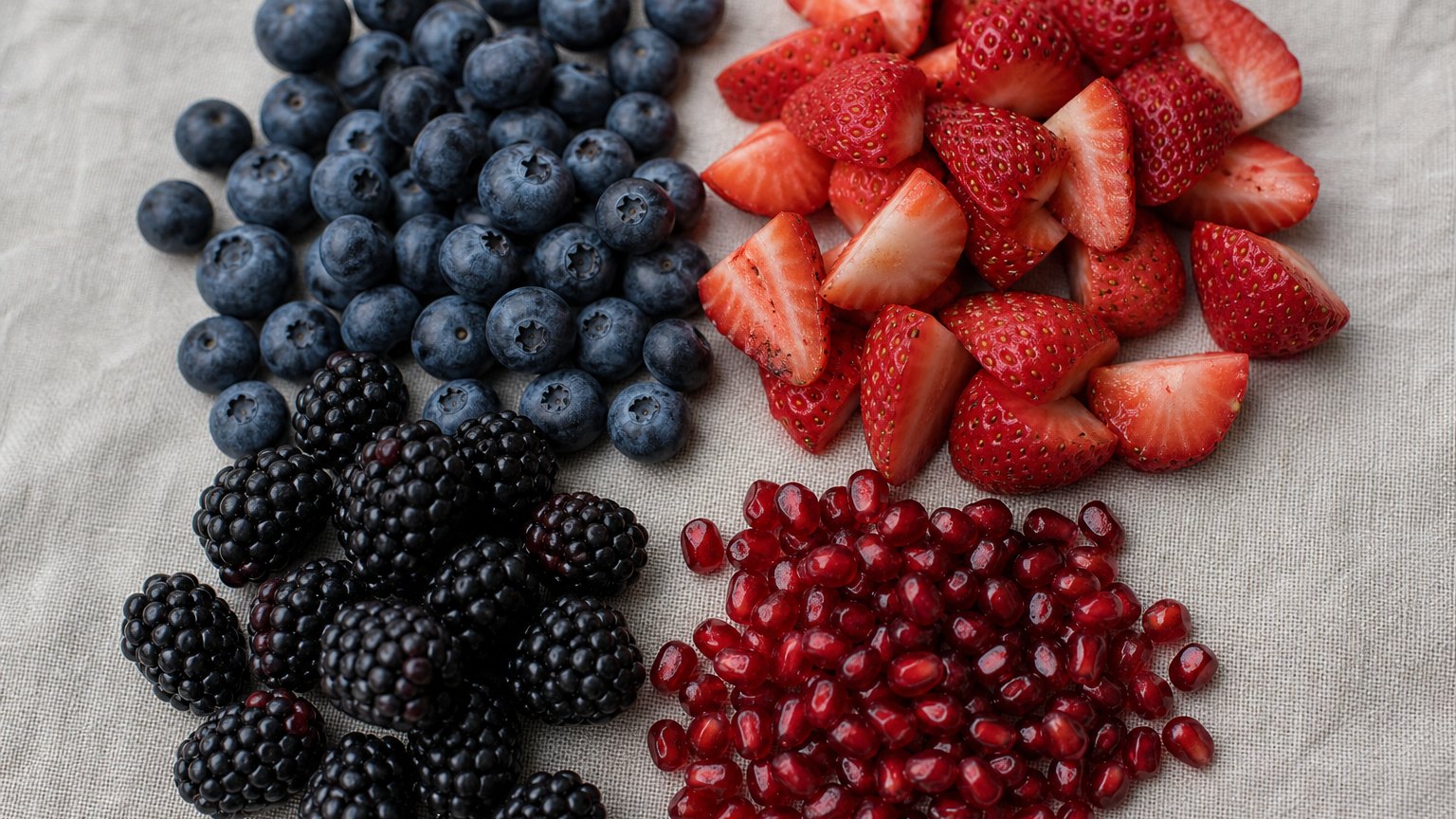
Anthocyanins are one family of polyphenols. They create many of the red, purple, and blue colors found in blueberries, blackberries, dark cherries, red grapes, and pomegranate. These compounds show antioxidant activity in laboratory experiments, but their effects in people are more complex. Your body changes anthocyanins during digestion, and gut bacteria break them into smaller compounds.
Blue, purple, and red berries contain pigments called anthocyanins along with fiber and other nutrients.
Human research often examines berry-rich eating patterns rather than asking whether a single berry neutralizes free radicals inside a person. Results can depend on the fruit, amount, study length, and health of the participants. That makes broad promises about one fruit inappropriate.
A practical strategy is to rotate colors. Add blueberries to oatmeal, keep frozen mixed berries for smoothies, pair strawberries with plain yogurt, or use unsweetened cranberries in a meal. Frozen berries are nutritionally comparable to fresh berries and may be picked near peak ripeness. They are also easier to store, which can reduce waste and make daily fruit more affordable.
Choose unsweetened options when possible. Dried cranberries, fruit snacks, jams, and sweetened berry drinks can contain substantial added sugar while providing less fiber per typical portion than whole berries.
What Vitamin C Actually Does for Immunity
Vitamin C supports normal immune function. That is a well-established nutrient role, but it is different from saying that fruit or a supplement "boosts" immunity.
Your immune system is a coordinated network of physical barriers, cells, proteins, and organs. Vitamin C contributes to the normal function of several immune cells. It also helps maintain skin and connective tissue by supporting collagen production. Collagen is a structural protein used in skin, blood vessels, cartilage, and wound repair. In addition, vitamin C helps regenerate vitamin E and improves absorption of iron from plant foods.
A deficiency can interfere with normal body functions. Correcting a shortfall restores the nutrient your body needs. Once your intake is adequate, however, taking more does not keep raising immune performance. The body tightly controls vitamin C levels, and excess water-soluble vitamin C is largely removed through urine.
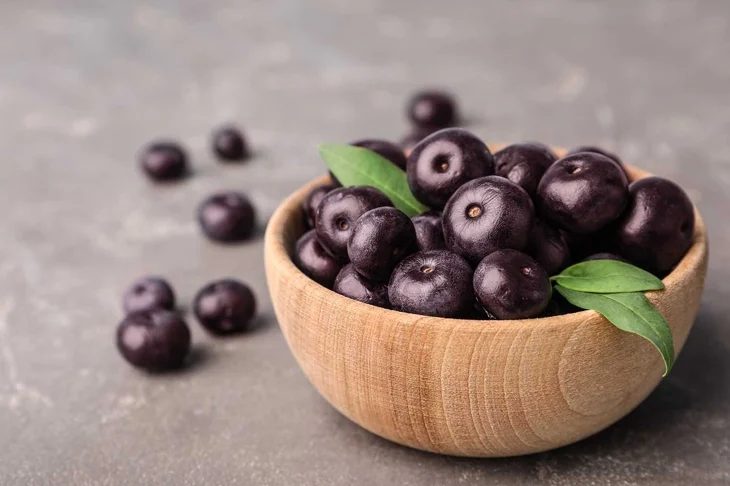
Vitamin C supports normal immune function, but larger amounts do not keep increasing immune performance once needs are met.
Most adults can meet their needs through food. The recommended dietary allowance is 90 mg per day for adult men and 75 mg for adult women. Pregnancy raises the target to 85 mg, and breastfeeding raises it to 120 mg. People who smoke are advised to get an additional 35 mg daily because smoking increases oxidative stress and vitamin C turnover.
These figures are intake targets, not promises against infection. Sleep, vaccination, adequate calories and protein, physical activity, stress management, and treatment of underlying health issues also matter. Think of vitamin C as one required part of normal immune function, not as a switch that makes the immune system stronger with every extra milligram.
Whole Fruit vs Powder vs Supplement
Whole fruit is the best default for most people because it provides more than isolated antioxidants. You receive water, fiber, vitamins, minerals, and many plant compounds in a food that takes time to chew and digest. Fiber also helps make fruit filling and supports normal digestive function.
Fresh and frozen fruit are both strong choices. Frozen fruit is commonly processed soon after harvest, and its overall nutritional value is comparable to fresh. Some nutrients may rise or fall slightly during storage, freezing, or thawing, but those differences are rarely large enough to make fresh fruit the only worthwhile option. Avoiding fruit because fresh berries are unavailable or expensive would be the less useful choice.
Fruit powders are convenient and can concentrate certain ingredients, but products vary. Drying and processing may reduce some heat-sensitive vitamin C, while removing water makes other compounds more concentrated by weight. Check the serving size, ingredient list, added sugar, and whether the label gives actual nutrient amounts. A scoop of powder may not contain the fiber or volume found in a bowl of fruit.
Fresh and frozen fruits are both useful choices, while powders and supplements offer convenience without replacing whole foods.
Vitamin C supplements can help fill a documented or likely dietary gap, but they do not reproduce the full food package. Follow label directions rather than assuming more is better. The adult upper limit is 2,000 mg per day from all sources, and high supplemental amounts can cause diarrhea, nausea, or stomach cramps.
Talk to your doctor before using supplements if you take prescription medication, are pregnant or breastfeeding, have kidney or liver problems, or manage an existing medical condition. Your everyday pattern matters more than any single high-antioxidant food or occasional large dose.
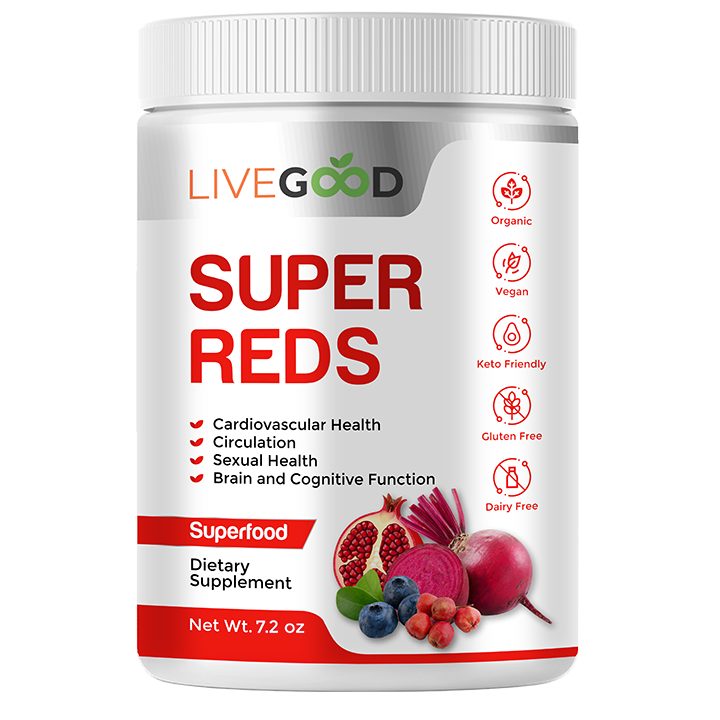
If you want a convenient addition to that routine, LiveGood Organic Super Reds is a great-tasting red fruit and vegetable extract powder formulated to support the body's production of nitric oxide and healthy blood circulation. Mix it with water or a smoothie as a pre-workout option or afternoon pick-me-up. It is $19.95 for members versus $34.95 retail, supporting LiveGood's mission to "Provide the highest quality supplements in the world, at the lowest prices possible." It complements, rather than replaces, whole fruit.
Frequently Asked Questions
Which fruits are highest in antioxidants?
There is no scientifically valid overall ranking of the highest-antioxidant fruits. Different fruits provide different compounds, and laboratory antioxidant scores do not predict effects in your body. Guava, kiwi, citrus, papaya, and strawberries are rich in vitamin C, while blueberries, blackberries, cherries, grapes, and pomegranate provide anthocyanins and other polyphenols.
Do antioxidants boost your immune system?
No, antioxidants do not boost immunity in a simple more-is-better way. Nutrients such as vitamin C support normal immune function, and correcting a deficiency helps restore that function. Once your intake is adequate, extra vitamin C or larger antioxidant amounts do not keep increasing immune performance or provide a guarantee against infection.
What is ORAC and why was it withdrawn?
ORAC is a laboratory test called oxygen radical absorbance capacity, and its USDA database was withdrawn because the values were widely misused as health scores. Test-tube antioxidant activity does not account for digestion, absorption, metabolism, or actual effects in people. A high ORAC number therefore cannot prove that a fruit provides greater health benefits.
How much vitamin C do you need?
Most adult men need 90 mg of vitamin C daily, while most adult women need 75 mg. The target is 85 mg during pregnancy and 120 mg while breastfeeding. People who smoke are advised to add 35 mg per day. Individual needs can differ, so ask your doctor about supplementation if you have a medical condition or dietary restriction.
Are frozen fruits as good as fresh?
Yes, frozen fruits are generally nutritionally comparable to fresh fruits. They are often frozen shortly after harvest, which helps preserve nutrients, color, and flavor. Small nutrient differences can occur during storage and thawing, but frozen berries and other unsweetened fruits remain excellent choices. They are convenient, reduce waste, and may cost less outside the fresh growing season.