
CBD and Joint Discomfort: What Research Shows
 Written by Ben Glinsky
Ask AI about this article and CBD Oil (Full-Spectrum)






CBD research for joint pain is much less settled than the marketing suggests. Some animal and canine osteoarthritis studies report encouraging results, but human trials are far fewer and mixed. Here is how the evidence breaks down, plus what to consider before trying a CBD product.
Key Takeaways
- Human evidence remains limited: Small trials have produced mixed results, and CBD has not consistently outperformed a placebo.
- Dog studies are not human proof: Canine osteoarthritis research is often cited, but results in dogs cannot establish what CBD does for people.
- Form matters, but answers are missing: Researchers have not established whether topical or oral CBD is better for joint discomfort.
- Product quality varies widely: Independent testing repeatedly finds differences between CBD labels and actual contents, making current batch certificates important.
- Medication checks come first: CBD can affect how the liver processes many medicines, and full-spectrum products contain trace THC.
Where the Research Actually Is
CBD, short for cannabidiol, is one of many compounds found in cannabis. Unlike THC, it does not usually produce an intoxicating high. That basic fact has helped CBD become popular, but popularity is not the same as clinical evidence.
CBD research falls into several levels. Laboratory studies examine cells or isolated tissues. Rodent studies explore biological pathways and behavior. Dog studies often involve naturally occurring osteoarthritis. Human trials test outcomes in people. Each level can guide the next one, but only well-designed human trials can tell us whether an approach provides a meaningful benefit for patients.
Early laboratory and rodent work has explored how CBD affects nerve signaling, immune activity, and the endocannabinoid system. The endocannabinoid system is a network of chemical messengers and receptors involved in functions such as sleep, appetite, and responses to stress or physical discomfort. A plausible mechanism is useful, but it does not prove that a retail CBD oil changes joint symptoms.
A Harvard Health overview that is frequently cited on this topic makes the central problem clear: the science has not caught up with the marketing. A later review in The Journal of Pain was even more cautious. Across randomized trials involving different pain conditions, pharmaceutical-grade CBD generally did not perform better than placebo.
That does not mean every research question has been answered. It means the strongest claims commonly seen online are ahead of the human data.

Laboratory, animal, and human studies answer different questions and should not be treated as equal evidence.
Why Dog Studies Get Cited So Often
Dogs develop osteoarthritis naturally, particularly as they age or after joint injuries. They may show stiffness, altered movement, or less willingness to climb stairs and play. That makes canine research more relevant than a test conducted only in cells, but it still cannot provide a direct answer for people.
Several small canine osteoarthritis studies have compared CBD formulations with placebo. Some reported improvements in owner-completed pain or mobility scores. In certain studies, veterinarians also recorded changes in activity or comfort measures. These findings explain why dog research appears so often in articles and product marketing.
The limitations matter. Many studies enrolled only a few dozen dogs. Treatment periods were usually short. Owners could be influenced by expectations, particularly when rating behavior. The studies also used different CBD doses, oils, combinations, and outcome scales. A result from one formulation cannot automatically be applied to another.
Dogs and humans also absorb and break down CBD differently. A dose based on a dog's body weight cannot be converted into a safe human serving with simple math. Even within canine studies, blood levels can vary substantially between animals receiving the same amount.
So what can a dog study tell you? It can identify a signal worth investigating and help researchers design human trials. It cannot show that CBD treats osteoarthritis or that a consumer product will change your joint discomfort. When an advertisement moves directly from a canine result to a confident human promise, it skips the most important step.
What Human Trials Have Found
Human studies focused specifically on joints are limited, and their findings do not point in one clear direction. The most useful trials compare CBD with a placebo, an inactive look-alike treatment. Random assignment and blinding help prevent expectations from shaping the results.
In a 12-week trial involving people with hand osteoarthritis or psoriatic arthritis, oral synthetic CBD did not produce a statistically significant difference from placebo in pain scores. A statistically significant result is one that is unlikely to be explained by chance under the study's assumptions. No meaningful difference was found in sleep quality, mood, or other measured outcomes either.
A larger trial studied high-dose oral CBD added to acetaminophen for knee osteoarthritis. CBD did not improve the main pain outcome compared with placebo. The CBD group also had more side effects and more liver enzyme elevations. Liver enzymes are blood markers that can rise when the liver is under stress.
One small crossover study of topical CBD for thumb arthritis reported better participant-rated measures during the CBD phase than during the control phase. A crossover trial lets each participant try both options at different times. That design can be useful, but the study included fewer than 20 people and lasted only several weeks. It needs confirmation in larger, independent trials.
Looking beyond arthritis, the 2024 pain review examined 16 randomized trials of pharmaceutical-grade CBD and found that 15 did not report a positive pain result. Different conditions and formulations were included, so this is not a joint-specific verdict. Still, it is a serious counterweight to broad advertising claims.
Epidiolex is the only FDA-approved CBD medicine. It is approved for certain seizure disorders, not joint pain or arthritis.
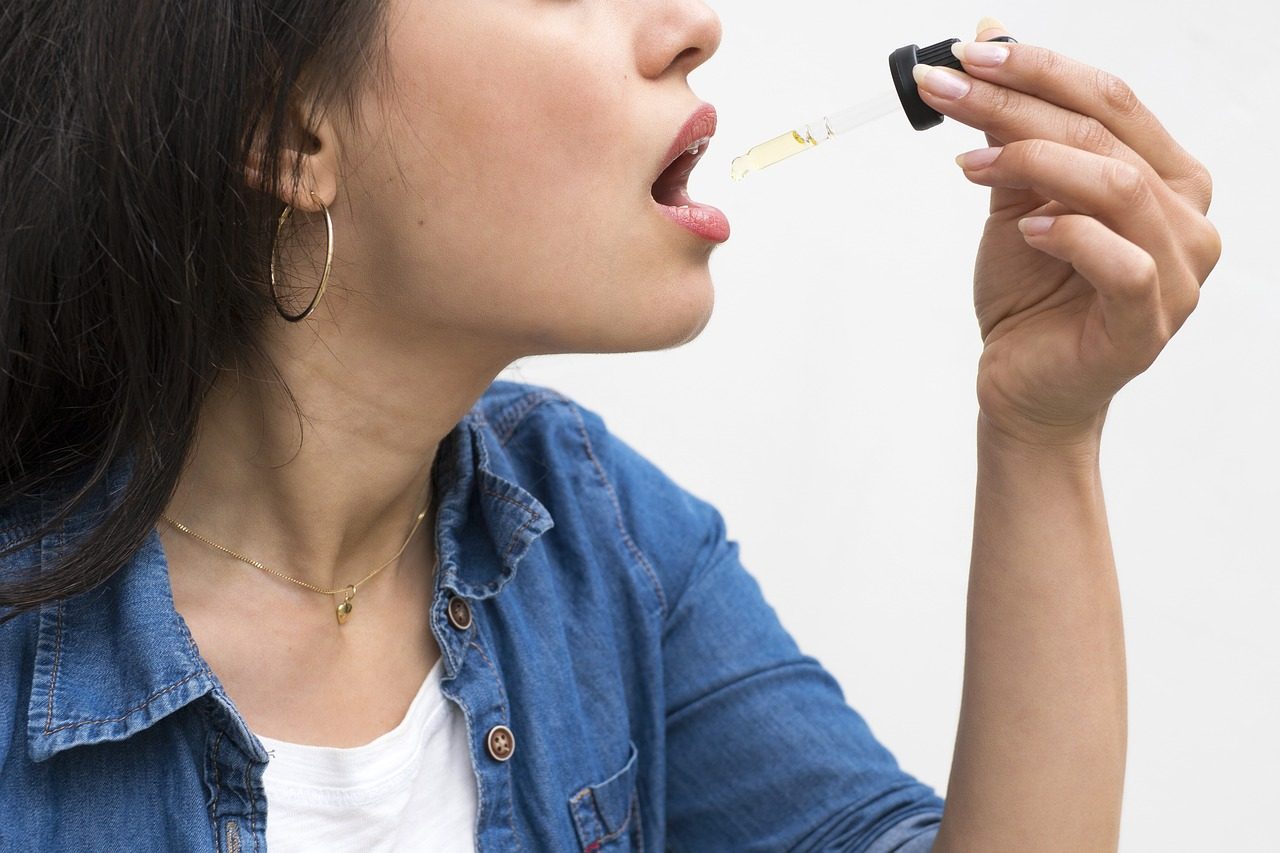
Human joint studies remain small and mixed, so marketing claims often run ahead of the data.
Topical Versus Oral
There is not enough comparative research to say that topical or oral CBD is better for joints. The two forms reach the body differently, and each brings separate practical questions.
Topical CBD is placed on the skin over a specific area. Most topical products are intended to act near where they are applied, although the amount reaching deeper tissues is uncertain. Cream ingredients such as menthol, camphor, or warming agents can also change how an area feels. That makes it difficult to know whether a reported effect came from CBD, another ingredient, massage, or expectation.
Oral CBD includes oils, capsules, and gummies. It enters the digestive system or is held in the mouth before swallowing. Once absorbed, it circulates more broadly and passes through the liver. That creates a greater concern about medication interactions and liver effects. Food, formulation, and individual metabolism can all change how much CBD enters the bloodstream.
You will also see three common extract types:
- Full-spectrum contains CBD, other hemp compounds, and trace THC.
- Broad-spectrum contains several hemp compounds but is processed to remove THC.
- CBD isolate contains CBD without the other cannabinoids.
No strong human evidence establishes one of these as the best option for joint discomfort. Full-spectrum CBD's trace THC is a genuine drug-test consideration, even when a product follows federal hemp limits.
Before buying any form, look for a recent certificate of analysis, or COA, from an independent laboratory. It should match the product's batch number and list CBD, THC, and contaminant results. Independent testing has repeatedly found products with more, less, or no CBD compared with their labels. A COA cannot prove effectiveness, but it can help confirm what is in the bottle.
If you and your doctor decide oral CBD fits your routine, LiveGood CBD Oil (Full-Spectrum) is derived from the top 1% of hemp farms in the country. It uses MCT oil as the carrier for faster absorption and maximum benefit. The 750mg strength is $14.95 member versus $29.95 retail. The 1500mg strength is $19.95 member or $39.95 retail, in Natural or Peppermint, plus limited-time Cinnamon. Follow label directions and remember that full-spectrum oil contains trace THC.
Why a Diagnosis Comes First
Joint pain is a symptom, not a diagnosis. It can come from osteoarthritis, an injury, gout, an autoimmune condition, infection, medication effects, or pain referred from another part of the body. These causes do not call for the same response. Trying to cover up a symptom before identifying its source can delay useful care.
See a healthcare professional when discomfort is persistent, worsening, or interfering with sleep and daily movement. Seek prompt care for a joint that becomes suddenly hot, red, severely swollen, or difficult to move, especially if you also have a fever. New weakness, numbness, a major injury, or an inability to bear weight also deserves timely medical attention.
A diagnosis gives you a safer starting point. Your clinician may recommend movement, physical therapy, changes in activity, weight support when relevant, or medication. CBD should never replace prescribed arthritis medication or delay an evaluation. If you decide to try it, keep the rest of your care plan unchanged unless your prescriber tells you otherwise.
CBD can cause sleepiness, diarrhea, appetite changes, and liver enzyme elevations. It can also affect CYP450 enzymes, a group of liver proteins that process many medications. Changing those enzymes can raise or lower the amount of another drug in your bloodstream. This concern applies to some blood thinners, seizure medicines, antidepressants, pain medicines, and other prescriptions.
Ask your doctor or pharmacist before using CBD if you take any prescription medication. You should also get medical guidance during pregnancy or breastfeeding, or if you have liver disease, kidney disease, or another existing medical condition. Bring the product label and COA to that conversation. Honest, evidence-grounded education includes recognizing uncertainty, checking safety first, and treating supplements as part of a routine rather than a quick fix.

A healthcare professional can help identify the source of joint discomfort before you consider any supplement.
Frequently Asked Questions
Does CBD help joint pain?
Maybe for some people, but current human evidence does not establish a reliable benefit for joint pain. A few small studies have reported encouraging participant-rated outcomes, while other trials found no meaningful difference from placebo. Responses shared online cannot show cause and effect. If you are considering CBD, first identify why your joint hurts and discuss safety with a healthcare professional.
What does the research on CBD and arthritis show?
Research shows a clear gap between animal findings and human evidence. Laboratory, rodent, and canine osteoarthritis studies have produced signals worth studying, with some dog trials reporting improved owner-rated measures. Human arthritis trials are much fewer and mixed. Several well-controlled oral CBD studies have not found a meaningful advantage over placebo, while one very small topical study reported positive participant-rated results.
Is topical or oral CBD better for joints?
Neither form has been proven better for joint discomfort. Topicals are applied to one area, but absorption into deeper tissue is uncertain and other cream ingredients may influence how the skin feels. Oral CBD circulates more broadly, but it also creates greater concerns about drug interactions and liver effects. Choose only after reviewing the form, COA, medications, and THC considerations.
Can CBD replace arthritis medication?
No, CBD should not replace medication prescribed for arthritis or another diagnosed condition. Human studies have not established consumer CBD as an equivalent substitute, and stopping treatment may allow symptoms or disease activity to worsen. Talk with the clinician who manages your care before making any change. Supplements should complement a medically appropriate routine, not take the place of it.
Is CBD safe with arthritis medication?
Not always, because CBD can change how the liver processes many medications. It may interact with certain anti-inflammatory medicines, pain medicines, corticosteroids, antidepressants, blood thinners, and other drugs. The exact risk depends on your medication, CBD amount, liver health, and product contents. Ask your doctor or pharmacist before combining CBD with any prescription medicine, and show them the label and current COA.