
How CBD Works for Pets: The Endocannabinoid System Explained
 Written by Nauder Khazan
Ask AI about this article and CBD Oil - For Pets (500mg Beef)





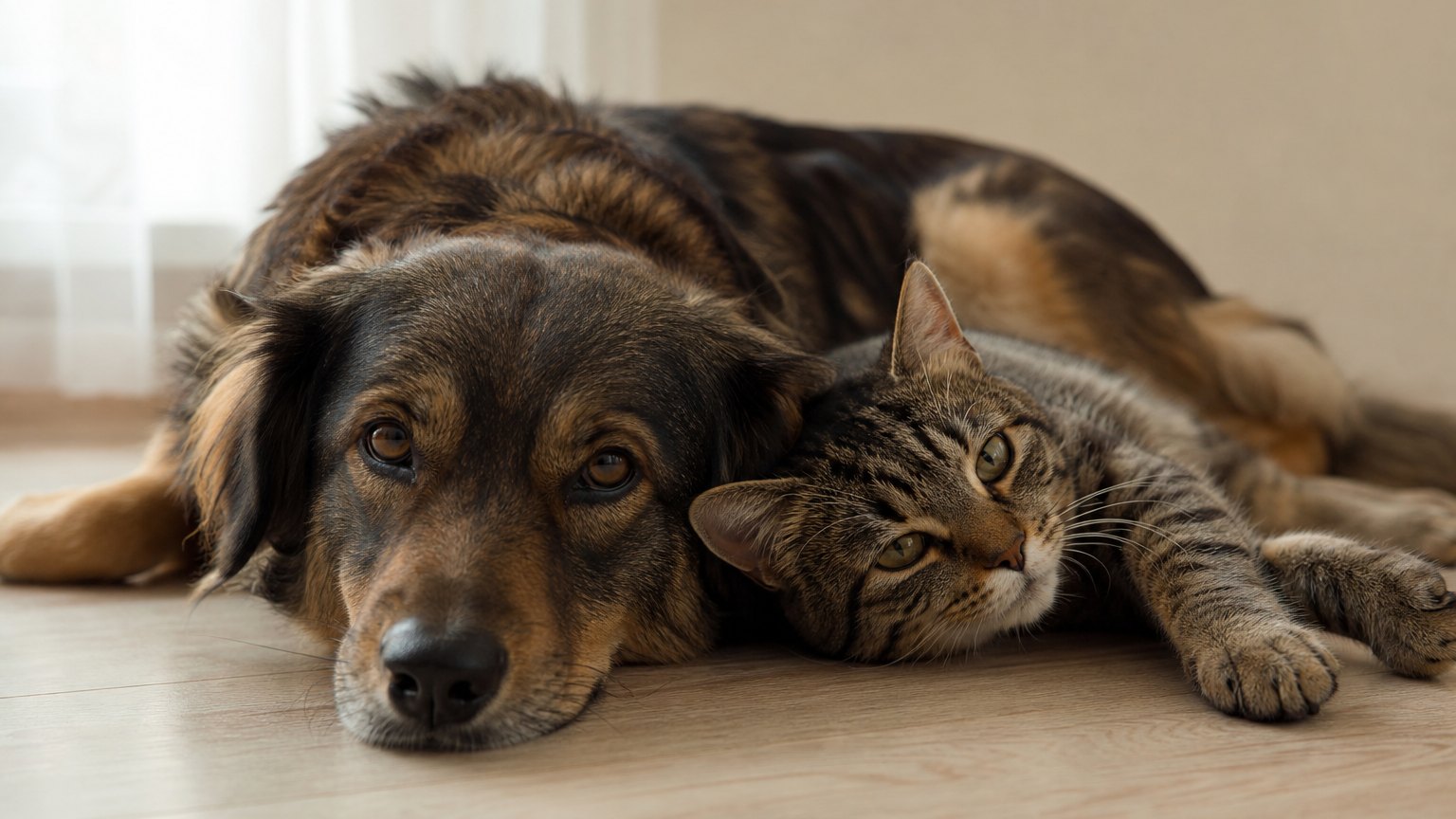
CBD works by influencing your pet's endocannabinoid system, a network that helps the body maintain internal balance. Unlike THC, CBD does not strongly activate the CB1 receptors responsible for intoxication, but its effects, safety, and ideal use in animals are still being studied.
Key Takeaways
- CBD works indirectly: It influences endocannabinoid signaling rather than strongly binding to and activating CB1 receptors.
- Animals share this system: All vertebrates have an endocannabinoid system involved in maintaining balance across many body processes.
- THC is toxic to dogs: Dogs have a particularly high density of CB1 receptors in the hindbrain, making THC exposure especially dangerous.
- Research remains limited: Veterinary studies have measured mobility, behavior, seizure frequency, blood levels, and safety markers, but results do not establish broad benefits.
- Veterinary guidance matters: CBD can affect liver enzymes and interact with medications, while product strength and purity may not match the label.
The Endocannabinoid System in Animals
All vertebrates, including dogs, cats, horses, birds, fish, and humans, have an endocannabinoid system. This biological network helps maintain homeostasis, meaning a stable internal environment even when conditions change.
The system has three main parts. Endocannabinoids are messenger molecules made naturally by the body. Cannabinoid receptors receive those messages. Enzymes create and break down the messengers when they are no longer needed.
The two best-known receptors are CB1 and CB2. CB1 receptors are abundant in the brain and nervous system, although they also appear elsewhere. CB2 receptors are found largely in immune tissues and other parts of the body. Their distribution varies by species, organ, and stage of life.
Two naturally produced endocannabinoids are anandamide and 2-AG. They are released when needed, bind to receptors for a short period, and are then broken down. This on-demand signaling helps coordinate processes such as appetite, movement, memory, sleep, stress responses, and communication between nerve cells.
CBD, short for cannabidiol, comes from Cannabis sativa. It is not one of the endocannabinoids an animal makes. Instead, it is a plant cannabinoid that may influence parts of the same signaling network. Scientists are still determining which mechanisms matter most in different animals and at different amounts. That uncertainty is one reason human CBD findings cannot simply be applied to pets.

The endocannabinoid system uses natural messengers, receptors, and enzymes to help an animal's body maintain internal balance.
Why CBD Is Not THC
CBD and THC both come from cannabis, but they behave differently in the body. THC, or tetrahydrocannabinol, can directly activate CB1 receptors in the brain. That activity produces intoxication in people and can cause serious poisoning in pets.
CBD has little attraction for the primary binding site on CB1 receptors. In plain language, it does not switch on CB1 signaling in the same direct way that THC does. Researchers think CBD instead alters endocannabinoid signaling indirectly. It may affect enzymes that break down natural endocannabinoids, change how certain receptors respond, and interact with other targets such as serotonin receptors and TRPV1 channels. TRPV1 channels are proteins that help nerve cells detect heat and other signals.
These possible mechanisms come largely from laboratory and human research. Their importance in a particular dog, cat, or other pet is not fully established. CBD is therefore better described as influencing several signaling pathways than as simply "binding to the endocannabinoid system."
Non-intoxicating also does not mean risk-free. CBD can cause sleepiness, digestive changes, appetite changes, or altered liver enzyme test results in some animals. It can also change how the liver processes medications.
Full-spectrum CBD contains multiple hemp compounds and can include trace THC. The amount may be legally small, but dogs are unusually sensitive to THC. Never assume that a human CBD edible, cannabis product, or unlabeled oil is appropriate for an animal.
Why Dogs Are Especially Sensitive to THC
THC is toxic to dogs. One reason dogs are especially vulnerable is that they have a notably high density of CB1 receptors in parts of the hindbrain, including areas involved in balance, coordination, heart rate, breathing, and alertness. This receptor pattern helps explain why even a small exposure can produce pronounced neurological signs.
A dog exposed to THC may become unusually sleepy, unsteady, disoriented, agitated, or highly sensitive to sound and touch. Other possible signs include dilated pupils, drooling, vomiting, urine leakage, a slow heart rate, tremors, or changes in body temperature. Severe poisoning can interfere with breathing or lead to coma.
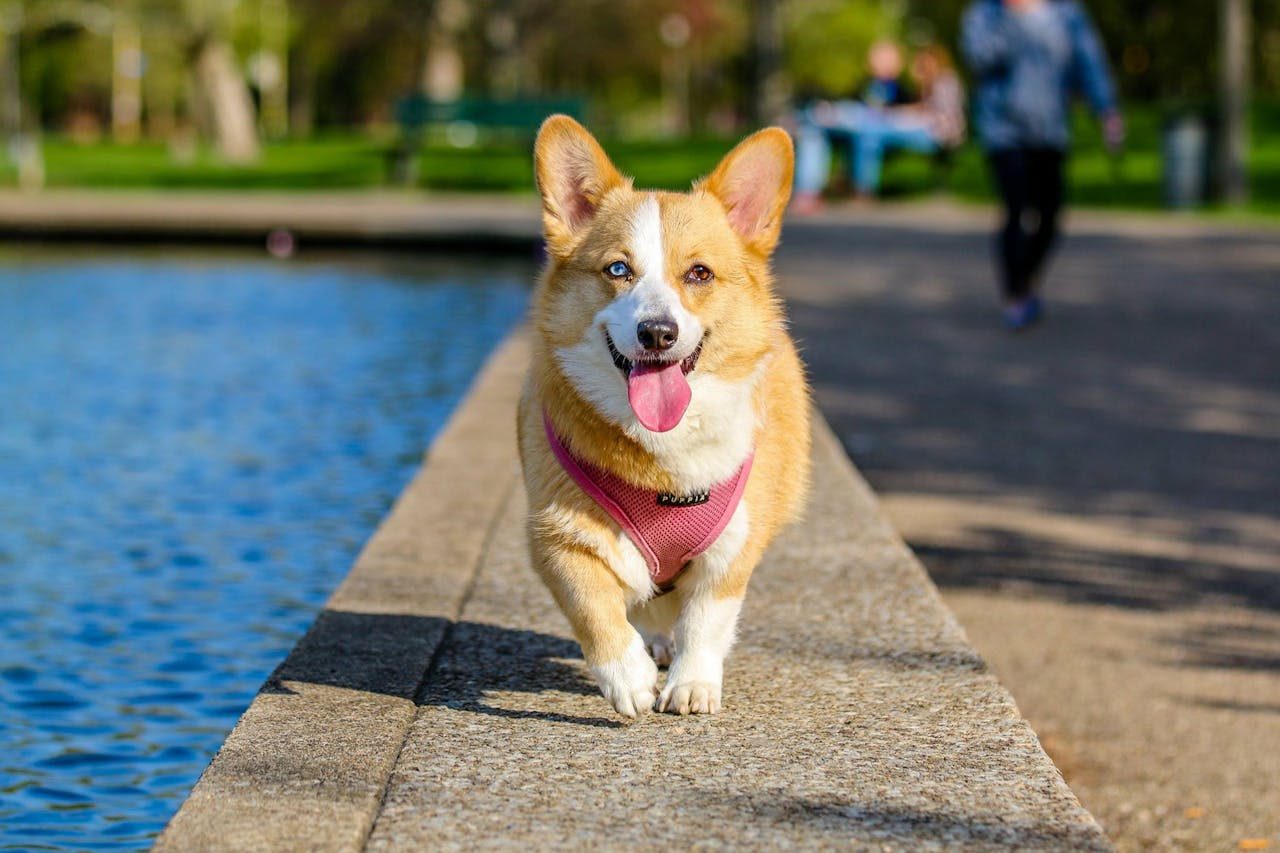
Dogs are especially sensitive to THC because CB1 receptors are densely concentrated in parts of their hindbrain.
Exposure often happens when a dog eats cannabis flower, gummies, baked goods, vape material, or concentrated oils. Edibles can create additional hazards. Chocolate and xylitol, a sweetener used in some sugar-free products, are also toxic to dogs. Packaging can cause an intestinal blockage if swallowed.
Do not wait for symptoms if you know or suspect your dog consumed THC. Contact your veterinarian or an emergency veterinary hospital immediately. You can also call the ASPCA Animal Poison Control Center at 888-426-4435. Be honest about the product, estimated amount, and timing. That information helps the veterinary team respond appropriately.
Keep all cannabis and CBD products secured like medications. A pet-specific label reduces some avoidable risks, but it does not make careless storage safe.
How CBD Is Absorbed and Metabolised
When a pet swallows CBD oil, the compound passes through the digestive tract and is absorbed into the bloodstream. Oral absorption can be inconsistent. The product format, meal composition, amount consumed, and individual animal can all change how much CBD reaches circulation.
CBD dissolves in fat rather than water, so food may affect absorption. However, you should not improvise with high-fat meals or change a pet's diet solely to increase CBD exposure. Follow the product label and ask your veterinarian whether it should be given with your pet's normal food.
After absorption, CBD travels to the liver. There, a family of enzymes called cytochrome P450, often shortened to CYP450, helps break it down. These enzymes process many prescription drugs too. CBD interacts with many medications through CYP450 and may change how quickly another drug is cleared. Another medication may also alter CBD exposure.
This matters for pets taking seizure drugs, sedatives, heart medications, anti-inflammatory drugs, or any medicine that requires careful blood levels. It also matters for animals with liver or kidney conditions. Your veterinarian may recommend avoiding CBD, adjusting the plan, or monitoring laboratory values. Do not change a prescription medication yourself.
There is no universally established CBD dose for pets. Published studies have used different formulas, schedules, and amounts, and findings from dogs may not apply to cats or other animals. Use only the weight-based label directions your veterinarian has reviewed. Starting low and going slowly makes observation easier, but any increase should remain within that professional guidance.
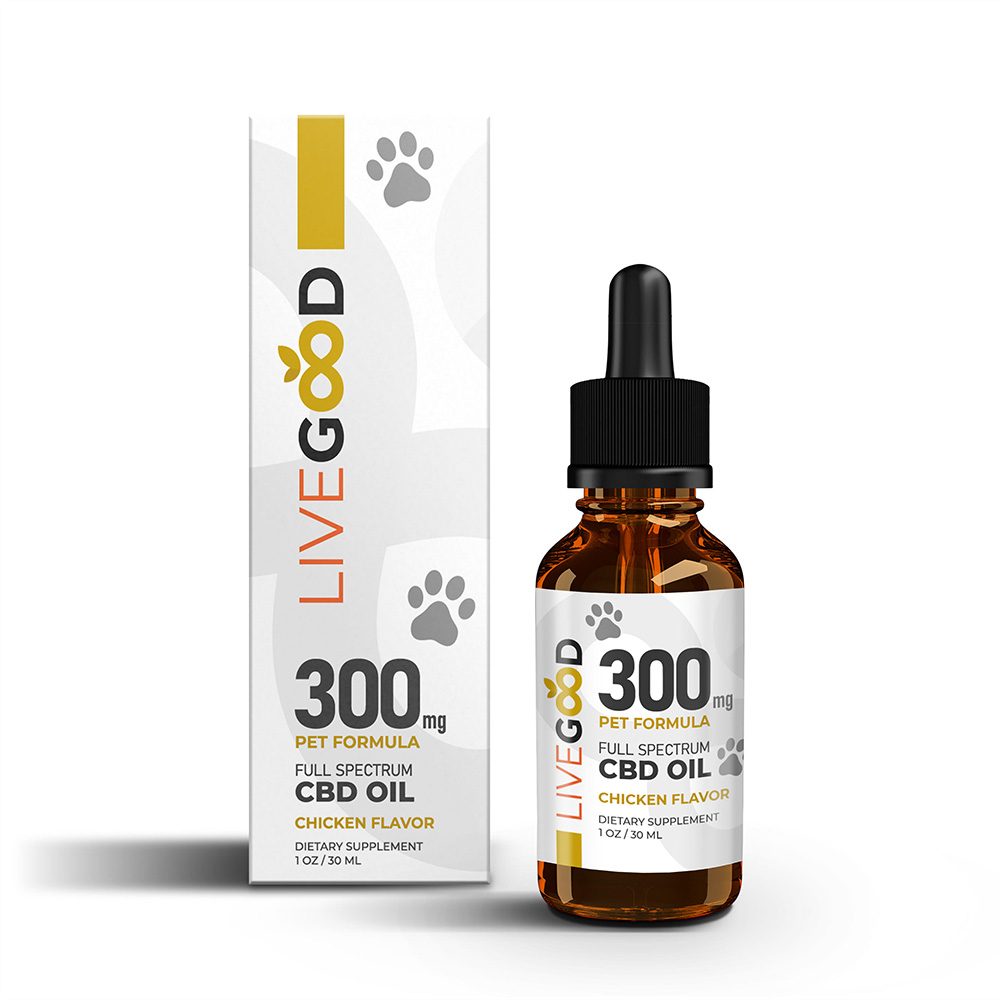
CBD Oil - For Pets (500mg Beef) is a 500 mg, beef-flavored full-spectrum CBD oil formulated with the same highest quality ingredients and processes as the human formulas. Add it to food, follow the weight-based directions on the label, and start low and go slow with your veterinarian's guidance. It is $12.95 for members and $24.95 retail, reflecting LiveGood's mission to "Provide the highest quality supplements in the world, at the lowest prices possible."
What the Veterinary Research Has Measured
Veterinary CBD research is growing, but it remains small compared with human research. Studies often involve limited numbers of animals, short follow-up periods, and different hemp extracts. That makes it difficult to compare results or identify an amount that applies across products.
Clinical trials in dogs have measured outcomes such as movement, owner-reported comfort scores, seizure frequency, skin-related behavior, stress-related behavior, appetite, sleepiness, and quality-of-life questionnaires. Some studies have reported differences between CBD and comparison groups, while others have found uncertain, small, or inconsistent changes. These findings are preliminary and do not show that every product, animal, or health concern will respond similarly.
Researchers also measure pharmacokinetics, which describes how CBD enters, moves through, and leaves the body. Blood testing has shown substantial variation among dogs receiving similar amounts. Safety studies commonly track digestive signs, behavior, blood counts, and liver markers. Increases in alkaline phosphatase, a liver-associated enzyme, have appeared in several dog studies, although the clinical meaning is not always clear.
Veterinary CBD studies measure blood levels, behavior, movement, and safety markers, but the evidence remains limited.
Product accuracy is another major issue. A peer-reviewed analysis of 29 pet CBD products found that only 10 were within 10% of their labeled total cannabinoid concentration. Two contained no detectable cannabinoids, and four had heavy metal contamination. Independent testing has repeatedly found label and content mismatches, so a recent third-party certificate of analysis, or COA, matters.
A COA should match the product's batch number and list CBD, THC, other cannabinoids, and screening results for contaminants. It improves transparency, but it does not replace veterinary review or prove that a product produces a health outcome.
Talking to Your Veterinarian
Talk to your veterinarian before giving CBD to any pet. Bring the complete product label, ingredient list, and batch-specific COA. Also provide a list of every prescription, over-the-counter medicine, and supplement your pet receives. This allows the veterinarian to look for CYP450 interactions, duplicated ingredients, and species-specific risks.
Your veterinarian will also consider age, weight, pregnancy or nursing status, liver and kidney function, and existing medical conditions. Cats, dogs, horses, birds, and small mammals do not process every substance in the same way. A formula marketed broadly for "pets" may not be suitable for every species.
Ask practical questions. Does the label state the total CBD in the bottle and the amount per serving? Is THC measured on the COA? Does the report test for pesticides, heavy metals, residual solvents, and microbes? Is the flavoring safe for your species? Avoid products with unclear amounts, missing batch tests, or ingredients such as xylitol.
If your veterinarian agrees with use, follow the weight-based label directions they reviewed. Keep a simple daily record of the amount, timing, food, behavior, appetite, stool, sleepiness, and any unusual signs. Consistent notes are more useful than guessing from one day. Stop the product and contact your veterinarian if your pet becomes excessively sleepy, unsteady, vomits repeatedly, refuses food, or behaves unusually.
The FDA has approved no CBD product for animals, and dosing research remains limited. Epidiolex is the one FDA-approved prescription CBD medicine, but its approvals are for specific seizure disorders in humans, not for veterinary use. Pet CBD oils are supplements, not substitutes for diagnosis, prescribed treatment, emergency care, or routine veterinary follow-up.
Frequently Asked Questions
How does CBD work for pets?
CBD works mainly by influencing signaling around a pet's endocannabinoid system rather than strongly activating CB1 receptors. It may also interact with enzymes, ion channels, and several other receptor systems. Researchers have not established which pathway matters most for each species or situation, so the mechanism is broader and less certain than many product claims suggest.
Do animals have an endocannabinoid system?
Yes, all vertebrate animals have an endocannabinoid system. It includes natural messenger molecules, receptors such as CB1 and CB2, and enzymes that create or remove those messengers. The system participates in maintaining internal balance, but receptor locations and sensitivity can vary between dogs, cats, humans, and other species.
Is CBD safe for pets?
CBD is not automatically safe for every pet. Veterinary studies have reported sleepiness, digestive changes, appetite changes, and altered liver enzyme results, while medication interactions are a significant concern. Product labels can also be inaccurate. Ask your veterinarian to review the formula, weight-based directions, medications, and batch-specific COA before use.
Why is THC dangerous for dogs?
THC is dangerous because dogs are highly sensitive to its effects, partly due to their dense CB1 receptor population in the hindbrain. Exposure can cause severe sleepiness, loss of coordination, urine leakage, vomiting, tremors, heart-rate changes, or coma. Call a veterinarian immediately or contact the ASPCA Animal Poison Control Center at 888-426-4435.
Is CBD approved for animals?
No, the FDA has approved no CBD product for use in animals. Epidiolex is an FDA-approved prescription CBD medicine for specific seizure disorders in humans, but that approval does not apply to pet supplements. Veterinary dosing research is limited, and product quality varies, so CBD use in an animal should always be discussed with a veterinarian.