
How Long Does CBD Stay in a Dog's System?
 Written by Nauder Khazan
Ask AI about this article and CBD Oil - For Pets (500mg Beef)





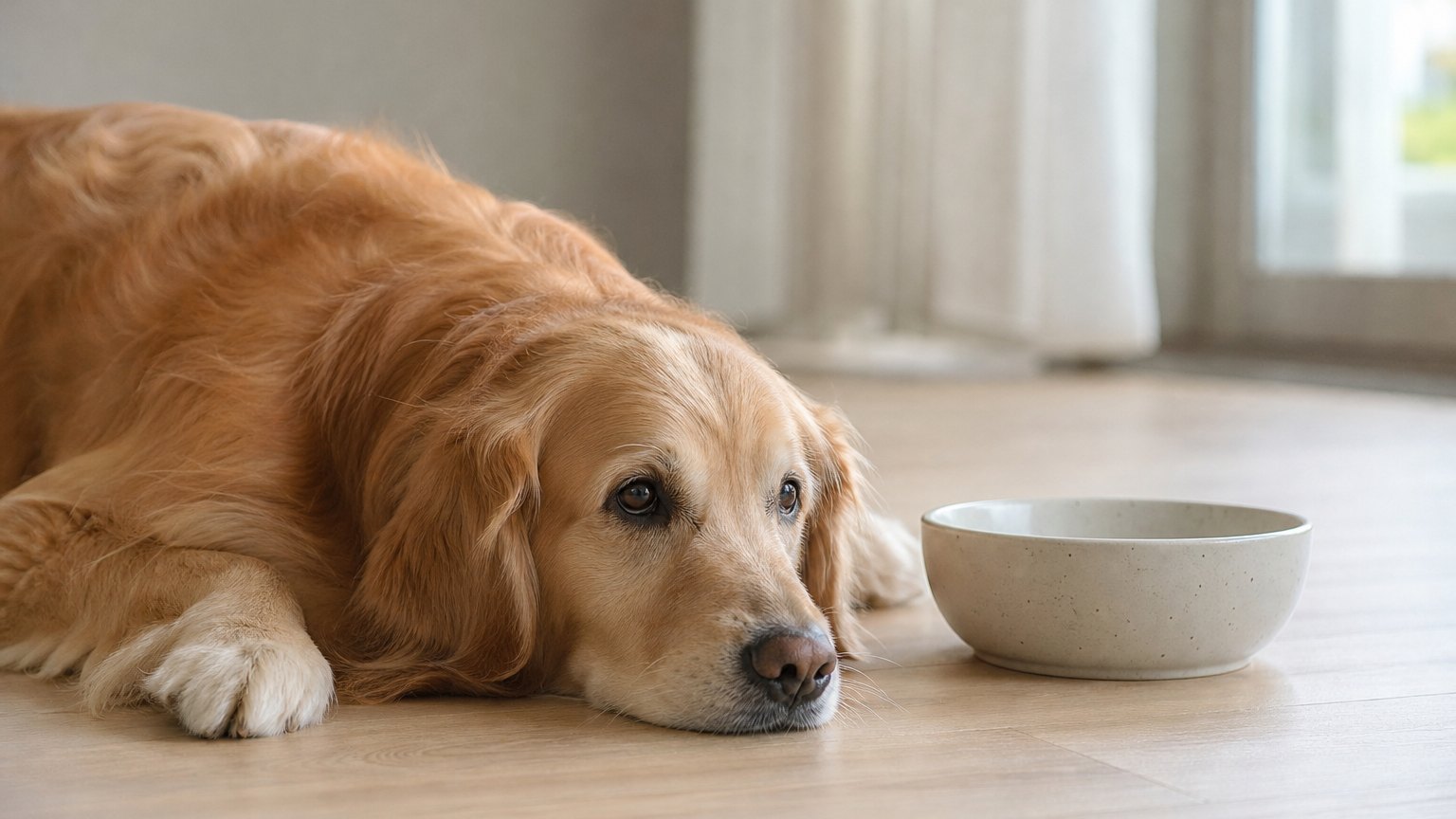
CBD levels in a dog's blood may fall substantially within about 12-24 hours after one oral serving, based on the short half-lives reported in small canine studies. However, traces may remain longer, especially with repeated use, and the duration of any noticeable effect is not the same as the time CBD remains in the body.
Key Takeaways
- Expect a variable timeline: After one oral serving, CBD concentrations may decline substantially within 12-24 hours, but there is no guaranteed clearance time for every dog.
- Separate half-life from effects: Half-life describes how quickly blood levels fall, not how long your dog will show a noticeable response.
- Food and format matter: A meal, especially one containing fat, can increase CBD absorption, while oils, treats, and topicals behave differently.
- Use pet-specific products carefully: Check the cannabinoid content, follow weight-based label directions, review the certificate of analysis, and involve your veterinarian.
- Watch for genuine hazards: Full-spectrum CBD contains trace THC, and human products may contain unsafe THC levels or xylitol, which is toxic to dogs.
Half-Life vs How Long Effects Last
Half-life is the amount of time required for the concentration of a substance in the blood to fall by half. If CBD had a four-hour half-life in a particular dog, for example, about half of the measured amount would remain after four hours, one-quarter after eight hours, and one-eighth after 12 hours.
Small canine studies have reported CBD half-lives of roughly a few hours after oral administration, often around three to five hours depending on the formulation and study design. Using the common estimate that most of a substance is cleared after about five half-lives gives a rough window of 15-25 hours. That is a calculation, not a promise that CBD is completely gone.
Duration of effect is a different question. An effect can fade while CBD is still measurable, and measurable CBD does not prove that a dog is experiencing an effect. Research has not established one reliable four-hour, six-hour, or eight-hour effect window for all dogs or all pet CBD products.
CBD half-life describes declining blood levels, which is different from how long an observable response may last.
Your dog's behavior is also an imperfect measuring tool. Sleepiness, appetite, activity, excitement, meals, and the normal rhythm of the day can all change what you observe. Do not give an extra serving simply because you do not notice an immediate difference. Follow the product label and ask your veterinarian how to evaluate your dog's response safely.
What the Canine Research Measured
Most canine CBD timing research is pharmacokinetic research. Pharmacokinetics means tracking what the body does to a substance, including how it is absorbed, distributed, broken down, and removed. Researchers usually give a known amount of CBD and take blood samples at scheduled times. They then calculate values such as peak concentration, time to peak, total exposure, and half-life.
In small studies involving healthy dogs, oral CBD oil has often reached its highest measured blood concentration within roughly one to three hours. Reported half-lives have commonly been in the range of a few hours, although results vary. Some studies have examined one administration, while others have measured CBD after repeated administration over days or weeks.
These studies do not establish an exact time when CBD stops affecting every dog. They also do not provide a universal dosing protocol for pet supplements. Many included only a small number of healthy research dogs, used controlled meals, and tested specific formulations that may not match products sold online or in stores.

Small canine studies use scheduled blood samples to measure CBD absorption, peak concentration, and half-life.
Research on usefulness for particular canine health concerns is still early. The Cornell University College of Veterinary Medicine notes that evidence varies by use and that pet owners should discuss CBD with a veterinarian. The FDA has not approved any CBD product for animals. Epidiolex is an FDA-approved prescription CBD medicine for certain human seizure disorders, but that approval does not apply to pet supplements.
What Changes the Timeline
Several factors can change how much CBD reaches your dog's bloodstream and how quickly its concentration falls. This is why two dogs can receive similar label-directed servings and have different timelines.
- Dose: A larger amount can produce higher blood concentrations and may take longer to decline. That does not mean more is appropriate. Never increase a serving beyond label directions without veterinary guidance.
- Body size: Weight matters when following a weight-based label, but size alone does not predict clearance. Age, body composition, liver function, genetics, and general health may also affect metabolism.
- Food: CBD dissolves in fat. Giving an oral product with food, particularly a meal containing fat, may increase absorption compared with giving it on an empty stomach. A higher absorbed amount could change both the peak and the apparent duration.
- Repeated use: CBD may still be present when another serving is given. Repeated administration can create a different pattern than a single serving, so you should not calculate a schedule from one half-life number.
- Product composition: Carrier oil, treat ingredients, cannabinoid concentration, and manufacturing quality can affect absorption and consistency.
Independent testing has repeatedly found that some CBD products contain more or less CBD than their labels state. Ask for a recent third-party certificate of analysis, or COA, tied to the product's batch number. It should report CBD and THC amounts and screen for relevant contaminants. Full-spectrum products contain multiple hemp compounds and trace THC, so they should never be treated as THC-free.
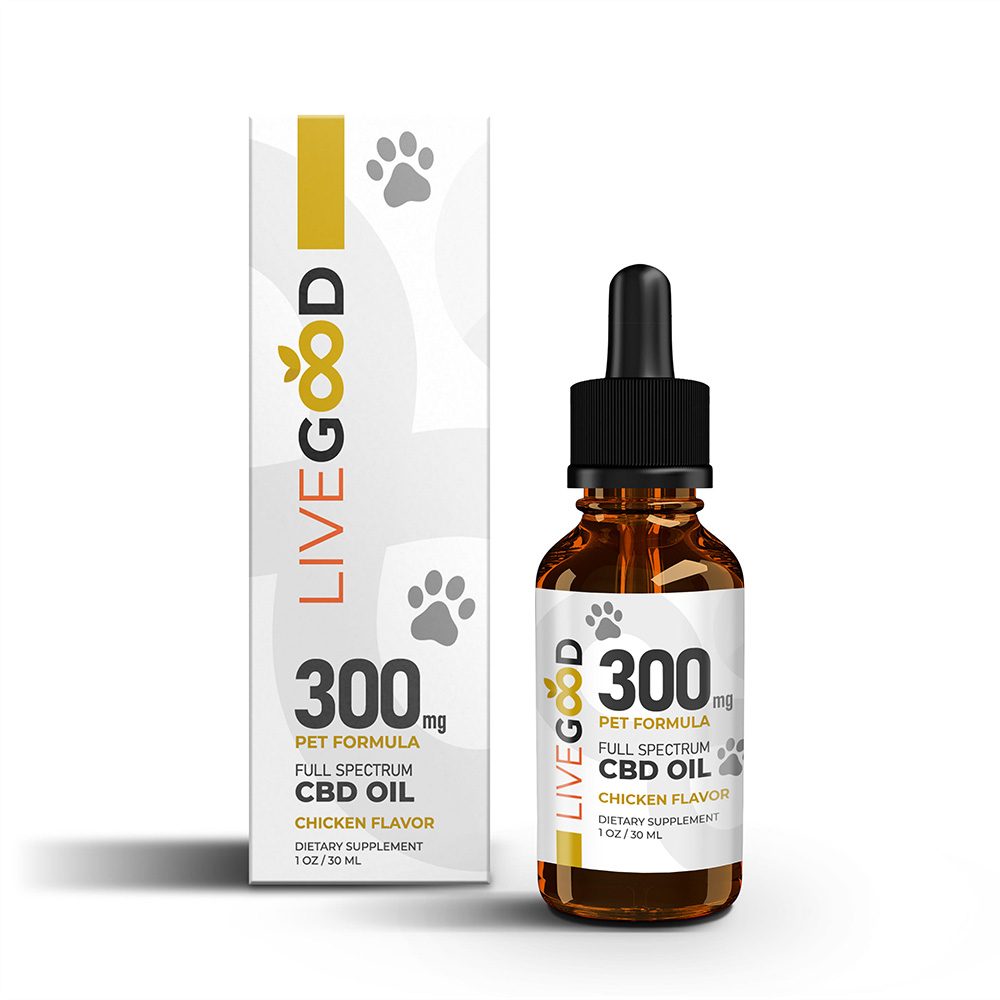
LiveGood CBD Oil - For Pets (500mg Beef) is a beef-flavored, full-spectrum CBD oil formulated with 500 mg of CBD using the same highest quality ingredients and processes as the human formulas. Add it to food, follow the weight-based directions on the label, and start low and go slow with veterinary input. It is $12.95 for members versus $24.95 retail, supporting LiveGood's mission to "Provide the highest quality supplements in the world, at the lowest prices possible."
Oil vs Treats vs Topicals
Product format changes how CBD reaches the body, so oil, treats, and topicals should not be assumed to share the same timeline.
Oil added to food is swallowed and absorbed through the digestive tract. It then passes through the liver before reaching wider circulation, a process called first-pass metabolism. The amount absorbed can vary with the meal, carrier oil, formulation, and individual dog. Measuring oil accurately also matters because different bottles contain different CBD concentrations per milliliter.
Treats and chews must break apart and be digested before their CBD becomes available. Their onset may be less predictable after a large meal, but research does not support one exact wait time for every chew. Check the CBD amount per treat rather than relying on package size or terms such as strong or premium. Never split a treat unless the label says it can be divided accurately.
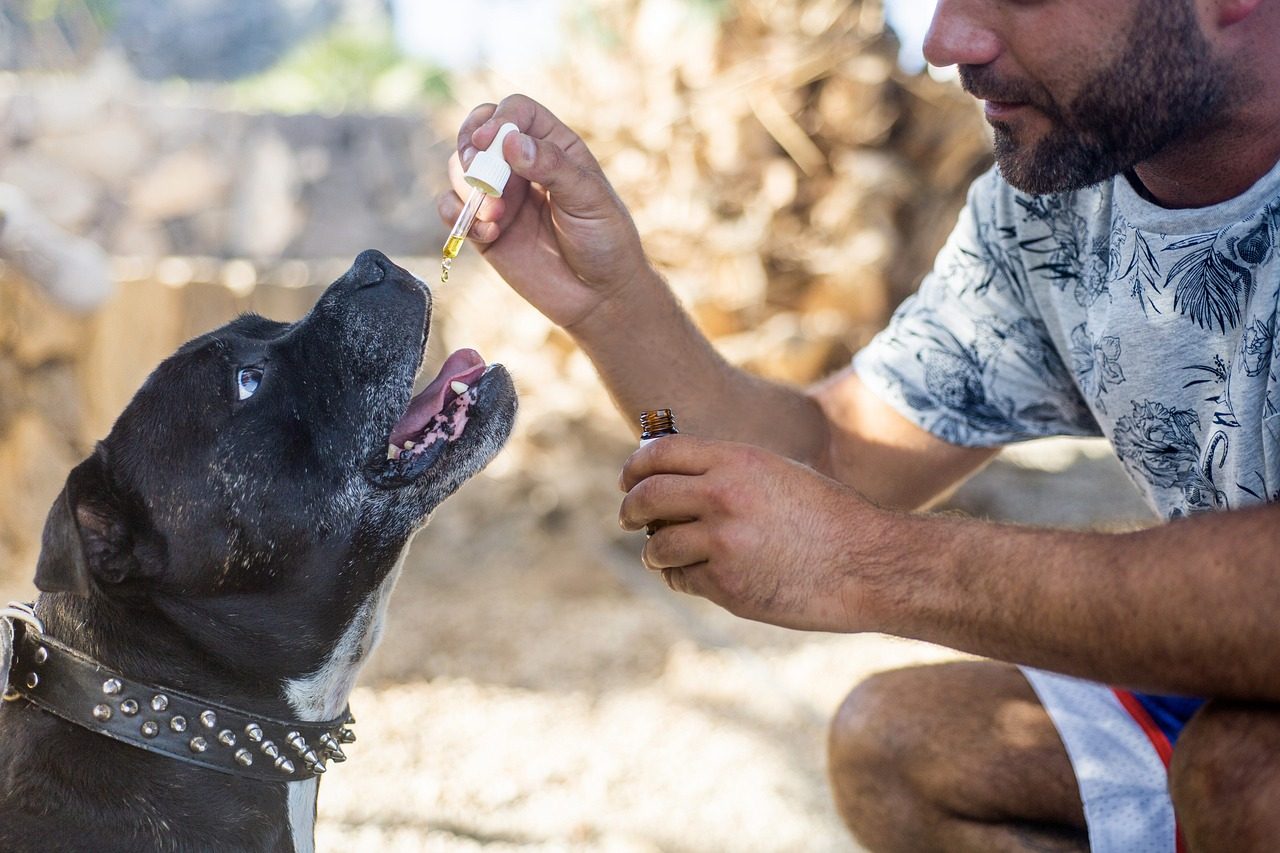
Oils, treats, and topicals can follow different absorption paths, so their timelines are not interchangeable.
Topicals are applied to the skin. Canine research suggests that absorption into the bloodstream can be limited or inconsistent, depending on the formula and application site. A topical should not be treated as interchangeable with an oral oil. Dogs may also lick products from their coat, turning topical exposure into oral exposure.
Human gummies, baked goods, and tinctures are poor substitutes for pet products. They may contain substantial THC, concentrated essential oils, chocolate, or xylitol. Xylitol can cause a dangerous drop in a dog's blood sugar and may damage the liver. Store all cannabinoid products where pets cannot reach them, including sealed bags that a determined dog could chew open.
When to Call Your Veterinarian
Talk with your veterinarian before giving your dog CBD, especially if your dog takes prescription or over-the-counter medications. CBD can affect CYP450 enzymes, a group of liver enzymes that helps process many drugs. This interaction may change medication levels or side effects. Dogs with liver or kidney conditions, existing medical conditions, or upcoming procedures need individual guidance.
Call your veterinarian promptly if your dog becomes unusually sleepy, weak, wobbly, disoriented, agitated, or difficult to wake. Vomiting, diarrhea, heavy drooling, tremors, urinary incontinence, or changes in heart rate also warrant professional advice. These signs are not a way to confirm that CBD is working. They may indicate an unwanted reaction, excessive exposure, THC exposure, or another medical problem.
Unusual sleepiness, wobbliness, vomiting, tremors, or suspected THC exposure should prompt a call to a veterinarian.
Treat accidental access to a human cannabis edible as urgent. Note the product name, estimated amount eaten, time of exposure, your dog's weight, and the ingredient list. Contact your veterinarian, an emergency veterinary hospital, or an animal poison control service. Do not induce vomiting unless a veterinary professional tells you to do so.
Bring the package and COA if available. THC exposure can be more serious in dogs than many owners expect, and a product labeled hemp-derived is not automatically harmless. Full-spectrum pet products may legally contain trace THC, while mislabeled or unregulated products can contain more than expected.
There is no home test that tells you exactly when CBD has left your dog's system. If timing matters because of a procedure, medication change, suspected exposure, or drug screening, give your veterinarian the full product details and let the clinical situation guide the next step.
Frequently Asked Questions
How long does CBD stay in a dog's system?
CBD may decline to low levels within roughly 12-24 hours after one oral serving, but it can remain detectable longer. The estimate comes from small studies reporting half-lives of a few hours, not from a universal clearance test. Repeated use, dose, food, formulation, and individual metabolism can extend or shorten the timeline.
How long does it take for CBD to work on a dog?
Oral CBD often reaches its highest measured blood concentration within about one to three hours in canine pharmacokinetic studies. That does not guarantee a noticeable response during the same period. Oils and treats must be digested, and timing varies with the meal, formulation, amount, and individual dog. Do not repeat a serving early without veterinary guidance.
How long do CBD effects last in dogs?
There is no well-established duration of CBD effects that applies to every dog. Product websites often quote several hours, but blood concentration studies cannot prove how long a dog experiences a particular effect. Any observable response may end before CBD is fully cleared, and sleepiness or quiet behavior should not automatically be interpreted as a benefit.
Does giving CBD with food change how long it lasts?
Yes, food may change CBD absorption and could alter its timeline in a dog. Because CBD is fat-soluble, a meal containing fat may increase the amount that reaches the bloodstream compared with administration on an empty stomach. For consistency, follow the label's instructions and give the product the same way each time unless your veterinarian advises otherwise.
How long do CBD treats last for dogs?
CBD treats do not have one proven duration for all dogs. They must break down in the digestive tract, so their timing depends on the treat formula, meal, CBD amount, and your dog's metabolism. Check the labeled CBD content per treat, follow weight-based directions, and wait for veterinary advice rather than giving another treat because no immediate change is visible.