
How Much CBD Oil Do People Take? Dosage Basics and Cautions
 Written by Nauder Khazan
Ask AI about this article and CBD Oil (Full-Spectrum)





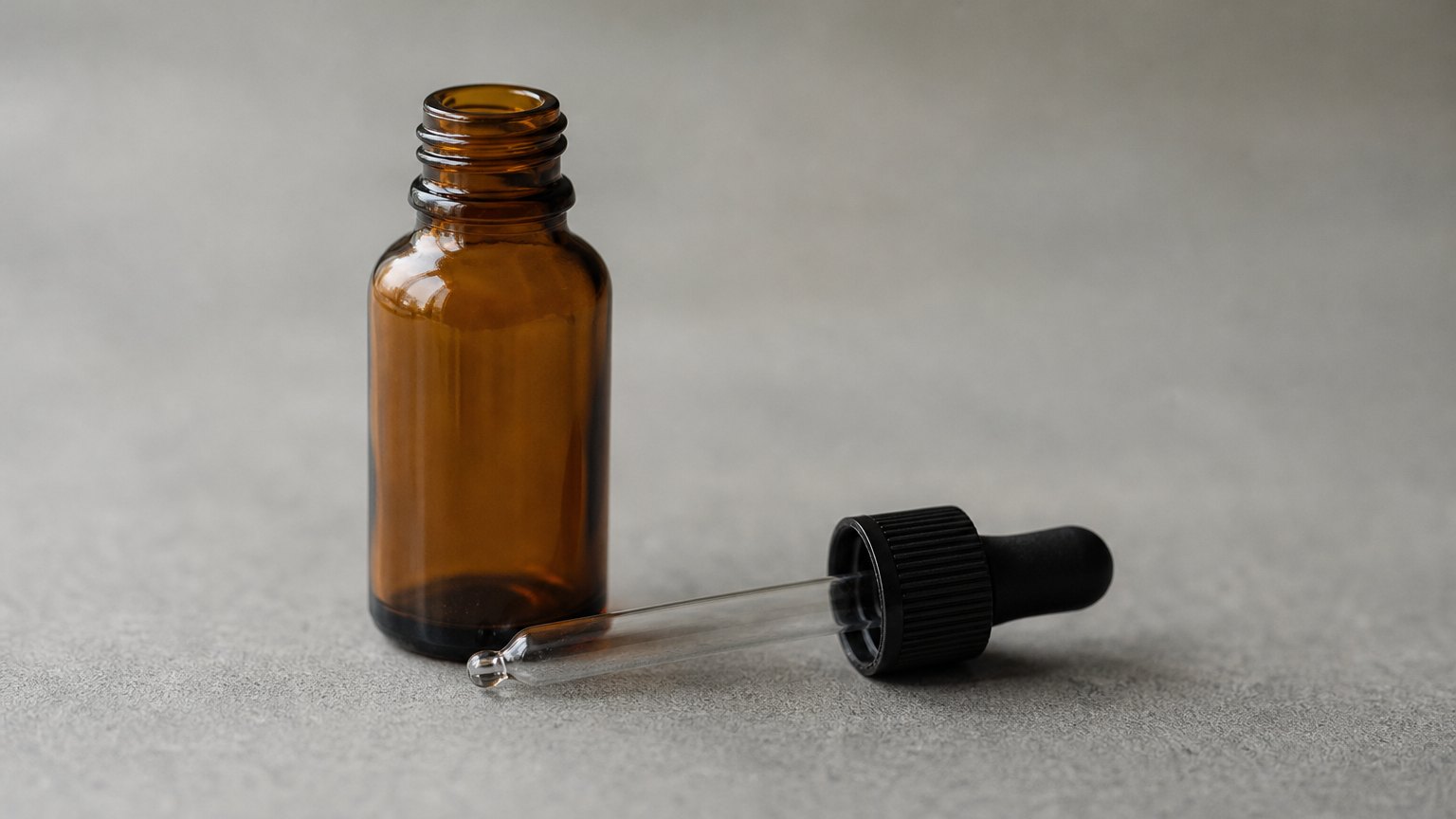
There is no established amount of nonprescription CBD oil that everyone should take. A sensible starting point is the product's labeled serving, measured in milligrams rather than drops, after checking with a clinician about medications and health conditions. Here is how to read the potency, evaluate the product, and avoid common dosing mistakes.
Key Takeaways
- No universal dose exists: Research has not established one CBD supplement dose for wellness, pain, or any other condition.
- Count milligrams, not drops: The bottle total does not tell you how much CBD is in one serving.
- Follow the product label: Do not exceed or change the labeled serving without guidance from a qualified clinician.
- Check the batch COA: Independent testing can help confirm CBD, THC, and contaminant levels.
- Review medications first: CBD can change how the body processes many prescription and over-the-counter drugs.
Why There Is No Established CBD Dose
CBD, short for cannabidiol, is one of many compounds found in hemp. Although CBD oils are widely sold, the US Food and Drug Administration has not established a general dose for nonprescription CBD products. Research has used widely different amounts, formulations, schedules, and study populations. Those numbers should not be treated as personal instructions.
The exception is Epidiolex, an FDA-approved prescription CBD medicine used for specific seizure disorders. Its dosing is condition-specific, weight-based, and supervised by a medical professional. That prescription framework does not create a recommended dose for CBD oils sold as supplements.
For ordinary CBD oil, the amount a person uses may be influenced by the product's concentration, serving size, other ingredients, and how often it is taken. Individual differences also matter. Liver function, medications, age, and sensitivity can affect how CBD is processed. Even two bottles that look similar may provide very different amounts per milliliter.
Research also does not establish a CBD supplement dose for pain. CBD should not be presented as a treatment, cure, or pain-relief product. If pain is new, severe, persistent, or worsening, seek medical care rather than experimenting with a supplement.
CBD supplements do not have one established serving that applies to every person or purpose.
Honest, evidence-grounded education means being clear about what research does not show. Instead of copying a dose from a study or another person's routine, follow your product's directions and discuss CBD with a clinician who understands your health history.
Reading a Label: mg Per Bottle vs mg Per Serving
The most useful number on a CBD oil label is the amount of CBD in one measured serving. A front label that says "750 mg CBD" often means the entire bottle contains 750 milligrams. It usually does not mean that one dropper or serving contains 750 mg.
Use these three label details:
| Label detail | What it means |
|---|---|
| CBD per bottle | The total milligrams of CBD in the full container |
| Bottle volume | The total liquid, usually shown in milliliters or mL |
| Serving size | The measured amount to take according to the label |
To find concentration, divide the total CBD by the bottle volume:
total CBD in mg / bottle volume in mL = CBD in mg per mL
For example, a hypothetical 30 mL bottle containing 750 mg of CBD has a concentration of 25 mg per mL. If its labeled serving is 1 mL, that serving provides 25 mg. If the serving is 0.5 mL, it provides 12.5 mg. Always use the actual volume and serving shown on your bottle.
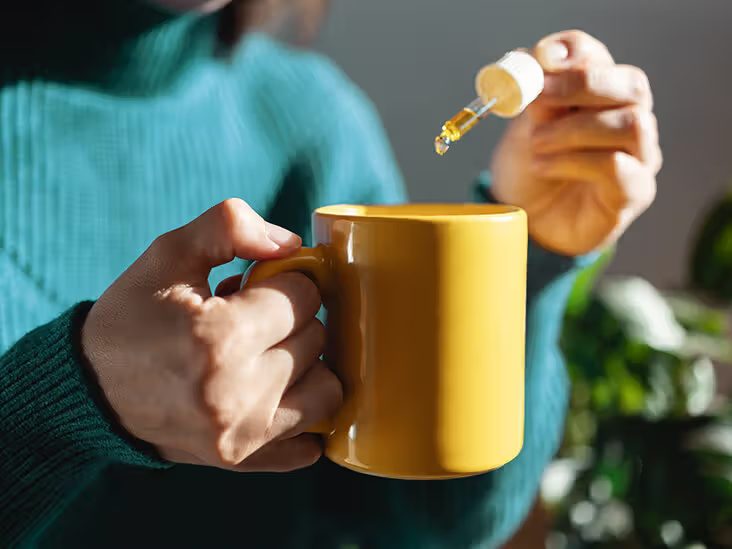
The total CBD in a bottle must be divided by its liquid volume to calculate milligrams per milliliter.
Drops are less dependable because droppers and drop sizes vary. Three drops could represent different amounts in different bottles. Likewise, one full dropper is not automatically 1 mL unless the markings or directions say so. Use a marked dropper, check the milligrams per serving, and do not classify 10 mg or 20 mg as universally low or high. Context and product concentration matter.
If you want a clearly labeled, full-spectrum option, LiveGood CBD Oil (Full-Spectrum) is derived from the top 1% of hemp farms in the country and uses MCT oil as its carrier for faster absorption and maximum benefit. Follow the labeled serving. The 750 mg strength is $14.95 member or $29.95 retail. The 1500 mg strength is $19.95 member or $39.95 retail, in Natural or Peppermint, plus limited-time Cinnamon 1500 mg. Wellness should not be a luxury.
Why Third Party Testing Matters
A careful calculation only helps if the bottle contains what its label says. Independent testing has repeatedly found CBD products with more or less CBD than claimed. Some have also contained unexpected THC or contaminants. This label-to-content mismatch is a common reason people misjudge how much they are taking.
A third-party laboratory is a lab separate from the manufacturer. It tests a product sample and issues a certificate of analysis, usually called a COA. A useful COA should match the lot or batch number printed on your bottle. Testing from a different batch cannot confirm the contents of the product in your hand.
A batch-specific certificate of analysis can help confirm cannabinoid content and contaminant testing.
Review the COA for:
- CBD content, ideally reported in mg per mL or mg per serving
- THC and other cannabinoid levels
- Heavy metals such as lead, arsenic, cadmium, and mercury
- Pesticides, solvents, and microbial contaminants
- The laboratory name, test date, methods, and accreditation details
Full-spectrum CBD contains multiple hemp compounds and can include trace THC. "Trace" does not mean zero. Repeated use could matter for people who receive workplace, athletic, legal, or medical drug testing. Most routine cannabis tests look for THC metabolites rather than CBD, but a full-spectrum product may still create a testing risk.
Be cautious if a company provides no batch-specific COA, uses an expired report, or shows only a potency test without contaminant results. A QR code is convenient, but the report behind it is what matters. Confirm that the numbers, product name, and batch all match before using the label to calculate a serving.
Drug Interactions Worth Knowing About
CBD is processed largely in the liver. It can affect enzymes in the cytochrome P450 system, often shortened to CYP450. These enzymes act like chemical processing tools. They help break down many medications so the body can remove them at an expected rate.
When CBD slows or changes an enzyme's activity, the amount of another drug in the bloodstream may rise or fall. That could increase side effects or make a medication work differently. The interaction depends on the CBD amount, medication, timing, liver function, and other personal factors.

A doctor or pharmacist can check whether CBD may affect how your medications are processed.
Medicines that deserve particular caution include blood thinners, seizure medicines, transplant medicines, sedatives, some antidepressants, heart medicines, and drugs with a narrow therapeutic index. A narrow therapeutic index means there is only a small gap between an effective amount and a potentially harmful one. This list is not complete. Over-the-counter medicines, herbal products, alcohol, and other supplements can matter too.
A grapefruit warning on a medication can be a useful signal because grapefruit affects some of the same enzymes. It is not a complete CBD interaction test, however. A medicine without that warning may still interact.
CBD may cause sleepiness, diarrhea, appetite changes, or liver-related concerns in some people. Combining it with alcohol, sleep aids, or other substances that cause drowsiness may increase impairment. Do not drive or operate machinery until you know how a product affects you.
If you take any medication, ask a doctor or pharmacist before using CBD. Do not stop, skip, or change a prescription to make room for a CBD supplement. A clinician may recommend avoiding CBD, monitoring laboratory values, or choosing another approach based on your medication plan.
Questions to Ask a Clinician
A productive conversation about CBD can be brief, especially if you arrive with the right information. Bring the bottle or a clear photo of the full label. If available, bring the batch-specific COA as well. Your clinician needs the product concentration, labeled serving, ingredients, and THC status, not just the brand name.
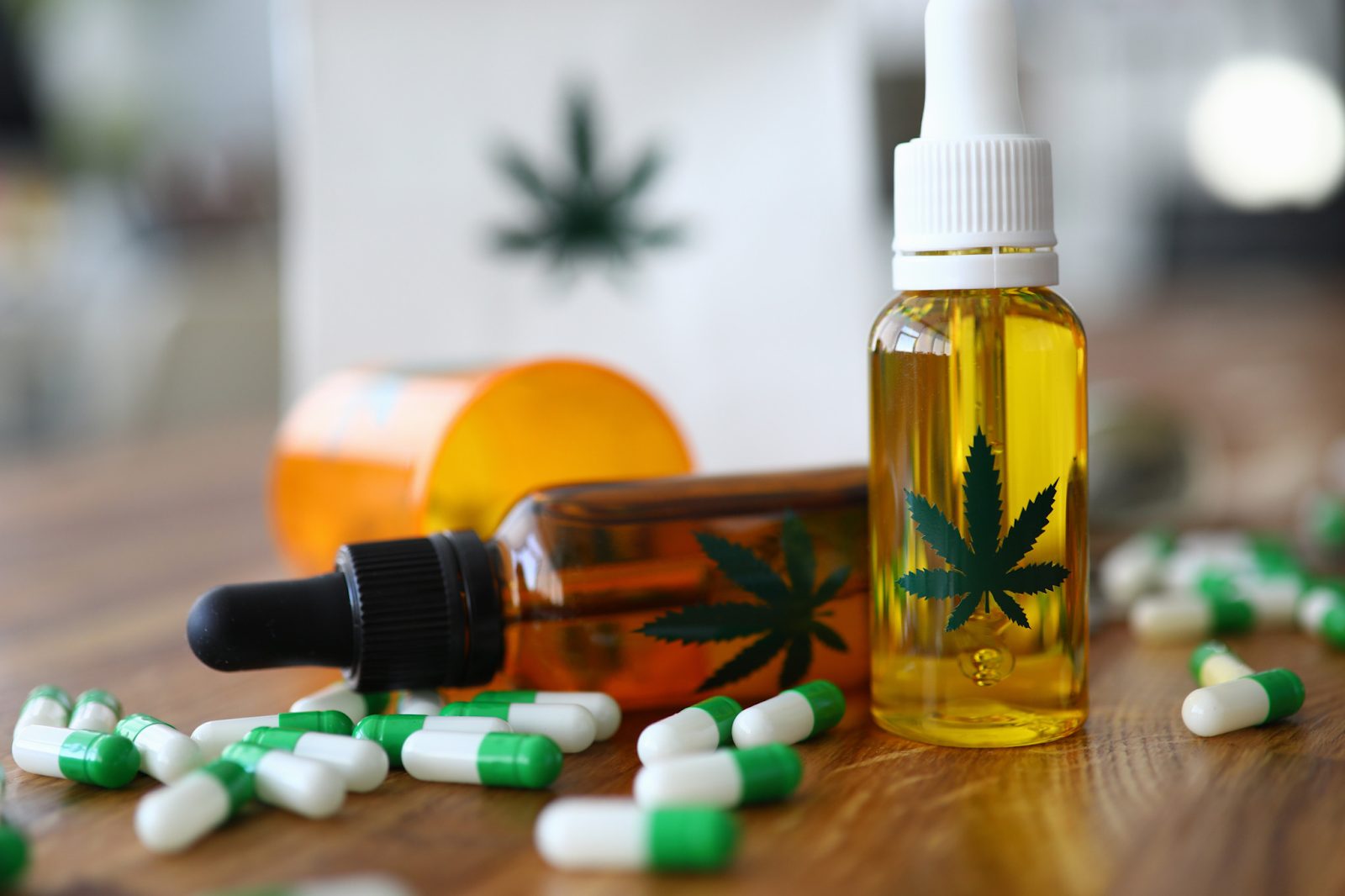
Bring the product label and matching laboratory report when discussing CBD with a clinician.
Consider asking:
- Does CBD interact with any of my prescriptions, over-the-counter medicines, or supplements?
- Does my liver or kidney health change the safety concerns?
- Could CBD affect blood tests, medication monitoring, alertness, or driving?
- Is full-spectrum CBD appropriate if I may be tested for THC?
- What side effects should prompt me to stop and seek help?
- How should I evaluate whether continued use makes sense?
Talk to your doctor before using CBD if you are pregnant or breastfeeding, have a liver or kidney condition, take prescription medication, or have an existing medical condition. Safety information during pregnancy and breastfeeding is insufficient, so avoiding unsupervised use is the cautious choice.
Keep a simple written record if your clinician agrees that you may use the product. Note the product, batch, labeled serving, time taken, medications used that day, and any unwanted effects. Do not increase the serving simply because you do not notice an immediate feeling. CBD may not produce a distinct sensation, and taking more does not prove that it will provide a greater benefit.
Consistency and accurate measurement are more useful than guesswork. Use the same marked measuring tool, follow storage directions, and recheck the concentration whenever you change bottles or strengths. A 1500 mg bottle may provide twice the CBD per mL as a 750 mg bottle of the same size.
Frequently Asked Questions
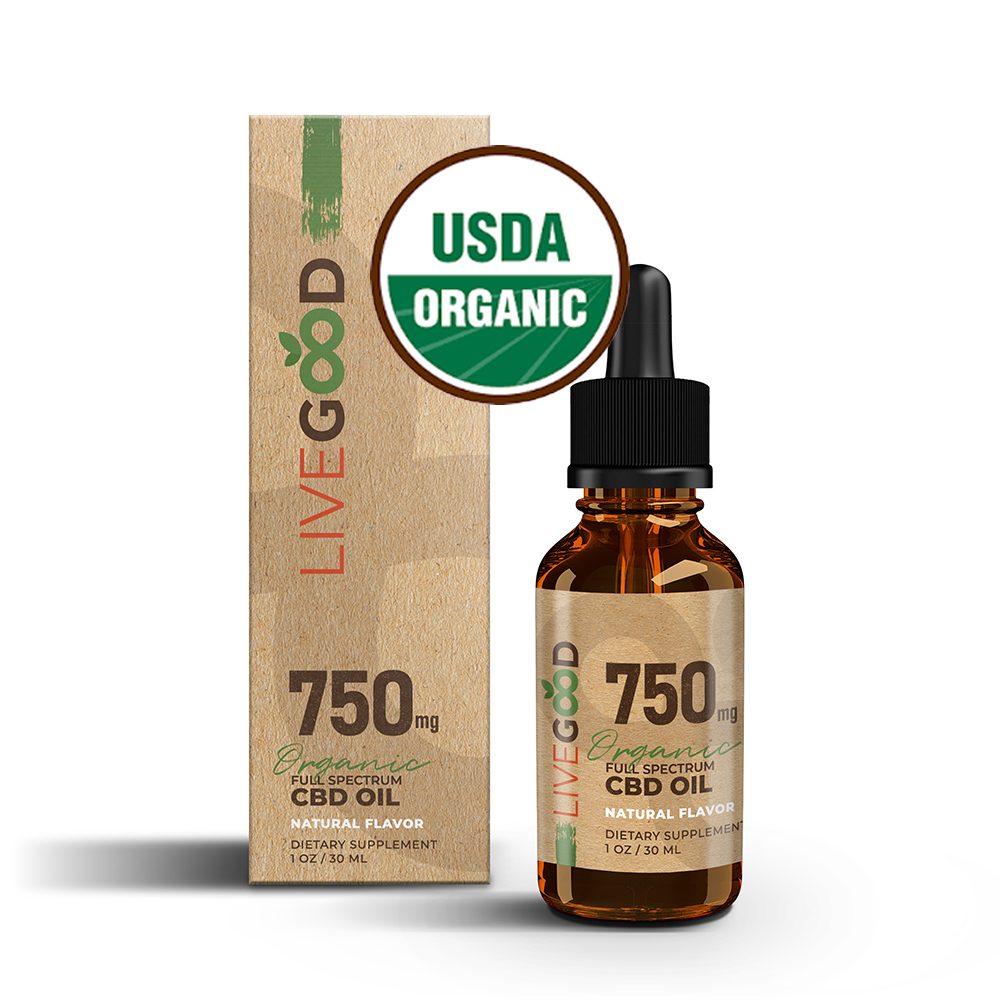
Accurate CBD measurement begins with the labeled milligrams per serving, not an estimated number of drops.
How much CBD oil do people take?
There is no single CBD oil amount that is right for everyone. Nonprescription products vary greatly in concentration, and research amounts are not personal dosing instructions. Check how many milligrams are in the labeled serving, use the marked dropper, and follow the package directions. Ask a clinician before use if you take medication or have an existing health condition.
Is there an established CBD dose for pain?
No established CBD supplement dose exists for pain. Studies use different products, amounts, and methods, so their numbers should not be copied into a self-directed routine. CBD oils should not be treated as pain medicines. Speak with a healthcare professional about persistent or worsening pain and follow the CBD label only if that professional agrees it is appropriate.
How do you read CBD oil potency on a label?
Divide the total milligrams of CBD by the bottle's milliliters to find mg per mL. Then multiply that concentration by the labeled serving volume. For example, 750 mg in 30 mL equals 25 mg per mL. Do not assume the large number on the front is one dose, and do not rely on drop counts unless the label defines them.
Can CBD interact with medications?
Yes, CBD can interact with many medications by changing how liver enzymes process them. Blood thinners, seizure medicines, sedatives, transplant drugs, and some heart or mood medicines may require particular caution. This is not a complete list. Ask a doctor or pharmacist to review all prescriptions, nonprescription medicines, herbs, and supplements before you use CBD.
How long does CBD stay in your system?
CBD may remain in the body for several days, but the timeline varies with the amount, frequency of use, metabolism, body composition, and testing method. Regular use may extend that window. Feeling an effect and having a detectable compound are not the same thing. Full-spectrum oil also contains trace THC, which may create a separate drug-testing concern.