
Is It Safe to Take Colostrum Every Day?
 Written by Nauder Khazan
Ask AI about this article and Whey Protein Isolate - With Colostrum






For many healthy adults, bovine colostrum appears to be tolerated when taken as directed. The main practical concerns are often overlooked: it is a dairy product that can affect people with milk allergy or lactose intolerance, and its safety depends partly on responsible sourcing and testing. Here is what to consider before making it a daily habit.
Key Takeaways
- Treat it as dairy: Bovine colostrum contains milk proteins and may contain lactose, depending on how it is processed.
- Know allergy symptoms: Anyone with a cow's milk allergy should avoid bovine colostrum unless an allergy specialist says otherwise.
- Expect limited long-term data: Human studies generally cover weeks or a few months, not years of uninterrupted use.
- Check quality closely: Look for clear sourcing, allergen information, microbial testing, contaminant testing, and lot-specific documentation.
- Follow the label: There is no universally established daily dose or proven best time to take colostrum.
What Bovine Colostrum Actually Is
Bovine colostrum is the first milk a cow produces after giving birth. It is thicker and more concentrated than ordinary cow's milk because it is designed to nourish a newborn calf during its first days of life. Supplements collect this fluid and process it into powders, capsules, tablets, or blended nutrition products.
Colostrum naturally contains protein, milk sugars, fat, vitamins, minerals, antibodies, and signaling proteins. Antibodies are proteins the immune system uses to recognize specific targets. You may also see immunoglobulins, especially IgG, listed on a label. Immunoglobulin is simply another name for an antibody.
Those components make bovine colostrum interesting to researchers, but their role in a calf does not prove the same effect in an adult human. Your digestive system breaks down many proteins into smaller pieces. Processing methods, serving size, the person's health, and the product itself can also affect what reaches the digestive tract.
This is why colostrum should be viewed as an optional dietary supplement, not a nutrient every adult needs. Men and women can both use it, but there is not strong evidence that healthy adults require it or that taking it every day produces broad health improvements.

Bovine colostrum is the first milk produced after calving and is processed into several supplement forms.
The most useful starting point is not an exciting ingredient list. It is recognizing that bovine colostrum comes from cow's milk and carries the practical considerations that come with dairy.
The Dairy Question Most Pages Skip
Bovine colostrum contains cow's milk proteins. That makes a diagnosed cow's milk allergy a genuine reason to avoid it unless your allergy specialist has specifically advised otherwise. The proteins involved can include casein and whey, which are also found in regular dairy products.
A milk allergy is not the same as lactose intolerance. An allergy is an immune reaction to milk protein. Symptoms can include hives, itching, facial or throat swelling, wheezing, vomiting, dizziness, or a dangerous whole-body reaction called anaphylaxis. Stop using the product and seek urgent medical help if you develop trouble breathing, throat swelling, faintness, or other signs of a severe reaction.
Lactose intolerance involves difficulty digesting lactose, the natural sugar in milk. It usually causes digestive symptoms rather than an immune reaction. Possible colostrum side effects include gas, bloating, abdominal discomfort, nausea, or diarrhea. These symptoms can also occur from other ingredients in a formula, such as sweeteners, flavorings, or a large protein serving.

Milk allergy and lactose intolerance are different reactions that require different safety decisions.
The amount of lactose is not identical across products. Processing may remove some lactose, but words such as concentrated, filtered, or low lactose do not automatically mean lactose-free. If you are lactose intolerant, check the allergen statement and ask the manufacturer for the measured lactose content. A lactase enzyme may help some people digest lactose, but it does not make a product safe for a milk allergy.
If mild digestive symptoms begin after starting colostrum, stop taking it and see whether they resolve. Persistent, severe, or unexplained symptoms deserve medical advice rather than repeated testing at home.
What Daily Use Research Covers
Daily bovine colostrum research in adults is still limited. Trials have studied specific groups, including athletes and physically active adults, and have usually lasted several weeks or a few months. Researchers have examined digestive markers, exercise-related measures, and aspects of immune function, but findings are inconsistent and do not establish that every healthy adult will benefit.
A peer-reviewed review of bovine colostrum research also highlights major differences among studies. Products, doses, processing methods, participant groups, and measured outcomes vary. That makes it difficult to translate one study into a universal daily recommendation. Research on an isolated colostrum powder also cannot automatically be applied to every commercial blend.
Short studies provide some reassurance about tolerance during the period observed. They cannot tell us much about taking colostrum continuously for years. There is no well-established lifetime dose, required cycling schedule, or evidence-based rule that healthy adults need to take breaks. This is an honest gap in the evidence.

Most human colostrum studies have followed daily use for weeks or months rather than years.
There is also no proven best time to take it. Some labels suggest an empty stomach, while blended protein products may be used with a meal or after exercise. Follow the product directions instead of assuming that morning, nighttime, or pre-workout use changes its effects.
Colostrum can generally appear in the same routine as probiotics or other common supplements, but research has not shown that the combination is better. Check for overlapping ingredients and ask your doctor or pharmacist about prescription medication interactions. Consistency may make a routine easier to evaluate, but it does not replace healthy meals, sleep, activity, or medical care.
Sourcing, Testing and Quality
Colostrum is not a single purified compound. It is a complex animal-derived material, and batches may be collected from multiple cows or farms. The composition can change with collection timing, herd health, feeding practices, processing, and storage. That makes sourcing more than a marketing detail.
Start with animal welfare and traceability. A responsible company should be able to explain where its colostrum comes from and whether calves receive the colostrum they need first. Look for a named country or region rather than vague wording such as globally sourced. Clear farm standards and traceable lots make it easier to investigate a quality problem.
Processing matters too. Colostrum must be handled in a way that controls harmful bacteria while producing a stable supplement. Claims such as low heat or minimally processed may describe a method, but they do not replace safety testing. You want evidence that the finished batch meets microbial limits for organisms such as Salmonella and E. coli.

Clear sourcing and lot-specific testing help you assess the quality of an animal-derived supplement.
Ask whether the finished product is tested for heavy metals and other relevant contaminants. A certificate of analysis, often shortened to COA, is a document showing test results for a specific lot. The strongest documentation identifies the batch and the laboratory rather than offering a generic sample report. If a label highlights IgG content, check whether it states an amount per serving and whether that amount is verified after processing.
Also review the full ingredient list, dairy allergen statement, serving size, storage directions, and expiration date. Transparent labels help you compare what you are actually getting. This practical focus reflects LiveGood's mission: "Provide the highest quality supplements in the world, at the lowest prices possible."
Who Should Avoid It
Do not take bovine colostrum if you have a cow's milk allergy unless an allergy specialist has clearly told you it is appropriate. A lactose-free claim does not remove milk proteins, so it does not make colostrum safe for someone with that allergy. People with severe dairy reactions should also consider possible cross-contact when reviewing a product.
If you are pregnant or breastfeeding, talk to your doctor before using colostrum. There is not enough high-quality safety research in these groups to assume that daily supplementation is appropriate. The fact that colostrum is a natural milk product does not answer pregnancy safety questions.
People who are immunocompromised should also speak with their doctor first. This includes people taking immune-suppressing medicine or living with a condition that weakens immune defenses. Product quality and microbial control are especially relevant for these readers, but even a well-tested supplement does not replace individualized medical guidance.
Medical guidance is appropriate for pregnancy, immune suppression, prescription medicine use, and existing health conditions.
Talk to your doctor if you have kidney or liver disease, another existing medical condition, or take prescription medicine. Colostrum has not been shown to be hard on healthy kidneys at ordinary label servings, but concentrated protein supplements may not fit every medically restricted diet. Your clinician can consider your total protein intake, laboratory results, and treatment plan.
Children should not be given an adult colostrum supplement without guidance from a pediatrician. Stop use and seek advice if you develop ongoing diarrhea, vomiting, significant abdominal pain, rash, or other troubling symptoms. Get emergency help for breathing difficulty, throat swelling, or signs of a severe allergic reaction. You can also report a serious supplement reaction through the FDA Safety Reporting Portal.
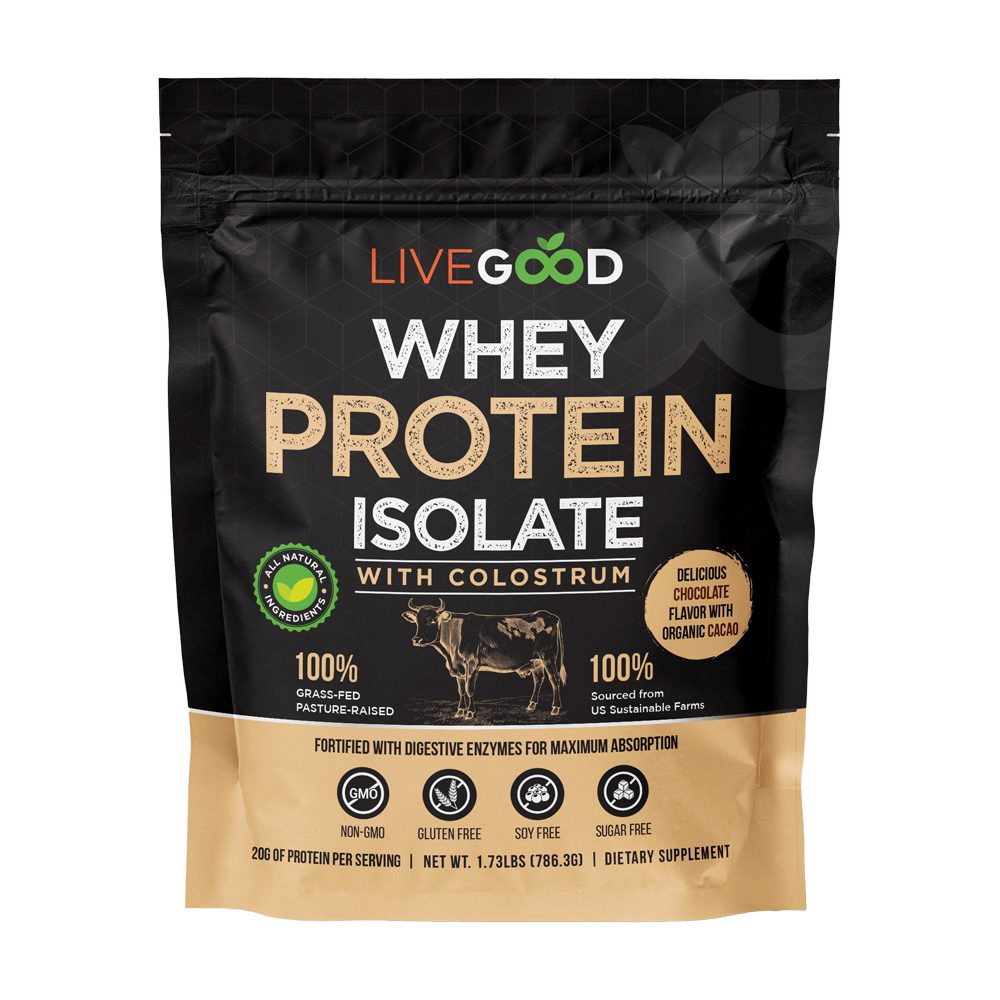
If a combined protein and colostrum product fits your routine, Whey Protein Isolate - With Colostrum provides 20 grams of protein with all nine essential amino acids, organic cacao, colostrum, and digestive enzymes that support digestion and nutrient absorption, gut health, and immune function. Its whey is 100% grass-fed, pasture-raised, and sourced from US sustainable farms. Chocolate is $39.95 for members and $49.95 retail. Follow the label and remember that it contains dairy.
Frequently Asked Questions
Is colostrum safe to take every day?
Daily colostrum appears tolerable for many healthy adults who can safely consume dairy. However, research usually follows people for weeks or months, so long-term safety is not firmly established. Choose a transparent, tested product and follow its label. Talk to your doctor first if you take prescription medicine, are immunocompromised, or have kidney, liver, or other medical conditions.
What are the side effects of colostrum?
The most likely colostrum side effects are digestive symptoms such as gas, bloating, nausea, abdominal discomfort, or diarrhea. Because bovine colostrum contains milk proteins, it can also cause a serious allergic reaction in someone with a cow's milk allergy. Stop taking it if symptoms appear, and seek emergency care for wheezing, throat swelling, faintness, or trouble breathing.
Can you take colostrum if you are lactose intolerant?
Some people with lactose intolerance may tolerate certain colostrum products, but the lactose content varies. Check whether the manufacturer provides an actual lactose measurement rather than relying on processing language. Begin only according to label directions and stop if digestive symptoms develop. Lactose intolerance is different from milk allergy, and no bovine colostrum product should be assumed safe for a milk allergy.
Is colostrum safe during pregnancy?
Colostrum supplement safety has not been established during pregnancy or breastfeeding. Human research in these groups is too limited to support a general daily-use recommendation. Talk to your doctor before taking it, even if you have used dairy products without difficulty. Your clinician can review the complete formula, your diet, existing conditions, and any medications or other supplements you use.
How much colostrum is typical?
There is no universally established daily dose of bovine colostrum. Human studies have used widely different amounts, often several grams and sometimes 10 to 60 grams per day, but those research doses are not personal recommendations. Concentrations and blended formulas differ, so follow the serving directions on your specific label. Do not increase the amount to copy a study without talking to your doctor.