
Whey Protein Isolate on Keto: How to Use It
 Written by Nauder Khazan
Ask AI about this article and Whey Protein Isolate - With Colostrum





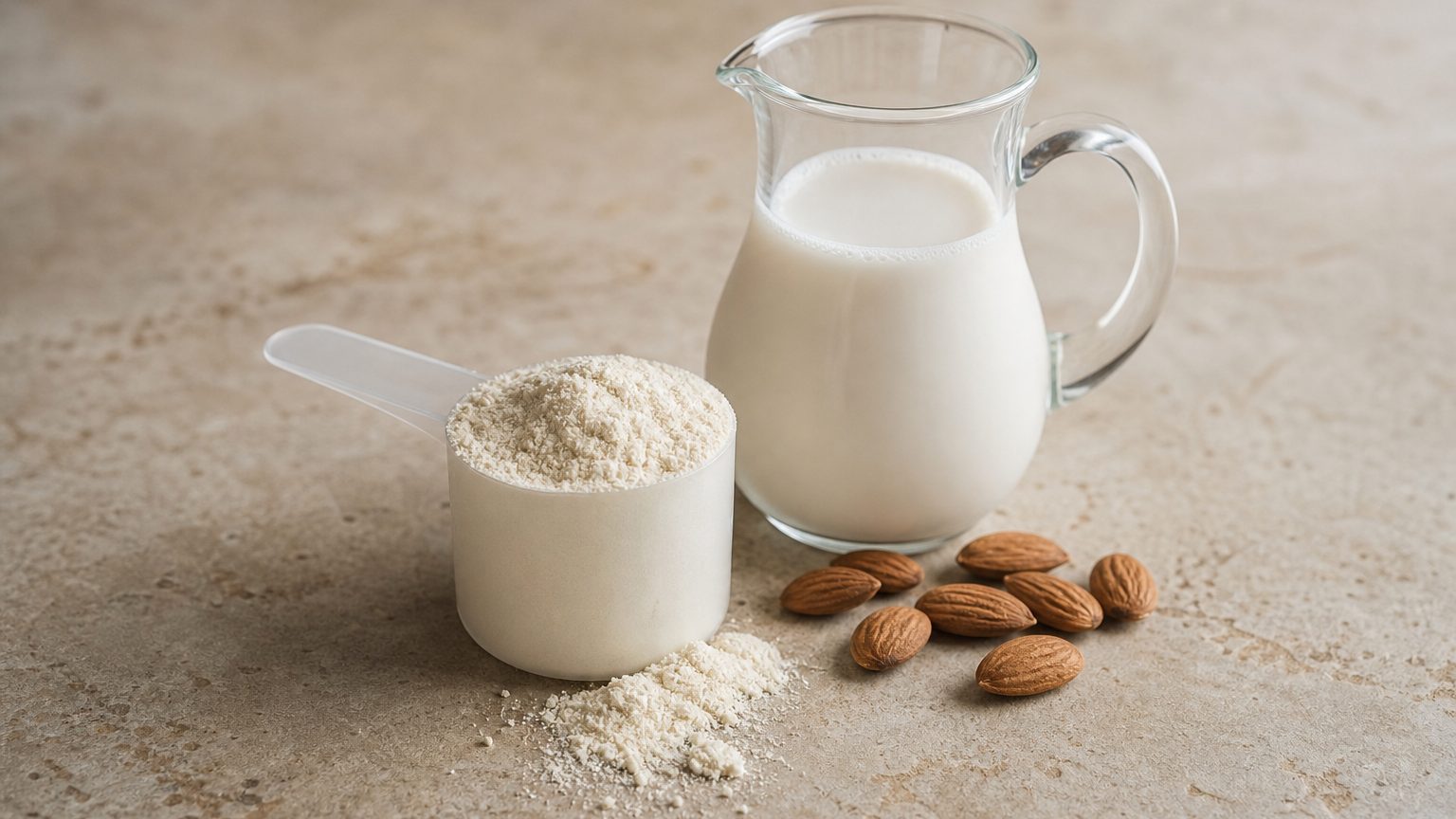
Yes, whey protein isolate is usually keto friendly because it is high in protein and typically contains only 1-2 grams of carbohydrate per scoop. A normal serving of protein does not automatically stop ketosis, but the label, serving size, and ingredients you mix with it still matter.
Key Takeaways
- Isolate is usually the lower-carb choice: Additional filtering removes most of the lactose, fat, and other non-protein material found in whey concentrate.
- Protein does not automatically stop ketosis: Gluconeogenesis is largely driven by the body's need for glucose, not simply by how much protein you eat.
- Check the actual serving: Most isolates provide around 1-2 grams of carbohydrate per scoop, but formulas and scoop sizes vary.
- Mixers can change the equation: Water, unsweetened plant milk, coffee, ice, and low-carb flavorings keep the total more keto friendly.
- Use whey to fill a gap: It is a convenient supplement, not a required keto food or a complete replacement for balanced meals.
Isolate Versus Concentrate on Keto
Whey is the liquid portion of milk separated during cheesemaking. Manufacturers filter and dry that liquid to create whey protein powder. How much filtering it receives helps determine whether the finished powder is concentrate or isolate.
Whey protein concentrate is filtered, but it retains more of the milk's natural carbohydrate and fat. That carbohydrate includes lactose, the sugar found in milk. Concentrate can still fit a ketogenic diet, especially when its label shows only a few grams of carbohydrate. However, there is more variation among concentrate products.
Whey protein isolate goes through additional filtering. It is generally at least 90% protein by dry weight, with much of the lactose and fat removed. That often produces a powder with approximately 1-2 grams of carbohydrate per scoop. Some unflavored isolates have even less, while flavored formulas may have more.

Whey protein isolate undergoes additional filtering, which generally leaves less lactose and carbohydrate than concentrate.
This makes isolate the easier option when you have a tight daily carbohydrate budget. It also tends to contain less lactose, which some people find easier to digest. Less lactose does not always mean lactose-free, though. If you are highly sensitive, check the product's allergen statement and nutrition label rather than relying on the word "isolate."
Neither type is automatically keto friendly. Added sugar, maltodextrin, cookie pieces, and other flavoring ingredients can raise the carb count. The form of whey is a useful starting point, but the finished product's label gives you the answer that matters.
Will Protein Knock You Out of Ketosis?
Protein does not reliably knock you out of ketosis when you eat it in a normal amount that fits your overall diet. Ketosis is the state in which your body produces ketones from fat because carbohydrate availability is low. Carbohydrate intake is usually the biggest dietary factor affecting that state.
The confusion often centers on gluconeogenesis. This term means "making new glucose." Your liver can make glucose from certain amino acids, which are the building blocks of protein. That process supplies glucose to tissues that still need it when dietary carbohydrate is limited.
However, gluconeogenesis is largely demand driven, not simply supply driven. Eating protein does not mean every extra amino acid is immediately converted into sugar. Your body also uses amino acids to maintain muscle, make enzymes, produce signaling molecules, and repair tissues.

A typical protein serving supports daily nutrition without automatically stopping ketone production.
Whey can stimulate insulin because amino acids help signal that nutrients are available. An insulin response is not the same thing as being permanently knocked out of ketosis. Ketone levels may shift after a meal, and a very large protein intake may lower them temporarily in some people. That does not support the claim that an ordinary protein shake always stops ketosis.
Your response depends on the serving, your total daily protein and carbohydrate intake, activity level, energy needs, and how strictly you define ketosis. If ketone readings matter for a medically supervised ketogenic diet, follow your clinical team's plan. A general fitness shake should not replace individualized medical guidance.
Reading the Carb Count Properly
Start with the Nutrition Facts panel, not claims such as "low carb," "keto," or "zero sugar" on the front of the container. Look at total carbohydrate per serving, then confirm how large that serving is. One brand's scoop may be much larger than another brand's scoop.
A straightforward whey isolate often contains around 1-2 grams of carbohydrate per scoop. That amount can usually fit within a keto eating pattern, but there is no universal carb limit that works for everyone. Count the powder as part of your full day rather than treating it as free of carbs.
Next, review the ingredient list. Cocoa or cacao can contribute a small amount of carbohydrate. Added sugar and ingredients such as maltodextrin may add more. Sugar alcohols and fiber are sometimes subtracted when people calculate "net carbs," but not every sugar alcohol affects digestion or blood glucose in the same way. The total carbohydrate line is the clearest conservative starting point.

The Nutrition Facts panel reveals the serving size and total carbohydrate that count toward your daily plan.
Also check the number of scoops you actually use. A label showing 2 grams of carbohydrate per scoop becomes 4 grams if you blend two scoops. Milk, fruit, sweetened yogurt, nut butter, and flavored coffee additions can raise the shake's total further.
Finally, do not confuse "no added sugar" with "no carbohydrate." Milk-derived ingredients may contain naturally occurring carbohydrate even when no sugar was added. A transparent label should show protein, total carbohydrate, sugars, fat, calories, serving size, and all added ingredients so you can decide whether the powder fits your personal keto plan.
What to Mix It With
Water is the simplest zero-carb mixer. Use cold water and ice for a lighter shake, or reduce the water for a thicker texture. A shaker bottle works well, while a blender creates a smoother drink and makes it easier to add other ingredients.
Unsweetened almond milk and unsweetened coconut milk beverages are common low-carb choices. Read their labels because sweetened and flavored versions can contain considerably more carbohydrate. Regular dairy milk contains lactose, so even though it provides protein and other nutrients, it adds more carbs than water or many unsweetened plant beverages.
For a coffee shake, blend whey into cooled or warm coffee rather than pouring powder directly into very hot liquid. First mix the powder with a small amount of cool water to make a smooth paste, then stir in the coffee. This helps prevent clumps. You can also add ice for a blended mocha-style drink.
Cinnamon, a small amount of unsweetened cacao, vanilla extract, or a keto-compatible sweetener can add flavor. Nut butter, avocado, seeds, and full-fat plain yogurt can change the texture and nutrient profile, but they are not carb-free. Measure them and include their carbohydrates in your day.
Avoid assuming that a smoothie is low carb just because it contains whey isolate. Bananas, dates, honey, juice, sweetened milk, and large fruit portions can turn a low-carb powder into a high-carb drink. Build the shake from the liquid up, checking each ingredient rather than focusing only on the scoop.
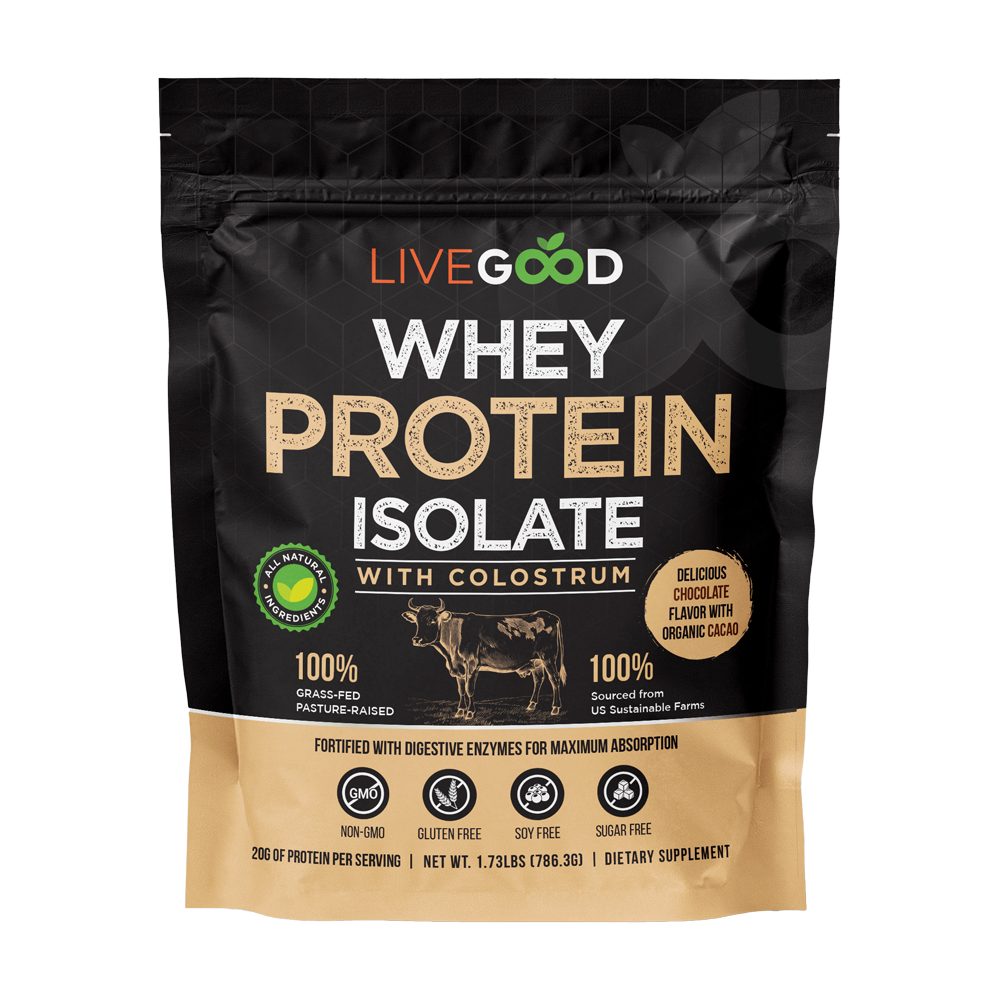
Whey Protein Isolate - With Colostrum is a practical option after a workout or whenever food is inconvenient. Its chocolate formula uses organic cacao and provides 20 grams of clean protein with all nine essential amino acids. It also includes colostrum to support gut and immune health, plus digestive enzymes to support digestion and absorption. The whey is 100% grass-fed, pasture-raised and sourced from sustainable US farms. It is $39.95 for members versus $49.95 retail, helping make consistent wellness more accessible.
Fitting It Around Your Day
You can use whey isolate whenever it helps you meet your protein needs without pushing carbohydrates beyond your plan. There is no special keto clock that makes whey acceptable at one time and harmful at another. The most useful timing is the time you can follow consistently.
After exercise is convenient because a shake is quick and supplies all nine essential amino acids, including the amino acids your body cannot make. You do not need to drink it the moment a workout ends. Your meals and total protein intake across the day matter more than hitting a tiny post-workout window.
Whey can also fill a gap at breakfast, between meals, or while traveling. If you use it as part of a meal, consider what else that meal provides. Protein powder alone does not offer the same range of fiber, fats, vitamins, minerals, and food variety as a balanced meal. Pair it thoughtfully rather than treating every shake as a complete meal replacement.
A whey isolate shake can fit after exercise or elsewhere in your routine when mixed with low-carb ingredients.
If you are unsure whether it affects your ketosis, keep the test simple. Use the same serving and low-carb mixer for several days while keeping the rest of your food reasonably consistent. Look at your full carbohydrate intake before blaming protein. Ketone readings naturally change with meals, exercise, hydration, sleep, and time of day.
Follow the serving directions on the product label. More is not automatically better. Whey comes from milk, so avoid it if you have a milk allergy. If you are pregnant or breastfeeding, take prescription medication, have a kidney or liver condition, or manage another existing medical condition, talk to your doctor before adding a protein supplement. Consistency and an eating pattern you can maintain matter more than chasing a perfect shake.
Frequently Asked Questions
Is whey protein isolate keto friendly?
Yes, whey protein isolate is generally keto friendly because most products are high in protein and contain only about 1-2 grams of carbohydrate per scoop. Check the Nutrition Facts panel because flavorings, sweeteners, serving sizes, and added ingredients differ. The powder must also fit within your total daily carbohydrate intake.
Does whey protein kick you out of ketosis?
No, a normal serving of whey protein does not automatically kick you out of ketosis. Your body can make glucose from amino acids, but that process is guided mainly by its need for glucose. Very large protein servings may temporarily reduce ketone readings for some people, while carbohydrate intake remains the more direct factor.
How many carbs are in whey protein isolate?
Most whey protein isolate powders contain roughly 1-2 grams of carbohydrate per scoop, although some have less and flavored options may have more. Always compare equal serving sizes and count every scoop you use. Your mixer and additions can contribute more carbohydrate than the protein powder itself.
Is isolate better than concentrate on keto?
Isolate is often easier to fit into keto because additional filtering removes more lactose, fat, and other non-protein material. Concentrate is not automatically unsuitable, and some concentrates are still low in carbs. Compare the final nutrition labels, since added sugar and flavoring can matter more than the product name alone.
What can you mix whey with on keto?
You can mix whey with water, ice, unsweetened almond milk, unsweetened coconut milk beverage, or coffee. Cinnamon, vanilla extract, and small amounts of unsweetened cacao can add flavor. Check every ingredient's label, since sweetened plant milk, dairy milk, fruit, honey, yogurt, and nut butter can increase the shake's total carbohydrates.