
How to Give CBD to a Cat: Practical Guidance
 Written by Nauder Khazan
Ask AI about this article and CBD Oil - For Pets (500mg Beef)





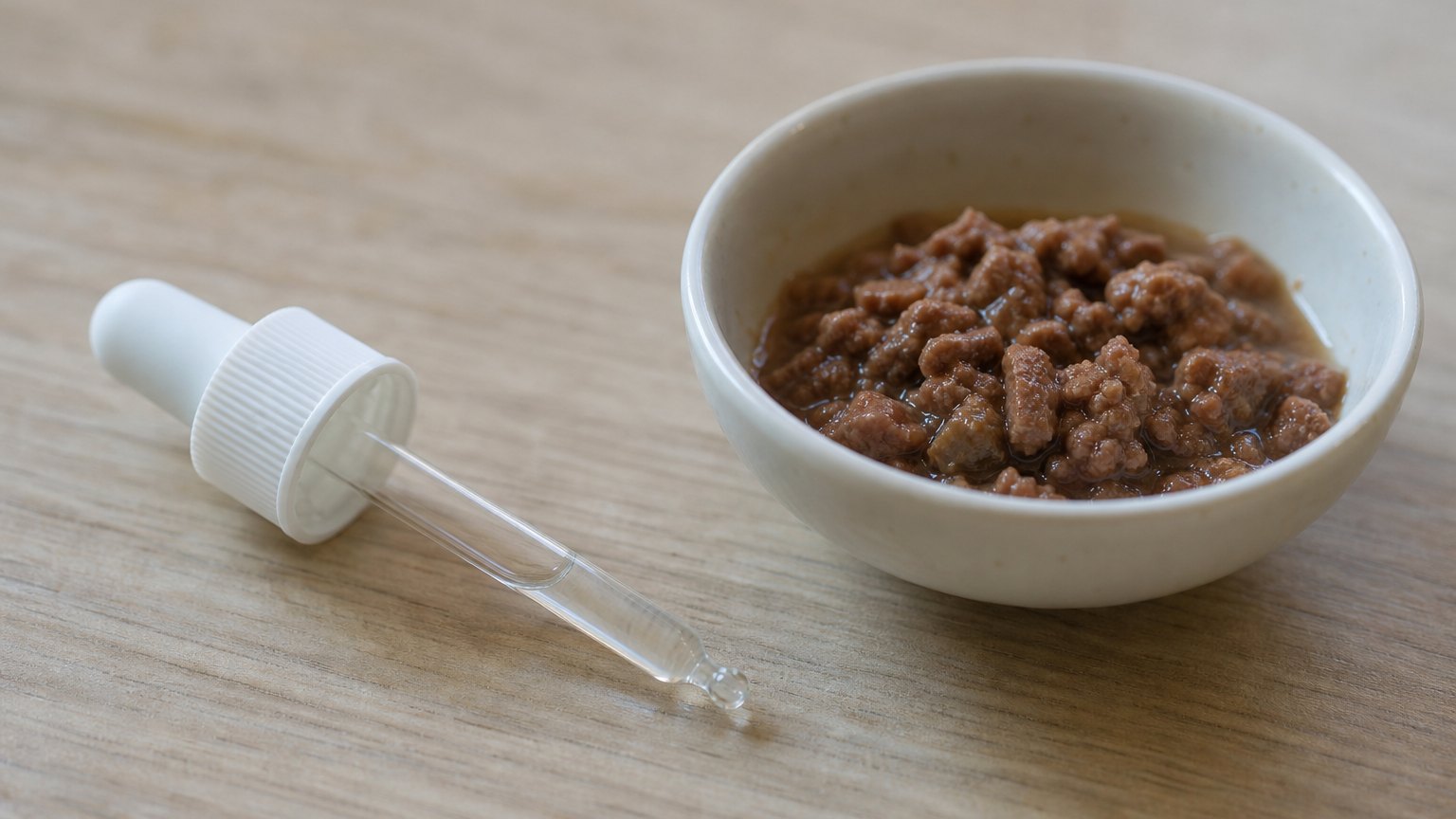
If you are considering CBD for your cat, talk to your veterinarian before giving the first serving. With veterinary approval, choose a cat-appropriate product, verify its testing, measure the confirmed amount carefully, and give it with a small portion of food or by the method your vet demonstrates.
Key Takeaways
- Start with your veterinarian: No CBD product is FDA-approved for pets, and feline dosing research remains limited.
- Choose for cats, not humans: Avoid formulas containing xylitol, essential oils, unsuitable flavorings, or unverified THC levels.
- Check the current COA: Confirm CBD concentration, THC results, contaminants, and a matching batch number.
- Measure in milliliters: Use the marked dropper or oral syringe recommended by your veterinarian rather than estimating drops.
- Monitor every serving: Watch for food refusal, unusual sleepiness, digestive changes, poor balance, or other unexpected behavior.
Talk to Your Veterinarian First
Your first step is to ask your veterinarian whether the exact CBD product you are considering is appropriate for your cat. Bring the bottle, label, ingredient list, and certificate of analysis if you already have them. Your vet needs those details to evaluate more than the word "CBD" on the front.
The FDA has not approved any CBD product for pets. The only FDA-approved CBD medicine is Epidiolex, a prescription drug for certain seizure disorders in humans. That approval does not establish the safety, effectiveness, or dose of over-the-counter CBD products for cats.
Cats are not small dogs. They process some compounds differently, and there is less CBD research in cats than in dogs. A serving suggested for a dog of similar weight should never be transferred to a cat without veterinary direction.
Tell your vet about every prescription drug, over-the-counter medicine, and supplement your cat receives. CBD can affect CYP450 enzymes, a group of liver enzymes that helps process many medications. This creates the possibility of drug interactions or altered medication levels. Extra caution is needed for cats with liver or kidney concerns, older cats, and cats taking several medications.
Ask your veterinarian to confirm the product, amount, timing, and method of administration. Also ask what signs should make you stop and call. Write those instructions down so every person in your household follows the same plan.
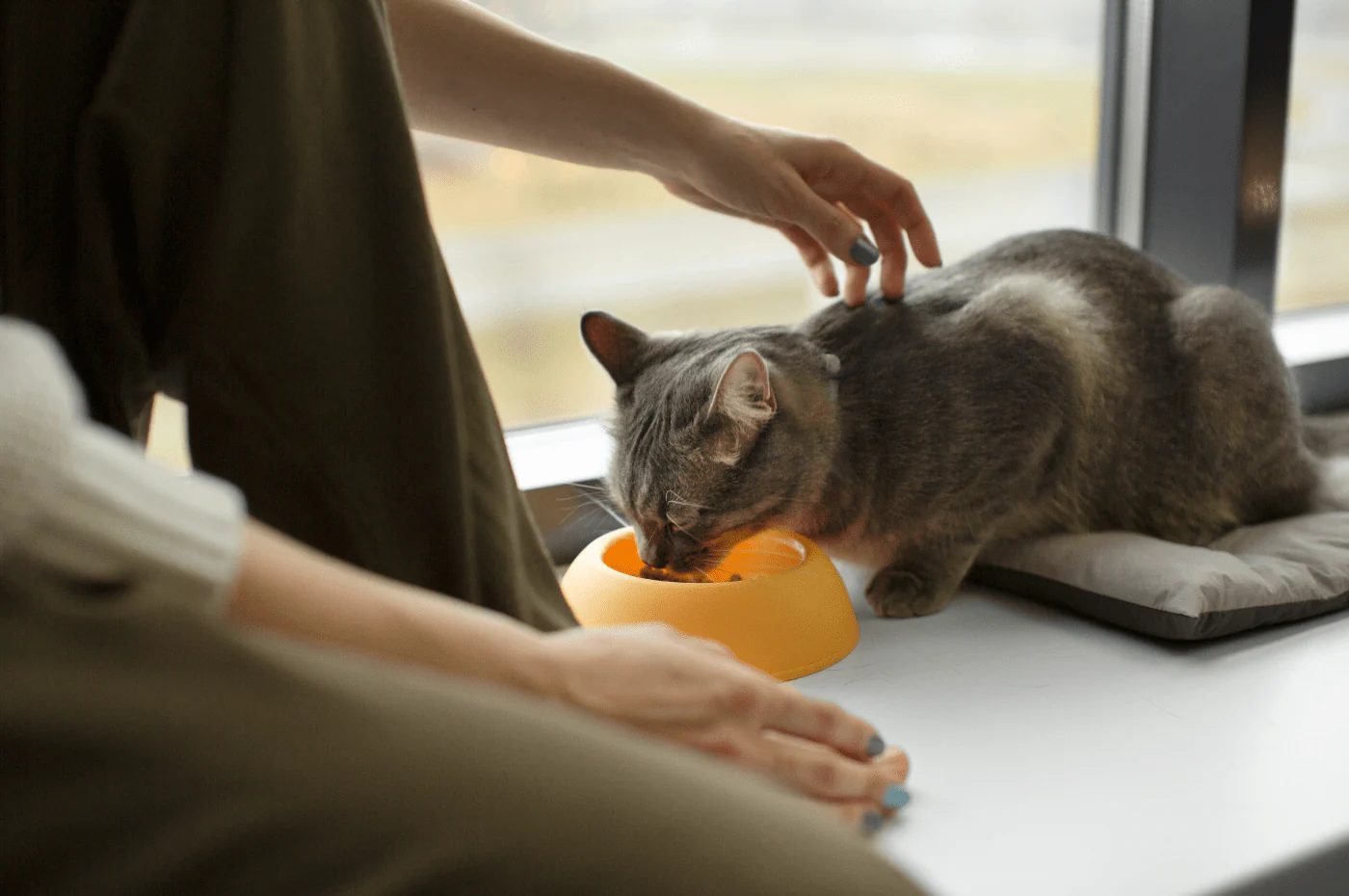
Bring the product label and ingredient list to your veterinarian before giving CBD to your cat.
Choosing a Product Made for Cats
After your veterinarian agrees, look for a product clearly labeled for pets and suitable for cats. A pet label alone is not enough, but it is a safer starting point than repurposing a human tincture. Human CBD oils may contain ingredients that are inappropriate or dangerous for cats.
Read the complete ingredient list. Avoid xylitol, a sweetener that is hazardous to pets. Do not use products containing essential oils unless your veterinarian has specifically reviewed the formula. Cats do not process many essential oil compounds well. Strong botanical extracts, alcohol, and flavor blends with incomplete ingredient details are also reasons to pause.
Check the carrier oil, which is the oil used to dilute and deliver the CBD. Ask your veterinarian whether that carrier is appropriate for your cat, especially if your cat has a sensitive digestive system or dietary restrictions. Flavoring matters too. A beef, chicken, or fish flavor may improve acceptance, but the flavor ingredients should be clearly disclosed.
The label should state the total CBD in the bottle and, ideally, the amount in each milliliter. It should also identify whether the formula is full-spectrum, broad-spectrum, or CBD isolate. Full-spectrum products contain other hemp compounds and may contain trace THC. Broad-spectrum formulas are intended to remove THC, while isolates contain CBD alone. A label claim is not proof, so verify it against the laboratory report.
Reject products with vague hemp amounts, missing contact information, no lot number, or no accessible certificate of analysis. Do not assume that a product is appropriate simply because it is described as natural.
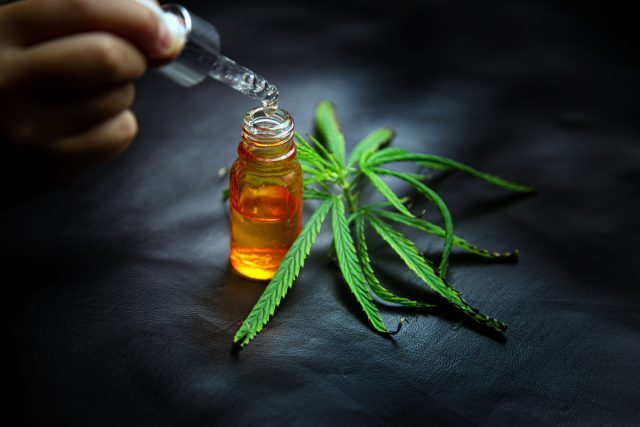
Choose a pet formula with clearly disclosed carrier oils, flavorings, CBD concentration, and batch information.
Reading the Certificate of Analysis
A certificate of analysis, usually called a COA, is a laboratory report for a specific product batch. Independent testing repeatedly finds that some CBD products contain more or less CBD than their labels state. A current, batch-matched COA helps you check what is actually in the bottle before discussing it with your veterinarian.
Start with the batch or lot number. It should match the number printed on the bottle or package. Check the testing date and laboratory name. A report for a different product, an old batch, or a generic hemp extract does not verify the bottle in your hand.
Next, find the cannabinoid panel. This section lists CBD, THC, and related hemp compounds. Results may be shown as milligrams per milliliter, milligrams per gram, or a percentage. Make sure the unit matches the label before comparing the numbers. If the conversion is unclear, ask the manufacturer or your veterinarian rather than guessing.
Review the THC result closely. Full-spectrum CBD can contain trace THC, but cats should not be exposed to an unknown or unexpectedly high amount. "ND" usually means not detected. "LOQ" means limit of quantification, the smallest amount the laboratory can measure reliably. Those terms are more useful when the report states the laboratory's actual detection limits.
The COA should also include contaminant testing. Look for results covering heavy metals, pesticides, residual solvents, and microbes such as bacteria or mold. Each result should show a passing limit, not merely the word "tested."
Send the complete COA to your veterinarian. If it is missing, incomplete, or does not match the bottle, choose a different product rather than proceeding.
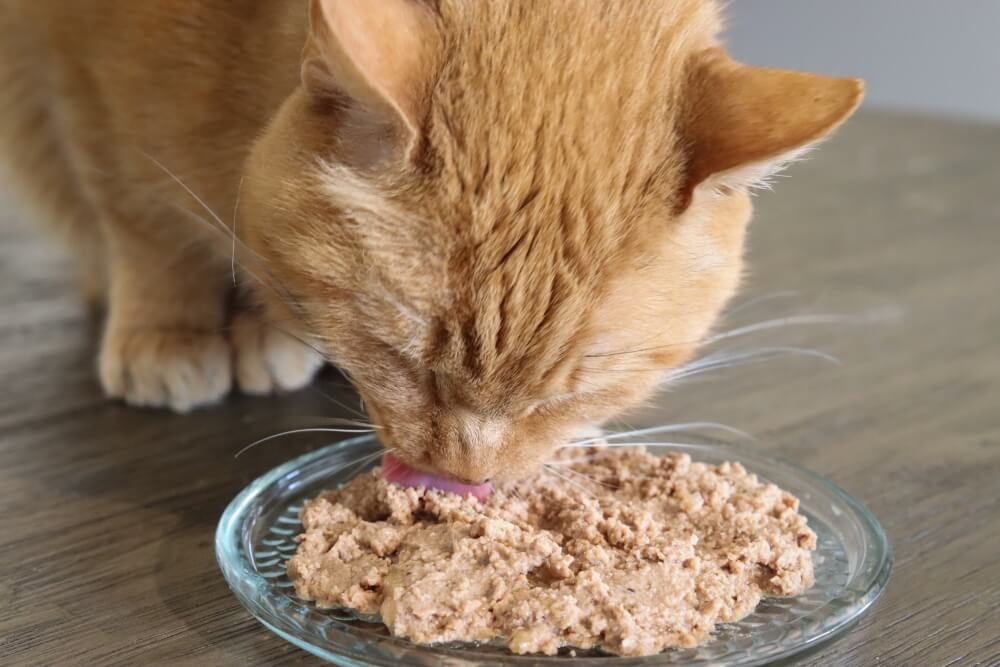
A batch-matched certificate of analysis should report cannabinoids and screening results for common contaminants.
Measuring Accurately
Use only the amount your veterinarian has confirmed for your cat and the specific product concentration. Do not copy a number from a forum, product review, dog chart, or another cat's instructions. Research has not established one standard over-the-counter CBD dose for every cat.
CBD concentration tells you how much CBD is present in a certain volume of oil. The large number on the front, such as the total milligrams in the bottle, is not automatically the amount in one serving. You also need the bottle volume and the label's milligrams-per-milliliter information.
Your veterinarian may calculate the volume by dividing the confirmed amount in milligrams by the product's concentration in milligrams per milliliter. Ask your vet to write the final volume in milliliters. This reduces confusion between milligrams, which measure CBD quantity, and milliliters, which measure liquid volume.
Use a clearly marked oral syringe or calibrated dropper. A calibrated tool has measurement lines showing a defined volume. Hold it at eye level on a flat surface when checking the oil. Do not estimate by counting drops unless the manufacturer has validated the drop size and your veterinarian approves that method. Drop size can change with the dropper, oil thickness, and angle.
Confirm your cat's current weight, but do not create your own weight-based dose. Label directions can be a reference for your veterinarian, not a substitute for veterinary guidance. If you spill part of a serving or are unsure how much your cat swallowed, do not immediately give more. Record what happened and call the veterinary office for advice.
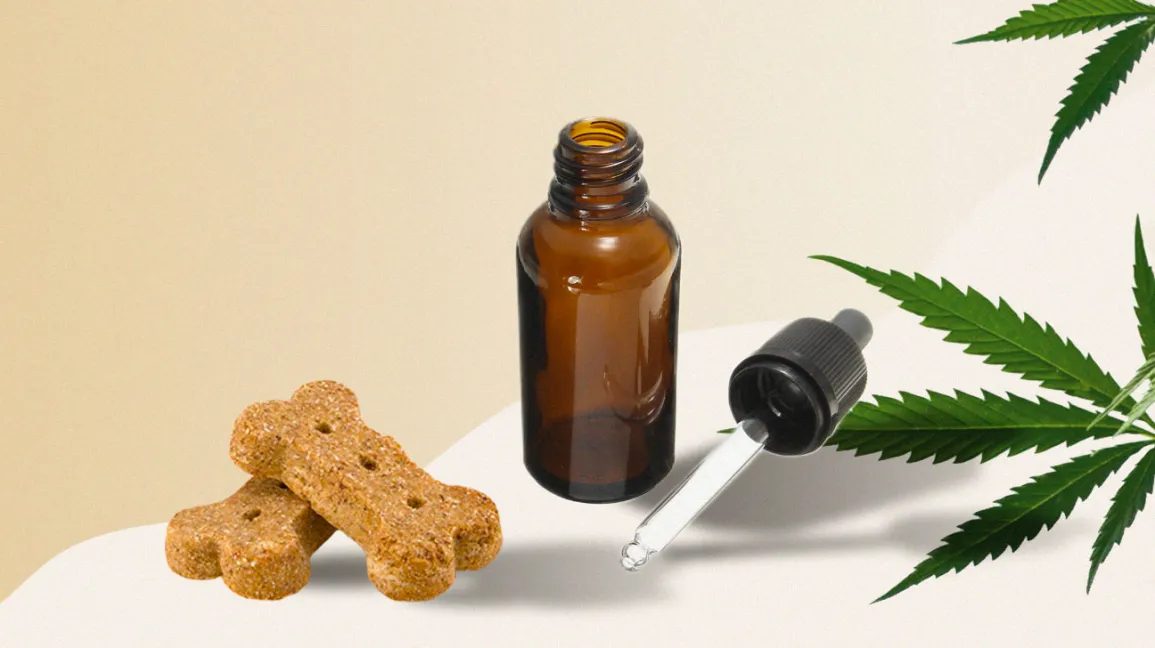
Use a calibrated oral syringe or marked dropper to measure the veterinarian-confirmed volume accurately.
Mixing With Food vs Direct Dosing
With veterinary approval, mixing CBD oil into a small portion of wet food is often the simplest method. Place the measured oil into one or two spoonfuls of food rather than a full meal. Mix thoroughly, offer that portion first, and provide the rest of the meal only after your cat finishes it. This makes it easier to tell whether the full amount was eaten.
Do not repeatedly add oil to a refused meal. Cats may connect the changed smell or taste with their usual food and begin avoiding it. If your cat walks away, remove the portion and contact your veterinarian before trying another method. Do not hide a second serving in fresh food when you are uncertain how much was consumed.
Oil placed on dry food may settle at the bottom of the bowl or remain on uneaten pieces. If your veterinarian approves dry-food administration, use a very small portion and watch your cat finish it. Do not mix CBD into a shared bowl when more than one pet could eat from it.
Direct dosing gives you more control over the volume, but it should be used only when your veterinarian has shown you how. The oil is generally placed slowly into the side of the mouth, between the cheek and teeth, rather than aimed toward the throat. Never forcefully restrain a struggling cat or squirt liquid quickly, since liquid can enter the airway.
Keep the dropper from touching your cat's mouth. If it does, clean it according to the product instructions before returning it to the bottle.
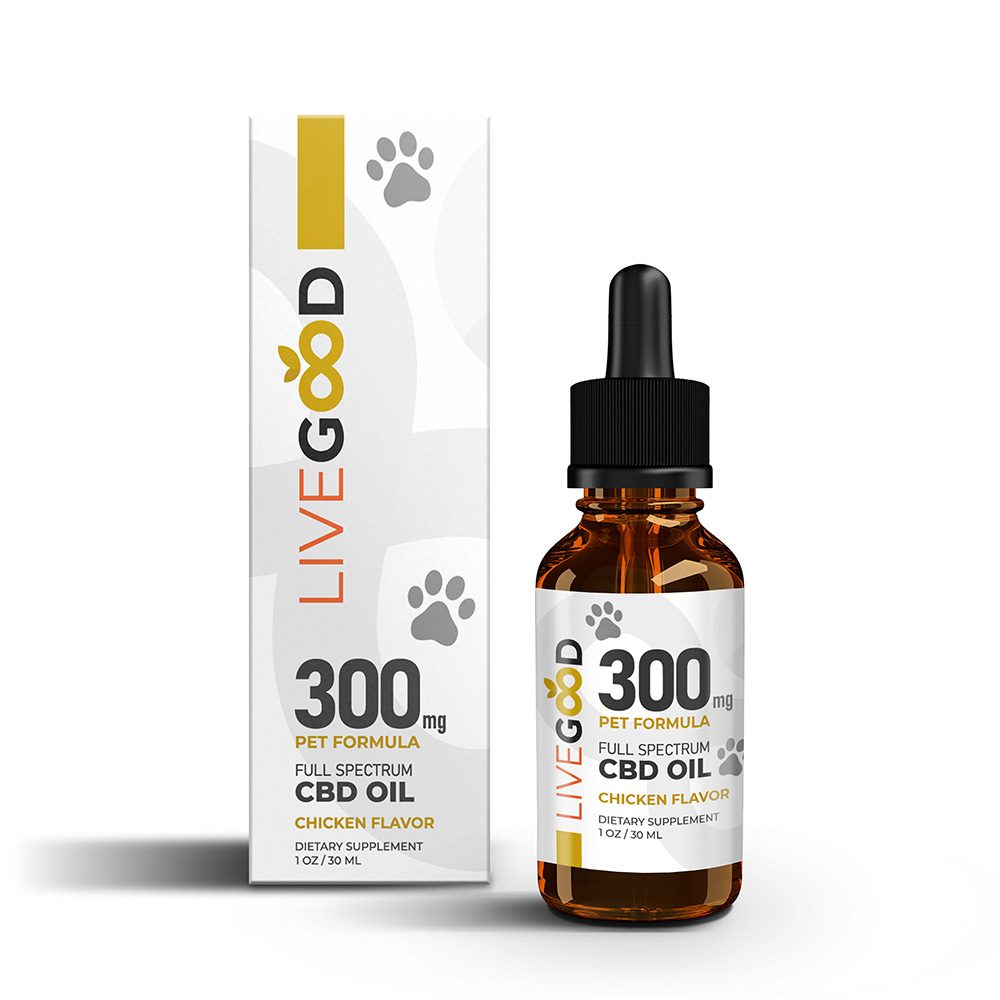
If your veterinarian agrees that this specific formula is appropriate, CBD Oil - For Pets (500mg Beef) is a beef-flavored, full-spectrum pet CBD oil made with the same highest quality ingredients and processes as LiveGood's human formulas. Follow its weight-based label directions only after your vet confirms the amount. It is best added to food, starting low and going slow under veterinary guidance. Members pay $12.95, compared with $24.95 retail, making careful product selection more accessible.
What to Watch For Afterwards
Observe your cat closely after every serving, especially when beginning, when the veterinarian changes the amount, or when you open a new product batch. Keep a simple written log with the date, time, measured volume, food used, and anything unusual. This helps your veterinarian review patterns without relying on memory.
Watch for unusual sleepiness, low energy, drooling, vomiting, diarrhea, appetite changes, agitation, poor coordination, or difficulty walking. These signs do not prove CBD caused the reaction, but they are reasons to stop giving the product and contact your veterinarian. Do not reduce, increase, or repeat the amount on your own.
Seek urgent veterinary care for severe sedation, collapse, tremors, seizures, breathing difficulty, repeated vomiting, or suspected exposure to THC, xylitol, or essential oils. Bring the package and COA with you. The ingredient list, concentration, batch number, and estimated amount consumed can help the veterinary team respond.
Food refusal also matters. A cat that refuses one flavored portion may simply dislike the smell, but cats should not be allowed to go without adequate food while you experiment with delivery methods. Call your veterinarian if refusal continues or your cat misses normal meals.
Store the bottle closed, upright, and out of reach of every pet and child. Follow the label's storage instructions. Before each use, check for leaks, damaged seals, an expired date, or changes in smell and appearance. When starting a new bottle or lot, confirm that its concentration and COA still match the plan your veterinarian approved.
Monitor your cat after each serving and record any food refusal or unexpected physical or behavioral signs.
Frequently Asked Questions
How do you give CBD oil to a cat?
Give CBD oil only after your veterinarian approves the product, amount, and method for your cat. Measure the confirmed volume with a calibrated dropper or oral syringe. You can mix it thoroughly into a small portion of wet food, or use a direct oral technique demonstrated by your vet. Never squirt oil toward the throat or repeat an uncertain serving.
Can you put CBD oil in cat food?
Yes, veterinarian-approved CBD oil can be mixed into a small portion of cat food. Wet food usually holds and distributes the oil more evenly than dry food. Offer the small portion first so you can confirm it was finished, then provide the remaining meal. Avoid shared bowls, and do not add another serving if you are unsure how much your cat ate.
What if your cat refuses food with CBD in it?
Stop offering the altered food and ask your veterinarian about another delivery method. Do not keep mixing CBD into your cat's regular meals, since that may encourage ongoing food avoidance. Your vet may review the flavor, carrier oil, concentration, or direct dosing technique. Do not replace a refused portion until you know how much, if any, your cat consumed.
How do you measure a dose for a cat?
Measure the veterinarian-confirmed volume in milliliters with a marked oral syringe or calibrated dropper. Check the bottle's CBD concentration and matching COA because total milligrams per bottle are not the same as milligrams per serving. Ask your vet to write down the exact volume for that specific product. Do not estimate drops or adapt a dog dosing chart.
What should you watch for after giving CBD?
Watch for unusual sleepiness, digestive upset, drooling, appetite changes, agitation, or poor balance after giving CBD. Stop the product and contact your veterinarian if anything seems abnormal. Severe sedation, collapse, tremors, breathing trouble, repeated vomiting, or suspected THC, xylitol, or essential oil exposure requires urgent veterinary attention. Keep the bottle and laboratory report available.