
How to Raise Nitric Oxide Levels Naturally
 Written by Nauder Khazan
Ask AI about this article and Organic Super Reds





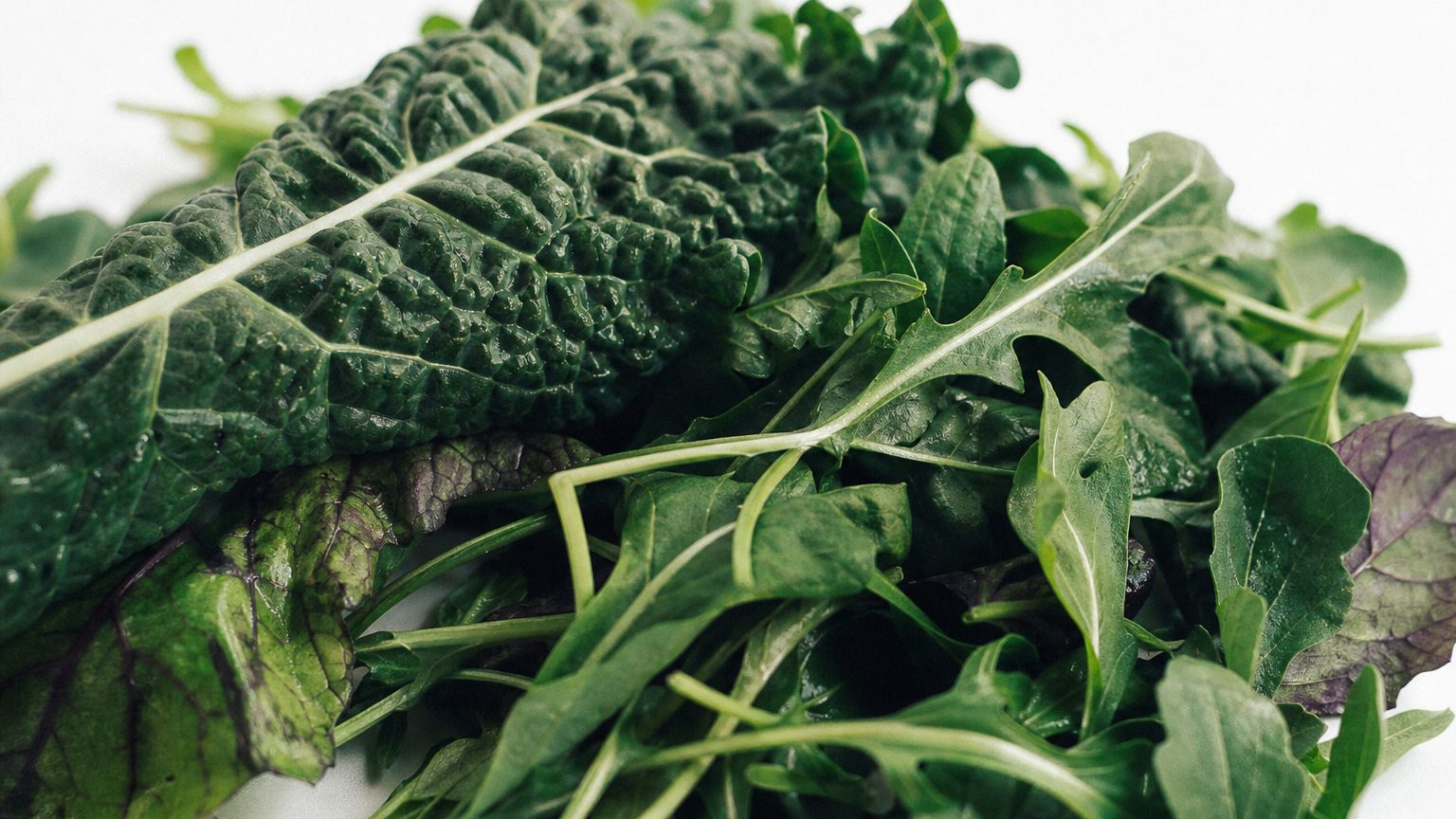
You can raise nitric oxide naturally by eating nitrate-rich vegetables, protecting the helpful bacteria on your tongue, exercising regularly, and getting enough L-citrulline or L-arginine. The often-missed detail is that your mouth bacteria perform a key step in converting food nitrate into nitric oxide. Here is how that pathway works and how to support it safely.
Key Takeaways
- Protect your nitrate pathway: Bacteria on your tongue convert dietary nitrate into nitrite, an essential step toward making nitric oxide.
- Prioritize leafy vegetables: Arugula, spinach, lettuce, beets, celery, and similar vegetables are among the most useful nitrate sources.
- Consider citrulline first: L-citrulline often raises circulating arginine more reliably than taking the same amino acid directly.
- Move consistently: Aerobic activity and strength training encourage blood vessels to produce nitric oxide.
- Avoid quick-fix thinking: Nitric oxide is short-lived, so daily habits matter more than a single food, drink, or supplement.
The Mouth Bacteria Step Most Guides Skip
Nitric oxide is a short-lived signaling molecule. It helps the smooth muscle inside blood vessel walls relax, which supports normal blood flow. Your body makes it through more than one route, including a pathway that begins with nitrate from food.
Here is the part many people never hear about. After you eat nitrate-rich vegetables, nitrate enters your bloodstream and circulates to your salivary glands. Your saliva concentrates some of it and carries it into your mouth. Bacteria living mainly on the surface of your tongue then convert nitrate into nitrite. You swallow that nitrite, and your body can convert it into nitric oxide and other related compounds.
This is called the nitrate-nitrite-nitric oxide pathway. Without the bacterial step, much less dietary nitrate becomes nitrite. That helps explain why research has found that strong antibacterial mouthwash can reduce the usual nitrite and nitric oxide response after nitrate intake. The effect depends on the type of rinse, how often it is used, and the individual.
This does not mean you should stop brushing, flossing, or following your dentist's instructions. Good oral health remains essential. It also does not mean every mouthwash has the same effect. If you use an antibacterial rinse because it was prescribed or recommended for an oral health concern, keep using it as directed. If your rinse is optional, you can ask your dentist whether a nonantibacterial alternative would suit your needs. The practical lesson is simple: nitrate-rich foods work through your mouth as well as your digestive system.
Nitrate Rich Foods That Actually Matter
Foods do not supply nitric oxide directly. They provide nitrate and other nutrients your body can use to make it. The richest everyday sources tend to be leafy greens and certain root vegetables, although nitrate content can change with the soil, season, storage, and preparation method.
Useful choices include:
- Arugula and other rocket greens
- Spinach and Swiss chard
- Leaf lettuces
- Beetroot and beet juice
- Celery
- Watercress and garden cress
- Bok choy and other leafy greens
You do not need to build every meal around beets. A large arugula salad, spinach blended into a smoothie, or lettuce and celery added to lunch can all contribute. Rotating several vegetables also gives you a broader mix of fiber, vitamins, minerals, and plant compounds.
For a more concentrated option, beet juice or a nitrate-containing vegetable powder is convenient. The nitrate response from beetroot commonly develops over a few hours, so people often use it roughly two to three hours before exercise. However, beetroot weight and nitrate content are not the same thing. Two powders with identical gram amounts can supply very different amounts of nitrate.
Vegetable nitrate should not be treated as interchangeable with processed meats preserved with added nitrite or nitrate. The surrounding food matters. Vegetables come with vitamin C and other plant compounds, while processed meats have a different nutritional profile. For daily use, make whole vegetables the foundation. A concentrated drink or powder can support convenience, but it should not replace a varied diet.
LiveGood Organic Super Reds is a great-tasting red fruit and vegetable extract powder formulated to support the body's production of nitric oxide and promote normal blood flow. Mix it with water or a smoothie for a convenient pre-workout serving or afternoon pick-me-up. It is $19.95 for members versus $34.95 retail, helping make a consistent wellness routine more accessible. That reflects LiveGood's approach: Highest Quality. Lowest Prices. Every Day.
Citrulline Versus Arginine
L-arginine is an amino acid, one of the small building blocks used to make protein. Your blood vessel lining can use arginine to produce nitric oxide through an enzyme called nitric oxide synthase. An enzyme is simply a protein that helps a chemical reaction happen.
That direct pathway makes arginine sound like the obvious supplement choice. In practice, much of an oral arginine serving may be broken down in the intestines and liver before reaching the wider circulation. It can also cause digestive discomfort for some people.
L-citrulline takes a less direct but often more efficient route. Your kidneys convert citrulline into arginine, which can then be used for nitric oxide production. Because citrulline avoids some of arginine's early breakdown, research often finds that it raises circulating arginine more reliably than oral arginine. Citrulline malate combines citrulline with malate, a compound involved in cellular energy production. It is common in pre-workout products, but results for exercise performance are mixed.
Watermelon naturally contains citrulline, especially in the white rind. The amount in a normal serving varies and is usually lower than amounts used in supplement research. Nuts, seeds, legumes, meat, fish, and dairy provide arginine as part of their protein.
Neither amino acid guarantees a noticeable workout effect, and more is not automatically better. Follow supplement label directions rather than trying to copy a research dose on your own. Talk to your doctor before using arginine, citrulline, or circulation-focused supplements if you take prescription medications, are pregnant or breastfeeding, have an existing medical condition, or have kidney or liver concerns.
Exercise and Sunlight
Exercise supports another major nitric oxide pathway. The endothelium, which is the thin layer of cells lining your blood vessels, senses the increased movement of blood during activity. That movement creates gentle friction along the vessel wall, known as shear stress. In response, endothelial cells activate enzymes that make nitric oxide from arginine.
You do not need an extreme workout. Brisk walking, cycling, swimming, jogging, and similar aerobic activities all increase blood flow. Strength training can help as well. The most useful plan is one you can repeat consistently, such as walking most days and completing resistance training a few times each week. If you are currently inactive or have an existing medical condition, ask your doctor what level of activity is appropriate.
Exercise may also improve how responsive your blood vessels are over time. That matters more than chasing a brief nitric oxide spike. A pre-workout beet drink cannot compensate for long periods of inactivity, poor sleep, or smoking.
Sunlight has a smaller and more complicated role. Human skin stores nitrate-related compounds, and ultraviolet A, or UVA, exposure may release some nitric oxide-related molecules. However, this does not make intentional unprotected sun exposure a good nitric oxide strategy. Excess ultraviolet exposure damages skin and raises skin cancer risk.
Treat normal, safe daylight exposure as part of a healthy routine, not as a nitric oxide treatment. Follow sun-safety guidance for your skin type, location, and local UV level. Exercise, vegetables, sleep, and avoiding tobacco provide more practical ways to support nitric oxide without relying on ultraviolet radiation.
What Blunts Your Nitric Oxide
Nitric oxide disappears quickly, so your body must keep making it. Several habits can interfere with its production or increase oxidative stress, a condition in which reactive molecules build up faster than the body can manage them. Those reactive molecules can reduce the amount of nitric oxide available for normal signaling.
Common factors include:
- Frequent use of strong antibacterial mouthwash, which can reduce nitrate-converting tongue bacteria
- Smoking and tobacco exposure, which place stress on blood vessel function
- Long periods of inactivity, which reduce the regular blood-flow signal that stimulates nitric oxide production
- A diet low in vegetables, especially leafy greens
- Poorly managed sleep and ongoing high stress
- Relying heavily on ultra-processed foods while crowding out produce, fiber, and nutrient-rich meals
Age can also affect nitric oxide production, but that does not make lower levels inevitable or justify aggressive supplementation. Regular movement, a vegetable-rich diet, adequate sleep, and avoiding tobacco remain useful at any age.
Do not try to diagnose low nitric oxide from symptoms alone. Tiredness, reduced exercise tolerance, headaches, and circulation concerns have many possible causes. There is no widely used home test that can tell you whether nitric oxide is the problem. If you have persistent symptoms or a sudden change in how you feel, talk to your doctor rather than assuming you need a nitric oxide booster.
Finally, be cautious with products promising an immediate rush. Nitric oxide itself is not usually inside these supplements. They typically contain nitrate, citrulline, arginine, or plant extracts intended to support your body's own pathways. Check the ingredient amounts, follow label directions, and judge the routine over time. Consistency is more useful than stacking multiple products at once.
Frequently Asked Questions
How can you raise nitric oxide naturally?
You can raise nitric oxide naturally by eating nitrate-rich vegetables, preserving helpful tongue bacteria, exercising regularly, and getting arginine or citrulline from food. Leafy greens and beetroot support the nitrate pathway, while physical activity stimulates nitric oxide production in blood vessel cells. Avoiding tobacco and staying consistent with sleep, movement, and a balanced diet also support the process.
What foods are highest in nitrates?
Arugula, spinach, lettuce, Swiss chard, celery, watercress, and beetroot are among the richest common sources of dietary nitrate. Actual amounts vary with growing and storage conditions, so it is better to eat a range of vegetables than depend on one item. Beet juice and some vegetable powders offer more concentrated options, although their nitrate content can differ widely.
Does mouthwash reduce nitric oxide?
Some antibacterial mouthwashes can reduce the nitric oxide response to dietary nitrate by removing bacteria that convert nitrate into nitrite. This finding does not apply equally to every rinse, and it is not a reason to neglect oral care. Continue any rinse recommended by your dentist. If you use one by choice, ask whether a nonantibacterial option is appropriate.
Is citrulline better than arginine?
L-citrulline often raises circulating arginine more effectively than oral L-arginine because less is broken down during digestion. That can make citrulline a practical choice for supporting nitric oxide production, but research on noticeable exercise benefits is mixed. Individual responses and products vary. Follow label directions and consult your doctor if you use medications or have an existing condition.
How long does it take to raise nitric oxide?
Dietary nitrate can begin moving through the nitrate-to-nitric-oxide pathway within hours, with beetroot commonly planned about two to three hours before exercise. Exercise stimulates nitric oxide production during the activity itself. Longer-term support for blood vessel function depends on repeated habits over weeks. You may not feel a clear effect, even when these pathways are active.