
How to Tell if CBD Oil Is Good Quality
 Written by Nauder Khazan
Ask AI about this article and CBD Oil (Full-Spectrum)





Good quality CBD oil should have a recent, batch-specific certificate of analysis from an independent laboratory. That report should confirm CBD and THC levels and show testing for contaminants. Here is how to read the report, understand the label, and recognize warning signs before you buy.
Key Takeaways
- Check the COA first: A credible product should have an accessible laboratory report showing cannabinoid potency and contaminant results.
- Match the batch number: The number on the report should match the lot or batch printed on your bottle.
- Compare label and lab results: Confirm total CBD, CBD per serving, THC content, bottle volume, and serving size.
- Look beyond potency: A strong contaminant panel should cover pesticides, residual solvents, heavy metals, and microbes.
- Ignore medical promises: CBD supplements are not approved to diagnose, treat, cure, or prevent health conditions.
Start With the Certificate of Analysis
A certificate of analysis, usually called a COA, is a laboratory report describing what was found in a product sample. For CBD oil, it should identify the cannabinoids present and their measured concentrations. It should also include contaminant testing rather than potency alone.
Look for a QR code or clearly labeled laboratory link on the bottle or product page. The report should name the independent laboratory, identify the tested product, show the test date, and include a report or sample number. Laboratory contact information and testing methods provide additional accountability.
The cannabinoid section commonly lists CBD, THC, and smaller plant compounds such as CBG or CBC. Results may appear as milligrams per milliliter, milligrams per gram, or percentages. The report should also state whether a compound was detected, not detected, or below the laboratory's reporting limit.
Independent testing matters because CBD labels are not always accurate. In a widely cited 2017 JAMA study of 84 CBD products sold online, only about 31% were labeled accurately within the study's accepted range. About 43% contained more CBD than claimed, while 26% contained less. Later investigations have also found potency differences across the category. Testing methods and accuracy limits vary, but the repeated pattern supports one practical rule: verify the contents instead of relying on the front label.
A complete CBD certificate of analysis helps you compare the laboratory findings with the claims printed on the bottle.
Batch-Specific vs Generic COAs
A batch-specific COA is tied to the actual production lot your bottle came from. Find the lot or batch code on the container, then compare it with the code on the laboratory report. The codes should match exactly. A close date or similar product name is not enough.
A generic COA may show that a company tested one sample at some point. It does not confirm the contents of the bottle in your hand. Hemp crops can vary between harvests, and small changes in extraction, blending, or storage can affect cannabinoid levels. Contamination can also occur in one production run without affecting another.
Check the testing date as well. A report from several years ago is weak evidence for a newly produced bottle. The report should reasonably align with the manufacturing timeline and appear before the product's expiration date. If every strength and flavor links to the same report, make sure the report actually identifies the version you are considering.
Some companies provide a searchable database where you enter a batch number. Others place a QR code on each label. Either approach can work if it leads directly to a complete, readable report. A screenshot without laboratory details is less useful because it is harder to authenticate.
No brand should be exempt from this check, including LiveGood. A trustworthy quality process should be verifiable at the product and batch level, not accepted solely because of branding, reviews, or price.
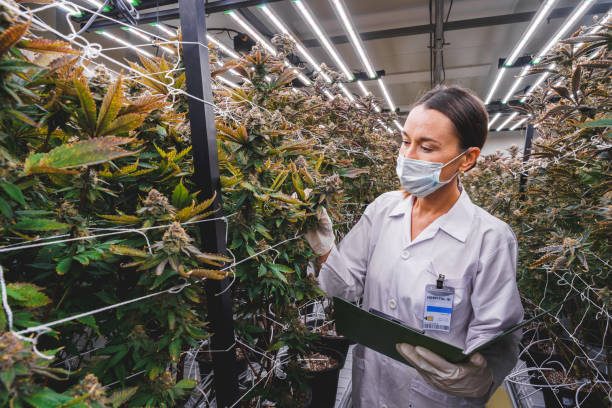
The batch number on a CBD bottle should match the lot identified on its laboratory report.
What the Potency Numbers Should Show
Potency tells you how much CBD and other cannabinoids the laboratory measured. Start by comparing the total CBD claim on the bottle with the lab result. A bottle labeled 750 mg should contain approximately 750 mg of CBD in total, allowing for the laboratory's stated measurement uncertainty and reasonable manufacturing variation.
You may need to do a little math. If a 30 mL bottle contains 25 mg of CBD per milliliter, it provides about 750 mg in total. If the suggested serving is 0.5 mL, that serving supplies about 12.5 mg. A label that lists only hemp extract weight without stating actual CBD content does not give you enough information to compare products.
The COA should also identify THC. Full-spectrum CBD oil retains multiple hemp compounds and contains trace THC. Broad-spectrum oil contains several cannabinoids but is processed with the intention of removing THC. CBD isolate is purified CBD without the broader range of hemp cannabinoids. These terms describe composition, not quality. Any type can be poorly made or inaccurately labeled.
Do not assume that "THC-free" guarantees zero THC unless the current batch report supports that claim. Even a result marked "ND," meaning not detected, only means the amount was below that laboratory's detection limit. It does not prove that absolutely none exists.
Trace THC may matter if you undergo drug testing, are sensitive to THC, or live where local rules are restrictive. Full-spectrum products can potentially contribute to a positive drug test. Check applicable laws and workplace policies rather than treating a label statement as a guarantee.
CBD potency is easier to evaluate when the label clearly states the total amount and the amount per serving.
Contaminant Testing: Pesticides, Solvents, Metals
Potency is only one part of a useful COA. Hemp can take up substances from soil and water, including heavy metals. Farming, extraction, processing, and storage can introduce other unwanted compounds. That is why a quality report should include a broad contaminant panel.
Look for results covering these main groups:
- Heavy metals, especially lead, arsenic, cadmium, and mercury
- Pesticides commonly used or regulated in hemp cultivation
- Residual solvents left behind after certain extraction methods
- Microbes such as harmful bacteria, yeast, and mold
- Mycotoxins, which are toxins produced by some molds
Each tested substance should have a measured result and a clear limit. "Pass" is reassuring only when the report also explains what was tested and which threshold was applied. A report that tests four pesticides does not establish that the product passed a much broader pesticide panel.
Pay attention to units. A tiny-looking number can still exceed a safety threshold depending on whether the result is reported in parts per million, parts per billion, or another unit. You do not need to interpret every decimal yourself. The laboratory should plainly mark whether each result meets its stated specification.
Also check whether the report covers the finished CBD oil rather than only raw hemp or an intermediate extract. Testing the finished product provides more relevant information because it includes the carrier oil, flavor ingredients, and final manufacturing steps. If contaminant pages are missing, ask the company for the complete report before purchasing.
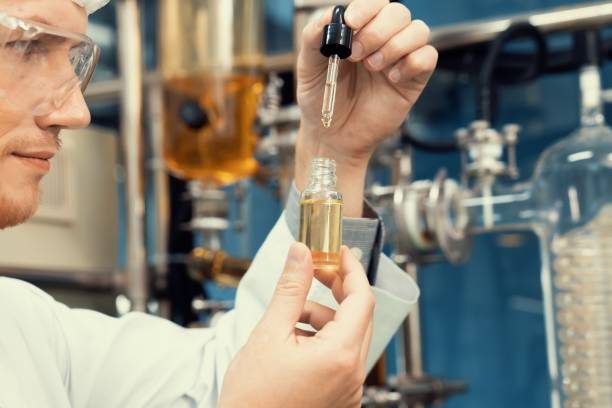
A useful contaminant panel checks more than potency, including pesticides, solvents, heavy metals, and microbes.
Extraction Method and Why It Matters
Extraction separates cannabinoids and other plant compounds from hemp. The method can affect which compounds remain, how efficiently they are collected, and which residues need to be checked. It is useful information, but extraction language alone cannot prove quality.
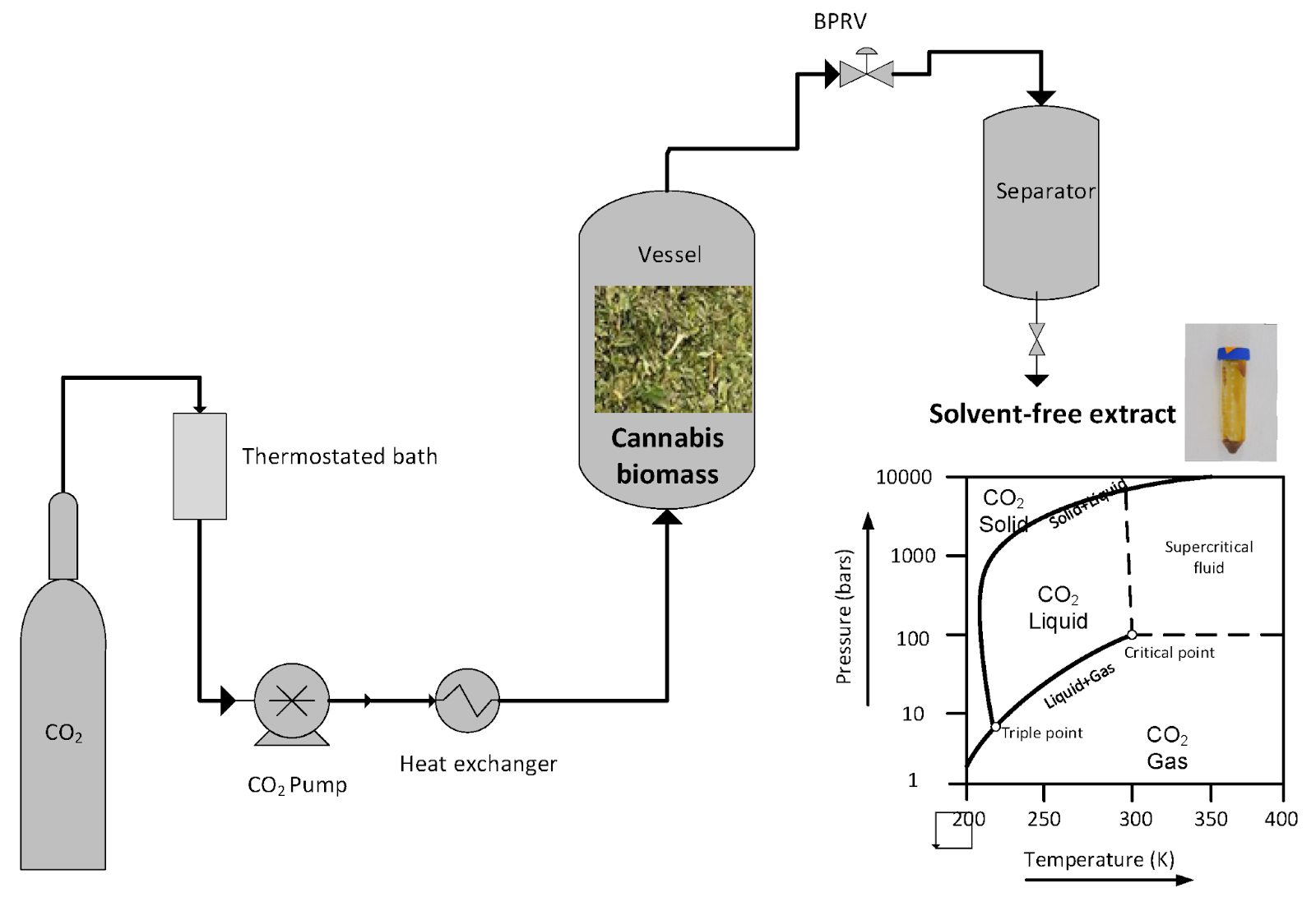
Carbon dioxide extraction, often written as CO2 extraction, uses pressurized carbon dioxide to collect hemp compounds. When properly controlled, it can produce a consistent extract without leaving conventional solvent residues. It requires specialized equipment and careful processing. CO2 extraction is often presented as the only good method, but that claim is too simple.
Food-grade ethanol can also extract cannabinoids effectively. Ethanol must then be removed from the finished extract, which makes residual-solvent testing important. Other hydrocarbons may be used in some processes, but they require especially careful handling and verification that residues remain below accepted limits.
The final COA matters more than a fashionable extraction claim. A poorly controlled CO2 process does not automatically produce a good oil, while a well-managed ethanol process can produce an oil that meets potency and purity specifications. Ask what method was used, then confirm the finished batch passed appropriate testing.
The extract is usually blended with a carrier oil so it can be measured and used consistently. MCT oil, often derived from coconut or palm, is common because it mixes readily with cannabinoids. Hemp seed and olive oils are other options. Check the complete ingredient list if you have allergies or dietary restrictions.
Extraction methods differ, but finished-product testing is the clearest way to evaluate the resulting CBD oil.
Label Red Flags
A good label should make the product easy to identify and evaluate. It should state the amount of CBD in the full bottle and preferably per serving, the bottle volume, the ingredient list, suggested use, manufacturer information, batch number, and expiration or best-by date. Full-spectrum, broad-spectrum, or isolate should be identified clearly.
Be cautious if you notice any of these warning signs:
- No batch code or no way to find a matching COA
- A potency report without contaminant pages
- A report that names a different strength, flavor, or product
- CBD amounts described only as "high potency" or "maximum strength"
- Hemp extract milligrams presented as though they are CBD milligrams
- "THC-free" claims that are not supported by the batch report
- Medical promises or claims that CBD treats a disease or condition
- Missing manufacturer contact information or a vague ingredient list
The only FDA-approved prescription medicine containing purified CBD is Epidiolex, which is approved for specific seizure disorders. That fact does not mean over-the-counter CBD oils are approved medicines. Treat disease claims on supplement labels, advertisements, or testimonials as a serious red flag.
CBD can also affect CYP450 enzymes, a group of liver enzymes involved in processing many medications. Talk to your doctor before using CBD if you take prescription medicine. You should also speak with your doctor if you are pregnant or breastfeeding, have a liver or kidney condition, or live with another medical condition. Follow label directions rather than increasing the serving based on online advice.
Price, flavor, and attractive packaging cannot replace transparent testing. Honest education means looking at what the evidence shows and what it does not, then making a decision based on the current bottle and batch.
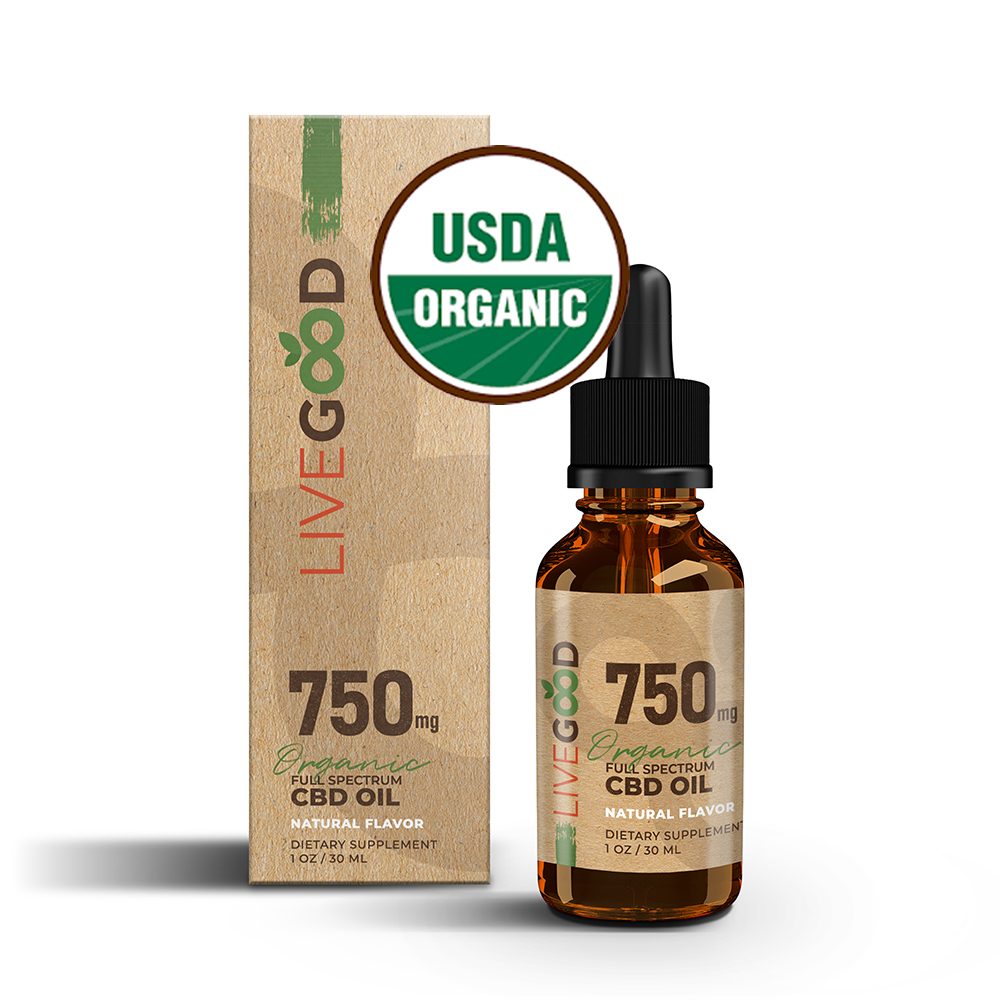
Once you know what to check, LiveGood CBD Oil (Full-Spectrum) is one option. Its full-spectrum CBD comes from the top 1% of hemp farms in the country and uses MCT oil as a carrier for faster absorption and maximum benefit. The 750 mg strength is $14.95 for members versus $29.95 retail. The 1500 mg strength is $19.95 member / $39.95 retail, in Natural or Peppermint, plus limited-time Cinnamon. "Highest Quality. Lowest Prices. Every Day."
Frequently Asked Questions
How can you tell if CBD oil is good quality?
You can identify good quality CBD oil by matching the bottle's batch number to a recent independent COA. Compare its CBD and THC measurements with the label, then review the pesticide, solvent, heavy metal, and microbial results. Clear ingredients, manufacturer details, and realistic claims add confidence. Branding or price alone cannot confirm quality.
What is a certificate of analysis?
A certificate of analysis is a laboratory document reporting what was measured in a product sample. For CBD oil, it should show cannabinoid potency, including CBD and THC, along with contaminant results. The most useful COA identifies the independent lab, product, batch, test date, methods, reporting limits, and pass or fail specifications.
How accurate are CBD labels?
CBD label accuracy varies considerably across the market. Published testing has repeatedly found products containing more or less CBD than their labels claim, and some have contained unexpected THC. Results differ between studies and product samples, so no single percentage describes the entire market. A current batch report is more informative than reputation alone.
What does full-spectrum mean on a label?
Full-spectrum means the extract retains CBD along with other naturally occurring hemp compounds, including trace THC. It does not mean the product is automatically purer, stronger, or more effective. Review the batch COA for the actual cannabinoid profile. Trace THC may also matter for drug testing, personal sensitivity, or local restrictions.
Does extraction method matter?
Yes, extraction method matters, but it does not determine quality by itself. CO2 and food-grade ethanol can both produce suitable CBD extracts when the process is properly controlled. What matters most is whether the finished batch matches its potency claim and passes testing for solvents and other contaminants. Extraction claims should support, not replace, a complete COA.