
What Is in Super Reds Powder? Ingredient Guide
 Written by Ben Glinsky
Ask AI about this article and Organic Super Reds





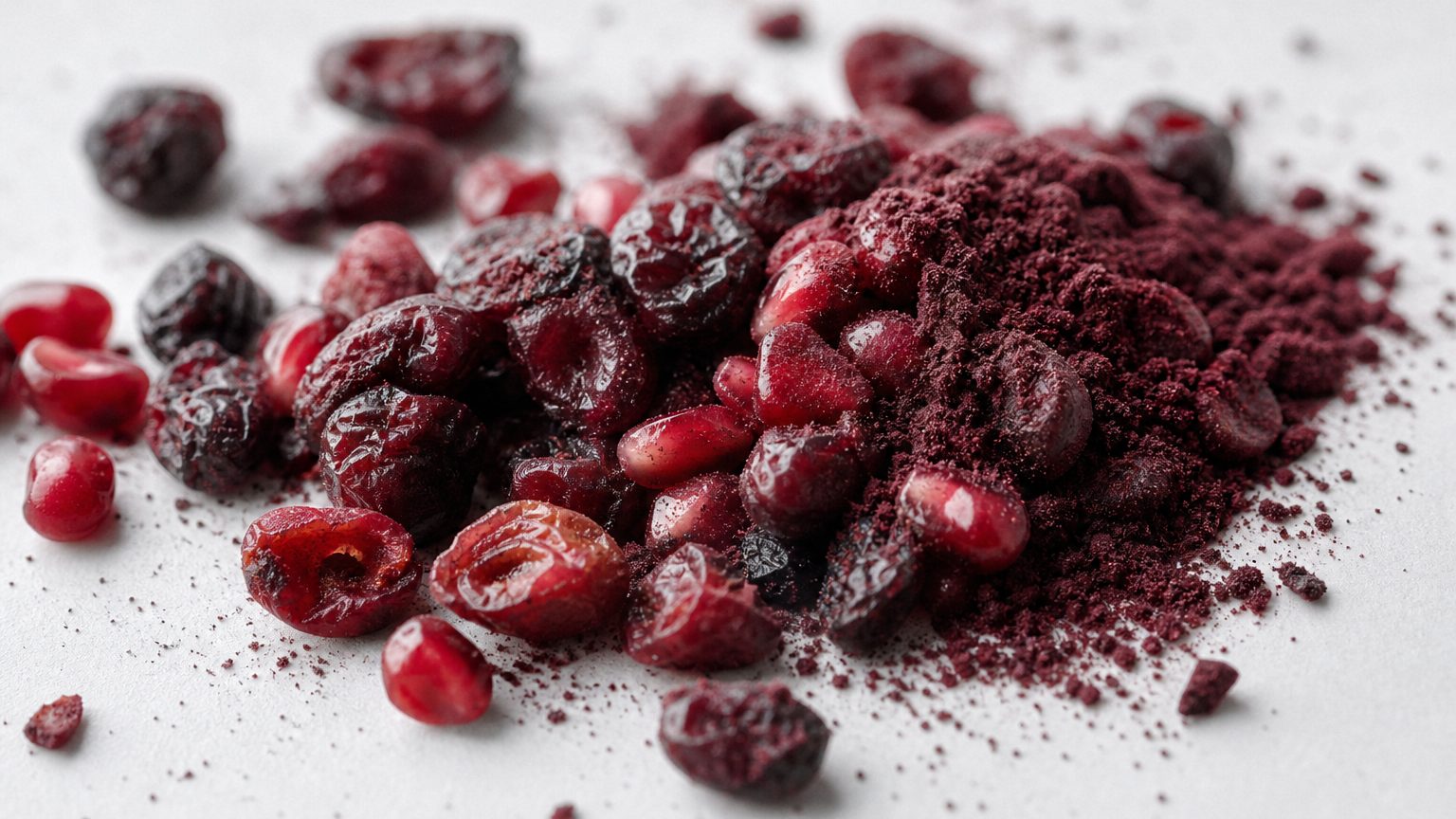
In the supplement aisle, super reds are powdered blends made from red, purple and sometimes blue fruits and vegetables. Most formulas combine beet with berries, pomegranate, grape or concentrated produce extracts, but there is no standard recipe. Here is what those ingredient families contribute and how to tell whether a label gives you meaningful amounts.
Key Takeaways
- No fixed formula: "Super reds" is a product category, not a regulated ingredient standard.
- Beet brings two key compounds: Dietary nitrate supports nitric oxide production, while betalains provide beet's red-purple pigments.
- Berries supply anthocyanins: These colorful polyphenols are concentrated in fruits such as blueberry, blackberry, cranberry and tart cherry.
- Extract details matter: Fruit names and bright colors do not tell you how much nitrate, anthocyanin or other polyphenols a serving contains.
- Transparency beats a long list: Look for individual amounts, standardized compounds, serving size and clearly identified added ingredients.
What Goes Into a Reds Blend
Super reds powder does not have one required formula. One product might be mostly beetroot powder, while another could use a broad fruit and vegetable concentrate with small quantities of many ingredients. That flexibility makes the front label less useful than the Supplement Facts panel.
Most reds blends draw from four ingredient groups:
- Beetroot, beet juice powder or beet extract
- Red, purple and blue berries
- Pomegranate, grape and other polyphenol-rich fruits
- Mixed fruit and vegetable concentrates
You may also see carrot, tomato, hibiscus, apple, spinach, acai, dragon fruit or tart cherry. Some support the flavor or color of the powder. Others contribute plant compounds such as carotenoids, anthocyanins or other polyphenols. Polyphenols are a large family of natural plant chemicals that help plants respond to environmental stress.
The ingredient form matters. A whole-fruit powder is made by drying and grinding more of the original food, so it may retain some fiber. A juice powder usually contains little fiber. An extract concentrates selected compounds from the plant. A concentrate blend may combine juices or extracts from many fruits and vegetables, sometimes on a carrier such as tapioca starch or maltodextrin to keep the powder dry.
That means two labels listing beet and berries can be very different products. The number of ingredients is not a reliable quality score. A shorter formula with useful amounts and clear specifications can tell you more than a long blend that provides only one combined weight.

Reds blends can combine beet, berries and concentrated fruit and vegetable ingredients in one powder.
Beet and Dietary Nitrate
Beet is often the foundation of a reds powder. Its deep color comes mainly from betalains, a group of red and yellow plant pigments. Betalains are different from the anthocyanins found in berries, even though both can make a powder look intensely red or purple.
Beet also naturally contains dietary nitrate. After you consume nitrate, bacteria in your mouth help convert it to nitrite. Your body can then turn some of that nitrite into nitric oxide, a signaling molecule that helps blood vessels relax and supports healthy circulation. Research on beetroot suggests that nitrate content is central to this pathway, but results vary with the dose, formula and person.
The key label question is whether the nitrate amount is disclosed. A statement such as "2,000 mg beetroot" tells you the weight of the beet ingredient, not how much nitrate it supplies. Beet nitrate levels vary with growing conditions, processing and storage. A standardized extract that lists dietary nitrate provides more usable information than beet weight alone.
Also check whether the product contains beetroot powder, beet juice powder or an extract. Whole-root powder may include more of the root's natural components, but it is not automatically more concentrated in nitrate. Juice powders and extracts may deliver more nitrate per gram, though you need label details to know.
Beet can temporarily turn urine or stool pink or red, which is usually harmless. If you take prescription medication, are pregnant or breastfeeding, or have a kidney, liver or other medical condition, talk to your doctor before adding a concentrated reds supplement.

Beet contributes naturally occurring dietary nitrate as well as colorful betalain pigments.
Berries and Anthocyanins
Berries commonly appear in reds powders because they contain anthocyanins. Anthocyanins are water-soluble pigments that give blueberries, blackberries, elderberries and other produce their red, blue and purple shades. They belong to the broader polyphenol family.
Common berry ingredients include blueberry, raspberry, strawberry, cranberry, blackberry, bilberry, elderberry, acai and aronia. Tart cherry may be grouped with them on a product label even though cherries are stone fruits. Each fruit has a different polyphenol profile, so the ingredients are not interchangeable simply because they share a similar color.
The form again changes what you receive. Freeze-dried whole berry powder may preserve more of the fruit's original matrix, including some fiber and natural sugars. A berry juice powder generally removes much of the fiber. An anthocyanin-standardized extract is processed to provide a stated concentration of those pigments.
If anthocyanins are the reason you are considering a formula, look for a specific amount or percentage. "Berry antioxidant blend" sounds appealing, but it does not reveal the anthocyanin content. Even a dark purple powder is not proof of a meaningful dose. Beet, hibiscus or added natural color can strongly affect appearance.
Berry extracts are concentrated ingredients, not replacements for eating whole berries. Whole fruit provides water, fiber and a wider food matrix that powder may not retain. A reds blend is better viewed as a convenient addition to a varied diet. For a broader discussion of intended uses, see the benefits and uses of red superfood powder.

Red, blue and purple berries contain anthocyanins, though the amount depends on the fruit and ingredient form.
Pomegranate, Grape and Other Polyphenols
Pomegranate and grape ingredients add polyphenols that differ from the anthocyanins emphasized in many berries. Pomegranate contains compounds called ellagitannins. During digestion, these can be broken down into ellagic acid and other metabolites. Grape skin and grape seed contain several polyphenols, including proanthocyanidins, which are chains of smaller flavonoid compounds.
A label may list pomegranate fruit powder, juice powder, peel extract or a standardized extract. These are not equivalent. The peel can contain more concentrated polyphenols than the juice, but it also creates a more astringent flavor. Standardization to punicalagins, ellagic acid or total polyphenols gives you a clearer idea of what the extract was designed to supply.
Grape seed extract is usually included for its proanthocyanidins rather than its vitamin or fiber content. Grape skin powder may contribute anthocyanins and other compounds. If a label simply says "grape powder," you may not know which part of the fruit was used or what compounds remain after processing.
Other possible sources include tart cherry, tomato, hibiscus and red carrot. Tomato is known for lycopene, a red carotenoid pigment that is chemically different from polyphenols. Hibiscus contributes anthocyanins and tart flavor. Red carrot can supply anthocyanins or carotenoids, depending on the variety.
Be cautious with broad "antioxidant" claims. Polyphenols can act as antioxidants in laboratory tests, but a high test-tube antioxidant score does not automatically predict a specific effect in your body. Ingredient identity, amount, absorption and the complete diet all matter. To compare this category with green powders without confusing their ingredient roles, read super reds vs. super greens.
Pomegranate and grape ingredients contribute distinct polyphenol families that should be identified clearly on the label.
Reading the Label Honestly
A useful reds label should help you answer three questions: What is in the serving, how much is present and is a featured compound standardized? Start with the serving size. A large container can still provide a small daily serving, which limits how much of every listed ingredient can fit.
Next, check whether amounts are listed individually. If beetroot, pomegranate and blueberry each have a milligram amount, you can evaluate them separately. A proprietary blend may disclose only the total weight. Ingredients inside that blend are generally listed by weight, from most to least, but you cannot calculate the amount of each one.
Use this practical label checklist:
- Find the total serving weight in grams.
- Compare that weight with the number of ingredients.
- Look for disclosed dietary nitrate if beet is a major selling point.
- Look for standardized anthocyanins, polyphenols or named compounds when extracts are emphasized.
- Check the Other Ingredients list for sweeteners, flavors, acids, colors and powder carriers.
- Review total and added sugars rather than assuming all fruit powders are sugary.
Extract ratios require context. A "10:1 extract" means the manufacturer used roughly ten parts of raw material to produce one part extract, but it does not identify the final level of a particular compound. Standardization is more informative when the target compound is relevant and quantified.
Certifications can answer separate questions about production standards, but they do not reveal the dose or guarantee a result. Likewise, "natural," "superfood" and "antioxidant blend" are broad marketing terms. Choose the formula whose label is clearest about the ingredients you actually want, then follow its directions consistently. Supplements can support a routine, but they do not replace fruits, vegetables, sleep, movement or medical care.
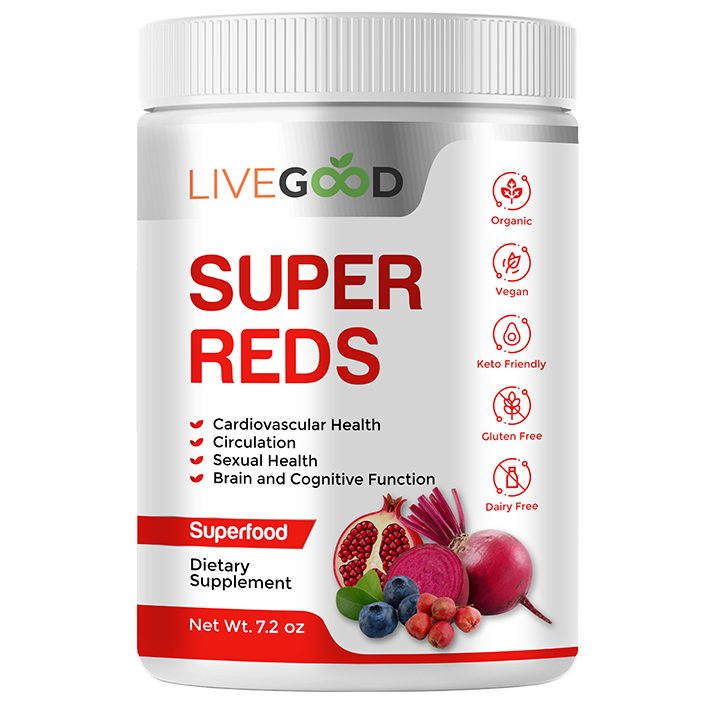
LiveGood Organic Super Reds is a great-tasting red fruit and vegetable extract powder that supports the body's nitric oxide production and promotes healthy blood circulation. Mix it with water or a smoothie according to the label, whether as a pre-workout or afternoon pick-me-up. It is $19.95 for members versus $34.95 retail, reflecting LiveGood's goal of making quality wellness support more accessible through membership rather than retail middlemen.
Frequently Asked Questions
What are super reds?
Super reds are powdered dietary supplements made from red, purple and sometimes blue fruits and vegetables. Typical formulas combine beet with berries, pomegranate, grape or concentrated produce blends. The term does not describe a regulated recipe, so ingredients and amounts vary widely. In this context, "super reds" refers to supplements, not a type of red blood cell donation.
What ingredients are in super reds powder?
Super reds powder commonly contains beetroot, blueberry, cranberry, raspberry, pomegranate, grape, tart cherry, acai or mixed fruit and vegetable concentrates. Some formulas also include hibiscus, tomato, red carrot, spinach, flavors or sweeteners. Read both the Supplement Facts and Other Ingredients panels because there is no ingredient list that every reds product must follow.
What is the main ingredient in reds powder?
Beetroot is the main ingredient in many reds powders, but there is no universal main ingredient. Some products are beet-forward, while others rely on fruit and vegetable concentrate blends. Ingredients are generally listed by weight within the relevant label section, so the first named component can offer a clue. Individual milligram amounts provide a much clearer answer.
Are reds powders high in sugar?
Reds powders are not necessarily high in sugar, but their sugar content depends on the formula. Whole-fruit and juice powders can retain natural sugars, while some products add sweeteners for taste. Check total sugars, added sugars and the serving size on the label. A sweet taste does not always mean sugar is present because stevia or other low-calorie sweeteners may be used.
Is reds powder the same as beetroot powder?
No, reds powder and beetroot powder are not automatically the same. Plain beetroot powder contains one primary ingredient, while a reds blend usually combines beet with berries, pomegranate, grape or other produce. Some reds products may be mostly beet. Check the ingredient order, beet amount and disclosed nitrate content rather than relying on the product name or color alone.