
CBD and Liver Safety: What the Evidence Shows
 Written by Nauder Khazan
Ask AI about this article and CBD Oil (Full-Spectrum)





CBD oil is not automatically safe for your liver. Most people may not develop a liver problem, but clinical trials have clearly shown that oral CBD can raise liver enzymes, particularly at higher doses and when combined with valproate. Here is what that finding means, which interactions matter, and when to involve your doctor.
Key Takeaways
- CBD can affect the liver: Oral CBD is processed partly by the liver and can raise enzymes that signal liver cell stress.
- Dose appears to matter: The clearest safety signal comes from trials using prescription CBD, although newer research has also raised concerns at lower doses.
- Valproate increases concern: Liver enzyme elevations were especially common when prescription CBD was taken with valproate.
- Symptoms may be absent: A blood test can detect an enzyme increase before you feel anything unusual.
- Medical guidance matters: Talk to your doctor before CBD if you have liver disease, take prescription medication, or are pregnant or breastfeeding.
Why Liver Safety Is a Real Question Here
Your liver processes nutrients, alcohol, medications, and many compounds found in supplements. When you swallow CBD oil, capsules, or gummies, some of that CBD passes through the liver before reaching the rest of your circulation. This is called first-pass metabolism.
Inside the liver, enzymes help break CBD down. Several belong to a family known as cytochrome P450, often shortened to CYP450. These same enzymes process many prescription drugs. CBD may slow some of them, which can change how quickly another medication leaves your body.
That does not mean every CBD user will experience liver injury. It does mean the question deserves more than a quick reassurance. Cannabidiol is biologically active, and "natural" does not mean inactive or risk-free.
The strongest safety evidence comes from Epidiolex, the only FDA-approved prescription medicine containing purified CBD. It is approved for certain seizure disorders and is used under medical supervision. Its doses, formulation, and quality controls differ from those of consumer CBD oils, so the results cannot be transferred perfectly. Still, the trials show that CBD itself can contribute to liver enzyme elevations.
Consumer products add another layer of uncertainty. Independent testing has repeatedly found that some CBD products contain more or less CBD than their labels state. Some also contain unexpected THC or contaminants. That makes the actual exposure harder to predict and is one reason a recent certificate of analysis, or COA, matters.
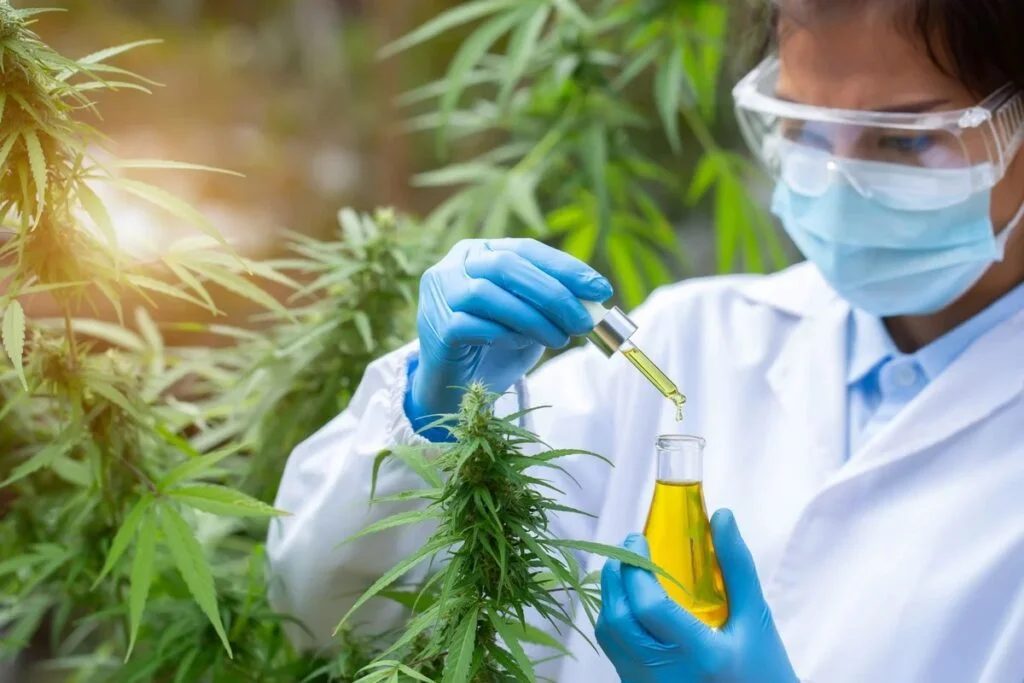
Oral CBD passes through the liver, where enzymes help break it down and may also process prescription medications.
What the Trial Data Showed
In controlled trials of Epidiolex for Lennox-Gastaut syndrome and Dravet syndrome, elevations of alanine aminotransferase, or ALT, above three times the laboratory's upper normal limit occurred in about 13% of people receiving the drug, compared with about 1% receiving placebo. Similar elevations occurred in about 12% of participants treated for tuberous sclerosis complex, again much more often than with placebo.
The pattern was dose-related. Higher prescription CBD doses produced more enzyme elevations than lower doses. The risk was also substantially greater among people taking valproate, an antiseizure medication already associated with liver concerns. Taking clobazam at the same time appeared to add further risk in some trial groups.
These findings do not establish a single consumer dose that is safe for every liver. Epidiolex trials often used weight-based doses that can be much larger than servings listed on retail CBD oils. However, a randomized trial conducted by scientists from the FDA's Division of Applied Regulatory Science also tested oral CBD in healthy adults for four weeks. At 5 milligrams per kilogram of body weight per day, roughly 350 milligrams for a 154-pound adult, about 5% developed marked aminotransferase elevations. Several participants stopped because they met criteria for possible drug-induced liver injury.
Most participants did not develop that laboratory signal, and enzyme levels returned toward normal after CBD was stopped. But the affected participants often had few or no obvious symptoms. The practical conclusion is not that all CBD causes liver damage. It is that oral CBD has a documented liver signal, individual susceptibility varies, and there is no proven universal cutoff below which risk disappears.
Clinical trials found dose-related liver enzyme elevations, with a stronger signal among people taking valproate.
What Raised Liver Enzymes Actually Mean
Liver enzymes are proteins that help chemical reactions occur inside liver cells. Two commonly measured enzymes are ALT and aspartate aminotransferase, or AST. When liver cells become irritated or injured, more of these enzymes can leak into the bloodstream. A blood test then shows a higher number.
An elevated result is a warning sign, not a diagnosis by itself. Exercise, infections, alcohol, fatty liver disease, medications, and other supplements can also affect ALT or AST. A mild increase may be temporary, while a large or persistent increase needs prompt medical evaluation. Your doctor interprets the number alongside your symptoms, health history, bilirubin, and other test results.
Bilirubin is a yellow substance produced as old red blood cells are broken down. A liver that is not processing it normally may allow bilirubin to build up. That can lead to yellow skin or eyes, known as jaundice. The combination of markedly elevated enzymes and elevated bilirubin can be more concerning than an enzyme increase alone.
Drug-induced liver injury can occur without early symptoms. When symptoms do appear, they may include unusual fatigue, nausea, poor appetite, dark urine, pale stools, pain in the upper right abdomen, itching, or jaundice. Stop taking the product and seek medical advice promptly if these occur. Severe symptoms or yellowing of the eyes warrant urgent care.
Do not use how you feel as your only safety check. You cannot reliably sense an ALT elevation. Resources such as the National Institutes of Health's LiverTox database explain why medication and supplement histories are central to evaluating an unexpected liver test.
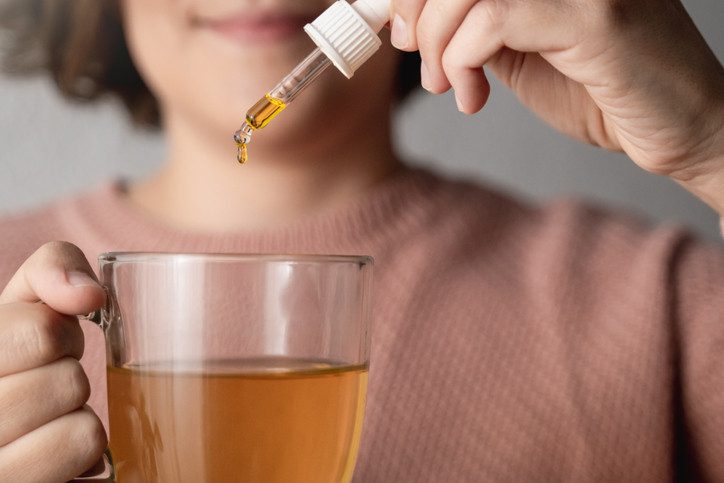
ALT, AST, and bilirubin tests help clinicians evaluate possible liver stress even when no symptoms are present.
Interactions That Increase the Risk
CBD can affect CYP450 enzymes that process many medications. If CBD slows an enzyme, the level of another drug may rise and remain in your body longer. In other cases, the interaction can alter CBD exposure itself. The result depends on the medicine, dose, timing, genetics, and liver function, so it cannot be predicted from a CBD label alone.
Valproate deserves special attention because Epidiolex trials documented a much higher rate of liver enzyme elevation when the two were used together. Clobazam can also interact with CBD. This does not mean you should stop either prescription on your own. It means the prescriber needs to review the combination and decide whether laboratory monitoring or another plan is appropriate.
Other potential interactions include certain blood thinners, antiseizure drugs, sedatives, antidepressants, transplant medicines, and medications with a narrow therapeutic index. A narrow therapeutic index means that a small change in the amount of medicine in your bloodstream can create a meaningful change in safety or effect. Anyone taking prescription medication should ask a doctor or pharmacist before using CBD.
Alcohol, acetaminophen, and other supplements can add complexity, especially when used frequently or in large amounts. There is not enough evidence to create a simple ranking of whether CBD or alcohol is "worse" for the liver. Their risks differ, and combining substances that affect the liver is not a sound safety strategy.
Full-spectrum CBD products also contain trace THC. Review the COA for CBD and THC amounts, pesticides, solvents, heavy metals, and microbial contamination. A COA does not guarantee that CBD will be safe for you, but it can reduce uncertainty about what is in the bottle.
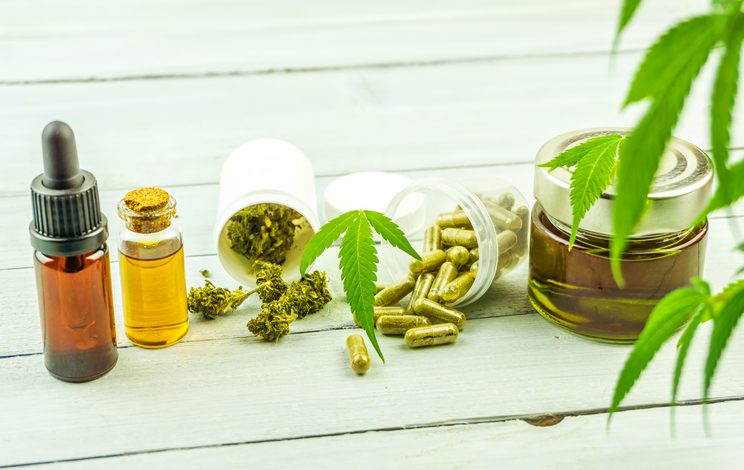
A current medication list and product COA can help a doctor or pharmacist assess CBD interaction risks.
Who Should Talk to a Doctor First
Talk to a doctor before taking CBD if you have cirrhosis, fatty liver disease, hepatitis, previously abnormal liver tests, or another liver condition. Impaired liver function may change how your body processes CBD. There is no good clinical evidence that consumer CBD oil treats fatty liver disease or repairs liver damage, so it should not replace medical care, nutrition changes, movement, or prescribed treatment.
You also need a medication review if you take valproate, clobazam, blood thinners, seizure medicines, sedatives, transplant drugs, or multiple prescriptions. Bring the CBD label and COA to the appointment. Your pharmacist may also be able to identify CYP450 interactions and duplicated ingredients.
People who are pregnant or breastfeeding should avoid consumer CBD unless a qualified clinician specifically advises otherwise. Safety data are limited, and possible exposure can extend to a developing baby. Children should receive CBD only under appropriate medical supervision. If you have kidney disease or another existing medical condition, ask your doctor as well.
Your clinician may consider baseline and follow-up liver tests if you use oral CBD regularly, take a substantial amount, have liver risk factors, or use interacting medication. Testing is routine with prescription Epidiolex, but there is no universal testing schedule for retail CBD. Do not copy a prescription monitoring plan or raise your serving to match a study. Follow the product directions and let your clinician determine whether testing makes sense.
Finally, tell your healthcare team about CBD even if you think of it as a wellness product. Include the form, approximate amount, frequency, and when you last took it. That information can help explain an unexpected laboratory result.
People with liver conditions or prescription medications should seek individualized guidance before using oral CBD.
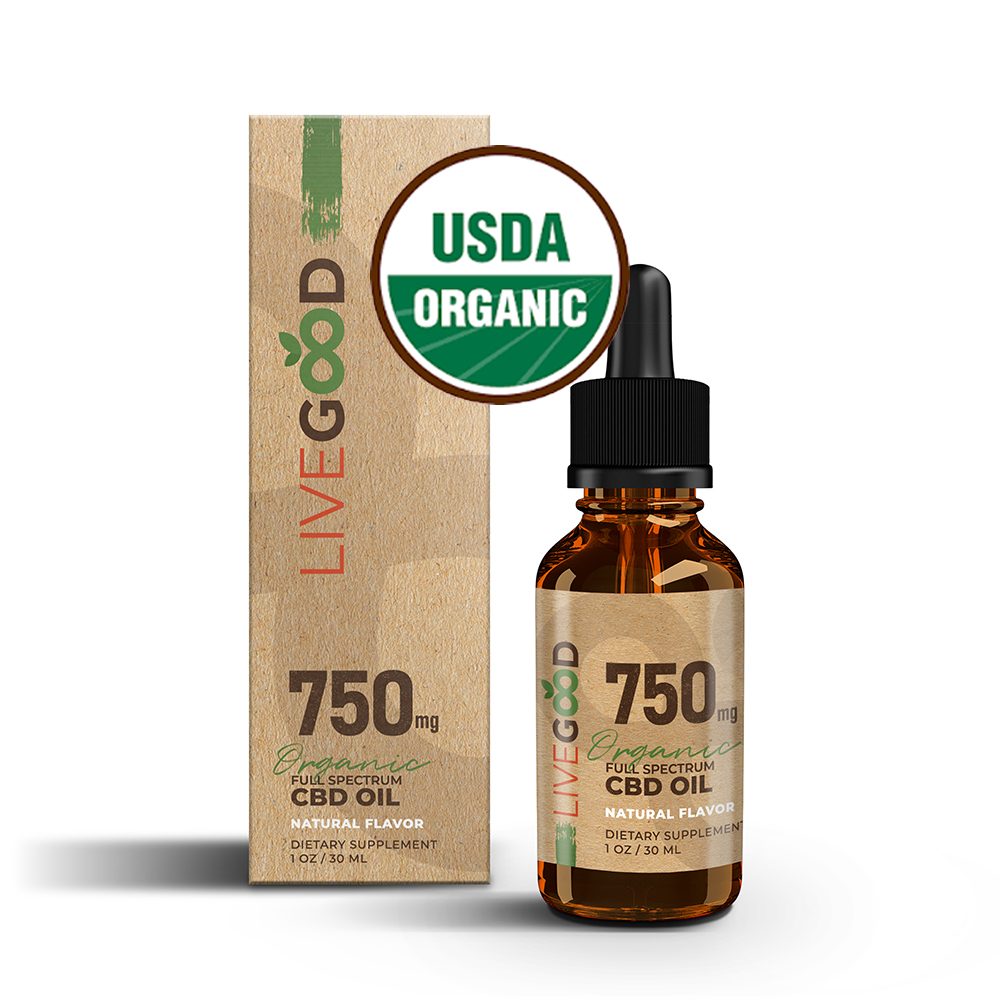
If you and your clinician decide CBD fits your routine, LiveGood CBD Oil (Full-Spectrum) is derived from the top 1% of hemp farms in the country and uses MCT oil as the carrier for faster absorption and maximum benefit. The 750mg strength is $14.95 for members or $29.95 retail. The 1500mg strength is $19.95 member or $39.95 retail, in Natural or Peppermint, plus limited-time Cinnamon. Full-spectrum oil contains trace THC, so check the label and COA and do not exceed directions. "Highest Quality. Lowest Prices. Every Day."
Frequently Asked Questions
Is CBD safe for your liver?
CBD is not risk-free for the liver, although many users may not develop an obvious problem. Controlled studies have found liver enzyme elevations in a minority of participants, with greater concern at higher doses and alongside certain medicines. If you have liver disease, abnormal blood tests, or use prescription drugs, ask your doctor before taking oral CBD.
Can CBD raise liver enzymes?
Yes, CBD can raise liver enzymes such as ALT and AST. This was documented in prescription Epidiolex trials and in a shorter study of healthy adults taking oral CBD. An increase can indicate liver cell stress, but it does not prove severe or permanent damage by itself. A clinician should interpret the result with other tests, symptoms, medications, and health history.
Who should avoid CBD?
People who are pregnant or breastfeeding should avoid consumer CBD unless specifically directed by a qualified clinician. Children should not use it without medical supervision. Anyone with cirrhosis, fatty liver disease, hepatitis, abnormal liver tests, kidney disease, or multiple prescriptions should speak with a doctor first rather than assuming CBD is appropriate.
Does CBD interact with liver medication?
Yes, CBD may interact with medications processed by liver enzymes, including CYP450 enzymes. Valproate is a particularly important example because liver enzyme elevations were more common when it was combined with prescription CBD. CBD may also affect blood thinners, antiseizure drugs, sedatives, and other medicines. Do not change a prescription yourself, ask your doctor or pharmacist to review the combination.
Should you get liver tests if you take CBD?
Liver testing may be appropriate if you use oral CBD regularly, take higher amounts, have liver disease, previously had abnormal results, or take interacting medications. Routine testing is required with prescription Epidiolex, but no single schedule applies to all consumer CBD users. Your doctor can decide whether you need a baseline test and follow-up based on your personal risk.