
Is Creatine a Protein? What It Actually Is
 Written by Ben Glinsky
Ask AI about this article and Creatine + HMB





No, creatine is not a protein. Your body makes it from three amino acids, but creatine is a separate compound that helps recycle cellular energy rather than serving as building material. Here is what that distinction means for your muscles, workouts, and protein needs.
Key Takeaways
- Creatine is not protein: It is a nitrogen-containing organic acid with a different structure and job.
- Three amino acids are involved: Your body synthesizes creatine from glycine, arginine, and methionine.
- Creatine recycles energy: It helps restore ATP, the immediate energy source used by your cells.
- Protein provides building material: Dietary protein supplies amino acids for maintaining and repairing body tissues.
- You can use both: Creatine and protein are not substitutes, so they can be part of the same routine.
The Short Answer
Creatine is not a protein, even though your body makes it using amino acids. Chemically, creatine is a nitrogenous organic acid. That means it is a small carbon-based compound containing nitrogen. It is not a peptide, which is a short chain of amino acids, or a protein, which is made from one or more long, folded amino acid chains.
This difference matters because structure determines function. Proteins contribute to muscle tissue, enzymes, antibodies, skin, and many other parts of your body. Creatine does not become a structural part of muscle in the same way. Instead, most of your body's creatine is stored in skeletal muscle, where it helps cells restore energy rapidly.
You naturally make creatine, and you can also obtain smaller amounts from foods such as meat and fish. Creatine supplements commonly provide creatine monohydrate, a well-studied form made of creatine bound to one water molecule. The word "monohydrate" does not make it a protein or carbohydrate.

Creatine and protein are both associated with fitness, but creatine supports energy recycling while protein supplies building material.
A simple way to remember the distinction is this: protein supplies materials that your body can use to build and maintain tissue, while creatine supports a system that keeps quick energy available. They may both be associated with strength training, but they do different jobs.
What Creatine Is Made From
Your body synthesizes creatine from three amino acids: glycine, arginine, and methionine. Amino acids are small organic compounds that your body uses for many purposes. They are often called the building blocks of protein, but making protein is not their only role.
Creatine production happens through a short series of chemical steps. First, parts of arginine and glycine are combined to form a compound called guanidinoacetate. A component supplied by methionine is then added, producing creatine. You do not need to memorize those names. The practical point is that your body takes pieces from three amino acids and rearranges them into a new molecule.
Once made, creatine travels through the blood. Most is taken up by skeletal muscle. Smaller amounts are found in tissues with substantial energy demands, including the brain and heart. Some creatine is converted into phosphocreatine, the stored form that participates in rapid energy recycling.
The body synthesizes creatine from glycine, arginine, and methionine before storing most of it in muscle.
Your body makes creatine whether or not you take a supplement. Food can contribute additional creatine, especially red meat, pork, and seafood. Plant foods contain little to no creatine, although they can provide the amino acids needed for your body to make it. People who eat little or no animal food may therefore begin with lower muscle creatine stores, but individual levels vary.
Creatine monohydrate supplements provide creatine directly. They do not need to contain protein simply because amino acids were involved in creatine's original synthesis.
Why Amino Acids Do Not Make It a Protein
A substance does not count as protein merely because it comes from amino acids. What matters is how those amino acids are joined and what final structure they create.
Proteins consist of amino acids connected by peptide bonds. A peptide bond is a specific chemical link that joins one amino acid to the next. Long chains fold into particular shapes, and those shapes let proteins perform jobs such as forming tissue, transporting substances, or speeding up chemical reactions.
Creatine has neither that chain nor that folded protein structure. During creatine synthesis, your body uses selected parts of glycine, arginine, and methionine to form a much smaller molecule. The original amino acids are changed and rearranged. The result is creatine, not a three-amino-acid protein.

Proteins contain amino acid chains, while creatine is a much smaller compound with a different chemical structure.
Think of amino acids as ingredients that can be used in different recipes. One recipe may connect many complete amino acids into a protein. Another may use parts of a few amino acids to make creatine. Sharing starting ingredients does not make the finished substances identical.
This is also why creatine is not counted toward your daily protein intake. A serving of plain creatine monohydrate does not provide a useful amount of dietary protein, and nutrition labels should not list its creatine weight as grams of protein. Creatine also does not supply all nine essential amino acids, which are amino acids your body cannot make in adequate amounts and must obtain from food.
So, while the phrase "made from amino acids" is accurate, calling creatine a protein is not.
What Creatine Does Instead
Creatine helps your cells recycle adenosine triphosphate, usually called ATP. ATP is the small molecule cells use as an immediate source of energy. When ATP releases energy, it loses a phosphate group and becomes ADP, or adenosine diphosphate.
Phosphocreatine can donate a phosphate group to ADP, turning it back into ATP. This happens quickly, which makes the creatine system especially useful during brief, demanding efforts. Examples include lifting a heavy weight, jumping, sprinting, or repeating a hard exercise set.
Your stored ATP lasts only a short time during intense activity. The phosphocreatine system helps replenish it, but it is not an unlimited energy supply. Your body also relies on carbohydrates and fats through slower energy pathways. Creatine complements those systems rather than replacing them.
Stored phosphocreatine helps cells quickly restore ATP during short periods of demanding activity.
Research on creatine monohydrate suggests that it can support strength, power, and training capacity during repeated high-intensity exercise. Over time, doing slightly more productive training may support gains in muscle and strength. Creatine can also draw water into muscle cells, so an early increase in body weight may reflect additional muscle water rather than new muscle tissue.
Creatine does not directly construct muscle protein. Any longer-term muscle gain is tied largely to improved training capacity, resistance exercise, adequate nutrition, and consistency. Research into creatine and cognitive performance is continuing. Some findings are promising, particularly when creatine intake or sleep is limited, but results are not uniform.
Follow supplement label directions. Talk to your doctor before using creatine if you take prescription medication, are pregnant or breastfeeding, have kidney or liver concerns, or manage an existing medical condition.
LiveGood Creatine + HMB provides 5 grams of creatine monohydrate and 3 grams of HMB per serving, with no junk fillers, flavors, or additives. It is formulated to support cellular energy in muscle, brain, and heart, while HMB helps maintain muscle as you age. Follow the label directions consistently. Members pay $19.95 compared with $34.95 retail, supporting LiveGood's mission to "Provide the highest quality supplements in the world, at the lowest prices possible."
Do You Still Need Protein?
Yes, you still need dietary protein because creatine cannot do protein's job. Protein supplies amino acids your body uses to maintain and repair muscles, skin, organs, enzymes, hormones, and other tissues. Creatine supplies no meaningful substitute for those materials.
You can obtain protein from poultry, fish, eggs, dairy foods, meat, beans, lentils, soy foods, nuts, seeds, and other foods. A protein powder can be convenient, but it is not required if your meals already meet your needs. Your ideal intake depends on factors such as body size, age, activity level, health, and training goals.
Creatine and protein can be taken together because they work through separate pathways. There is no requirement to separate them or assign one before exercise and the other afterward. For most people, meeting overall protein needs and taking creatine consistently according to its label matter more than precise timing.
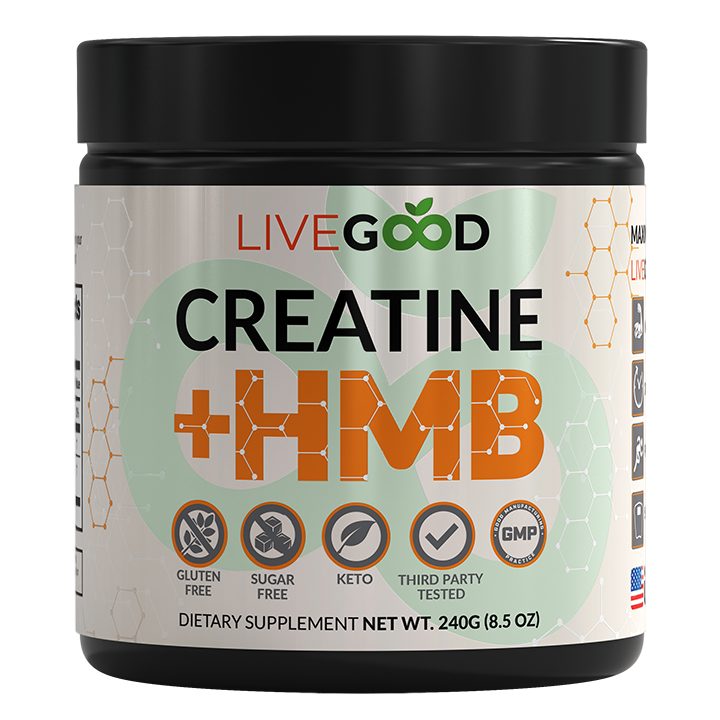
Protein-rich foods and creatine can fit into the same routine because they support different nutritional needs.
A practical routine could include protein-rich meals across the day and a creatine supplement taken at a time you can remember. You can mix creatine into a protein shake if the product directions allow it, or take each separately. The combination does not turn creatine into protein.
Neither supplement replaces resistance training, balanced meals, sleep, or recovery. Protein supports the raw-material side of muscle maintenance. Creatine supports rapid energy recycling and may help you complete productive training. Keeping those roles separate makes supplement choices much easier and helps you avoid expecting one product to do the other's job.
Frequently Asked Questions
Is creatine a protein?
No, creatine is not a protein. It is a small nitrogen-containing organic compound that your body makes from glycine, arginine, and methionine. Unlike protein, it is not a chain of amino acids connected by peptide bonds. Its primary role is supporting rapid ATP recycling, not supplying structural material for muscle and other tissues.
Is creatine an amino acid?
No, creatine is not an amino acid. Your body synthesizes it using components from three amino acids, but the finished creatine molecule has a different chemical structure. Amino acids can be connected into proteins or used to make other compounds. Creatine belongs to that second category and participates mainly in cellular energy management.
Does creatine contain protein?
Plain creatine monohydrate does not contain dietary protein unless another protein ingredient has been added to the product. The amount listed as creatine should not be counted toward your daily protein intake. Always read the Supplement Facts and ingredient list because combination formulas may include creatine alongside protein, carbohydrates, or other ingredients.
Does creatine replace protein powder?
No, creatine cannot replace protein powder or protein-rich food. Protein powder provides amino acids that help your body maintain and repair tissue. Creatine supports the rapid renewal of ATP during demanding activity. If you use both, treat creatine as an energy-support supplement and protein powder as a convenient way to help meet your protein needs.
Can you take creatine and protein together?
Yes, most healthy adults can take creatine and protein together. They serve different purposes, and combining them in a shake is mainly a matter of convenience. Follow each product's label directions rather than assuming more is better. Talk to your doctor first if you use prescription medication, are pregnant or breastfeeding, have kidney or liver concerns, or have another medical condition.