
Is Plant Protein Good for Building Muscle?
 Written by Ben Glinsky
Ask AI about this article and Organic Complete Plant-Based Protein





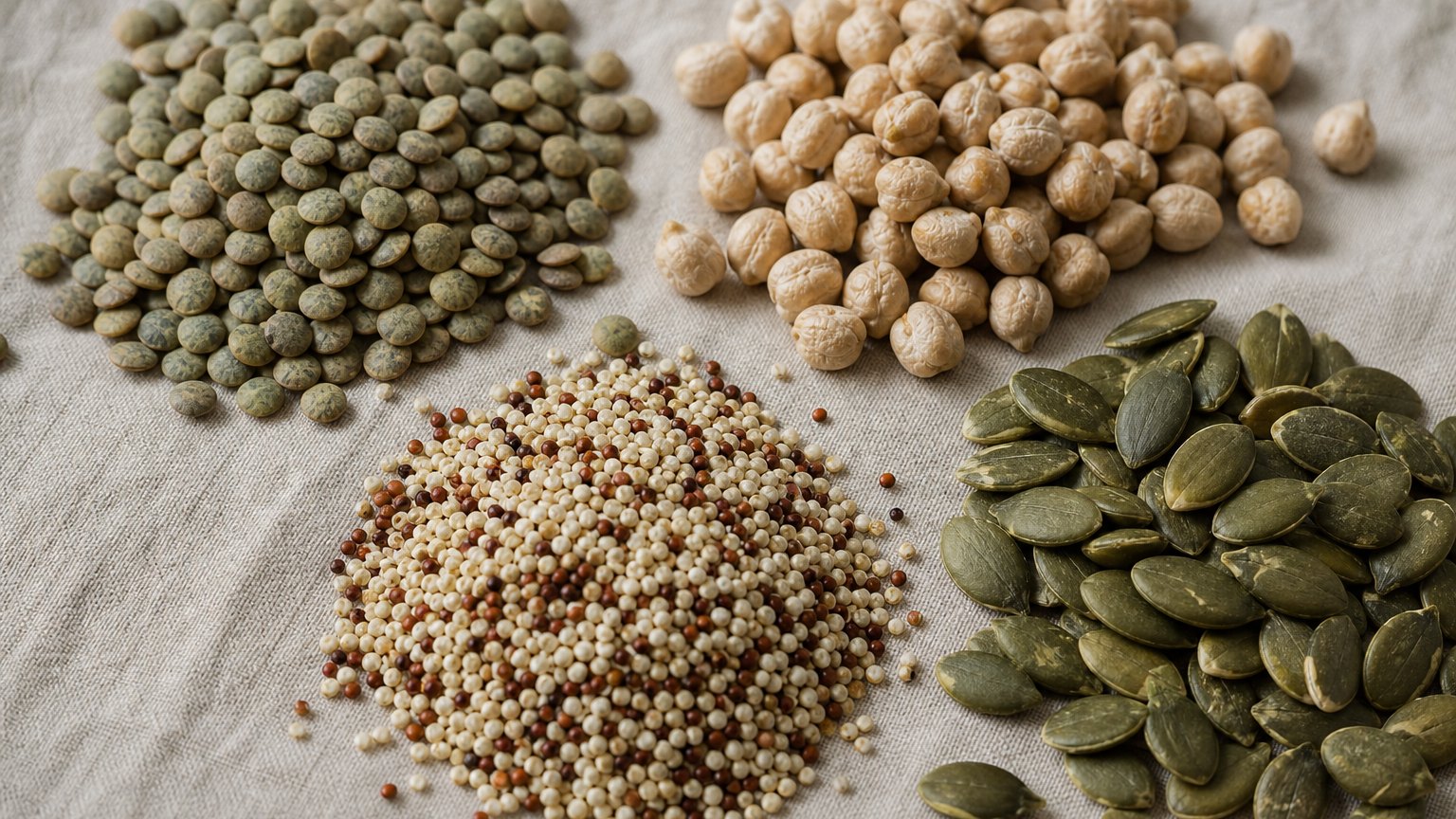
Yes, plant-based protein is good for building muscle. When your total protein and leucine intake are high enough, research suggests well-formulated plant proteins can support muscle growth comparably to whey. The details come down to serving size, amino acid balance, training, and consistency.
Key Takeaways
- Plant protein can build muscle: Your muscles can use amino acids from peas, soy, hemp, beans, grains, and other plant foods.
- Total protein matters most: Reaching a suitable daily intake is more important than relying on one specific protein source.
- Leucine helps explain the difference: Whey usually provides more leucine per gram, but a larger plant serving or a thoughtful blend can narrow that gap.
- Older comparisons need context: Some studies gave equal protein amounts without matching leucine, which can make whey look more effective.
- Training remains essential: Protein supports the process, but progressive resistance exercise provides the signal that encourages muscle growth.
The Short Answer
Plant protein can increase muscle mass when it is paired with resistance training and enough total food. Your body does not label amino acids as "plant" or "animal" once they have been digested. It uses those amino acids to repair tissue and make new muscle proteins.
The main difference is concentration. Whey naturally contains a high proportion of essential amino acids, which your body cannot make, and leucine, an amino acid that helps start muscle protein synthesis. Muscle protein synthesis is the process of building and repairing muscle tissue. Many individual plant proteins provide less leucine or lower amounts of one or more essential amino acids per gram.
That difference is real, but it is often manageable. You can use a slightly larger serving, choose a leucine-rich plant protein, or combine sources with complementary amino acid profiles. Soy, pea, potato, and well-designed plant blends are useful options. Whole foods such as tofu, tempeh, lentils, beans, seitan, nuts, seeds, and grains can contribute across the day.
Research comparing adequate servings generally finds that plant protein can support gains in strength and lean mass. Results are most similar when total daily protein, essential amino acids, leucine, calories, and training are comparable. Plant protein is not a shortcut, and it does not guarantee muscle gain. It is simply a practical protein source that can work within an effective training and nutrition plan.
Why Older Studies Favoured Whey
Whey performed better in several older short-term studies, but the comparison was not always as even as it appeared. Researchers might give one group 20 grams of whey and another group 20 grams of soy, wheat, or another plant protein. The number of protein grams matched, but the amount of leucine and other essential amino acids often did not.
This matters because 20 grams of whey commonly delivers more leucine than 20 grams of many plant proteins. Whey is also highly digestible, so its amino acids enter the bloodstream quickly. If one serving provides more of the amino acids that stimulate muscle protein synthesis, a larger immediate response is not surprising.
An immediate response is not the same as long-term muscle growth. Acute studies often measure muscle protein synthesis for several hours after one shake or workout. Training studies follow changes in strength, muscle size, or lean mass over weeks or months. The short-term measurement is useful, but it cannot capture your entire diet, repeated workouts, recovery, sleep, or adaptation over time.
When newer comparisons use enough plant protein to provide a similar amount of leucine and essential amino acids, the difference often becomes smaller or disappears. That does not mean every powder is interchangeable scoop for scoop. It means the fairest comparison is based on what the serving delivers, not simply whether the label says whey or plant protein.
Leucine Is the Variable That Matters
Leucine is one of nine essential amino acids. It acts partly as a signal that tells muscle cells amino acids are available for repair and growth. You still need all the essential amino acids to build tissue, so leucine cannot do the job alone. Think of it as a starter signal rather than the complete building material.
A common practical target is roughly 2 to 3 grams of leucine in a protein-rich meal. This is not a precise switch that works identically for everyone. Body size, age, activity, meal composition, and training status can change the response. Older adults may need a larger protein serving to produce the same muscle-building signal seen in younger adults.
Whey usually has an advantage in leucine density, meaning it supplies more leucine in each gram of protein. A smaller whey serving may therefore reach a useful leucine amount sooner. Pea and soy proteins also contain leucine, but you may need a little more total protein to reach a similar amount. Hemp is nutritious and provides all nine essential amino acids, although it is generally less concentrated than an isolate.
Check labels for protein per serving and, when disclosed, the amino acid profile. Do not judge a powder by total scoop weight. A 40-gram scoop may contain 20 grams of protein because flavors, fiber, minerals, and other ingredients make up the rest. The actual protein and leucine content are the figures that matter for this comparison.
How Blends Close the Gap
Plant protein blends combine sources that have different strengths. Pea protein is relatively rich in lysine but lower in methionine. Rice protein tends to provide more methionine but less lysine. Combining them can produce a more balanced essential amino acid profile than relying on either source alone.
Pea and hemp are another practical pairing. Pea contributes concentrated protein and branched-chain amino acids, or BCAAs. These are leucine, isoleucine, and valine. Hemp adds a different amino acid pattern along with naturally occurring plant nutrients. The exact result still depends on how much of each ingredient is included, so the word "blend" alone does not prove that a product contains an ideal dose.
You do not have to combine complementary foods in the same bite or shake. Your body maintains an amino acid pool from the foods you eat, so variety across the day generally works well. A day that includes tofu at breakfast, lentils at lunch, and pea protein after training can provide a broad amino acid mix.
Processing also affects how much protein your body can digest. Plant protein isolates and concentrates remove some fiber and starch, making their protein more concentrated and often easier to use in a muscle-focused serving. Whole plant foods remain valuable because they contribute carbohydrates, fiber, fats, vitamins, and minerals. Powders are a convenience tool, not a replacement for a varied diet.
Practical Daily Amounts
Start with your daily total. For people doing regular resistance training, a commonly used range is about 1.2 to 1.6 grams of protein per kilogram of body weight each day. A 70-kilogram person, about 154 pounds, would get 84 to 112 grams within that range. Some highly active people use more, but more is not automatically better. Houston Methodist offers a similar muscle-building protein range.
Next, spread protein across three to five meals or snacks. Many people find roughly 25 to 40 grams per eating occasion practical. If most of your protein comes from less concentrated plant foods, aim toward the upper part of the range. Larger bodies and older adults may also benefit from larger servings.
After training is a convenient time for protein, but there is no tiny window that closes within minutes. A protein-rich meal or shake within a few hours of exercise is reasonable. Your total intake over the day matters more than racing to drink a shake in the locker room.
Build meals around clear protein sources instead of assuming vegetables provide enough. Try tofu, tempeh, edamame, seitan, lentils, beans, chickpeas, textured vegetable protein, soy milk, or a plant protein powder. Add grains, nuts, and seeds to contribute additional amino acids and calories.
Muscle gain also requires progressive resistance training and enough energy from food. If you consistently eat fewer calories than you use, adding tissue becomes harder. Follow supplement label directions. Talk to your doctor before significantly changing your protein intake if you are pregnant, breastfeeding, taking prescription medication, or have a kidney condition, liver condition, or another existing medical condition.
Organic Complete Plant-Based Protein offers a convenient way to add protein to this routine. The vanilla powder combines organic pea protein, with all nine essential amino acids plus BCAAs, and organic hemp protein, along with 26 vitamins and minerals. Mix it with water or blend it into a smoothie any time of day. It is $39.95 for members and $49.95 retail, supporting LiveGood's mission to "Provide the highest quality supplements in the world, at the lowest prices possible."
What Still Favours Whey
Whey retains a few practical advantages. It usually contains more leucine per gram, has a consistently strong essential amino acid profile, and is highly digestible. That makes it easy to reach a useful amino acid amount with a relatively small serving. If you have a low appetite or want the most protein in the least powder, whey may be more convenient.
Whey also has a larger research base. Scientists have studied it across many ages, training programs, and protein amounts. Plant protein research is growing, but individual sources and blends vary more. You cannot assume every plant powder will perform like the pea, soy, potato, or blended proteins used in a particular study.
Taste and texture can differ too. Plant powders may be thicker, grainier, or earthier. Some contain more fiber, gums, or sweeteners, which can cause digestive discomfort for certain people. Whey can also cause symptoms, especially for someone sensitive to lactose or dairy. Neither category is automatically easier to digest for everyone.
Your best choice is the protein you tolerate, enjoy, can afford, and will use consistently. Choose whey if dairy works for you and you value a compact leucine-rich serving. Choose plant protein if you avoid dairy, eat vegan, prefer plant ingredients, or simply like it better. If the plant serving provides enough total protein, leucine, and essential amino acids, you are not giving up the ability to build muscle. Consistent training, adequate food, and repeatable habits will matter far more than brand loyalty to one protein source.
Frequently Asked Questions
Is plant protein as good as whey for building muscle?
Plant protein can support muscle growth as effectively as whey when total protein, leucine, calories, and resistance training are comparable. Whey usually supplies more leucine per gram, so equal-sized servings are not always nutritionally equal. A slightly larger plant serving or a balanced blend can often address that difference. Long-term results still depend on training quality and consistency.
Do you need more plant protein than whey?
You may need a modestly larger serving of plant protein to match the leucine and essential amino acids in whey. The difference depends on the source, since soy and pea are generally more concentrated than many whole-food proteins. Check protein and amino acid information rather than comparing scoop sizes. Your total daily intake remains the main priority.
Which plant proteins are best for muscle?
Soy, pea, potato, and thoughtfully formulated blends are strong choices for supporting muscle. They provide useful amounts of essential amino acids and can fit easily into meals or shakes. Hemp, rice, beans, lentils, tofu, tempeh, and seitan also contribute. Using several sources across the day helps create a balanced amino acid intake.
Does plant protein have enough leucine?
Plant protein can provide enough leucine, although many sources contain less per gram than whey. Pea and soy are among the more leucine-rich plant options. Check the amino acid profile when it is available, or choose a serving that provides enough total protein. A blend can improve balance, but its value depends on the actual ingredients and amounts.
Can you build muscle on a vegan diet?
Yes, you can build muscle on a vegan diet with resistance training, adequate calories, and sufficient protein. Center meals on tofu, tempeh, seitan, legumes, soy foods, and concentrated plant proteins rather than relying mainly on vegetables. Spread protein through the day and eat a varied diet. Vitamin B12 and other nutrients also deserve attention in a fully vegan routine.