
Is Whey Protein Isolate Bad for You? Safety and Daily Use
 Written by Nauder Khazan
Ask AI about this article and Whey Protein Isolate - With Colostrum





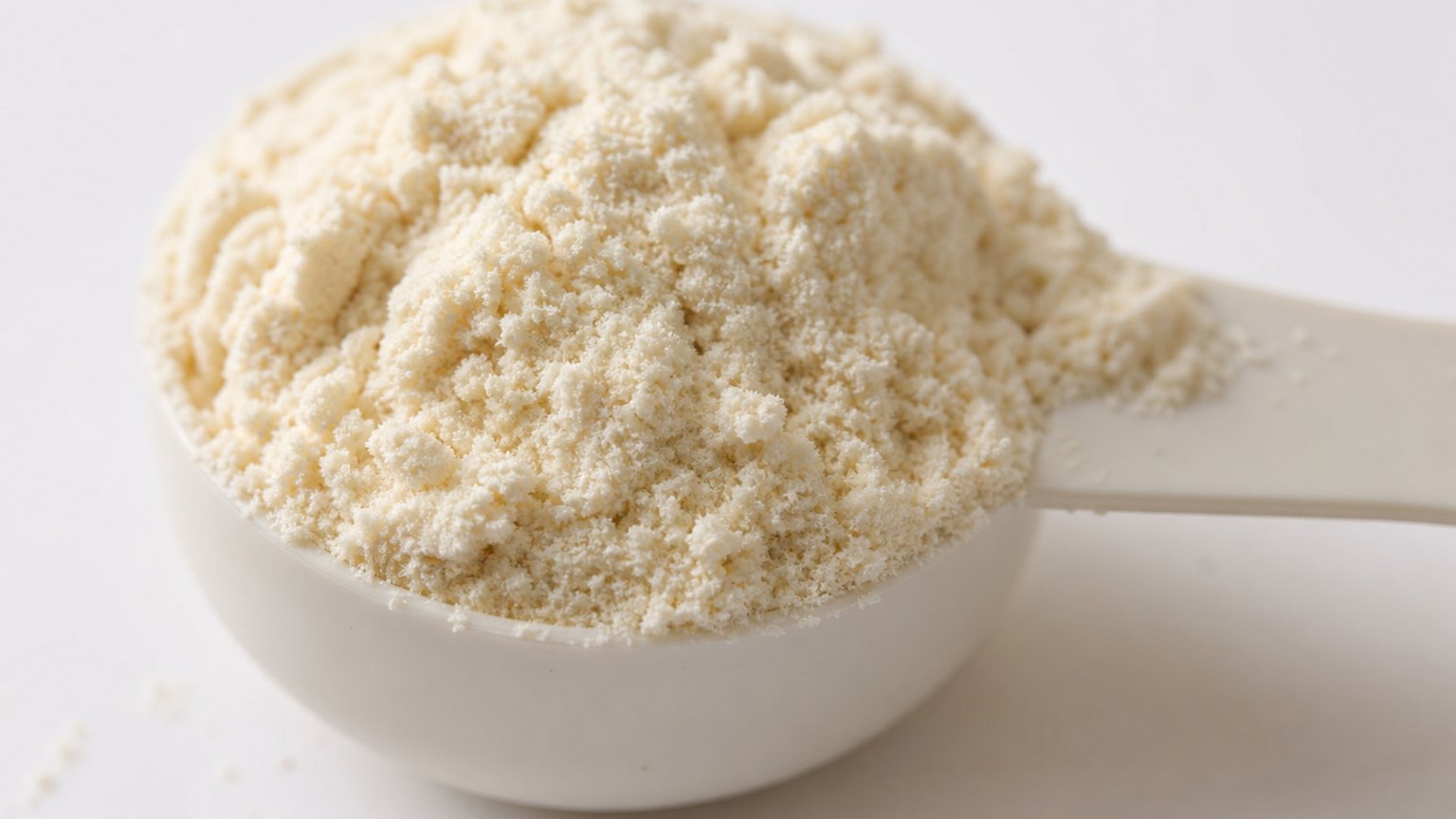
For most healthy adults, whey protein isolate is not bad for you when it is used as directed and fits into a balanced diet. The main concerns involve allergies, digestive sensitivity, product quality, and medical conditions that change how your body handles protein. Here is what the evidence says about kidneys, liver health, bones, acne, heavy metals, and daily use.
Key Takeaways
- Generally safe for healthy adults: Whey protein isolate can be used daily when it complements, rather than replaces, a varied diet.
- Healthy kidneys are different: Research does not support the claim that normal whey use damages healthy kidneys, but kidney disease requires medical guidance.
- Digestive reactions vary: Isolate contains less lactose than concentrate, yet milk allergy, remaining lactose, sweeteners, or large servings can still cause symptoms.
- Product quality matters: Review the full label and look for credible independent testing that covers contaminants and label accuracy.
- Total protein comes first: Count protein from food and supplements together, then use whey only to fill a practical gap.
Where the Safety Worry Comes From
Whey is the liquid portion of milk separated during cheese production. Manufacturers filter it to remove much of the fat, carbohydrate, and lactose, which is milk sugar. The result is whey protein isolate, often called WPI. It usually contains a higher percentage of protein and less lactose than whey concentrate.
Some safety concerns come from confusing a concentrated nutrient with a dangerous one. Protein does create work for the digestive system, liver, and kidneys, but normal work is not the same as organ damage. Other worries begin with genuine case reports involving extreme intake, existing illness, contaminated products, or supplements containing many ingredients. Those situations do not show that plain whey isolate harms everyone.
Claims about bone loss are also commonly repeated. The theory says a high-protein diet creates an acidic load that pulls calcium from bones. Current evidence does not show that reasonable protein intake weakens bones in healthy people. Protein helps maintain muscle, which supports balance and physical function, and it is also part of bone tissue. Calcium intake, vitamin D, resistance exercise, age, and overall diet remain important.
Acne is less settled. Small reports and observational research suggest whey or dairy may worsen breakouts in some people, possibly through hormone-related signaling. That does not prove whey causes acne in everyone. If a new powder lines up with a noticeable skin change, stopping it temporarily and discussing persistent acne with a clinician is reasonable.

Whey protein isolate is filtered to provide concentrated protein with less fat and lactose than whey concentrate.
Protein and Kidneys: What the Evidence Says
The claim that whey protein damages kidneys is not supported in people with healthy kidney function. When you eat more protein, the kidneys may temporarily filter more blood. This is called increased filtration. In a healthy person, researchers generally view that response as an adaptation to processing more protein, not proof of injury.
Studies of healthy adults, including people who exercise regularly, have not established that typical higher-protein diets cause chronic kidney disease. There are still limits to what research can tell us. Many studies last weeks or months rather than decades, and extremely high intakes are not well studied. That is one reason to avoid treating protein powder as an unlimited food.
The answer changes if you already have kidney disease, reduced kidney function, kidney stones, diabetes with kidney complications, or another condition affecting fluid and mineral balance. Damaged kidneys may have more difficulty handling protein waste products. A clinician or registered dietitian may recommend an individualized protein target based on laboratory results, disease stage, medications, and the rest of your diet.
Do not rely only on how you feel. Early kidney disease may not cause obvious symptoms. If you have a kidney condition, abnormal kidney test results, or a strong medical reason for concern, talk to your doctor before using whey protein isolate or significantly raising your protein intake.
The practical distinction is simple. Protein restriction can be medically useful for some people with kidney disease, but that does not mean protein damages healthy kidneys. Applying advice for a diagnosed condition to every healthy adult creates the myth.

Normal kidney adaptation to protein is different from the protein restrictions that may be needed with kidney disease.
Who Should Actually Be Cautious
Anyone with existing kidney or liver disease should talk to a doctor before taking whey protein isolate. The liver helps process amino acids, which are the smaller building blocks of protein. Ordinary whey intake has not been shown to damage a healthy liver, but people with liver conditions may have different nutrition needs. Rare reports of liver injury linked to supplements often involve unusually high intake, multiple ingredients, undisclosed substances, or other possible causes.
Avoid whey completely if you have a true cow's milk protein allergy unless an allergy specialist says otherwise. Whey isolate is still a milk protein. Removing most lactose does not remove the proteins that can trigger hives, swelling, wheezing, vomiting, or a severe allergic reaction. Lactose intolerance is different because it involves difficulty digesting milk sugar, not an immune response to milk protein.
Pregnant or breastfeeding readers should ask their doctor before adding a dietary supplement, even when its main ingredient comes from food. The same applies if you take prescription medication or have an existing medical condition. Your clinician can consider your full diet, treatment plan, and any ingredients beyond whey itself.
You may also want to reconsider whey if it repeatedly causes digestive discomfort, headaches, or skin changes. That does not necessarily mean whey is broadly unsafe. It may mean the serving is too large, you are sensitive to another ingredient, or the product does not suit you.
Finally, read beyond the front label. Flavored powders can contain sweeteners, gums, added vitamins, herbs, or stimulants. A reaction blamed on whey may come from one of those additions. A shorter, clearly labeled ingredient list makes it easier to identify what you are actually consuming.
Digestive Effects and Lactose
Whey protein isolate is often easier to tolerate than whey concentrate because additional filtration removes most of the lactose. It may be a practical option for some people with lactose intolerance, but it is not automatically lactose-free. The amount left depends on the product and manufacturing process.
Lactose intolerance usually causes gas, bloating, cramps, or diarrhea after consuming lactose. Symptoms depend on your personal tolerance and serving size. If you are highly sensitive, check whether the label specifically states how much lactose is present rather than assuming that every isolate is identical.
Digestive symptoms can also occur for reasons unrelated to lactose. Drinking a large shake quickly can leave you feeling overly full. Sugar alcohols and certain high-intensity sweeteners may cause gas or loose stools in some people. Gums used to thicken shakes can be another trigger. Mixing powder with regular milk adds lactose even when the powder itself contains very little.
Start by following the label directions. You can also check whether symptoms change when the powder is mixed with water instead of milk or consumed in a smaller beverage alongside food. Do not keep increasing the serving because you think more protein must produce better results.
Digestive enzymes may support the breakdown of nutrients, but they do not make a milk-based product safe for someone with a milk allergy. Persistent pain, vomiting, severe diarrhea, blood in the stool, swelling, or breathing difficulty needs medical attention rather than another supplement experiment.

Checking lactose, sweeteners, gums, and serving size can help you identify the source of digestive discomfort.
Heavy Metals and Third Party Testing
Heavy metals are a legitimate quality concern across many foods and dietary supplements, not a problem unique to whey. Lead, cadmium, arsenic, and mercury occur naturally in soil, water, and air. Small amounts can enter ingredients before manufacturing, while poor processing or equipment can add another source of contamination.
Finding a detectable amount does not automatically mean a product is dangerous. Modern laboratories can detect extremely small quantities. Risk depends on the specific metal, amount per serving, serving frequency, other dietary exposure, and the safety limit being used. Still, repeated exposure matters, so manufacturers should control contaminants rather than relying on the idea that a small serving makes quality irrelevant.
Independent, or third-party, testing means a laboratory or certification program outside the manufacturer evaluates the product. Depending on the program, testing may check for heavy metals, microbes, banned athletic substances, and whether the label matches the contents. It does not guarantee that every possible risk is absent. It does provide more useful information when the testing covers finished products and is repeated by batch.
Look for a named testing organization, a clear explanation of what was tested, and, when available, a batch-specific certificate of analysis. A certificate of analysis is a laboratory report tied to a production lot. Be cautious with vague phrases such as "lab tested" when the company does not identify the standards or laboratory.
As Harvard Health notes in its discussion of protein powders, supplements may include added ingredients and possible contaminants. This is a reason to compare labels and quality practices carefully, not evidence that every protein powder is contaminated.
Clear testing standards and batch-specific laboratory reports provide more detail than a vague lab-tested claim.
How Much Is Too Much?
There is no single number at which whey protein isolate suddenly becomes harmful for every person. Your appropriate amount depends on body size, age, activity, health, goals, and how much protein you already get from meals. Whey is simply one source of protein, so your total daily intake matters more than the number of shakes you drink.
For context, the general adult Recommended Dietary Allowance is 0.8 grams of protein per kilogram of body weight per day. This is a baseline intended to meet the needs of most healthy adults, not a universal target for every situation. Older adults, athletes, and people doing regular resistance training may have higher needs. A doctor or registered dietitian can help personalize that range.
More is not always more useful. Once protein needs are met, additional scoops do not guarantee faster muscle growth or better recovery. They still add calories and may crowd out fruits, vegetables, whole grains, healthy fats, and other nutrient-rich foods. Very large servings can also worsen nausea, bloating, thirst, or diarrhea.
Use the serving listed on the product label and count protein from meat, fish, eggs, dairy, beans, soy, nuts, and grains. A powder is most useful when food alone is inconvenient or does not cover your needs. Spreading protein-containing foods across meals is generally more practical than consuming a very large amount at once.
If you regularly exceed the label directions, depend on several shakes each day, or combine multiple protein supplements, review your total with a qualified professional. Talk to your doctor before increasing protein if you have kidney or liver disease, are pregnant or breastfeeding, take prescription medication, or have another medical condition. Consistency and a balanced diet matter more than extreme intake.
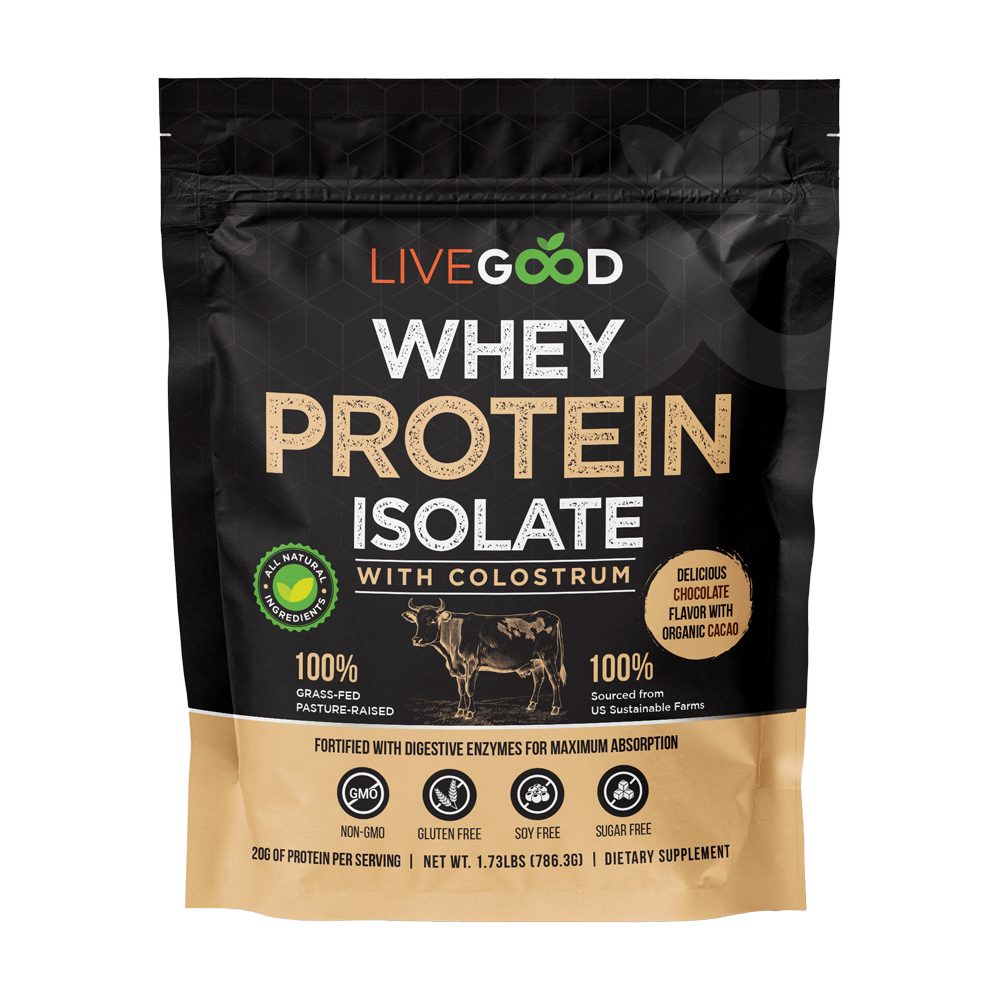
For a convenient way to fill a protein gap, LiveGood Whey Protein Isolate - With Colostrum provides 20 grams of clean, complete protein, including all nine essential amino acids. The chocolate formula uses organic cacao and whey from 100% grass-fed, pasture-raised cows sourced from sustainable US farms. It also includes colostrum and digestive enzymes to support absorption, gut health, and immune function. It costs $39.95 for members, compared with $49.95 retail, helping make consistent wellness more accessible.
Frequently Asked Questions
Is whey protein isolate bad for you?
Whey protein isolate is generally not bad for healthy adults when used according to the label as part of a balanced diet. Possible downsides include digestive discomfort, acne in some individuals, milk allergy reactions, and exposure to unwanted ingredients in poorly controlled products. People with kidney or liver conditions should get medical guidance before increasing protein intake.
Is it safe to take whey protein every day?
Daily whey protein is usually safe for healthy adults if the amount fits their overall protein and calorie needs. It should supplement meals rather than replace a varied diet. Follow the product directions, consider all other protein sources, and reduce or stop use if you consistently notice digestive, skin, or other unwanted effects.
Does whey protein damage your kidneys?
Whey protein has not been shown to damage normally functioning kidneys at typical intake levels. Eating more protein can increase kidney filtration, but that response is not the same as kidney injury. If you have kidney disease, abnormal kidney tests, diabetes-related kidney problems, or a history of certain kidney stones, ask your doctor for an individualized protein target.
Can whey protein cause acne?
Whey protein may contribute to acne in some people, but the evidence is limited and does not prove that everyone will break out. If acne appears or worsens soon after starting whey, pause the product and watch for a change. Persistent or severe acne deserves advice from a dermatologist or other qualified clinician.
How much whey protein is too much?
Too much whey is any amount that pushes your total protein beyond your needs, causes side effects, or replaces too many whole foods. There is no universal cutoff for every healthy adult. Follow the label, count protein from meals and other supplements, and consult a doctor or dietitian before using unusually large amounts or multiple daily shakes.