
Is Whey Protein Safe for Your Kidneys?
 Written by Ben Glinsky
Ask AI about this article and Whey Protein Isolate - With Colostrum






For most people with healthy kidneys, whey protein has not been shown to cause kidney damage. The answer changes if you have kidney disease, reduced kidney function, or a medical reason to limit protein. Here is what the research shows, why lab results can be confusing, and when to get personalized advice.
Key Takeaways
- Healthy kidneys handle more protein: Research has not shown that higher protein intake causes kidney damage in people with normal kidney function.
- More filtration is not automatically damage: Kidneys may temporarily filter more blood after protein intake, which can be a normal response.
- Kidney disease changes the calculation: People with chronic kidney disease may need a medically supervised protein target.
- Lab markers need context: High protein intake, creatine, muscle mass, exercise, and hydration can affect creatinine or related measurements.
- Total intake matters most: Count protein from shakes, meals, snacks, and supplements rather than judging whey in isolation.
Where the Concern Came From
Your kidneys filter the blood, regulate fluid and minerals, and remove waste through urine. When your body uses protein, it produces nitrogen-containing waste, including urea. Healthy kidneys filter this waste continuously.
Eating more protein can increase renal blood flow and glomerular filtration rate, or GFR. GFR describes how much blood the kidneys filter over time. This rise is sometimes called hyperfiltration. Because unusually high filtration can appear in certain kidney conditions, people began to assume that any protein-related increase must be harmful.
That conclusion skips an important distinction. A change in kidney workload is not the same thing as kidney injury. Your kidneys routinely adjust to meals, hydration, pregnancy, exercise, and other normal demands. Research must look for lasting loss of function, protein leaking into urine, or structural damage, not simply a short-term change in filtration.
Some concern also comes from studies involving people who already had kidney disease. In that group, reducing protein may sometimes help manage waste buildup or reduce strain on limited kidney function. Those findings cannot automatically be applied to healthy adults.
Whey is concentrated food protein made from milk. Whey protein isolate generally contains more protein and less lactose and fat than whey concentrate. There is no good evidence that whey has a unique kidney-damaging effect in healthy people. The more relevant questions are your kidney status, total protein intake, medications, and overall health.

Healthy kidneys adjust their filtration in response to the protein and fluids you consume.
What the Research in Healthy Kidneys Shows
Research in adults with healthy kidneys is fairly reassuring. Controlled trials and reviews have examined higher-protein diets in active adults, people pursuing body-composition goals, and other generally healthy groups. These studies have not shown that protein intake within commonly studied ranges causes chronic kidney damage.
Some trials find a modest increase in GFR or blood urea nitrogen when protein intake rises. Blood urea nitrogen, often shortened to BUN, measures a waste product created during protein metabolism. A higher result can reflect greater protein intake, dehydration, or reduced kidney clearance. By itself, it does not prove injury.
Studies in resistance-trained adults are especially useful because these participants may consume protein well above the minimum recommendation. Results have generally not shown harmful changes in standard kidney markers over the study period. Research comparing higher and lower protein diets also has not established that higher intake causes kidney function to decline in otherwise healthy adults.
There are still limits. Most trials last weeks, months, or a few years, not an entire lifetime. Extremely high intakes are less studied, and study participants do not represent every age, medication, or health condition. Saying that higher protein has not been shown to damage healthy kidneys does not mean there is no upper boundary or that more protein is always helpful.
For practical use, whey should supplement your diet rather than replace varied meals. Consider how much protein you already get from dairy, eggs, meat, fish, soy, beans, and other foods. A second shake may add little benefit if your daily needs are already covered.

Research has not shown that commonly studied higher-protein diets damage healthy kidneys.
Why Existing Kidney Disease Is Different
Chronic kidney disease means the kidneys have lasting damage or reduced filtering ability. When kidney function is limited, the body may have more difficulty clearing urea and managing fluid, potassium, phosphorus, sodium, and other substances. A concentrated protein supplement can affect that carefully managed balance.
Protein recommendations for kidney disease are not one-size-fits-all. They may depend on the stage of disease, urine protein levels, nutritional status, diabetes, medications, and whether someone receives dialysis. People who are not on dialysis may sometimes be advised to limit protein. People receiving dialysis may have higher protein needs because treatment can remove amino acids and because maintaining nutrition becomes a major concern.
That is why generic online advice about the "best protein for kidney disease" can be unsafe. A powder that works for one person may provide too much protein, phosphorus, potassium, sodium, or another ingredient for someone else. Even products with short ingredient lists need to fit the individual's treatment plan.
If you have diagnosed kidney disease, a low estimated GFR, protein or albumin in your urine, or only one functioning kidney, do not set your own protein target. Ask your doctor or a renal dietitian before using whey, plant protein, creatine, colostrum, or other supplements. They can assess your full diet and current laboratory results.
Kidney disease can be present without obvious symptoms. Feeling well does not confirm that your kidneys are normal. If you have major risk factors or abnormal past results, checking first is more useful than assuming a protein powder is harmless or harmful.

Kidney disease requires an individualized protein plan developed with a doctor or renal dietitian.
Markers That Confuse the Picture
Serum creatinine is one of the most common kidney blood tests. Creatinine is a waste product related to normal muscle metabolism. The kidneys remove it, so a rising level can signal reduced kidney filtration. However, creatinine is influenced by more than kidney health.
People with more muscle often have higher baseline creatinine. Hard exercise, dehydration, a large serving of cooked meat, high protein intake, and creatine supplements may also raise the result. Creatine and creatinine are different substances. Creatine is stored in muscle and is sold as a sports supplement. Some creatine naturally converts to creatinine, which can make a creatinine-based kidney estimate look worse without proving kidney damage.
Clinicians often use serum creatinine to calculate estimated GFR, or eGFR. Because that calculation depends partly on creatinine, anything that changes creatinine can influence the estimate. Another marker called cystatin C is less affected by muscle mass, but it has its own limitations. A doctor may compare markers, repeat testing, review trends, or order urine tests rather than relying on one number.
Urine albumin is also useful. Albumin is a blood protein that normally stays in the bloodstream. Persistent albumin in urine can indicate damage to the kidney's filtering units. BUN may rise when you eat more protein, but it can also rise with dehydration or impaired clearance.
Do not use these nuances to dismiss an abnormal result. A protein shake or creatine supplement may help explain a change, but only a clinician can decide whether that explanation fits. Tell the person ordering your tests about supplements, recent exercise, diet changes, and hydration.
Creatinine, eGFR, BUN, and urine albumin provide different pieces of the kidney health picture.
When to Talk to a Doctor
Talk to your doctor before using whey protein if you have kidney disease, reduced kidney function, a history of significant kidney problems, or abnormal kidney blood or urine tests. A renal dietitian can help translate a medical protein target into meals and snacks without leaving you undernourished.
You should also ask for guidance if you have diabetes, high blood pressure, heart disease, recurrent kidney stones, a single kidney, or a strong family history of kidney disease. These factors do not automatically mean whey is unsafe. They do mean your kidney health and total diet deserve a closer look.
Seek medical care for concerning symptoms such as new swelling, much less urine than usual, blood in the urine, persistent nausea, shortness of breath, or severe pain in your side or back. These symptoms have many possible causes and should not be diagnosed from a supplement article.
Medication and life stage matter too. Talk to your doctor if you take prescription medications, have liver or another existing medical condition, or are pregnant or breastfeeding. Whey comes from milk, so avoid it if you have a milk-protein allergy. Whey isolate contains less lactose than concentrate, but sensitive people may still experience digestive symptoms.
If you are generally healthy, review your total daily protein before adding a shake. The adult Recommended Dietary Allowance is 0.8 grams per kilogram of body weight per day. This is a baseline intended to meet most healthy adults' needs, not a universal ceiling. Active adults and older adults may need more. Research commonly evaluates about 1.2 to 2.0 grams per kilogram for active people, but your ideal amount depends on your body, training, diet, and health.
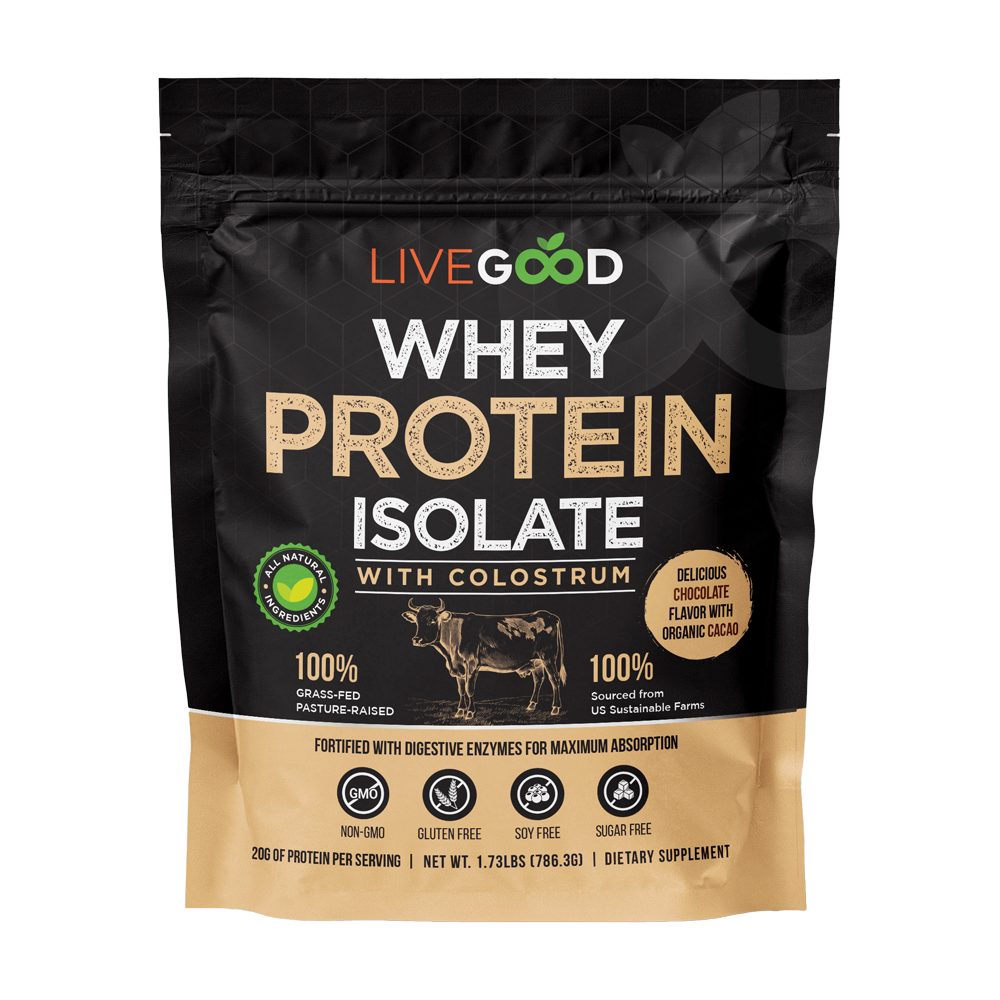
If whey fits your needs and you have no medical reason to limit protein, Whey Protein Isolate - With Colostrum provides 20 grams of clean protein with all nine essential amino acids. Made with organic cacao, it includes digestive enzymes to support absorption and colostrum to support gut and immune health. The whey is 100% grass-fed, pasture-raised, and sourced from sustainable US farms. It is $39.95 for members versus $49.95 retail, helping make wellness more accessible.
Frequently Asked Questions
Is whey protein bad for your kidneys?
Whey protein has not been shown to damage healthy kidneys when used as part of a reasonable overall protein intake. It can increase protein-related waste and temporarily change certain lab markers, but those effects are not the same as kidney injury. If you have kidney disease, abnormal kidney tests, or a medical protein restriction, ask your doctor or renal dietitian before using it.
Does high protein damage healthy kidneys?
Current evidence does not show that high protein intake damages normal kidneys within the ranges commonly studied. Healthy kidneys may increase filtration in response to more protein, but research has not established that this normal adaptation causes chronic disease. Evidence is more limited for extreme intakes maintained over many years, so there is little reason to consume far more protein than your body can use.
Can you take protein powder with kidney disease?
You may be able to use protein powder with kidney disease, but only if your doctor or renal dietitian says it fits your treatment plan. Protein needs vary by disease stage, nutritional status, laboratory results, and dialysis use. Powders may also contain phosphorus, potassium, sodium, or added ingredients that need review. Do not choose a product or protein target without individualized medical guidance.
Does protein raise creatinine levels?
High protein intake can raise serum creatinine in some circumstances, but an increase does not automatically prove kidney damage. Muscle mass, cooked meat, intense exercise, dehydration, and creatine supplements can also affect the result. Because creatinine is used to estimate kidney filtration, tell your clinician about diet and supplement changes. Abnormal or rising values still require proper medical evaluation rather than self-interpretation.
How much protein is too much?
There is no single protein limit that applies to everyone. The baseline recommendation for healthy adults is 0.8 grams per kilogram of body weight daily, while active adults are often studied at about 1.2 to 2.0 grams per kilogram. Needs vary with age, activity, goals, and health. Count all food and supplements, follow product directions, and ask a clinician before increasing intake if you have medical concerns.