
Lavender Essential Oil and Stress: What Research Shows
 Written by Nauder Khazan
Ask AI about this article and Essential Oils (Therapeutic Grade)





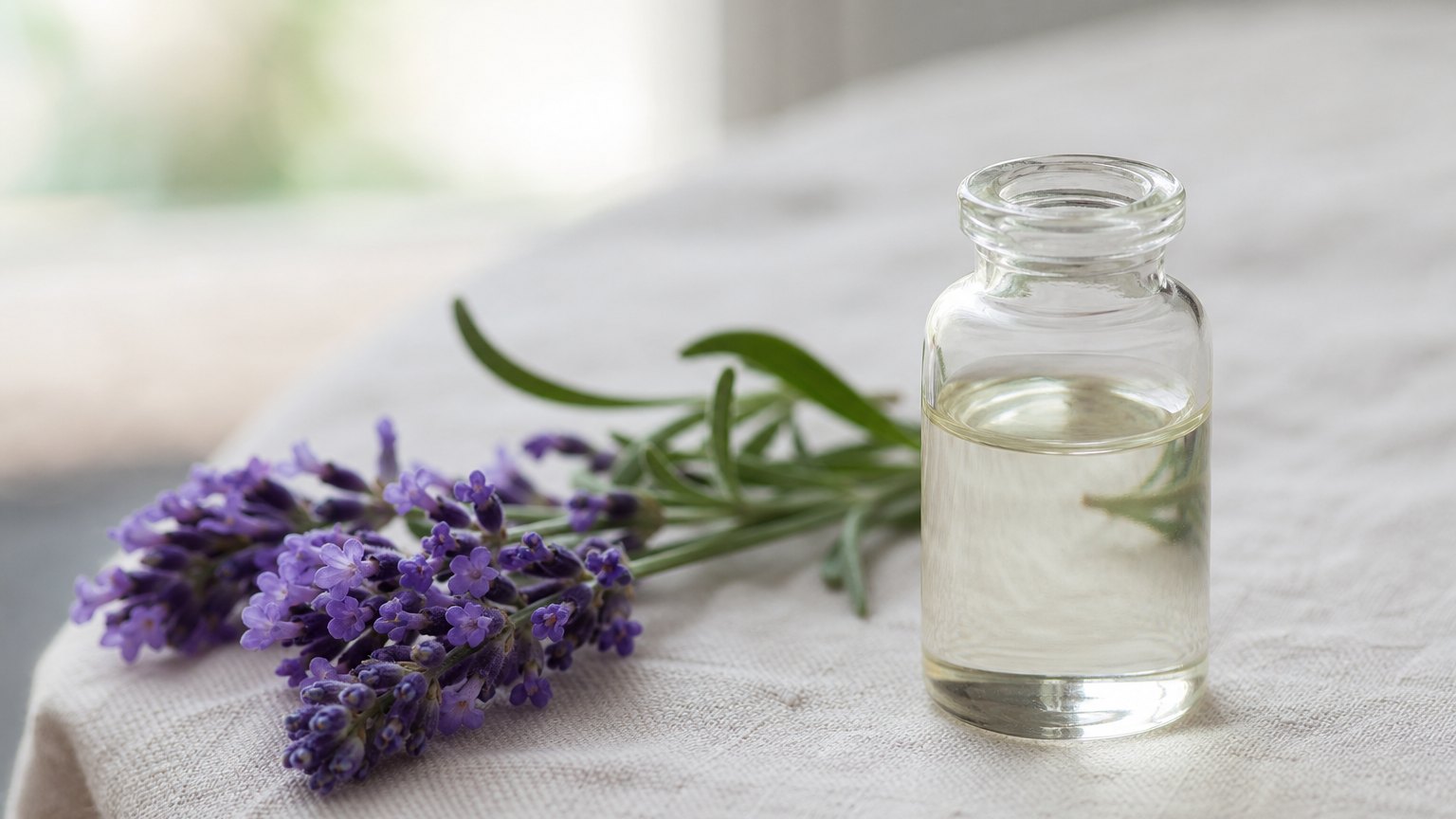
Lavender oil may help you feel calmer during short-term, stressful situations, but the evidence is mixed and the effects are usually modest. Research on inhaled lavender is different from research on standardized oral lavender preparations. Here is what each type of study can tell you, plus how to use essential oil safely.
Key Takeaways
- Short-term results are promising: Inhaled lavender has reduced self-reported stress or nervousness in some dental, surgical, and other clinical settings.
- Study methods vary widely: Diffuser time, oil concentration, setting, and outcome measures differ, so there is no proven universal routine.
- Form makes a major difference: Silexan is a standardized oral preparation studied as a medicine, not ordinary diffuser oil.
- Dilution protects your skin: Undiluted essential oil can cause irritation or sensitization, even if you have used it before without trouble.
- Professional care still matters: Lavender cannot replace mental health treatment, medication, sleep care, or help for ongoing anxiety.
What Lavender Aromatherapy Research Has Measured
Lavender is one of the more frequently studied essential oils. Most aromatherapy trials, however, have not tested everyday stress over months. They have measured how people feel before or during a specific event, such as dental treatment, surgery, labor, or a medical procedure.
Researchers commonly use a state anxiety questionnaire. In this context, "state" means how tense, worried, or calm someone feels at that moment. Some studies also record heart rate, blood pressure, breathing, pain, or sleep. These physical measures do not always change alongside a person's rating of stress.
For example, an older study of dental patients found that lavender or orange scent was associated with lower anxiety and a more positive mood while people waited for treatment. Other trials have reported small improvements before procedures. Results are not consistent across every study or every outcome.
The limitations matter. Many trials are small. Participants can usually smell whether they received lavender, which makes true blinding difficult. A pleasant room, slower breathing, staff attention, and expectations may also influence the result. A broad review of lavender research describes encouraging findings, but also substantial differences in products, methods, and study quality.
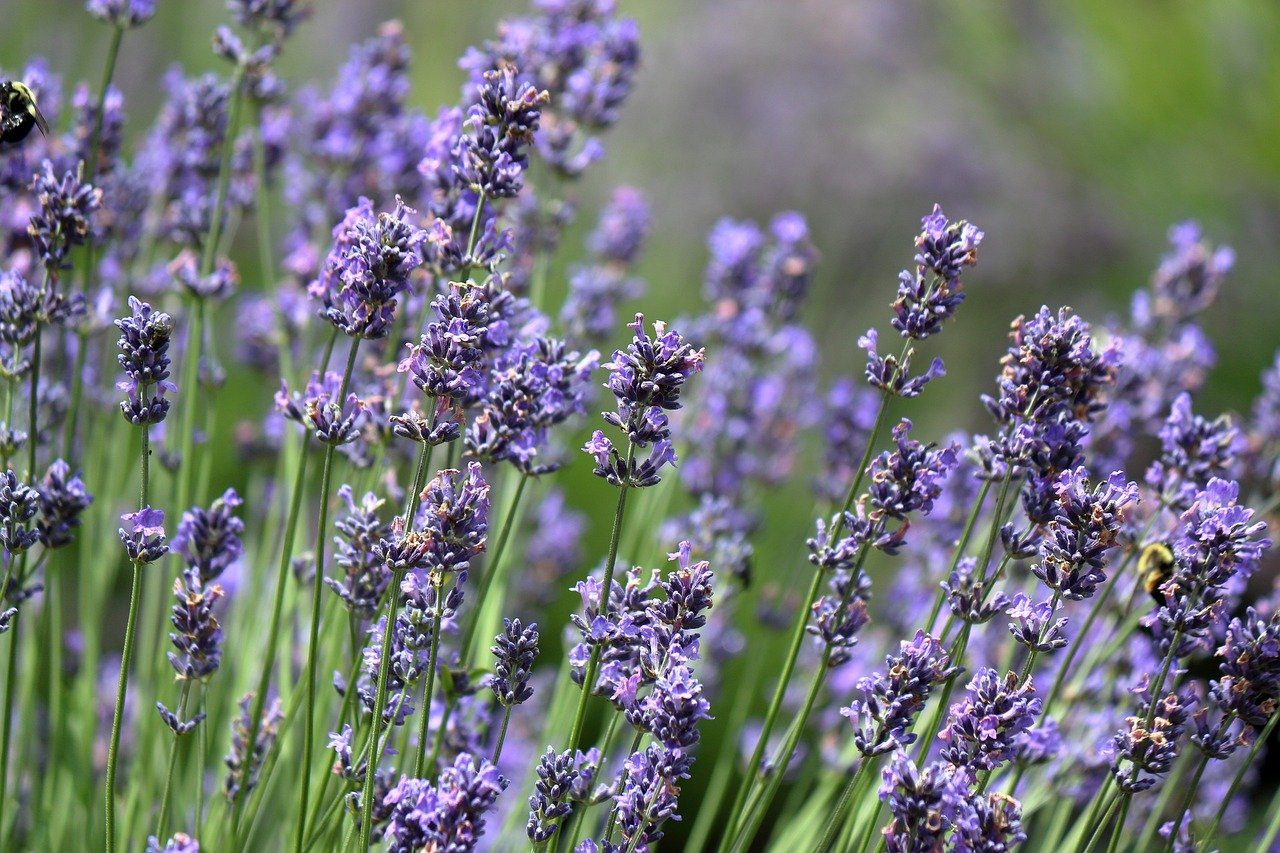
Lavender aromatherapy studies often measure how people feel during a specific stressful event rather than across everyday life.
The fair conclusion is that lavender aromatherapy may support short-term relaxation for some people. Research has not established one concentration, diffuser schedule, or application method that works for everyone.
Situational Stress vs Ongoing Anxiety
Situational stress has an identifiable trigger. You may feel tense before a dental appointment, an exam, a flight, a difficult conversation, or a medical procedure. This is where inhaled lavender research is most relevant. The scent is introduced shortly before or during the stressful event, and the person reports how they feel within minutes or hours.
Ongoing anxiety is different. It may continue across settings, feel difficult to control, disturb sleep, or interfere with work and relationships. A brief aromatherapy session cannot be assumed to address that pattern. Even a positive trial in a waiting room does not show that casual diffusion changes a persistent mental health condition.
This distinction helps you set realistic expectations. Lavender can be one part of a calming ritual. You might pair it with quiet breathing, softer lighting, stretching, or a few minutes away from screens. Those cues can make a stressful moment feel more manageable. You may also simply enjoy the scent, which is a valid reason to use it.
Lavender scent may complement simple calming habits, but ongoing anxiety deserves professional attention.
If anxious feelings are frequent, worsening, or limiting your daily life, talk with a doctor or licensed mental health professional. Ongoing anxiety needs professional care, not just an essential oil. Seek urgent help if you feel unsafe or think you might harm yourself.
Aromatherapy works best as an optional comfort practice. It is not a test of willpower, and a lack of response does not mean you are using it incorrectly. People differ in scent preference, sensitivity, past associations, and stress response.
Inhaled vs Oral Preparations
The word "lavender" can hide a critical difference between products. In aromatherapy studies, participants smell volatile compounds released from essential oil. Researchers may use a diffuser, a scented pad, a cotton ball, or oil placed near the participant. The concentration and exposure time vary considerably.
Casual home diffusion is even less standardized. Room size, airflow, diffuser design, oil chemistry, and the number of people in the space all change exposure. That does not make home aromatherapy useless, but it means you cannot assume your diffuser recreates a clinical trial.
Silexan belongs in a separate category. It is a standardized oral lavender oil preparation that has been formally studied as a medicine in adults with anxiety symptoms and diagnosed anxiety disorders. Some controlled studies reported greater symptom improvement than placebo. A review of oral lavender oil research discusses these trials, while also noting questions about study methods and how broadly the findings apply.
Silexan is not the lavender essential oil sold for a diffuser. Its composition and manufacturing are controlled for oral research, and its regulatory status varies by country. Findings from silexan capsules do not prove that inhaling lavender has the same effect. They also do not make ordinary essential oil safe to swallow.
Do not ingest diffuser or topical essential oils. Concentrated oils can irritate the mouth and digestive tract, cause poisoning, or interact with medication. If you are considering any oral lavender preparation, discuss the exact product with your doctor or pharmacist rather than substituting an aromatherapy oil.
Linalool and the Proposed Mechanism
Lavender essential oil contains aromatic compounds that evaporate easily. Two major ones are linalool and linalyl acetate. Their amounts can vary with the lavender species, growing conditions, harvest, storage, and distillation process.
When you inhale lavender, scent molecules stimulate receptors high inside the nose. Those receptors send signals to brain regions involved in smell, memory, emotion, and alertness. This close connection may help explain why familiar scents can quickly affect how a room or moment feels.
Laboratory and animal research suggests that linalool may influence chemical signaling involved in nervous system activity. Researchers have examined pathways related to GABA, serotonin, and glutamate. GABA is a chemical messenger that generally helps quiet nerve activity. Serotonin and glutamate have broader roles in mood, attention, learning, and nervous system communication.
These proposed pathways should not be presented as settled facts in humans. Smelling lavender in a real setting is not the same as exposing cells to linalool in a laboratory. Researchers have not established that a typical diffuser produces a predictable change in any specific neurotransmitter.
Linalool is one of lavender's main aromatic compounds, although its exact effects in the human brain remain under study.
Context may contribute too. If you associate lavender with bedtime, a spa, or a peaceful place, the scent can become a cue to slow down. Taking deliberate breaths while smelling it may also reduce your sense of urgency. The likely experience combines aroma chemistry, breathing, expectation, memory, and environment rather than one simple switch in the brain.
Safe Use and Dilution
For inhalation, follow the diffuser and essential oil label directions. Use the oil in a ventilated room and begin with limited exposure, especially if you are sensitive to fragrance. Stop if you develop coughing, wheezing, nausea, dizziness, eye irritation, or a headache. People with asthma, migraines, or fragrance sensitivity may find that scented products make symptoms worse.
For skin use, dilute lavender essential oil in a carrier oil, such as jojoba or fractionated coconut oil, according to the product directions. Essential oils do not dilute in plain bath water. Undiluted droplets can remain concentrated against the skin, so use an appropriate bath dispersant or choose a properly formulated bath product.
Try a small patch of diluted oil first. Redness, itching, swelling, or blistering can indicate irritation or allergic sensitization. Sensitization means your immune system has become reactive to an ingredient, sometimes after repeated exposure. Lavender is not considered a major phototoxic oil, so sunlight-triggered skin reactions are less concerning than with certain citrus oils. Irritation and sensitization are still possible.
Keep essential oils away from cats and dogs. Do not apply them to pets, let pets lick treated skin, or run a diffuser in a closed space they cannot leave. Ask a veterinarian before using scented oils around an animal.
Reports have linked repeated topical exposure to lavender and tea tree oils with prepubertal gynecomastia, which is breast tissue growth in boys before puberty. These reports do not prove cause and effect, but they support caution with repeated use on children. Ask a pediatrician before applying either oil to a child.
Lavender essential oil should be diluted before skin contact and stored safely away from children and pets.
Talk to your doctor before use if you are pregnant or breastfeeding, take prescription medication, or have kidney, liver, or another existing medical condition. "Therapeutic grade" is not a legally standardized safety category, so label directions and responsible handling still matter.
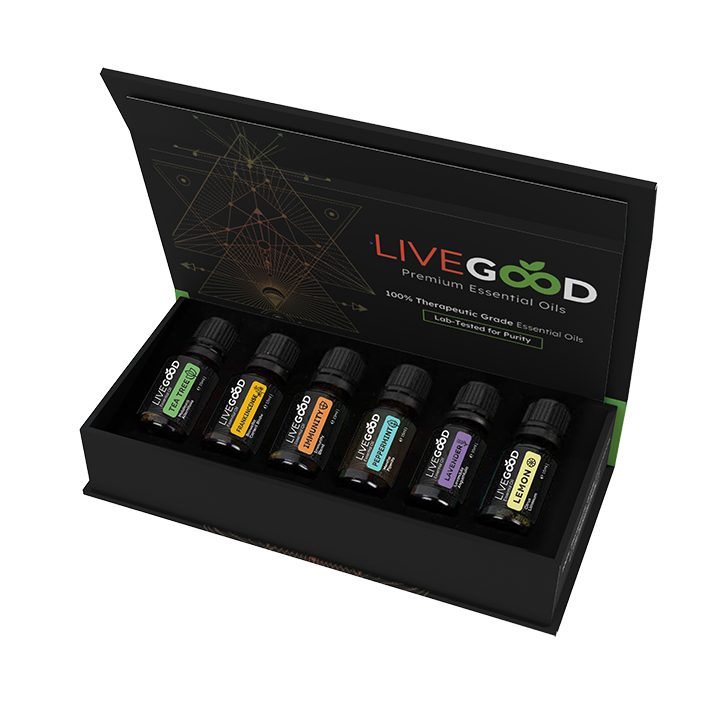
For a simple aromatherapy routine, LiveGood Essential Oils (Therapeutic Grade) offers pure, concentrated, undiluted Lemon, Lavender, Tea Tree, Peppermint, Frankincense, and an Immunity Blend with clove, cinnamon bark, wild orange, eucalyptus, and rosemary. Use Lavender only as directed to support a calm setting. The full set is $29.95 for members versus $69.95 retail, while individual oils are $7.95-$15.95 member. "Highest Quality. Lowest Prices. Every Day."
What It Cannot Replace
Lavender cannot replace professional evaluation or care for anxiety, depression, trauma, panic attacks, or another mental health concern. It should not be used to delay therapy, stop prescribed medication, or avoid discussing persistent symptoms with your doctor. Never change a prescription because an aromatherapy product seems helpful.
It also cannot correct the underlying causes of chronic stress. Financial pressure, unsafe relationships, caregiving strain, pain, illness, overwork, and poor sleep often need practical support. A pleasant scent may make a difficult moment softer, but it does not remove the problem.
For everyday stress, start with the basics that have broader evidence. Protect a regular sleep schedule. Eat consistently. Move your body in ways that fit your ability. Limit late caffeine if it affects your sleep. Make room for supportive relationships, outdoor time, and breaks from constant notifications. Counseling can help you build skills for worry, conflict, grief, or overwhelming responsibilities.
Lavender can fit beside those habits as a sensory cue. Use it because you enjoy it and because it may promote a calmer environment, not because you expect an essential oil to solve ongoing distress. Consistency matters more than chasing an intense or immediate effect.
If lavender makes you feel worse, stop using it. A wellness routine should respond to your needs, not force you to tolerate headaches, breathing symptoms, skin irritation, or an aroma you dislike. Honest, evidence-grounded self-care includes knowing when a product is optional and when qualified care is the better next step.
Frequently Asked Questions
Does lavender oil help with stress?
Lavender oil may help with short-term stress, particularly when inhaled before or during a tense situation. Some clinical trials report lower self-rated nervousness in dental, surgical, or other waiting environments. The research is mixed, and benefits tend to be modest. Lavender is best viewed as an optional relaxation cue, not a treatment for ongoing anxiety.
How does lavender affect the nervous system?
Lavender scent activates smell pathways connected with brain areas involved in emotion, memory, and alertness. Its component linalool may also influence nerve signaling, based mainly on laboratory and animal research. Scientists have not confirmed one exact calming mechanism in humans. Breathing patterns, expectations, personal scent associations, and the surrounding environment may all contribute.
How do you use lavender oil for stress?
Use lavender in a diffuser according to its label, or briefly inhale the aroma from a scented tissue placed nearby. Keep the room ventilated and stop if the scent causes headache, nausea, coughing, or irritation. For skin application, follow label directions and dilute it in a carrier oil. Do not swallow ordinary lavender essential oil.
Is it safe to put lavender oil on skin?
Lavender oil can be used on skin when it is properly diluted, but irritation or allergic sensitization can still occur. Follow the label's dilution directions and patch test a small area first. Stop if redness, itching, swelling, or blistering develops. Ask your doctor before use during pregnancy, breastfeeding, childhood, or when managing an existing medical condition.
Can lavender oil help you sleep?
Lavender aroma may support relaxation at bedtime, and some studies report modest improvements in perceived sleep quality. It has not been proven to treat insomnia or other sleep disorders. Try it as one part of a consistent wind-down routine, with low light and a regular bedtime. Persistent snoring, breathing pauses, or daytime exhaustion should be discussed with a doctor.