
Comparing an Inflammation Formula and a Greens Powder
 Written by Nauder Khazan
Ask AI about this article and Factor4 - Advanced Inflammation Management





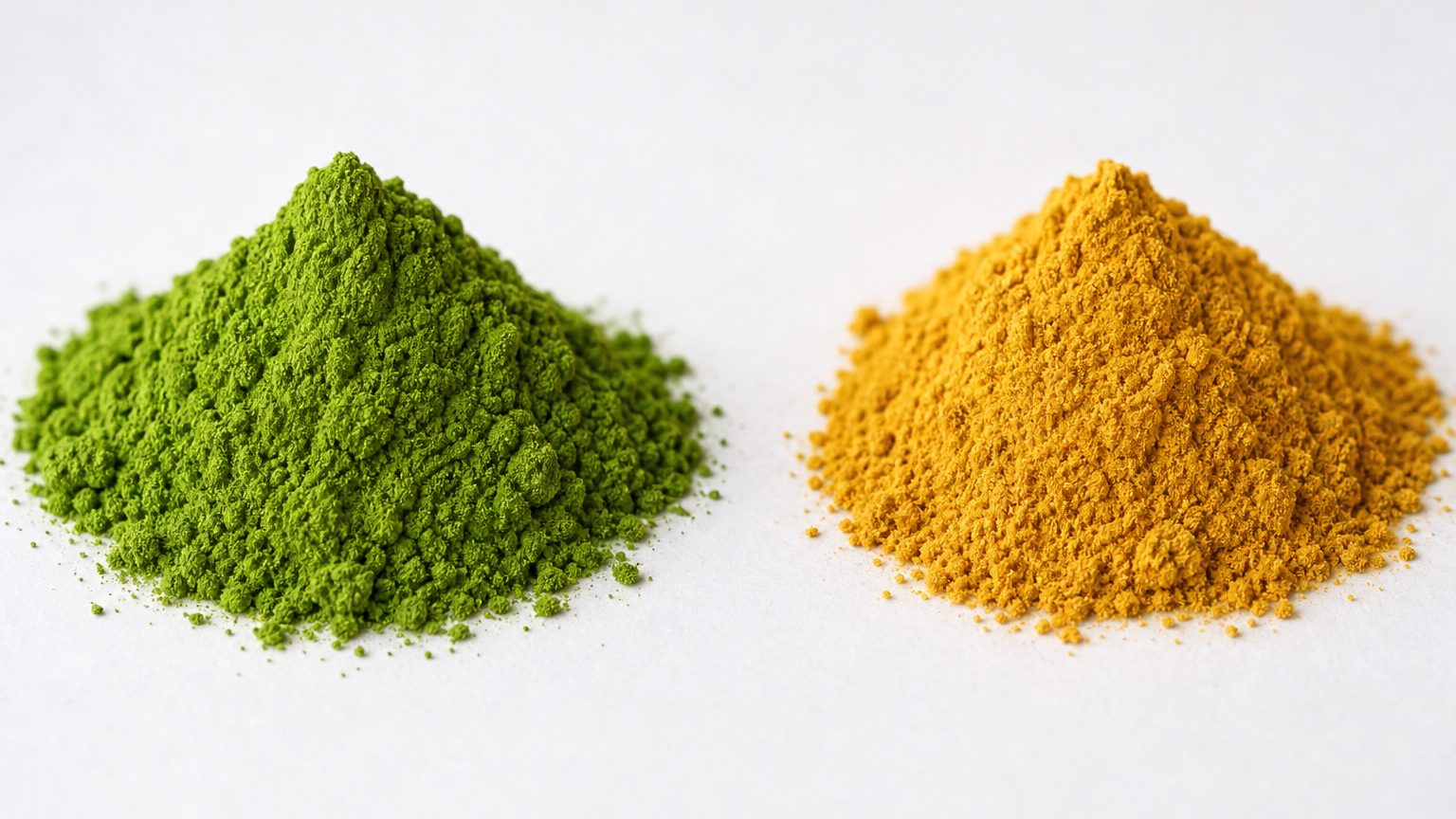
Comparing supplements in different categories starts with one question: what job do you want the supplement to do? An inflammation formula and a greens powder are not direct rivals, so choose the category that fits your goal before comparing labels, evidence, safety, and price.
Key Takeaways
- Compare the job first: A targeted inflammation formula and a greens powder are designed for different purposes.
- Start with your actual gap: Consider your diet, routine, health goals, and doctor's advice before shopping.
- Read current official labels: Formulas can change, so do not rely on old reviews or comparison charts.
- Judge like against like: Compare ingredient amounts, serving directions, safety, evidence, and cost only within the same category.
- Expect support, not a quick fix: Supplements can support a consistent wellness routine, but they do not replace food or medical care.
Different Categories, Not Rivals
Factor4 and Athletic Greens, now commonly marketed as AG1, belong in different supplement categories. Factor4 is a targeted formula intended to support a healthy inflammatory response. A greens powder is a broad daily nutrition product meant to add concentrated plant-based ingredients and other nutrients to a routine.
That distinction matters because a longer ingredient list does not automatically make one product more useful. A screwdriver is not better or worse than a measuring cup. Each is useful when it matches the task. Supplements work the same way.
Start by writing one clear sentence about your goal. For example, you might want targeted omega-3 and botanical support, or you might want a convenient powder that complements days when your food choices are less varied. Those goals lead to different shopping aisles and different label questions.
Avoid comparing products by package size, popularity, or total ingredient count alone. Those details do not tell you whether a formula fits your need. They can also hide meaningful differences in serving form, ingredient amounts, allergens, and directions.
This article does not declare a winner between Factor4 and AG1 because that would be the wrong comparison. If you are considering AG1, check its current official label directly. Formulations, serving information, and cautions can change, and older articles may no longer reflect what is sold today.

Products from different supplement categories should be matched to your goal before their labels are compared.
What an Inflammation Formula Is For
An inflammation formula is a targeted supplement built around ingredients associated with the body's normal inflammatory signaling. Inflammatory signaling is part of the immune system's ordinary response to exercise, daily stress, and other challenges. Supporting a healthy response is different from treating chronic inflammation or a joint condition.
Common ingredients in this category include omega-3 fatty acids from fish oil, turmeric compounds, Coenzyme Q10, and garlic. Researchers study these compounds separately for their effects on inflammatory pathways, antioxidant activity, cardiovascular function, and general wellness. Results vary by compound, dose, study population, and outcome. Research on an individual ingredient does not prove that every combination product produces the same result.
This category may make sense when your priority is focused support rather than broad nutritional coverage. Compare the amount and form of each active ingredient, not just the ingredient names on the front of the bottle. A recognizable ingredient can still be present in an amount that is difficult to evaluate.
Side effects depend on the formula. Fish oil may cause an aftertaste, nausea, or digestive discomfort. Fish ingredients are unsuitable for people with relevant allergies, and the category may not fit a vegan routine. Turmeric, garlic, fish oil, and Coenzyme Q10 may also be relevant to medication decisions.
Talk to your doctor before use if you take prescription medication, especially medicine affecting blood clotting, or if you are pregnant, breastfeeding, preparing for surgery, or managing an existing medical condition. Persistent pain, swelling, or suspected chronic inflammation also belongs in a medical conversation, not a supplement comparison.

Targeted formulas may combine omega-3 fatty acids and botanicals to support a healthy inflammatory response.
What a Greens Powder Is For
A greens powder is mainly a convenience product. It usually aims to place concentrated plant ingredients and selected nutrients into a scoop that can be mixed with water or another drink. People often consider this category when travel, busy mornings, or an inconsistent routine makes dietary variety harder.
That does not make a greens powder equivalent to vegetables. Whole vegetables provide water, natural food structure, and varying types of fiber. They also add volume to meals. A powder may complement a balanced diet, but it should not become a reason to stop buying produce or eating varied foods.
Greens powders can differ greatly from one another. Some focus on powdered plants. Others include added vitamins, minerals, extracts, or additional ingredient categories. Because formulas change, check AG1's current official label rather than relying on an older ingredient list. Look at the serving size, disclosed amounts, allergen statement, storage directions, and warnings.
Potential side effects can include bloating, nausea, changes in bowel habits, or sensitivity to a particular ingredient. More ingredients also create more items to check against your allergies, medications, and existing supplement routine. A complicated label is not necessarily better or worse, but it requires more careful review.
A greens powder may be worth considering if convenience is your main need. If you are trying to correct a diagnosed nutrient deficiency, however, talk to your doctor. A broad powder may not provide the specific nutrient, amount, or monitoring that treatment requires.
A greens powder can add convenience to a balanced routine, but it does not replace whole vegetables.
Deciding Which Category You Need
Begin with your goal, then work backward. Do not begin with two product names and ask which one wins. That approach encourages you to compare marketing claims instead of identifying what your routine actually lacks.
Use this five-step category check:
- Name one priority. Choose something specific, such as convenient plant variety or targeted support for a healthy inflammatory response. Avoid vague goals such as "better health."
- Review your foundation. Consider your meals, sleep, activity, hydration, and current supplements. A new product cannot compensate for every weak point in a routine.
- Identify the category. Broad nutritional convenience points toward a greens powder. Focused omega-3 and botanical support points toward an inflammation-support formula.
- Check restrictions. Note allergies, vegan or vegetarian preferences, prescription medications, pregnancy, breastfeeding, medical conditions, and upcoming procedures.
- Set an evaluation period. Follow the label consistently and track a few relevant observations. Do not add several new supplements at once, since you will not know which one caused a benefit or side effect.
You may decide that neither category addresses your main need. That is a useful result, not a failed shopping trip. You may also find that both categories fit separate goals. In that case, check for overlapping ingredients and ask your doctor or pharmacist to review the combination.
Consistency matters more than collecting products. Choose a routine you can follow, and reassess whether it remains useful. Stop and seek professional guidance if you develop an allergic reaction, persistent digestive symptoms, unusual bleeding, or another concerning effect.
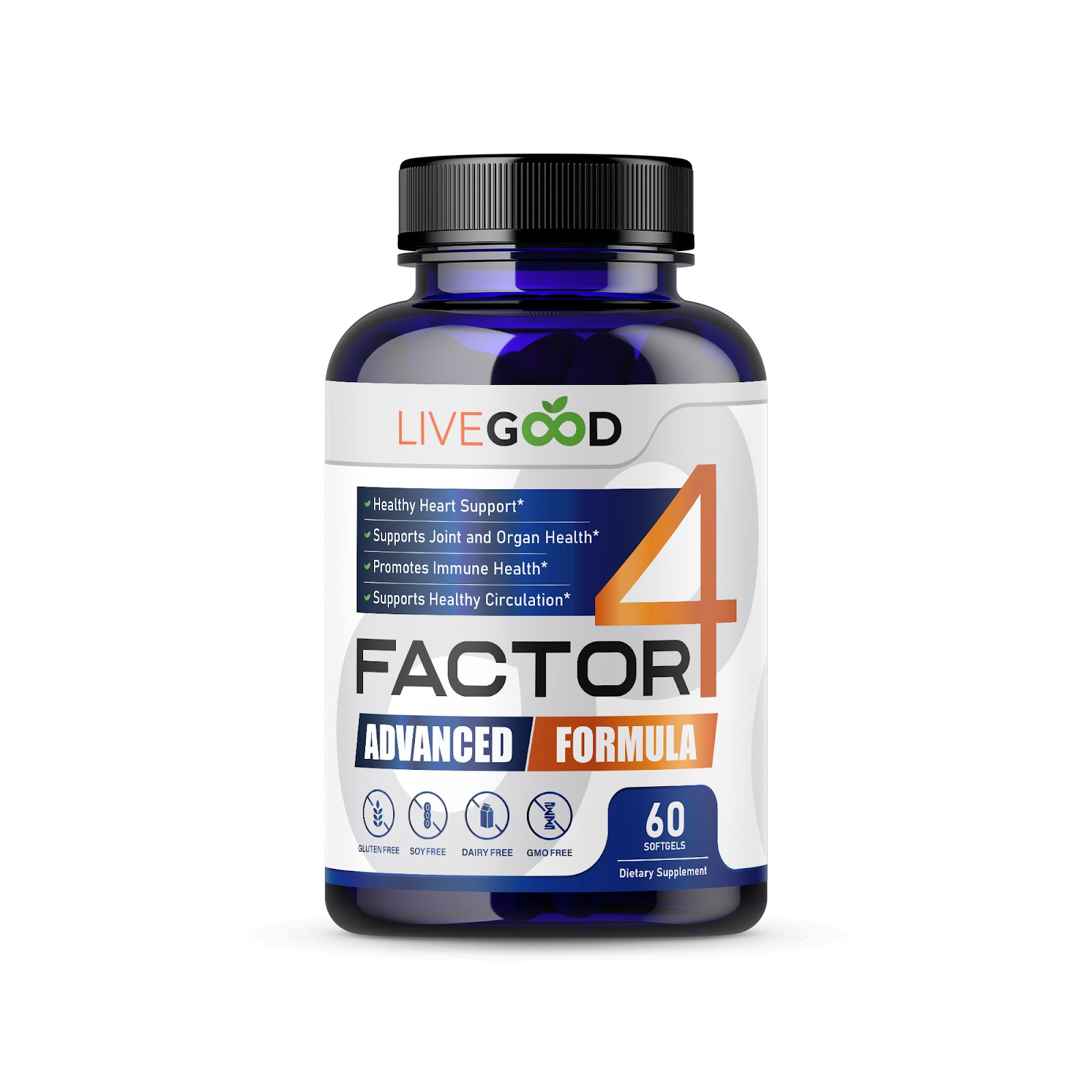
If your checklist points to targeted healthy inflammatory response support, Factor4 - Advanced Inflammation Management is an option to compare within that category. LiveGood's number two seller was formulated by one of the world's top immunologists. LiveGood describes it as the first and only inflammation management supplement combining fish oil, turmeric, Coenzyme Q10, and garlic, four of the world's most powerful anti-inflammatory ingredients, in one bottle. Follow the label and review safety cautions. It is $19.95 for members versus $29.95 retail.
Comparing Fairly Inside a Category
Once you have selected a category, compare products that are meant to perform a similar job. Put two greens powders side by side, or compare two targeted omega-3 and botanical formulas. This makes serving size, ingredient form, evidence, and cost much easier to interpret.
| Check | What to Ask |
|---|---|
| Purpose | Does the formula clearly match your chosen goal? |
| Amounts | Are active ingredient amounts disclosed per serving? |
| Form | Is the ingredient form identified clearly enough to research? |
| Serving | How many capsules or scoops make one full serving? |
| Safety | Are allergens, warnings, and medication concerns clear? |
| Evidence | Does research apply to the ingredient, form, and amount? |
| Cost | What is the cost per full labeled serving? |
Do not assume more ingredients mean more value. A shorter, transparent formula may be easier to evaluate. A broad formula may still suit someone who values convenience, but every ingredient should have a sensible reason for being there.
Price also needs context. Compare the cost per full serving, not simply the bottle price. Account for membership pricing, shipping, serving count, and how often the label directs you to use the product. LiveGood's mission is to "Provide the highest quality supplements in the world, at the lowest prices possible." Its membership model is designed to improve access because wellness should not be a luxury.
Finally, separate ingredient research from product promises. Evidence about fish oil, turmeric, or a plant extract does not automatically establish an outcome for every finished formula. Look for realistic structure/function wording such as "supports" or "helps maintain." Be cautious with any supplement presented as a treatment for pain, arthritis, chronic inflammation, or another disease.
A fair supplement comparison considers purpose, disclosed amounts, safety, serving size, and cost per serving.
Frequently Asked Questions
Should you take a greens powder or an omega-3 formula?
Choose a greens powder for broad nutritional convenience and an omega-3 formula for more targeted fatty-acid support. Your diet, allergies, medications, and goals should guide the choice. Neither category is automatically better. If you have persistent symptoms or a diagnosed deficiency, ask your doctor what type of nutrition support is appropriate instead of self-treating with a general supplement.
Can you take a greens powder and an omega-3 together?
Many adults can use a greens powder and omega-3 formula in the same routine, but the exact labels determine whether the combination fits. Check for overlapping nutrients, allergens, serving directions, and medication interactions. Talk to your doctor before combining them if you take prescriptions, are pregnant or breastfeeding, have kidney or liver conditions, or manage another existing medical condition.
How do you compare supplements in different categories?
Compare different supplement categories by defining the job you need done before examining individual products. Decide whether you want broad nutritional convenience, targeted omega-3 support, or another specific function. Then compare products only within that category using disclosed amounts, ingredient forms, safety warnings, evidence, serving size, and cost per full serving.
Do greens powders contain omega-3?
Some greens powders may include an omega-3 source, but you cannot assume that all do or that the amount matches a targeted formula. Read the current official label for the source, amount, allergens, and serving size. Plant-based omega-3 also differs from the EPA and DHA commonly supplied by fish oil, so the word "omega-3" alone does not establish equivalence.
Which should you start with?
Start with the category that addresses your clearest unmet need and has the simplest safety fit. If convenience and plant variety are your priority, consider a greens powder. If focused omega-3 and botanical support is the goal, consider a targeted formula. Add only one new supplement at a time, follow its label, and discuss medical concerns or prescription interactions with your doctor.