
Comparing a Supplement Bundle With a Greens Powder
 Written by Ben Glinsky
Ask AI about this article and Organic Super Greens






A supplement bundle and a greens powder are different kinds of purchases. Compare them by calculating the real daily cost, deciding whether you would use every product, and checking for overlap with your current routine. This guide walks you through that process without declaring one format the winner.
Key Takeaways
- Compare routines, not boxes: A bundle contains multiple products, while a greens powder is one product that may contain many ingredients.
- Calculate cost per day: Include shipping, membership costs, serving sizes, and how long each item will actually last.
- Count only useful products: An unused item adds no practical value, even when the bundle price looks attractive.
- Check for repeated nutrients: Compare Supplement Facts panels across every supplement you already take.
- Start with your goal: Choose the smallest routine that meets your needs and that you can follow consistently.
A Bundle and a Single Product Are Not Rivals
A supplement bundle groups two or more separate products into one purchase. Each item usually has its own label, serving directions, container, and purpose. A single greens powder is one product, even when its formula contains numerous plant ingredients, vitamins, minerals, or other nutrients.
That distinction matters because the two formats solve different shopping problems. A bundle gives you a pre-built routine. It may appeal to someone who wants several products and prefers to order them together. A single powder gives you one repeatable step. It may suit someone who wants to keep a routine simple or address one specific gap.
This also changes how you should approach comparisons involving Athletic Greens or AG1. Do not compare the number printed on the front of a bundle with the claims made for one powder and assume they are interchangeable. Start by listing what you would actually take each day. Check AG1's current official product page and label directly because formulas, serving information, and purchase terms can change. Apply the same standard to any LiveGood pack by reviewing its current product page rather than relying on an old comparison.
A powder with many listed ingredients is not automatically equivalent to several full-size products. At the same time, a box containing several bottles is not automatically more useful. The meaningful unit is your daily routine, not the package size or number of labels.

A fair comparison starts by separating a multi-product routine from a single daily powder.
Cost Per Day, Not Per Box
The price at checkout tells you what leaves your account today. Cost per day tells you what the routine costs to maintain. That second number is much more useful when one option is a bundle and the other is a single powder.
For one product, use this basic calculation:
Total delivered cost / number of daily servings = cost per day
Include shipping and any required recurring fees. If you join a membership mainly to purchase that product, include a fair share of the membership cost too. If you already use the membership for several purchases, divide that cost across the products or orders that benefit from it.
A bundle takes another step because its items may last for different lengths of time. Calculate each product separately, then add the daily amounts together:
Item cost / usable days = that item's daily cost
For a hypothetical example, imagine a $120 bundle with four products of equal assigned value. Two last 30 days, one lasts 60 days, and one is unlikely to be used. Dividing $120 by 30 would make the routine look like $4 per day, but that shortcut ignores the longer-lasting item and the unused one. A product-by-product calculation gives you a more honest result.
Also check whether the listed serving fits how you plan to use the product. Never reduce or increase a serving only to improve the cost calculation. Follow the label directions.
LiveGood's mission is to "Provide the highest quality supplements in the world, at the lowest prices possible." Its membership model is intended to improve access because wellness should not be a luxury. Even so, every shopper should compare the full delivered cost and expected use, not a headline price alone.
Would You Use Every Item?
A bundle only delivers value when its individual products fit your life. Before buying, write down each item and mark it as needed, optional, duplicated, or unlikely to use. Be strict. "I might try it someday" is not the same as having a place for it in your routine.
Think about the practical details too. Would you remember several capsules and powders at different times? Do you travel often? Are you comfortable mixing a drink every day? Does one item have directions that do not fit your meals or schedule? A routine that looks organized on a product page may feel complicated on a busy Tuesday morning.
You can estimate a bundle's adjusted value with a simple calculation:
Bundle cost / percentage you expect to use
If you realistically expect to use three quarters of a hypothetical $100 bundle, the effective cost of the useful portion is closer to $133. That does not mean the bundle is a bad purchase. It means the unused portion should not be counted as value when you compare it with a single product.
Shelf life matters as well. Check the expiration information when your order arrives, store each product as directed, and avoid buying more than you can reasonably finish. Giving an unwanted supplement to someone else is not always a simple solution because that person's medications, allergies, and health needs may differ.
Consistency is more valuable than an ambitious plan that lasts one week. A single daily powder may be the better fit for one person, while another may genuinely want every part of a multi-product routine.
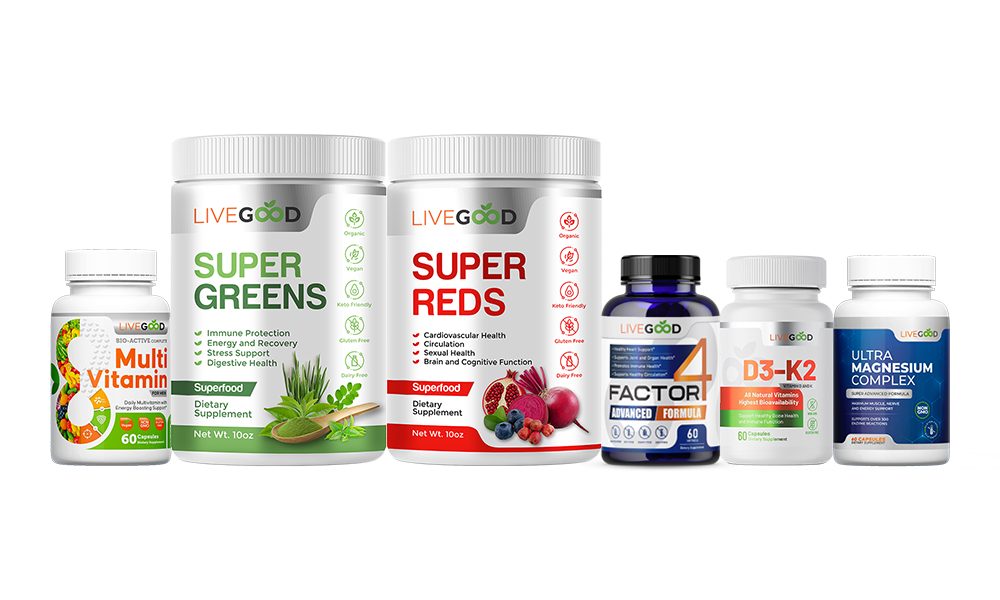
A bundle's practical value depends on how many of its individual products you will consistently use.
Checking for Overlap
Overlap happens when two or more supplements provide the same nutrient or similar ingredients. Some overlap may be intentional, but accidental doubling can make a routine more expensive and may push total intake above what is appropriate for you.
Put every Supplement Facts panel side by side, including labels from products you already own. Create one list of repeated vitamins, minerals, herbs, probiotics, enzymes, and other active ingredients. For vitamins and minerals, note the amount per serving and the percent Daily Value. Daily Value is the reference amount used on nutrition and supplement labels to help you understand how much a serving contributes to a typical daily diet.
Do not stop at the front label. Words such as "greens," "daily," or "wellness" do not tell you whether formulas overlap. Review the complete label, serving size, and directions. When assessing Athletic Greens or AG1, use its current official label rather than an older article, advertisement, or social media post. Do the same for every bundle component.
Pay special attention when a bundle includes products that occupy the same role as something you already take. For example, adding a new daily product may duplicate nutrients from an existing multivitamin. The correct response is not automatically to stop one or combine both. It is to total the listed amounts and ask whether each product has a clear purpose.
Talk to your doctor before combining supplements if you take prescription medication, are pregnant or breastfeeding, have a kidney or liver condition, or live with another medical condition. A pharmacist can also help identify potential medication interactions. Labels support comparison, but they cannot account for your full medical history.
Deciding What You Actually Need
Start with the outcome you want from the routine, not the size of the offer. Your goal might be adding one convenient serving of greens, covering a nutrient gap identified with a health professional, or organizing several products you already planned to buy. A clear goal prevents extra products from looking useful simply because they are bundled.
Use this five-step decision process:
- Write down every supplement and fortified food you currently use. Fortified means vitamins or minerals were added during production.
- Define the job of the new purchase in one sentence. If you cannot explain what it adds, pause before buying.
- Copy the serving count, directions, and current delivered price from each official product page.
- Calculate the daily cost of every bundle item and the single powder.
- Remove unused or duplicated products from your value calculation, then choose the routine you can maintain.
You can also run a 30-day reality check before committing to a more involved routine. Track whether you take the products as directed, whether preparation is convenient, and whether any item causes discomfort. Do not expect supplements to create an immediate or dramatic feeling. Many are intended to support ordinary nutrition, and evidence for broad wellness benefits can be limited or mixed depending on the ingredient and outcome being studied.
If your needs are simple, one product may be enough. If you already want several separate products and have checked their labels, a bundle may make ordering easier. Products can stand alone or work as part of a planned system. The better purchase is the one with a clear role, manageable daily cost, minimal unnecessary overlap, and a routine you will actually follow.
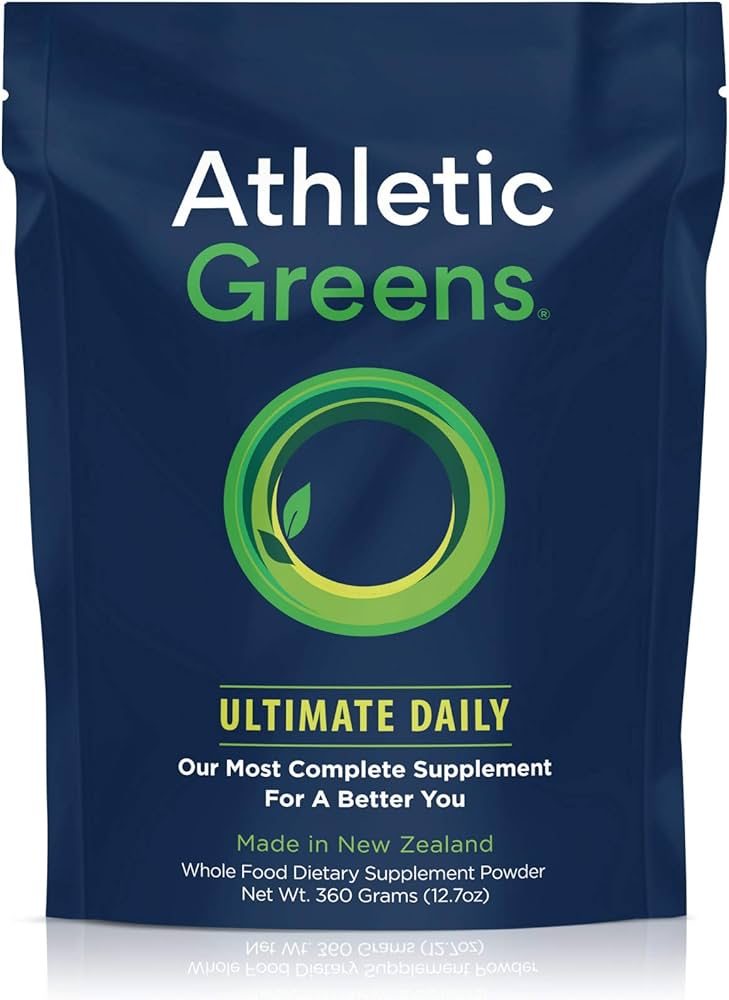
Review serving counts, daily cost, and Supplement Facts panels before choosing a routine.
LiveGood Organic Super Greens is a USDA certified organic greens powder designed to help fill nutrient gaps that everyday diets may leave, serving as "a safety net for your health." Mix one delicious scoop a day into water or a smoothie, following the label directions. It is $19.95 for members and $34.95 retail, which makes the membership price worth including when you compare the daily cost of a simple one-product routine.
Frequently Asked Questions
Is a supplement bundle better value than a single product?
A bundle is better value only when you will use its individual products and they do not create unnecessary overlap. Calculate the daily cost of each component rather than comparing package prices. A single powder may provide stronger practical value when you want one simple step, while a bundle may suit someone who already planned to purchase several complementary products.
How do you work out cost per day?
Divide the total delivered cost by the number of days the product will last when used according to its label. For a bundle, calculate each item's daily cost separately because containers may have different serving counts. Include shipping and any relevant membership expense. Do not count an item you will not use as though it lowers your daily cost.
Do bundles contain things you will not use?
Some bundles may include products that do not match your goals, schedule, or existing routine. Review every item before buying and classify it as needed, optional, duplicated, or unlikely to use. The possibility of an unused item is not proof that a bundle lacks value, but that item should not be included when estimating your personal savings.
Should you start with one product or a bundle?
Starting with one product is often simpler when you are new to supplements or have one clearly defined goal. It lets you assess convenience and tolerance without changing several things at once. A bundle can make sense when you already understand each product, want the complete routine, and have confirmed that the labels do not create unwanted duplication.
How do you avoid doubling up on nutrients?
Compare all Supplement Facts panels and add together repeated vitamins, minerals, herbs, and other active ingredients. Include supplements you already take and fortified foods you use regularly. Check current official labels because formulas can change. Talk to your doctor about the complete routine if you use prescription medication, are pregnant or breastfeeding, have a medical condition, or have kidney or liver concerns.