
How to Compare Two Greens Powders Fairly
 Written by Nauder Khazan
Ask AI about this article and Organic Super Greens





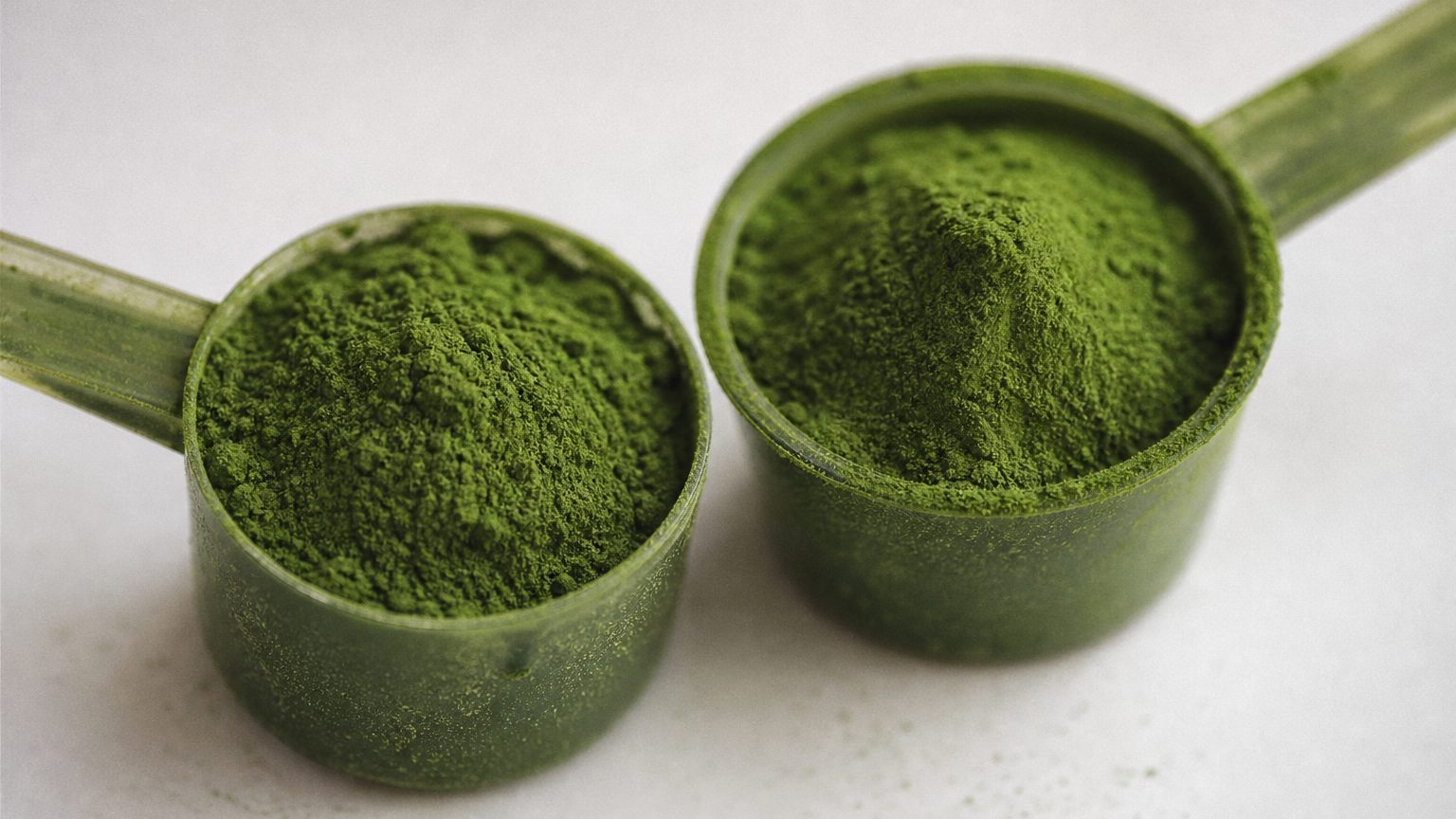
Comparing greens powder brands starts with five checks: total greens dose, disclosed ingredient amounts, sweeteners, testing, and cost per serving. Use current official labels rather than rankings or old reviews, then compare the products line by line using the same method.
Key Takeaways
- Compare the current labels: Formulas, serving sizes, prices, and certifications can change without an old review being updated.
- Find the actual greens dose: A long ingredient list does not tell you how much of each ingredient is present.
- Reward useful disclosure: Individually listed amounts make a formula easier to evaluate than a blend with only one combined weight.
- Check the whole serving: Sweeteners, flavours, added vitamins, and other ingredients can account for part of the scoop.
- Calculate real value: Compare cost per labelled serving, then consider dose, testing, shipping, and membership or subscription terms.
Why Brand Comparisons Expire
A greens powder comparison is only accurate for the labels and prices checked that day. Manufacturers can reformulate products, change scoop sizes, adjust serving counts, replace flavours, update certifications, or change prices. A review from last year may therefore compare versions that are no longer sold.
Start by opening each brand's current official product page. Record the date, serving size, servings per container, ingredient list, Supplement Facts panel, allergen statements, directions, certifications, and price. Screenshots can help if you want to revisit the comparison later. Do not rely only on marketplace listings, social posts, or photos in older articles.
This matters when comparing LiveGood Organic Super Greens with Splendid Greens by Cava. Check Cava's current official description and label directly before deciding what the name refers to or placing it in the same category as a packaged greens powder. Do not assume that similarly named products have the same form, purpose, or serving format. Formulations and menu information can change.
Testing information can expire too. Look for a current statement about testing for ingredient identity, microbes, heavy metals, or other contaminants. Third-party testing means an outside laboratory performed testing, but the phrase alone does not reveal which tests were run, whether every batch was checked, or whether results are available. Ask the brand for current details if testing strongly affects your decision.
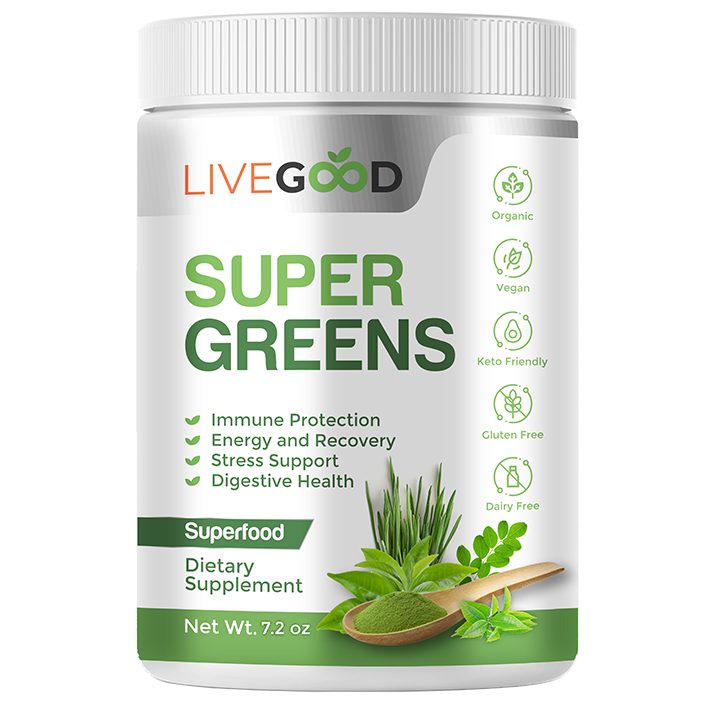
Current official labels provide a fairer comparison than older reviews, rankings, or product photos.
A fair comparison is a dated worksheet, not a permanent winner. Recheck it whenever you reorder or notice a new label.
Total Dose Versus a Sprinkle
A package can show many appealing plants while containing only a small combined amount of them. The number of ingredients is not the same as the dose. Your first job is to find how many grams of greens or green blends are actually provided in one labelled serving.
Begin with the serving size on the Supplement Facts panel. Then identify which ingredients make up that serving. The scoop's total weight may include greens, fruit powders, fibres, flavours, sweeteners, probiotics, enzymes, vitamins, minerals, or flow agents. That means a 10-gram scoop is not automatically 10 grams of greens.
If the label lists individual weights, add the relevant greens together. If it lists a greens blend with one combined amount, use that blend weight, but remember that you still do not know each ingredient's share. If no useful weights are shown, mark the dose as unknown rather than estimating it from the ingredient list.
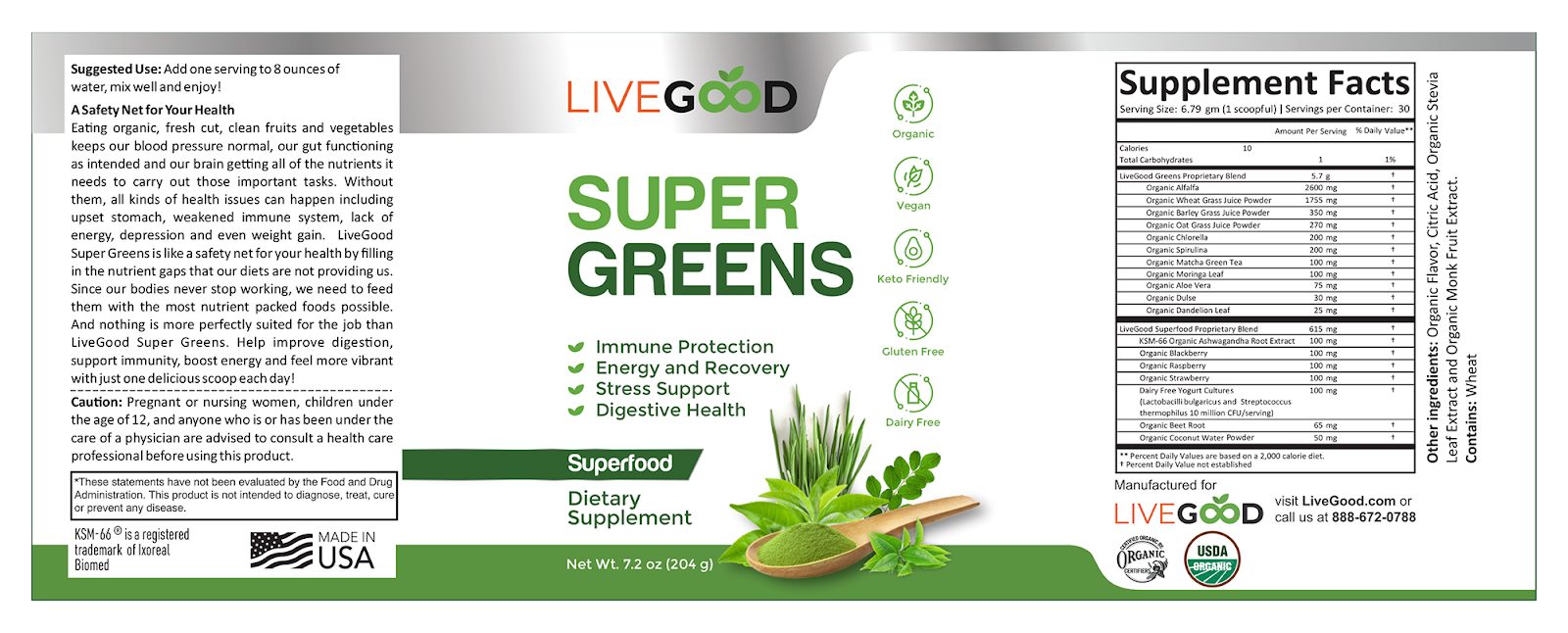
The full scoop weight may include greens, flavours, sweeteners, fibre, and other formula components.
Also separate food-derived ingredients from added vitamins and minerals. A high percentage of Daily Value for a vitamin can be useful information, but it does not prove that the product contains a large greens dose. Daily Value is the reference amount used on nutrition labels, not a measure of how much plant powder is present.
There is no universal gram amount that makes every greens powder effective. Ingredients differ in concentration, processing, and intended use. Instead of chasing one magic number, compare products on disclosed dose, serving format, and how well the formula matches your goal. Greens powders can support a convenient routine, but they should not be treated as replacements for vegetables, fruit, protein, fibre, or balanced meals.
Disclosed Amounts and Blends
Ingredient disclosure tells you how confidently you can compare two formulas. The clearest label lists each meaningful ingredient with its amount per serving. You can then see whether the ingredients highlighted on the front of the package are present in substantial or very small quantities.
A proprietary blend works differently. The label usually gives one total weight for the blend, while listing its ingredients in descending order by weight. You know the first ingredient weighs more than ingredients later in the blend, but you do not know the exact amount of each one. This makes direct comparisons harder, especially when a brand promotes a specific ingredient without stating its dose.
A proprietary blend is not proof of poor quality. Companies may use one to protect a formula. Still, the missing detail limits what you can verify. Treat disclosure as a confidence score rather than a simple pass or fail.
For each product, write down:
- The full serving weight.
- The total stated weight of greens or plant blends.
- Every individually disclosed ingredient amount.
- Ingredients with no stated amount.
- Added vitamins, minerals, probiotics, enzymes, fibres, and flavour systems.
- Current manufacturing, certification, or testing information supplied by the brand.
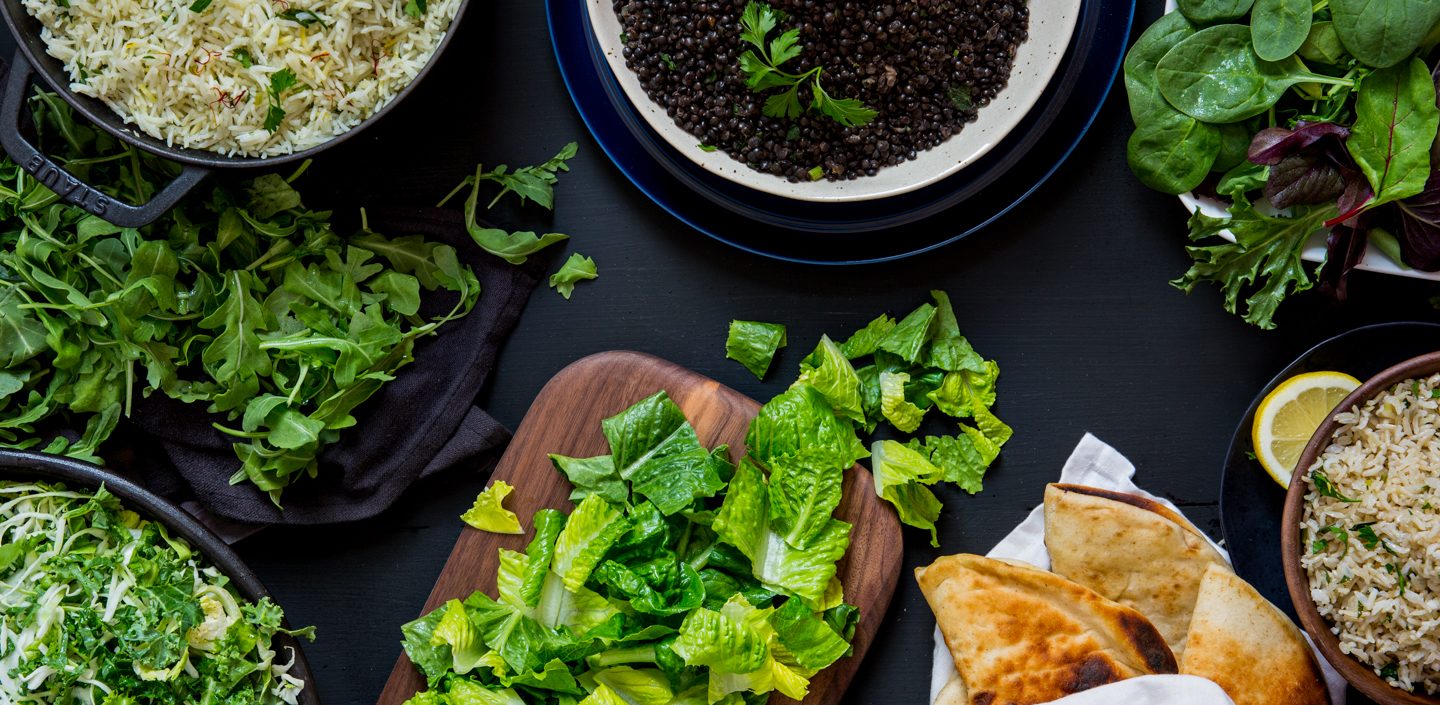
A simple worksheet helps separate disclosed amounts from ingredients whose individual doses remain unknown.
Testing and transparency are related, but they are not interchangeable. A detailed formula can still lack meaningful contaminant testing. A tested formula can still hide individual doses inside a blend. Organic certification also addresses how qualifying agricultural ingredients are produced. It does not establish that a product works for a particular health goal.
Once both worksheets are complete, compare known amounts with known amounts. If one side is unknown, label it unknown. Do not turn missing information into an assumption.
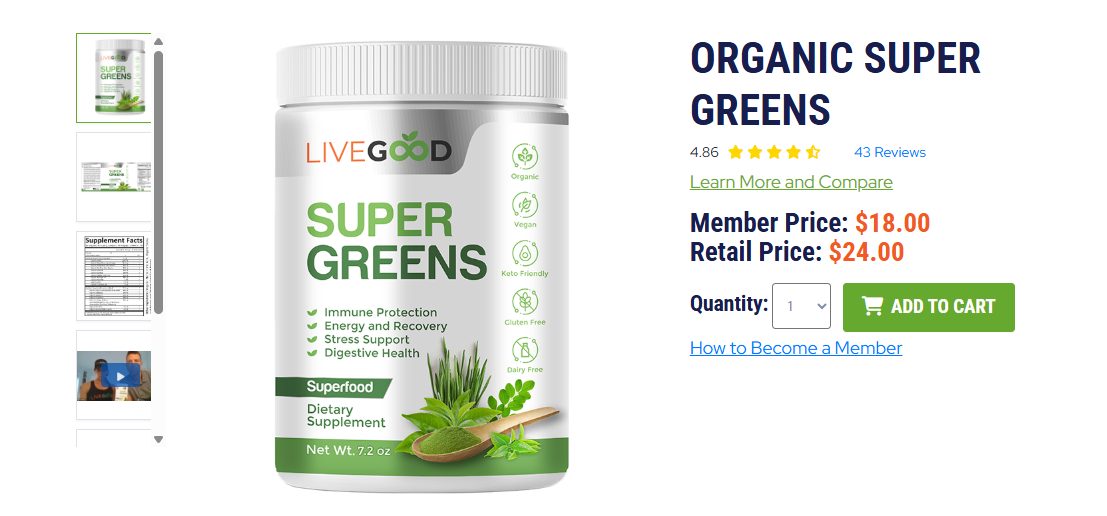
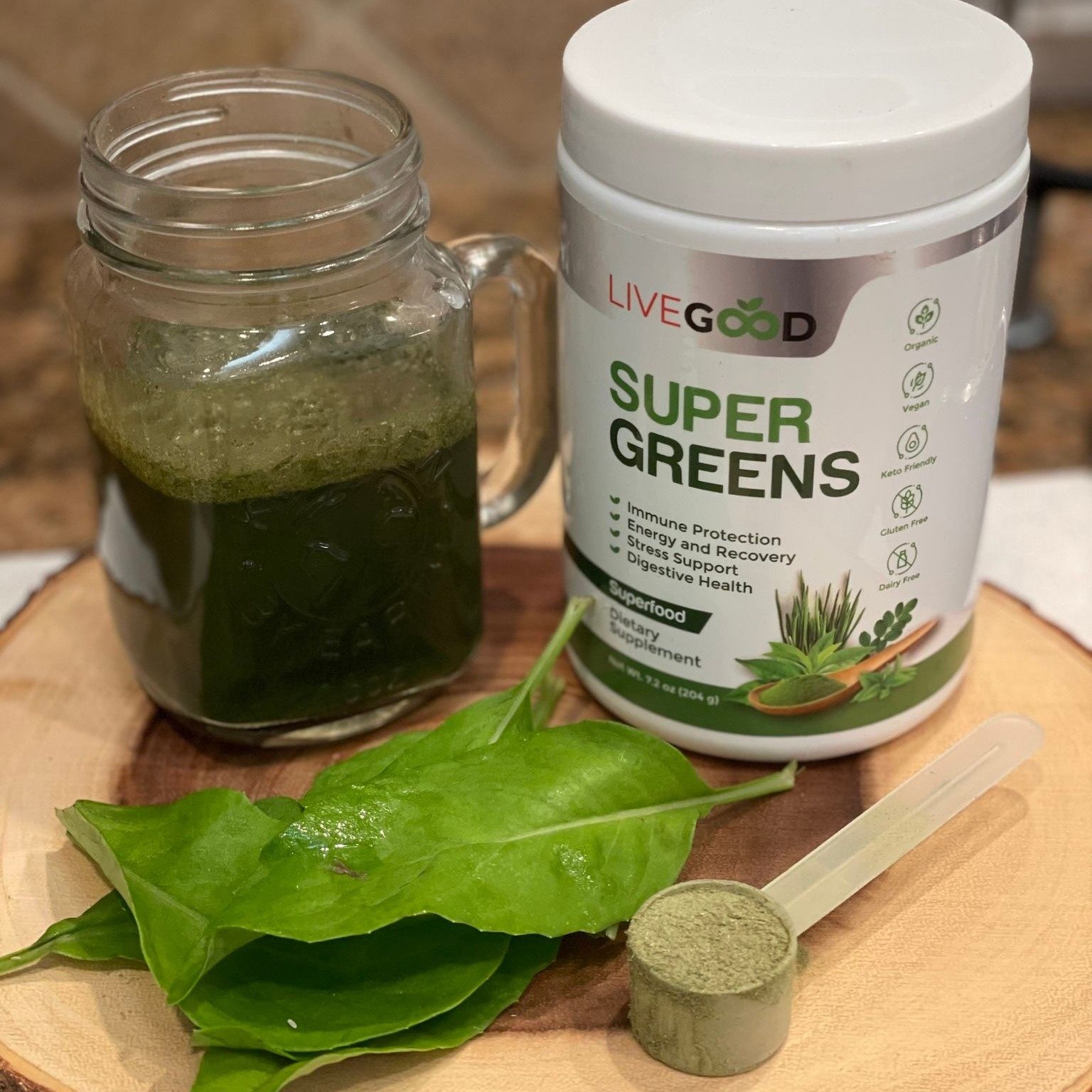
LiveGood Organic Super Greens is a USDA certified organic greens powder designed to help fill nutrient gaps as 'a safety net for your health.' One delicious scoop a day can be mixed with water or a smoothie for a simple routine. It is $19.95 for members and $34.95 retail. Use its current label and serving count in the same worksheet you would apply to any other brand.
Sweeteners and Flavouring
Taste affects whether you will use a greens powder consistently, but it can also make labels harder to compare. Look beyond words such as berry, original, or natural. Read the ingredient list and Nutrition Facts panel to see how the product is actually sweetened and flavoured.
First check added sugar. The Nutrition Facts panel lists grams of added sugar per serving when applicable. Multiply that number by the number of servings you realistically expect to use each week. A small amount may fit your preferences, while another shopper may specifically want an unsweetened formula.
Next look for low-calorie sweeteners. These may include stevia, monk fruit, sucralose, or sugar alcohols. Sugar alcohols are carbohydrates that taste sweet but are handled differently from regular sugar. Some people experience gas or digestive discomfort from certain types or larger amounts. Stevia and monk fruit may leave an aftertaste for some users, but preference varies.
Checking sugar, sweeteners, flavouring, and allergens helps you choose a powder that fits your routine.
Flavour ingredients matter as well. 'Natural flavours' is a broad labelling category, not the name of one specific substance. Its presence does not automatically make a product good or bad, but it means the label may not identify every flavour component. If you have an allergy or sensitivity, contact the manufacturer instead of guessing.
Make flavour a separate score on your worksheet. Consider sweetness, aftertaste, texture, mixability, and whether you prefer water or smoothies. A product you dislike may offer poor practical value even if its paper formula looks strong.
Finally, check warnings and allergen statements. If you take prescription medication, are pregnant or breastfeeding, have kidney or liver conditions, or manage another medical condition, talk to your doctor before using a dietary supplement. Bring the current label so your doctor can review the complete formula.
Cost Per Serving
The container price is rarely the fairest way to compare greens powder brands. One tub may hold 20 servings while another holds 30. Scoop sizes may also differ, so two similarly priced containers can provide very different amounts of powder.
Use this basic calculation:
Cost per serving = total amount paid divided by labelled servings per container.
Use the price you can actually obtain. Include required shipping, membership fees, or subscription conditions. If a discount applies only to the first order, calculate both the introductory cost and the normal reorder cost. Do not use a coupon that is unavailable to you.
Then place cost beside dose. When both labels disclose a greens amount, you can also calculate cost per gram of disclosed greens. Divide the cost per serving by the number of disclosed greens grams. Do not make this calculation when the amount is hidden or when the scoop contains many ingredients that cannot be separated. False precision does not improve the comparison.
Cost per serving becomes more useful when viewed alongside dose, transparency, testing, and serving count.
Price still cannot tell you which powder is better. Testing, certification, ingredient sourcing, disclosure, taste, and convenience may justify different costs for different shoppers. A longer ingredient list is not automatically worth more, and a higher price does not prove a more useful dose.
Membership models can also change the calculation. LiveGood's mission is: Provide the highest quality supplements in the world, at the lowest prices possible. Its model is intended to make wellness more accessible rather than treating it as a luxury. When evaluating any membership, compare your likely annual savings with any fees and consider whether you will order often enough for the arrangement to suit you.
Finish by scoring each powder in the same five categories: dose, disclosure, sweeteners and flavour, testing, and real cost. Keep the scores separate instead of forcing a universal winner. The better choice is the current product that fits your priorities, budget, dietary needs, and daily routine.
Frequently Asked Questions
How do you compare greens powder brands?
Compare greens powder brands using their current official labels, not old rankings or package claims. Record serving size, disclosed greens dose, proprietary blends, sweeteners, testing information, servings per container, and the price you would actually pay. Then calculate cost per serving. Apply the same worksheet to every product so that differences in scoop size or marketing do not distort the result.
What makes one greens powder better than another?
One greens powder may be better for you when it provides a clearly disclosed dose, suitable ingredients, acceptable sweeteners, credible testing information, and a cost you can maintain. Taste and convenience matter because consistency matters. No single formula is automatically best for everyone, and a greens powder should complement a balanced diet rather than replace whole vegetables and fruit.
Are proprietary blends a red flag?
Proprietary blends are not automatically a red flag, but they reduce transparency. You may see the blend's total weight and ingredients in descending order without learning each ingredient's exact amount. That makes dose comparisons difficult. Consider the blend alongside testing, company responsiveness, serving size, and your comfort with uncertainty rather than treating it as automatic proof of low quality.
How much greens powder is a real dose?
There is no universal gram amount that defines a real dose for every greens powder. Check how much of the serving is actually made up of greens rather than flavours, sweeteners, fibres, or added nutrients. Individually disclosed ingredient amounts provide the clearest comparison. Follow the product label instead of increasing the serving to reach an arbitrary target.
Is a more expensive greens powder better?
A more expensive greens powder is not necessarily better. Higher cost may reflect sourcing, certification, testing, packaging, marketing, or a larger serving, but price alone cannot verify quality or dose. Calculate cost per serving and, when possible, cost per gram of disclosed greens. Then weigh those figures against transparency, taste, testing, and how consistently you will use the product.