
Greens Powder Comparison: What Actually Matters
 Written by Ben Glinsky
Ask AI about this article and Organic Super Greens





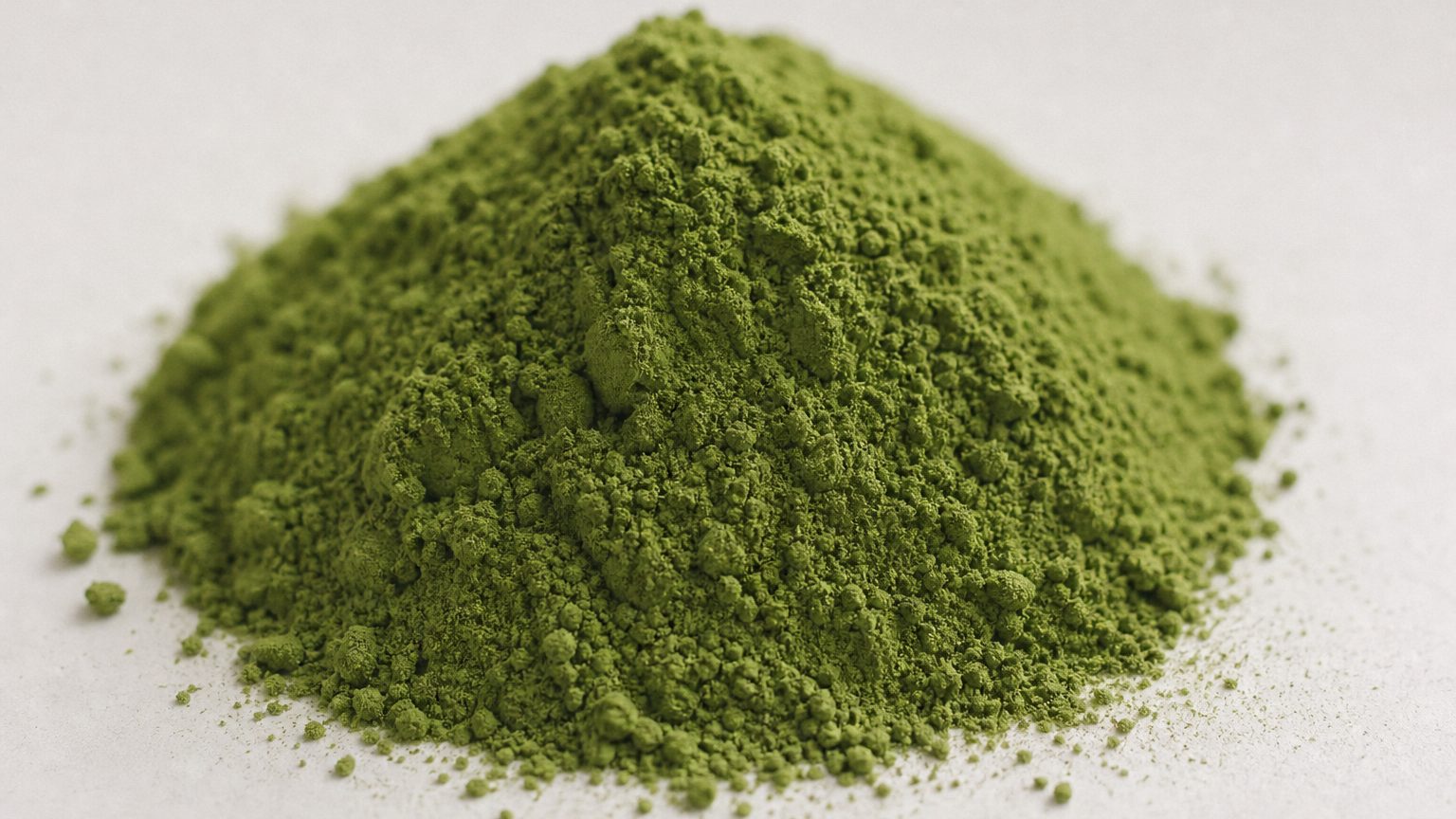
Greens powders often look more different in advertising than they do on the label. To compare them well, focus on disclosed ingredient amounts, meaningful doses, independent testing, and cost per serving. This method helps you make a practical choice even when brands change their formulas.
Key Takeaways
- Start with the label: A long ingredient list tells you little unless you can see how much of each ingredient is included.
- Check the actual dose: An ingredient may sound impressive but still be present in an amount far below what research has examined.
- Look for testing details: Third-party testing can help confirm identity, purity, and compliance with limits for contaminants such as heavy metals.
- Calculate each serving: Tub price is misleading when products contain different serving counts and scoop sizes.
- Recheck before buying: Formulas, prices, certifications, and serving sizes can change, so use each brand's current official label.
Why Two Greens Powders Look So Similar
Most greens powders follow a familiar pattern. They combine dried grasses, leafy vegetables, algae, herbs, fruit or vegetable powders, and flavoring ingredients. Some add isolated vitamins, minerals, digestive enzymes, probiotics, mushrooms, or plant extracts. The front label may emphasize one feature, but the basic structure can still resemble many other products.
That is why ingredient count is a weak comparison tool. A powder with 60 ingredients is not automatically more useful than one with 15. Adding more ingredients can leave less room for meaningful amounts of each one, especially when the total scoop weighs only several grams. A shorter formula may also be easier to evaluate because you can see what is doing most of the work.
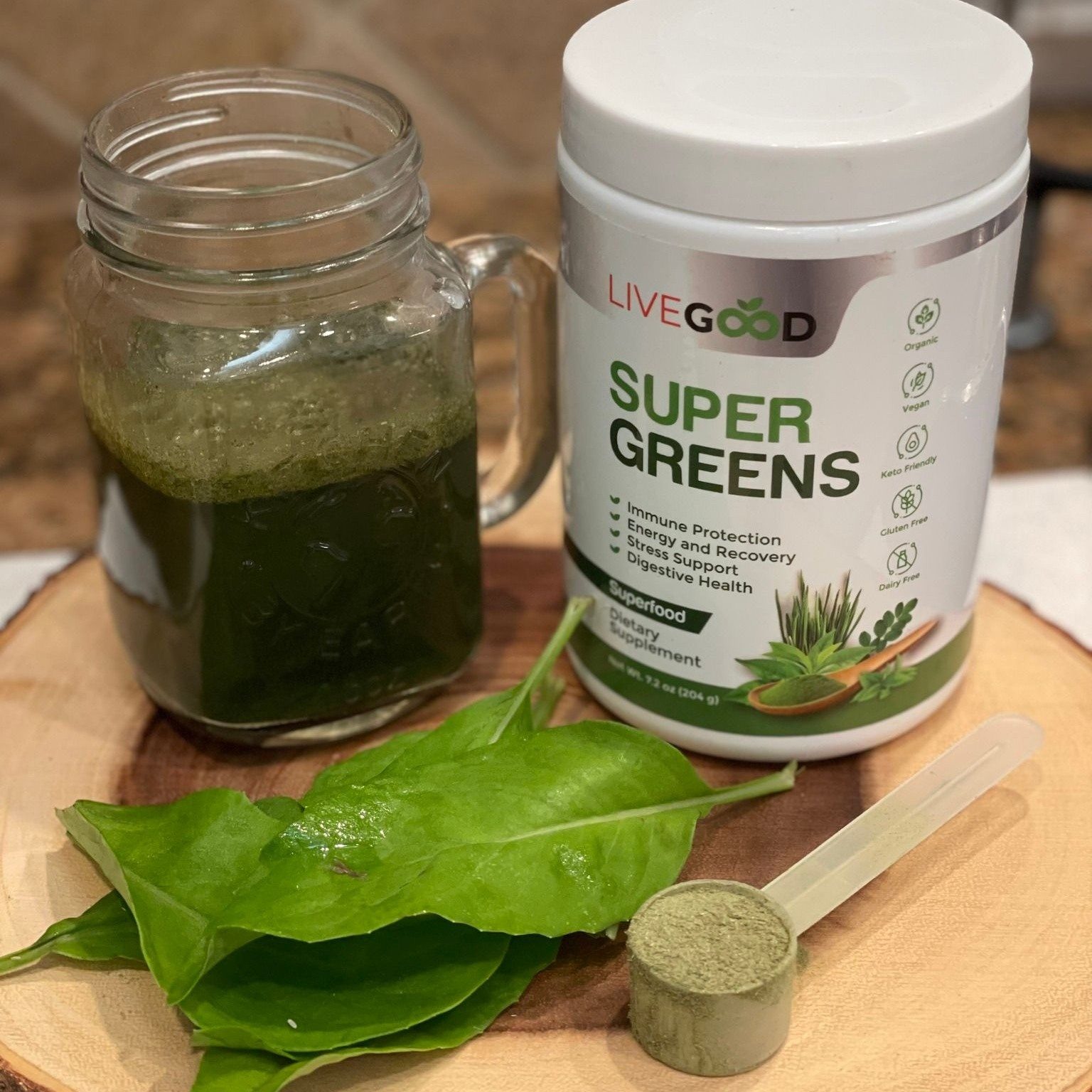
Greens powders often share similar categories of plant ingredients, so the back label is more useful than front-label imagery.
Start by deciding what type of product you want. One person may want a straightforward blend of organic greens. Another may want a fortified powder, meaning vitamins and minerals were added separately. Someone else may prioritize probiotics or a particular plant extract. These are different product types, even when every container says "greens" on the front.
Also remember what greens powders cannot do. They do not replace the fiber, volume, variety, or eating experience of whole fruits and vegetables. Think of them as a convenient supplement to your usual diet, not a substitute for meals or produce.
Ignore broad promises during your first review. Turn the container around. The Supplement Facts panel, ingredient list, serving size, certifications, allergen information, and testing statements provide a much better starting point than the number of superfoods pictured on the package.
Disclosed Amounts Versus Proprietary Blends
The clearest labels tell you how much of each main active ingredient appears in one serving. You might see individual amounts listed in milligrams or grams. This makes it possible to compare formulas and judge whether a highlighted ingredient contributes a substantial share of the scoop.
A proprietary blend works differently. It lists a group of ingredients under one total weight while keeping the amount of each ingredient private. Ingredients within the blend are generally listed from greatest to least by weight, but that order still does not reveal the exact dose. You may know that a blend weighs 5 grams without knowing whether a specific ingredient provides 2 grams or 20 milligrams.
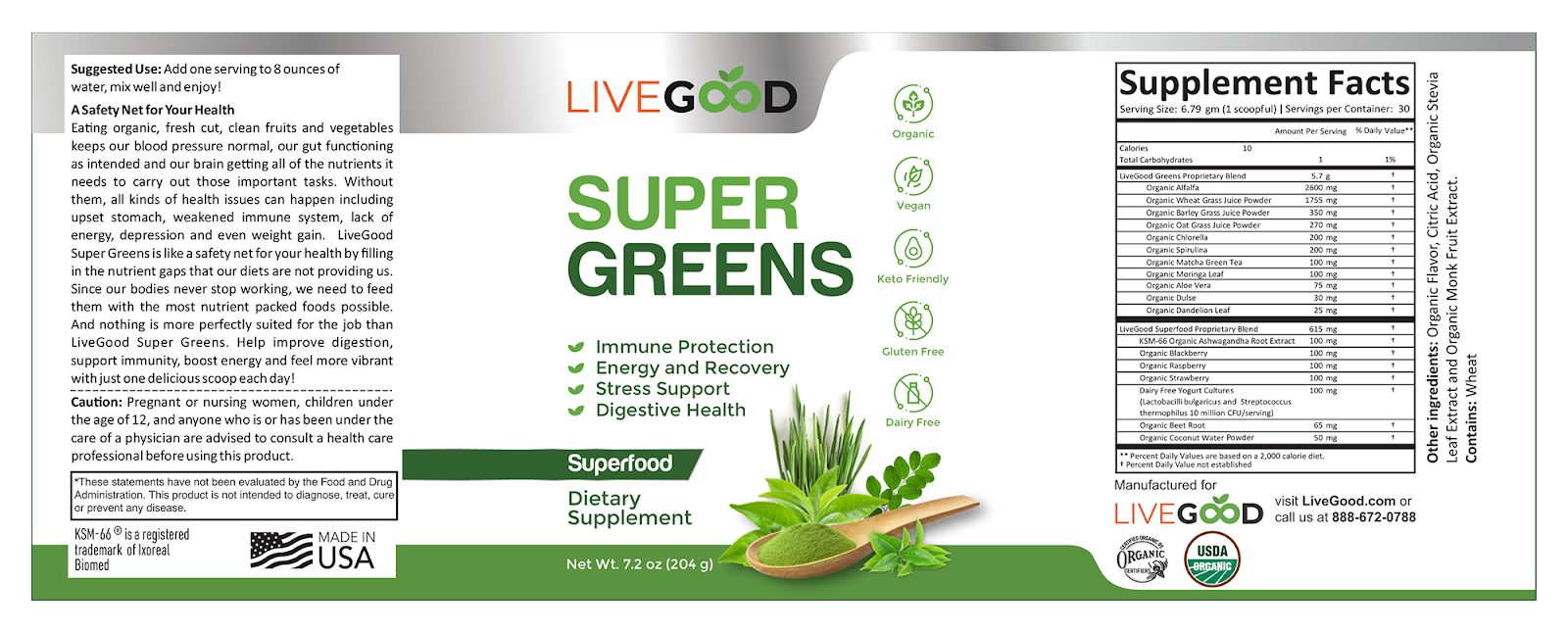
A transparent Supplement Facts panel makes it easier to compare serving sizes and individual ingredient amounts.
Proprietary does not automatically mean poor quality. It means there is less information available to evaluate. That uncertainty matters most when a company connects a particular ingredient to research. If its amount is hidden, you cannot tell whether the serving resembles the amount used in that research.
Use a simple label worksheet:
| Check | What to record |
|---|---|
| Serving size | Grams per scoop and scoops per serving |
| Main ingredients | Individual amount or blend position |
| Blend total | Total grams shared by all blend ingredients |
| Added nutrients | Vitamins and minerals with Daily Value percentages |
| Other ingredients | Flavors, sweeteners, gums, and processing aids |
Do not assume two formulas remain comparable from year to year. Manufacturers may change ingredients, serving sizes, flavors, or blend amounts. If you are comparing any competing product, check its current official label directly instead of relying on an old review, marketplace listing, or social media graphic.
Dose Versus a Sprinkle
Finding an ingredient on the label is only the first step. Next, ask whether the amount is large enough to matter. This is where many comparisons become less exciting, but much more useful.
Research usually studies a specific ingredient form at a specific dose. For example, a study may use a concentrated extract standardized to contain a certain percentage of an active compound. "Standardized" means the manufacturer controls the amount of that compound. A small amount of a standardized extract cannot be compared directly with the same weight of an ordinary whole-food powder.
You also need to distinguish total ingredient weight from active-compound content. Two products can list the same number of milligrams but provide different concentrations. Preparation methods, plant variety, growing conditions, and processing may affect the finished material. If the label does not disclose the relevant active compound, any comparison remains approximate.
A quick reality check is to compare the scoop's total weight with the formula. If a 6-gram serving contains dozens of ingredients, every ingredient cannot be present at a multi-gram dose. Added flavors, sweeteners, fiber, and other ingredients also occupy part of that serving. This does not prove the formula lacks value. It simply limits what you can conclude about each named ingredient.
Do not increase your serving to imitate a study. Follow the product's label directions. Research doses are not personal dosing instructions, and studies may involve screening and professional supervision. Talk to your doctor before using a greens powder if you take prescription medication, are pregnant or breastfeeding, have a kidney or liver condition, or live with another medical condition. More is not automatically better.
Third Party Testing and Heavy Metals
Plants grow in soil and take up naturally occurring elements from their environment. As a result, plant-based powders can contain trace amounts of heavy metals such as lead, cadmium, arsenic, or mercury. Their presence at a detectable level does not by itself show that a product is unsafe. The amount, testing method, serving size, and applicable limit all matter.
Third-party testing means a laboratory outside the supplement company evaluates the product. Depending on the test, the laboratory may check ingredient identity, microbes, pesticides, heavy metals, or whether the contents match the label. Testing can add useful oversight, but the phrase "third-party tested" is not enough on its own. It does not tell you which substances were tested, what standards were applied, or whether every finished batch was examined.
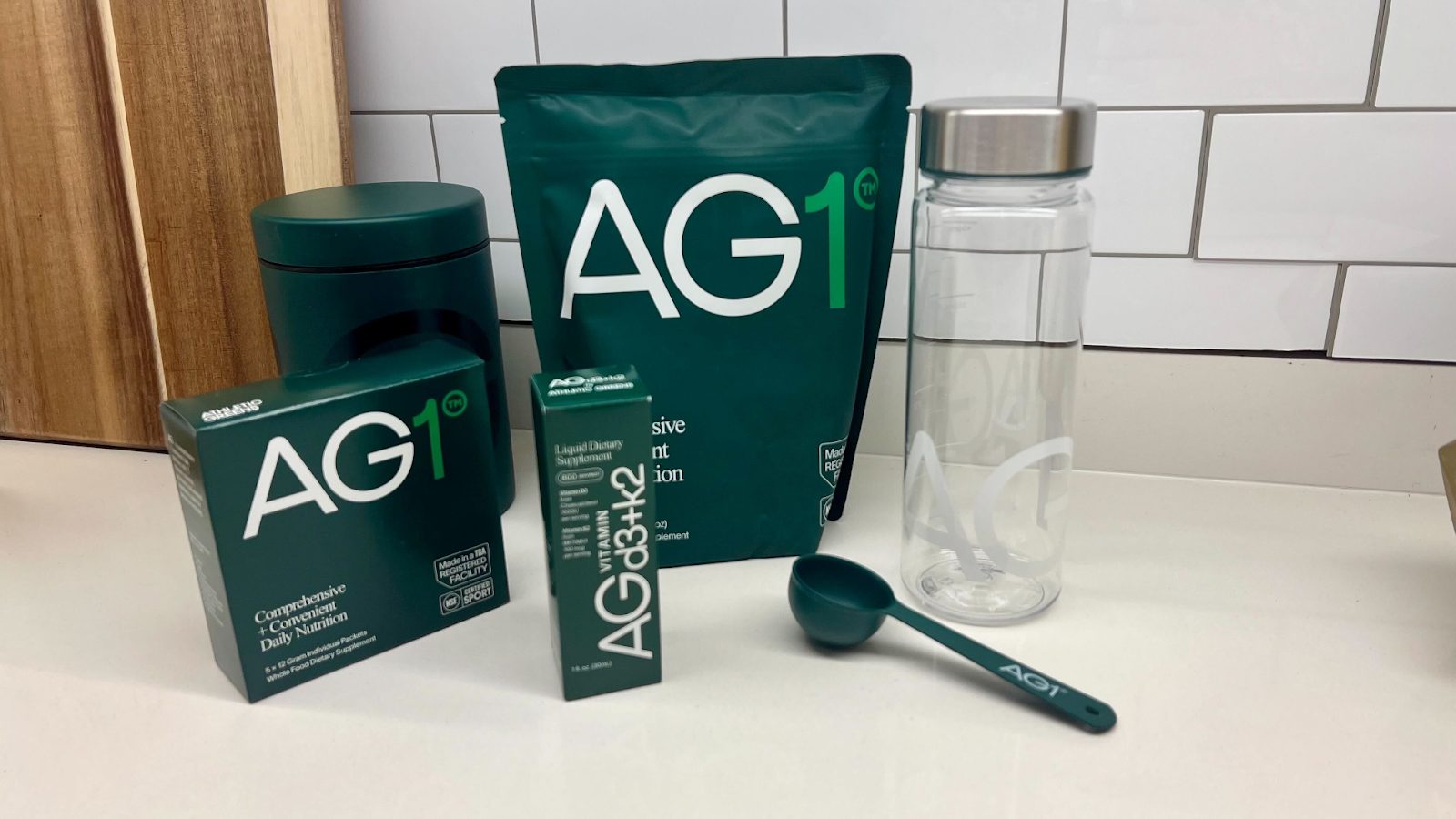
Detailed third-party testing can address identity, microbes, pesticides, and heavy metals in a finished greens powder.
Look for specific answers to these questions:
- Is testing performed on the finished powder or only on raw ingredients?
- Is every production lot tested, or only occasional samples?
- Does testing include lead, cadmium, arsenic, and mercury?
- Can the company provide a recent certificate of analysis?
- Is the result tied to the lot number printed on the container?
A certificate of analysis, often shortened to COA, is a laboratory report for a material or finished product. A useful COA identifies the batch, test date, method, result, and acceptance limit. A generic badge without those details offers less assurance.
Keep certifications separate in your comparison. Organic certification concerns how agricultural ingredients are produced and handled. Good Manufacturing Practices concern production controls. Sports certification may screen for substances prohibited in competition. None of these automatically means the product passed every possible contaminant test, so record each claim for what it actually covers.
Cost Per Serving, Not Per Tub
The container price is not the real price of a greens routine. Divide the amount you will pay by the number of labeled servings. A $30 tub with 15 servings costs $2 per serving, while a $40 tub with 40 servings costs $1 per serving. The larger tub costs more at checkout but less each day.
Dividing the total purchase cost by labeled servings reveals the recurring cost of a daily greens routine.
Use the same assumptions for every product. Compare the regular price with the regular price, or subscription price with subscription price. Include required membership fees, shipping, taxes, and minimum purchase rules when they apply. Introductory discounts can be useful, but they do not show what month three will cost.
| Cost factor | How to compare it |
|---|---|
| Container price | Use the price you will actually pay |
| Labeled servings | Do not assume one scoop always equals one serving |
| Daily directions | Account for products suggesting more than one serving |
| Shipping and fees | Add recurring costs before dividing |
| Formula transparency | Consider whether the price buys disclosed amounts |
| Testing evidence | Record what is verified, not just the badge |
Price still needs context. A low cost per serving is not impressive if the formula hides all meaningful amounts. A high price is not justified merely by a long ingredient list, celebrity promotion, or premium packaging. Value comes from the combination of a suitable formula, usable dose information, quality controls, and a price you can maintain.
Consistency matters more than buying the most expensive tub once. This is also why access matters. LiveGood's mission is to "Provide the highest quality supplements in the world, at the lowest prices possible." Its membership model is designed around the idea that wellness should not be a luxury, while retail pricing remains available for people who prefer not to join.
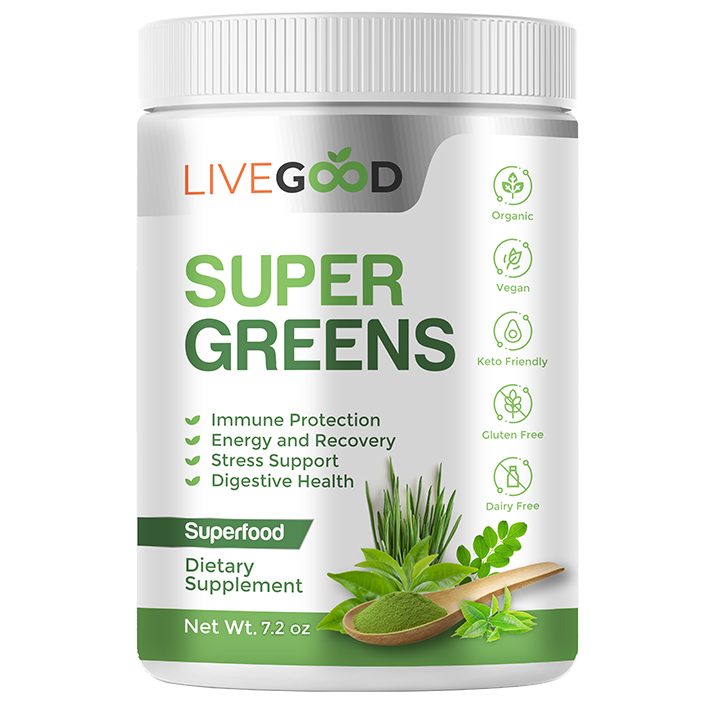
If an organic daily greens option fits your checklist, LiveGood Organic Super Greens is a USDA certified organic greens powder formulated to help fill nutrient gaps that your diet may not provide, serving as "a safety net for your health." Mix one delicious scoop a day into water or a smoothie, following the label directions. It is $19.95 for members and $34.95 retail, so compare the price that applies to you when calculating value.
Frequently Asked Questions
How do you compare greens powders?
Compare greens powders by checking the serving size, disclosed ingredient amounts, study-relevant doses, independent testing, and true cost per serving. Start with the current official label rather than marketing claims. Then consider whether the formula matches your needs, dietary preferences, and budget. Recheck the label before repurchasing because ingredients and serving sizes can change.
Is an expensive greens powder worth it?
An expensive greens powder is worth considering only when the higher price reflects features you value, such as transparent doses, relevant certifications, or detailed finished-product testing. Price alone does not establish quality or effectiveness. Calculate the recurring cost per serving and compare what the label actually discloses. The right choice is one that fits both your goals and a routine you can maintain.
What is a proprietary blend?
A proprietary blend is a group of ingredients listed under one combined weight without revealing each ingredient's exact amount. The label may show the ingredients in descending order by weight, but you still cannot confirm their individual doses. This makes research comparisons difficult. A proprietary blend is not automatically bad, but it provides less transparency than separately disclosed amounts.
Do greens powders contain heavy metals?
Greens powders can contain detectable traces of heavy metals because plants naturally absorb elements from soil and water. Detection does not automatically mean a product is unsafe, since the concentration and serving size matter. Look for finished-product testing that includes lead, cadmium, arsenic, and mercury. A recent, lot-specific certificate of analysis provides more detail than a general testing claim.
How much should greens powder cost per serving?
There is no universal right price for a greens powder serving. Calculate container price plus recurring fees and shipping, then divide by the number of servings. Compare that result alongside dose transparency, ingredient quality, certifications, and testing evidence. A less expensive powder can offer strong value, while a costly formula may not be worthwhile if its key ingredient amounts remain hidden.