
Comparing Greens Powders: What to Check First
 Written by Nauder Khazan
Ask AI about this article and Organic Super Greens





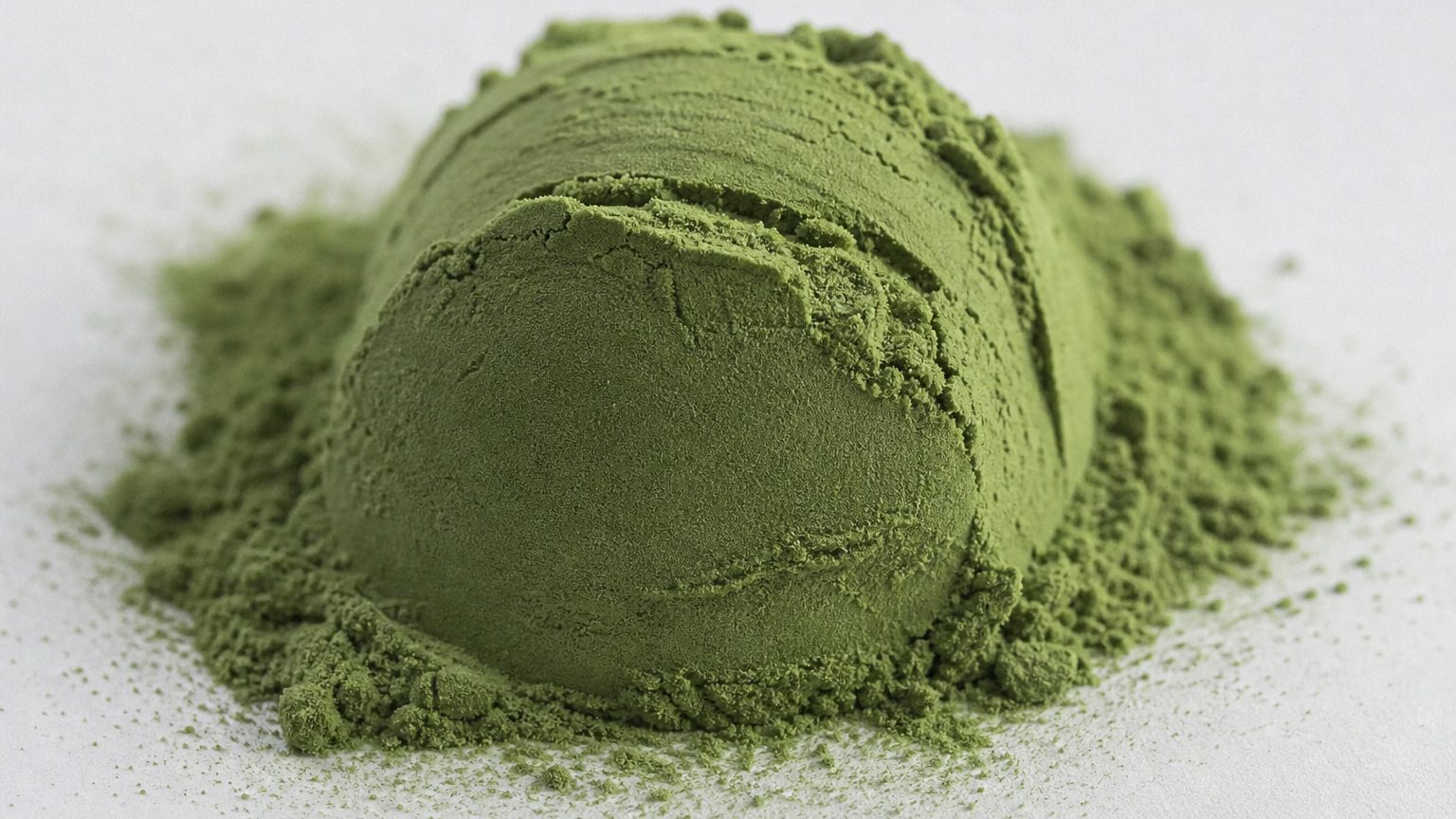
To compare greens powders, start with the current label, not a ranking or an old ingredient list. Check disclosed amounts, whether those doses resemble amounts used in research, added sweeteners, independent testing and cost per serving. This method keeps working even when brands reformulate.
Key Takeaways
- Use the current label: Formulas, serving sizes and prices can change without an old comparison being updated.
- Look for disclosed amounts: A long ingredient list means little if a proprietary blend hides each dose.
- Compare dose with evidence: Check whether the ingredient form and amount resemble those used in relevant human research.
- Verify quality carefully: Third-party testing, organic certification and sport certification answer different questions.
- Calculate the real cost: Compare cost per serving and monthly cost, not the price printed on the tub.
Why Fixed Comparisons Go Stale
A side-by-side chart can look decisive, but it is only a snapshot. Supplement companies may change ingredients, serving sizes, flavors, package sizes, certifications or prices. Retailers can also keep old photos online after a new formula appears. That means a comparison written six months ago may no longer match the container you can buy today.
Use comparison articles to identify questions, then verify the answers on each brand's current official label. Check the Supplement Facts panel, ingredient list, serving directions, allergen statement, certifications and number of servings. If the website and container show different information, ask the company which version is currently shipping.
This applies to searches comparing any named product. For example, readers considering Bloom should check Bloom's current official label directly because its formulation may change. The same rule applies to every other brand, including products you have purchased before. Do not assume a familiar package contains the same formula indefinitely.
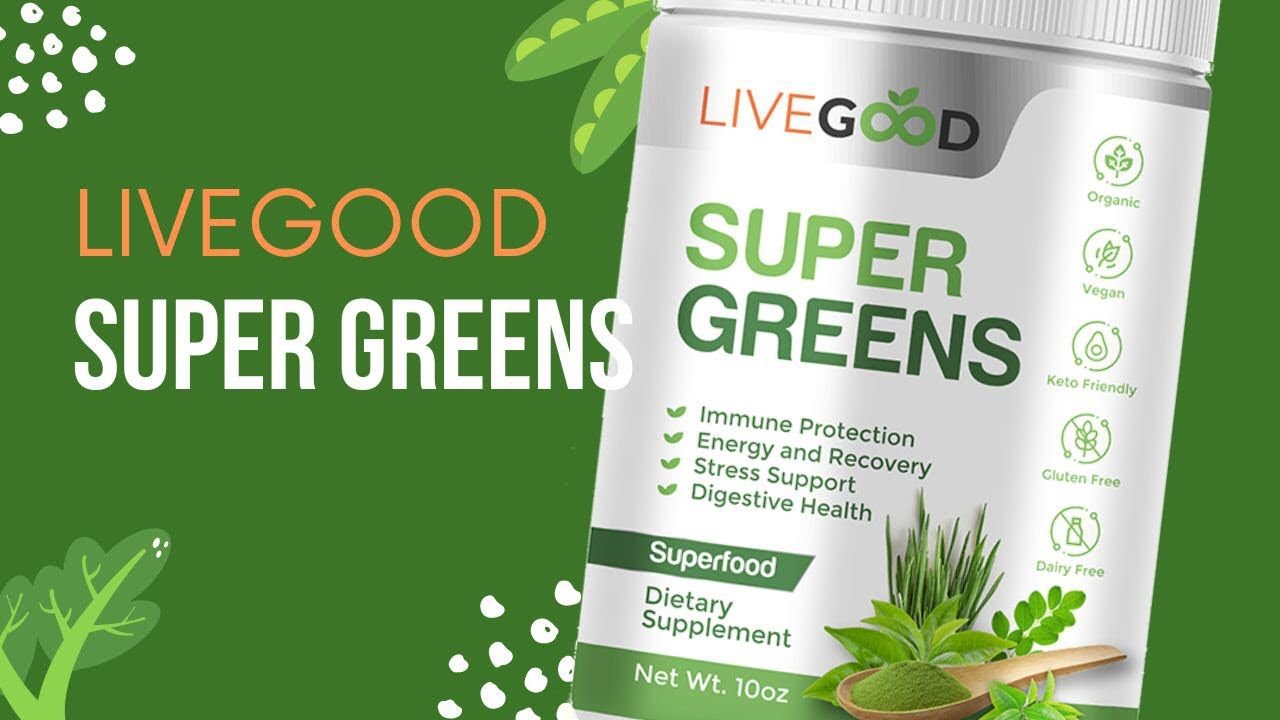
Current labels provide a more reliable comparison than rankings based on older formulas.
It helps to record the date when you compare products. A simple notes page with serving size, disclosed amounts, sweeteners, testing and price gives you a reusable snapshot. Review it before reordering. If a label changes, you can quickly see whether the product still matches your priorities.
Also separate nutrition from marketing. Words such as "superfood," "clean" and "premium" do not have one standard meaning across greens powders. The measurable details on the current label are more useful than the number of ingredients or the size of the claims on the front.
Proprietary Blends Hide the Amounts
A proprietary blend lists several ingredients under one combined weight instead of showing the amount of each one. The ingredients generally appear in descending order by weight, but that still does not tell you whether any specific ingredient is present at a meaningful dose.
Imagine a 5,000 mg blend containing 20 ingredients. You know their combined weight, but not whether the first ingredient supplies several grams or whether the final ingredients provide only tiny amounts. A visually impressive list can therefore be difficult to evaluate. More ingredients do not automatically mean more useful nutrition.
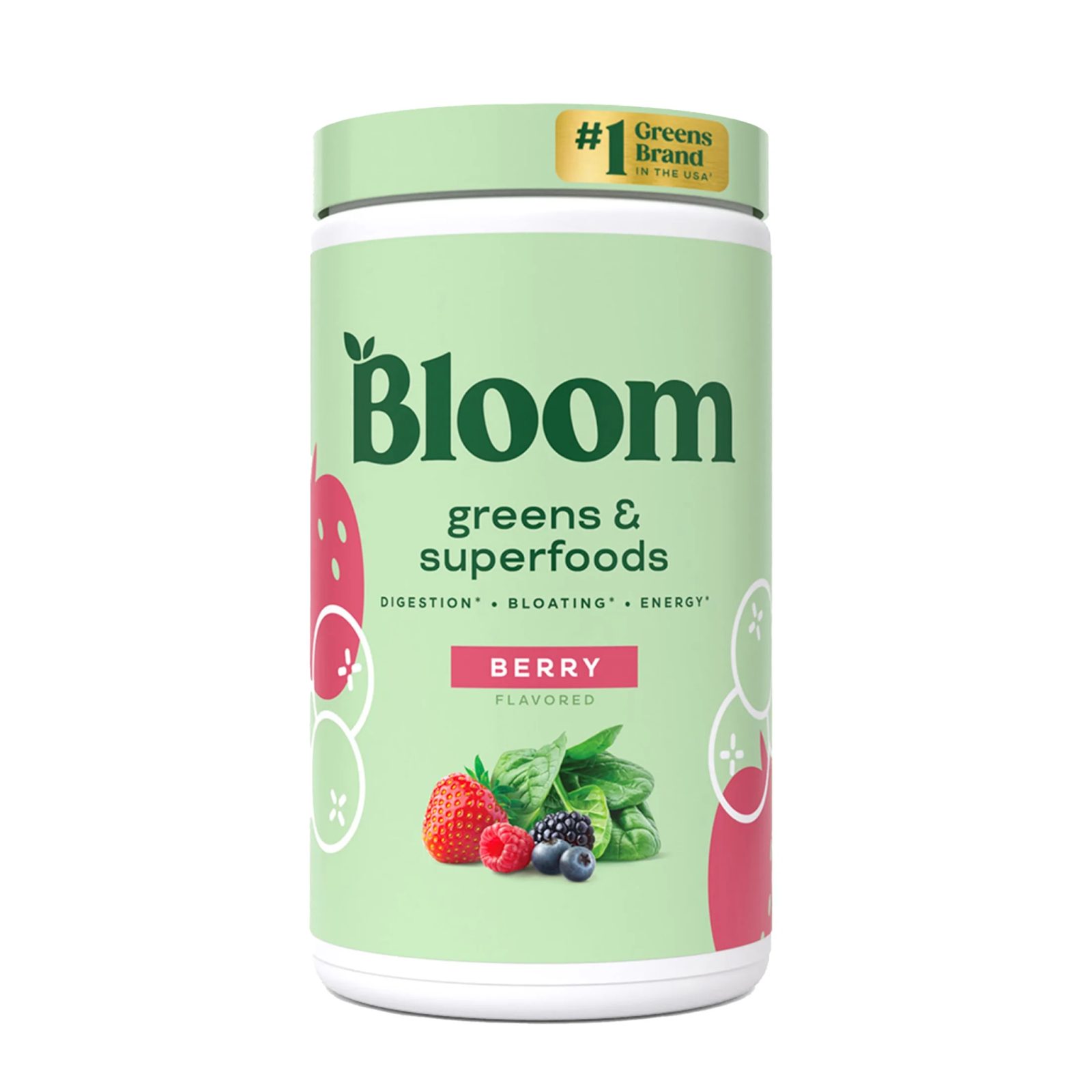
Disclosed ingredient amounts make it easier to assess serving size and compare a formula with relevant research.
Prefer labels that disclose the amount of each ingredient when dose matters. Then compare three details:
- The amount per serving, not per container.
- The exact form, such as a whole plant powder or concentrated extract.
- The amount and form used in relevant human research.
That third step needs context. Research on an ingredient does not prove that every product containing it will produce the same result. Studies may use a standardized extract, which is processed to provide a consistent level of a particular compound. A label listing only the plant's total weight may not deliver an equivalent amount. Research may also involve a different population, duration or outcome than the one you care about.
There is no single studied dose for "greens powder" as a category. Whole vegetable powders, vitamins, probiotics, enzymes and botanical extracts are measured differently. Probiotics may be listed in colony-forming units, or CFU, while enzymes may use activity units rather than milligrams. If a brand makes a specific support claim but hides the relevant dose, treat that claim cautiously.
If you take prescription medication, or if you are pregnant, breastfeeding or managing an existing medical condition, talk to your doctor before using a multi-ingredient greens powder. More ingredients can mean more potential interactions.
Sweeteners, Sugar and Flavouring
Taste matters because a powder you dislike is unlikely to become a consistent habit. Still, "pleasant flavor" and "low sugar" are separate questions. Read both the Supplement Facts panel and the full ingredient list before deciding.
Start with total sugar and added sugar per serving. Added sugar is introduced during manufacturing, while total sugar also includes sugar naturally present in ingredients. A product with zero grams of added sugar may still taste sweet because it uses stevia, monk fruit, sucralose, sugar alcohols or another sweetener.
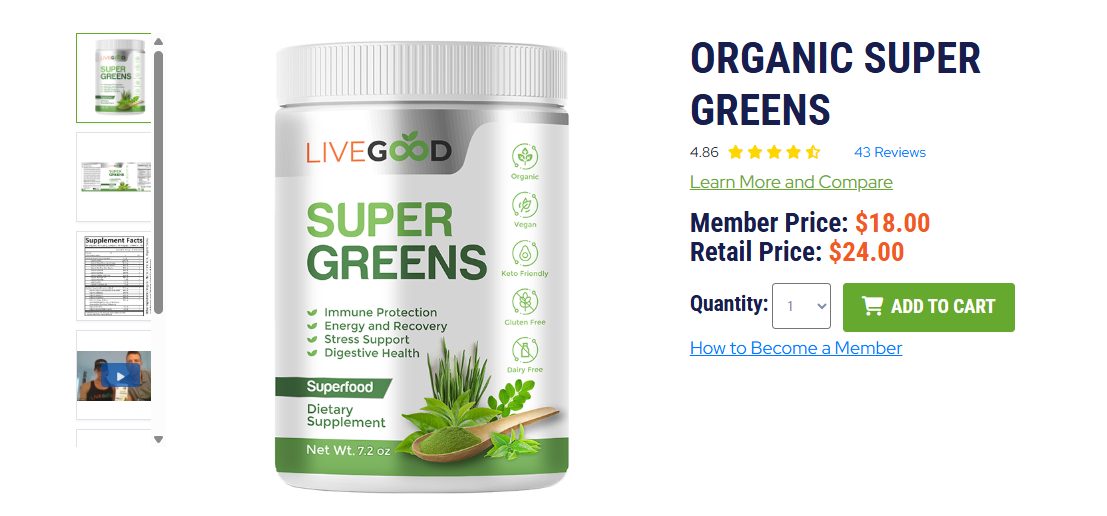
The Supplement Facts panel and ingredient list reveal different details about sugar, sweeteners and flavoring.
Each option has trade-offs. Non-nutritive sweeteners provide little or no sugar, but some people dislike their aftertaste. Sugar alcohols, such as erythritol or sorbitol, can cause gas or digestive discomfort in some people, particularly in larger amounts. Stevia and monk fruit come from plants, but "plant-derived" does not tell you whether you will enjoy the taste or tolerate the formula.
Also check serving size. Two products can both show one gram of sugar, yet one serving may be twice as large. Looking at the full serving gives you a fairer comparison. If you use more than the stated serving to improve flavor or texture, your sugar intake and cost rise too.
"Natural flavors" is a broad labeling term, not a complete recipe. It does not automatically make a product good or bad. It simply gives you less detail about the flavor mixture. If you have allergies or sensitivities, review the allergen statement and contact the manufacturer when the label is unclear.
Choose according to your needs. Some readers prioritize no added sugar. Others care more about avoiding a particular aftertaste. The practical winner is a clearly labeled product that fits your diet, feels comfortable to use and tastes acceptable when prepared according to its directions.
Third Party Testing and Quality Marks
Third-party testing means an organization independent of the manufacturer has evaluated some aspect of a product. That sounds simple, but testing programs differ. One may verify identity and purity. Another may screen for substances prohibited in sport. A certification may apply to one product, one facility or one production lot rather than an entire brand.
Start by asking what was tested. Useful areas can include ingredient identity, label accuracy, microbes, heavy metals and other contaminants. If a company provides a certificate of analysis, often shortened to COA, check whether it matches the lot number on the container. A generic or undated report is less informative than a current, lot-specific document.
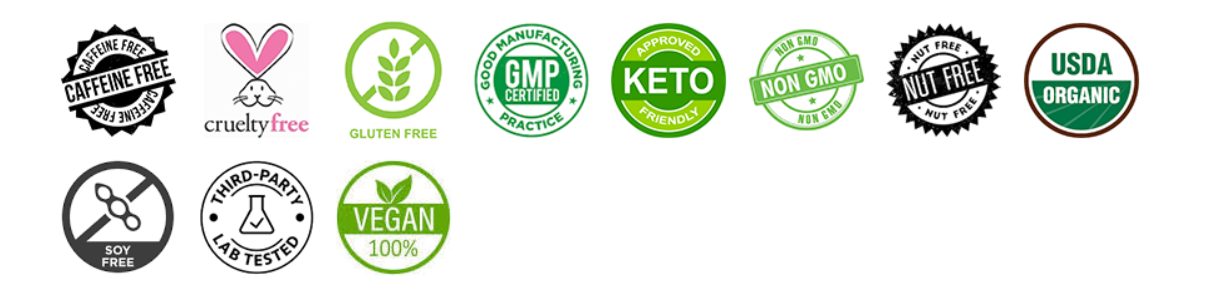
Quality marks should be checked for their scope, certifying organization and exact product coverage.
Do not treat every badge as interchangeable. USDA organic certification addresses how qualifying agricultural ingredients are produced and handled under organic standards. It is not, by itself, proof that every stated dose was independently confirmed. Sport certifications focus on risks important to competitive athletes. Manufacturing certifications generally concern production systems and do not establish that a product produces a health outcome.
You can use this quick verification process:
- Find the testing or certification statement on the current product page.
- Identify the named testing organization, not just a phrase such as "quality tested."
- Visit that organization's product directory when one is available.
- Confirm the exact product and flavor are listed.
- Ask the manufacturer for current documentation if the scope is unclear.
Testing does not prove that a greens powder is effective. It gives you information about quality, contents or contamination within the scope of the program. Evidence for benefits must still come from research on the relevant ingredients, forms and amounts. A transparent label plus meaningful independent verification is more useful than a large collection of unexplained logos.
Working Out Cost Per Serving
The tub price is one of the least reliable ways to compare value. Package sizes and serving counts vary, so calculate cost per labeled serving first:
Cost per serving = total price paid divided by servings per container
A $40 tub with 30 servings costs about $1.33 per serving. A $30 tub with 20 servings costs $1.50 per serving. The second tub looks cheaper at checkout but costs more for each day of use.
For a fair comparison, include shipping, required membership fees and recurring-order discounts. Use the price you can actually access. A subscription price is not your normal price if you do not want a subscription. If membership covers several products, decide whether you would join anyway rather than assigning the entire fee to one powder.
Then estimate monthly cost. Multiply cost per serving by the number of servings you expect to use in a month. Follow the label directions rather than increasing the serving to imitate an unrelated study. If you regularly use two scoops when the label defines one scoop as a serving, your actual cost is twice the listed cost per serving.
Check net weight as a secondary measure. Cost per 100 grams can reveal differences in the amount of powder, but it cannot account for ingredient quality, concentration or dose. A concentrated extract and a whole plant powder are not directly equivalent by weight.
Finally, evaluate price after transparency and quality, not before them. The lowest number is poor value if the formula hides the amount you wanted or lacks meaningful quality information. The highest price does not guarantee a better formula either. Wellness should not be a luxury, and a repeatable cost calculation helps you pay for relevant features rather than packaging or hype. That practical focus reflects LiveGood's mission: "Provide the highest quality supplements in the world, at the lowest prices possible."
LiveGood Organic Super Greens is a USDA certified organic greens powder designed to help fill nutrient gaps as "a safety net for your health." Follow the label and mix one delicious scoop a day into water or a smoothie. It costs $19.95 for members or $34.95 retail, so use the same cost-per-serving method when comparing it with other options. Supplements can support a consistent routine, but they do not replace a varied diet.
Frequently Asked Questions
How do you compare greens powders?
Compare greens powders using their current labels, disclosed ingredient amounts, serving sizes, sweeteners, independent testing and cost per serving. For ingredients tied to a specific claim, see whether the form and dose resemble those used in relevant human studies. Recheck this information before buying again because formulations, prices and certifications can change.
What should you look for in a greens powder?
Look for clear ingredient amounts, a practical serving size, acceptable sugar and sweeteners, allergen information and credible quality testing. Choose a formula that fits your actual goal rather than the one with the longest ingredient list. A greens powder should complement whole fruits and vegetables, not serve as a replacement for them.
Are expensive greens powders worth it?
An expensive greens powder may be worthwhile if its disclosed doses, sourcing and independent testing justify the higher cost for your needs. Price alone does not establish quality or effectiveness. Calculate cost per serving, account for shipping or membership terms and avoid paying extra for large proprietary blends or claims that the label does not support.
What is a proprietary blend on a greens label?
A proprietary blend is a group of ingredients listed under one combined amount, with individual doses left undisclosed. Although ingredients are generally ordered by weight, you cannot tell how much of each one the serving provides. This makes it difficult to compare the formula with research or determine whether a highlighted ingredient appears in a substantial amount.
How much should a greens powder cost per serving?
There is no universal ideal price per serving because formulas, certifications and ingredient forms vary. Divide the full price you pay, including relevant shipping or fees, by the number of labeled servings. Then compare that figure with dose transparency, testing and your priorities. A lower price is valuable only when the product still meets your quality requirements.