
Comparing Greens Powders on Label and Cost
 Written by Nauder Khazan
Ask AI about this article and Organic Super Greens





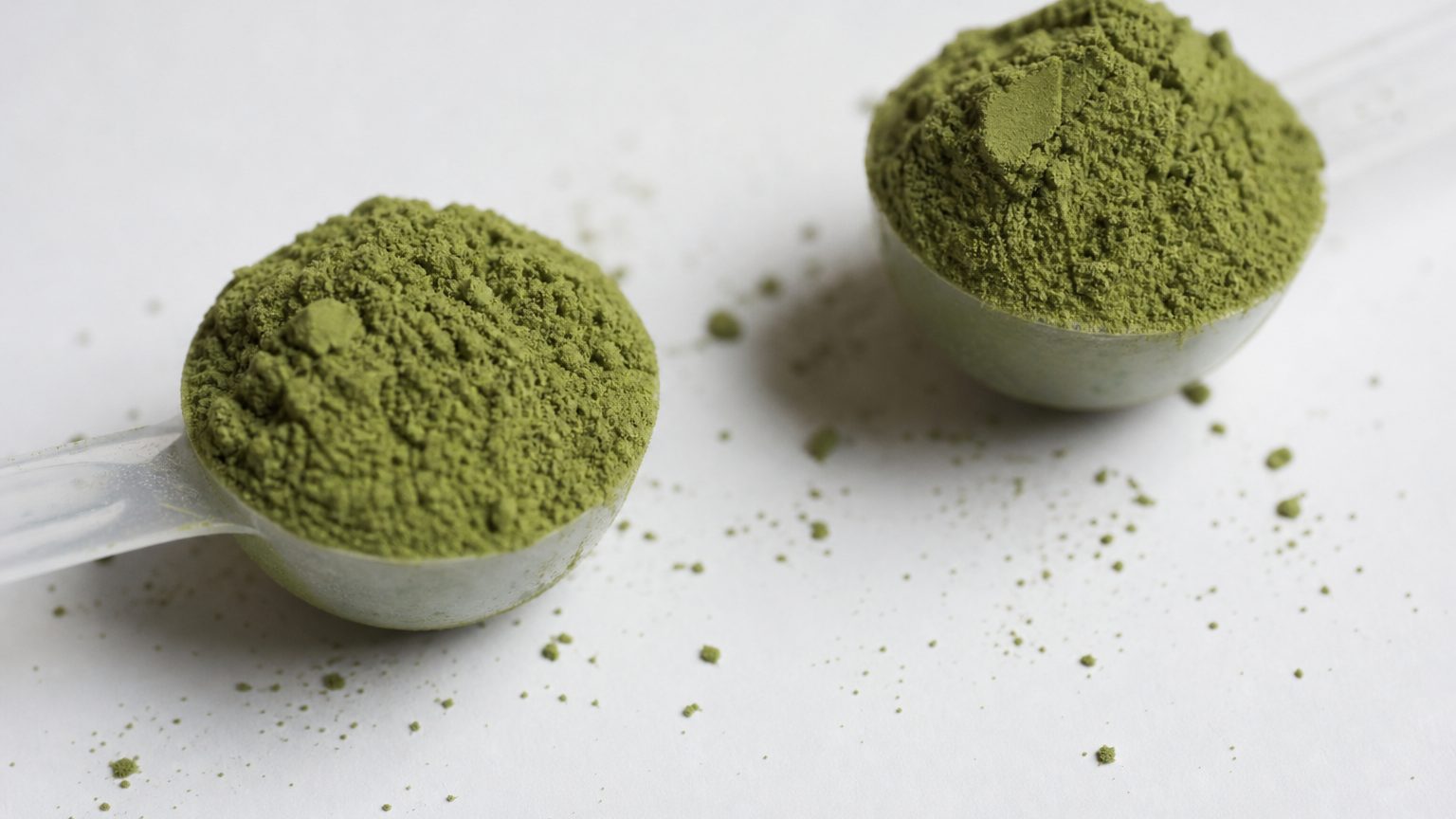
To compare greens powder labels, first look beyond the greens for added stimulants, diuretics, laxatives, sweeteners, and high-dose nutrients. Then compare disclosed ingredient amounts, grams per serving, servings per container, certifications, and true cost per serving.
Key Takeaways
- Check the extras first: Weight-oriented formulas may contain stimulants, diuretics, laxatives, or other ingredients unrelated to basic greens nutrition.
- Prefer useful disclosure: Individually listed amounts tell you more than a proprietary blend with only one total weight.
- Compare full servings: A long ingredient list can still provide only a small amount of each ingredient.
- Calculate the real price: Divide the price you will actually pay by the number of full label servings.
- Keep expectations grounded: Greens powders can support nutrient intake, but they do not replace vegetables, balanced meals, sleep, or movement.
Check What Has Been Added
Start with the full ingredient list, not the claims on the front. Words such as "skinny," "cleanse," "energy," or "metabolism" describe the product's positioning. They do not tell you what is inside or establish that the powder produces weight loss.
First identify the actual greens. These may include leafy vegetables, cereal grasses, algae, herbs, and other plant powders. Then separate those ingredients from everything added around them. Common extras include flavors, sweeteners, vitamins, minerals, probiotics, digestive enzymes, mushrooms, adaptogenic herbs, caffeine sources, and ingredients intended to increase urination or bowel movements.
Extras are not automatically bad. A sweetener may improve taste, and a probiotic may fit someone's goals. The useful question is whether you want that ingredient and whether its amount is disclosed. An impressive list can also create overlap with a multivitamin, energy drink, pre-workout, or another supplement you already use.
Review the allergen statement, suggested use, warnings, and certification marks too. If organic sourcing matters to you, look for a recognized certification rather than relying on green packaging or the word "natural." If third-party testing is advertised, find out what was tested and whether the claim applies to that specific product.
Labels and formulas can change. When comparing any current product, including a competitor you have seen online, check its current package or official label directly rather than relying on an old review or social media post.
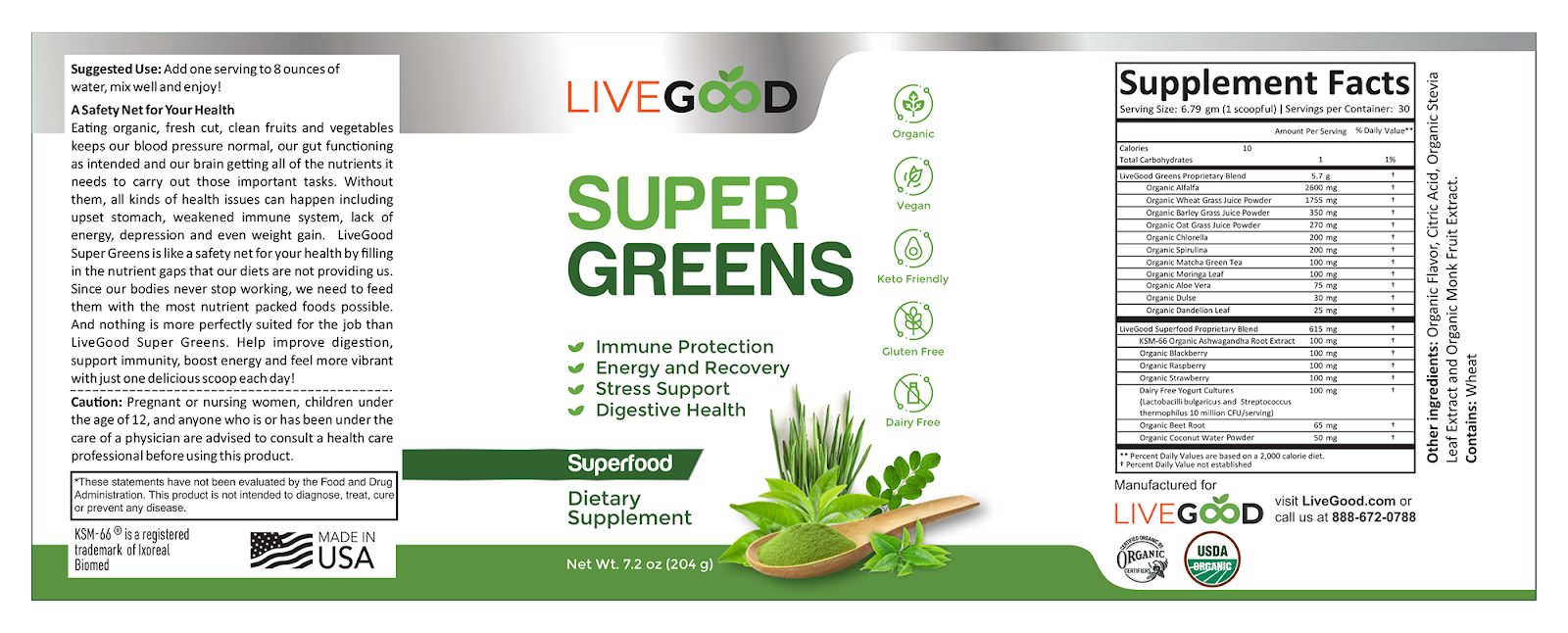
The ingredient list reveals the greens, sweeteners, flavors, nutrients, and other additions included in the formula.
Stimulants and Diuretics in Weight Products
Some weight-oriented greens powders include more than vegetables and grasses. They may add stimulant ingredients for a noticeable energy effect or diuretic ingredients that increase urination. That makes this the most important category-specific label check.
Caffeine is a stimulant, meaning it increases activity in the nervous system and can make you feel more alert. It may appear as caffeine itself or through ingredients such as coffee, tea, guarana, yerba mate, or kola nut. Do not assume a greens powder is caffeine-free because the front label emphasizes plants. Look through the ingredient list and check whether the caffeine amount is stated.
Total daily intake matters. Coffee, tea, soda, pre-workout, and the greens powder can all contribute caffeine. Too much may cause jitters, a racing heartbeat, digestive discomfort, or sleep disruption in sensitive people. If you take prescription medication, have an existing medical condition, or are pregnant or breastfeeding, talk to your doctor before using a stimulant-containing supplement.
A diuretic increases urine output. Losing water can briefly change scale weight, but that is not the same as losing body fat. Ingredients promoted for bowel regularity can also create a temporary change on the scale. Neither effect proves that a greens powder supports lasting weight management.
Also check warnings for timing, hydration, and combining the product with other caffeine sources. More stimulation is not better. A basic greens powder does not need to create a buzz, suppress appetite, or increase bathroom trips to support a consistent nutrition routine.
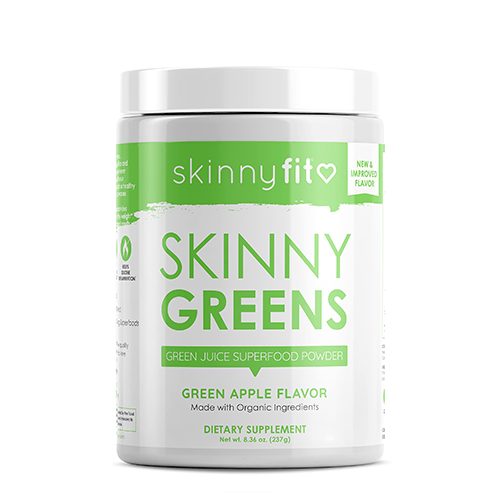
Weight-oriented packaging should prompt a closer check for caffeine sources, diuretics, laxatives, and label warnings.
Disclosed Amounts Versus Blends
After checking the extras, see how clearly the label reports amounts. The Supplement Facts panel may list ingredients one by one, group them into a proprietary blend, or use both approaches.
A proprietary blend is a group of ingredients shown under one combined weight. The ingredients are generally listed from greater to lesser weight within that blend, but you cannot see the exact amount of each one. For example, a blend might weigh several grams while containing a dozen plants. You know the total, but not how much spirulina, spinach, or wheatgrass it supplies.
That does not prove the product is poor quality. It simply limits what you can evaluate. Transparent amounts make it easier to compare formulas, recognize overlap with other supplements, and judge whether a highlighted ingredient is present in a meaningful quantity. This matters even more for caffeine, concentrated extracts, vitamins, minerals, and herbs that may interact with medications.
Check the Daily Value column as well. Daily Value is the reference amount used on nutrition and supplement labels. A percentage can help you compare disclosed vitamins and minerals, but many plant ingredients do not have an established Daily Value. A blank percentage does not mean an ingredient is ineffective, and a very high percentage does not automatically make a product better.
Finally, distinguish a whole-food powder from an extract. Extracts are concentrated and cannot always be compared gram for gram with dried vegetables or grasses. Clear labeling should tell you what form you are getting. If the label leaves major questions unanswered, ask the manufacturer before buying.
Individually disclosed amounts provide more comparison detail than one combined proprietary blend weight.
Dose Versus a Sprinkle
Now compare how much powder you receive in one full serving. The serving size appears near the top of the Supplement Facts panel and is usually shown in scoops plus grams. Grams are more useful because scoop sizes vary, and a scoop can settle differently during shipping.
A long ingredient list does not guarantee a substantial serving. If a three-gram serving contains greens, fruits, mushrooms, probiotics, enzymes, flavors, and sweeteners, each component may have limited room. A larger serving is not automatically superior, but the total weight helps you spot formulas that appear broad while giving every featured ingredient only a small share.
Use this quick label check:
- Find the serving size in grams.
- Note how many full servings are in the container.
- Compare the serving weight with the number and type of ingredients.
- Check whether concentrated extracts, added vitamins, flavors, or sweeteners account for part of the serving.
- Follow the label directions rather than increasing the amount to copy another product or a research dose.
Also notice whether the package uses phrases such as "up to 30 servings." If the directions allow one or two scoops, the container may last only half as long at the larger labeled serving. Compare products using the serving you realistically plan to take.
A greens powder should complement food, not stand in for salads, vegetables, fruit, protein, fiber, or balanced meals. Consistency matters more than chasing an oversized formula that you dislike drinking. Taste, mixing, and a serving you can follow are practical parts of value.
Serving weight in grams helps show whether a formula offers a substantial scoop or small amounts across many ingredients.
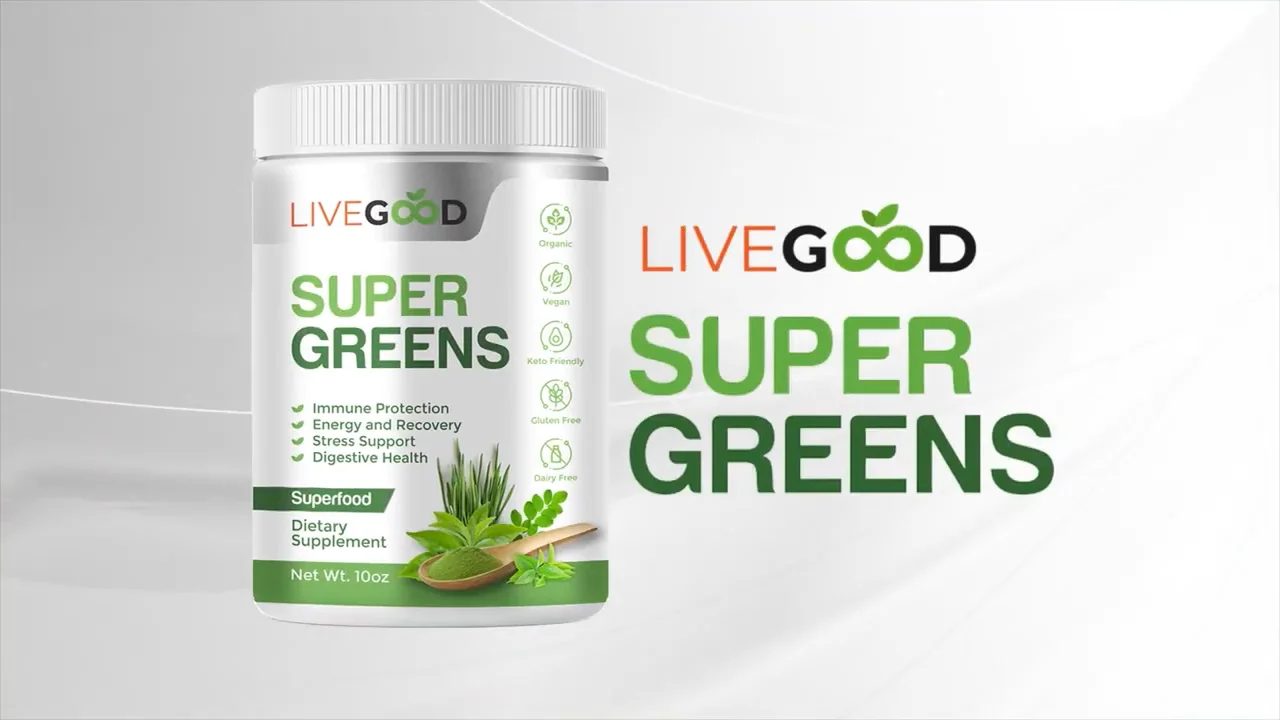
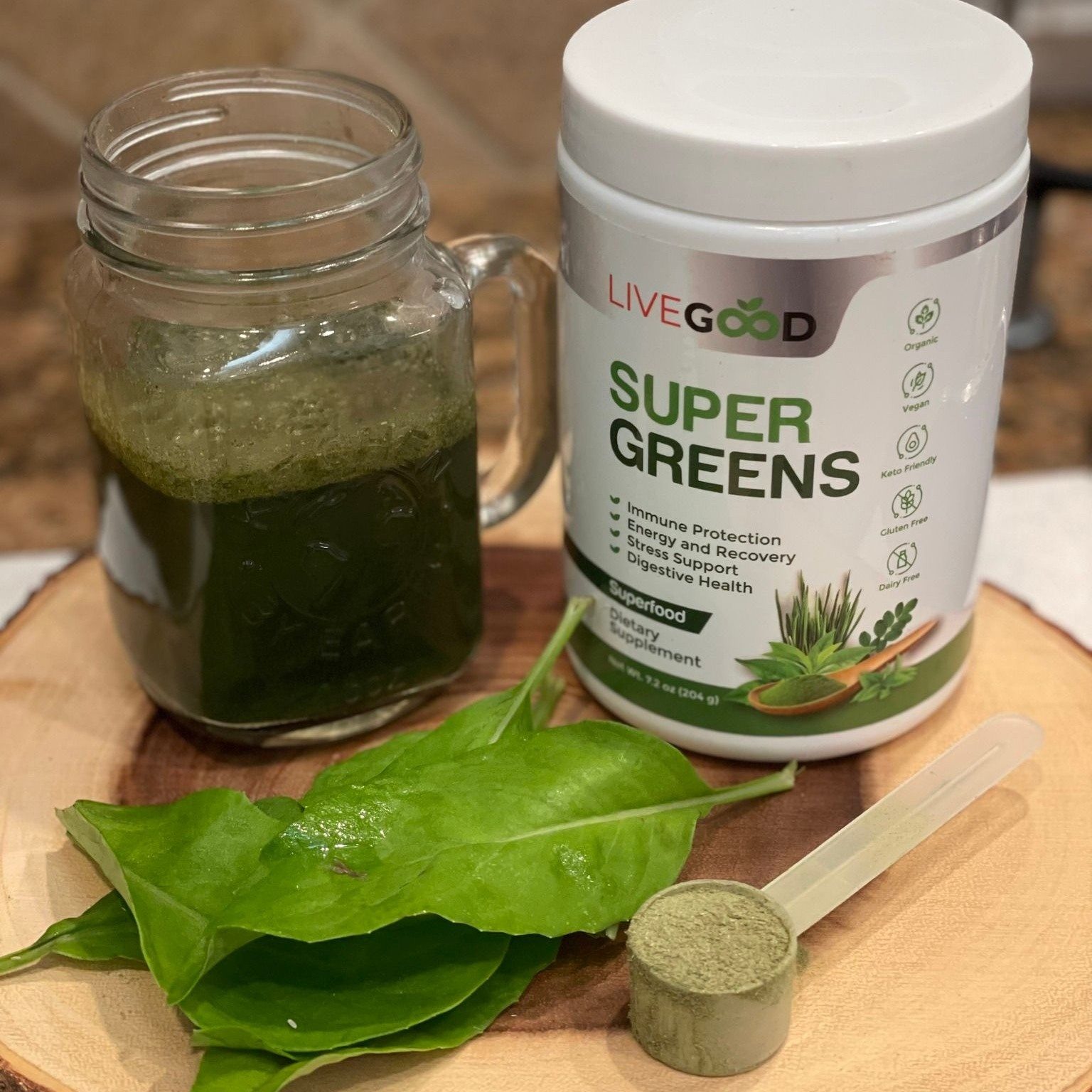
LiveGood Organic Super Greens is a USDA certified organic greens powder designed to help fill nutrient gaps as "a safety net for your health." Mix one delicious scoop a day into water or a smoothie, following the label directions. It is $19.95 for members versus $34.95 retail, supporting LiveGood's mission to "Provide the highest quality supplements in the world, at the lowest prices possible." It supports a routine, not a replacement for whole foods.
Cost Per Serving
Package price alone is a poor comparison. A cheaper tub may contain fewer servings, while a higher-priced package may require half as much powder per day. Use the price you will actually pay, including any required subscription cost, membership fee, shipping, or discount conditions.
The basic calculation is simple:
Cost per serving = total purchase cost divided by full servings in the container.
If a container costs $30 and provides 30 full servings, it costs $1 per serving. If the directions suggest two servings per day, the daily cost is $2 and the tub lasts 15 days. Do not calculate from the number of scoops unless one scoop equals the full serving you intend to use.
Next, compare what that serving provides. Consider the gram weight, amount disclosure, unwanted extras, organic certification if relevant to you, and whether you will use the product consistently. A low cost per serving is not useful if the powder contains ingredients you are avoiding or tastes unpleasant enough to sit unopened.
Be careful with introductory prices. Check the regular renewal price, how often the product ships, and whether cancellation or minimum-order terms apply. For membership pricing, include the membership cost when it is required, then consider whether savings across products make that model worthwhile for your household. Wellness should not be a luxury, but affordability still needs an honest calculation.
The strongest value is not automatically the lowest number or the longest ingredient list. It is a clearly labeled serving that fits your goals, budget, and daily routine without relying on weight-loss hype. Compare current labels and current prices on the same day, since both may change.
True value depends on the cost of each full serving, not simply the price printed beside the container.
Frequently Asked Questions
How do you compare greens powders?
Compare greens powders by checking added stimulants, diuretics, laxatives, and sweeteners before evaluating the greens themselves. Next, review disclosed amounts, serving weight in grams, servings per container, relevant certifications, and label warnings. Calculate cost using the full serving you would actually take. Current official labels are more dependable than old reviews because formulas and prices can change.
Do weight loss greens powders work?
Greens powders have not been established as a reliable way to produce weight loss. A product may temporarily affect energy, appetite, urination, or bowel movements because of added ingredients, but a short-term scale change is not necessarily body-fat loss. Sustainable weight management depends mainly on overall eating patterns, activity, sleep, and individual health needs. Treat supplements as optional support, not a quick fix.
What should you look for on a greens label?
Look for a clear serving size, ingredient forms, individually disclosed amounts, and a complete list of other ingredients. Check caffeine content, allergens, warnings, added vitamins and minerals, sweeteners, and certification details that matter to you. Be cautious when a large proprietary blend hides the amount of every ingredient. Also confirm how many full servings the package contains.
Are stimulants common in greens powders?
Stimulants are present in some greens powders, especially formulas positioned around energy or weight management, but they are not in every product. Caffeine may be listed directly or supplied by coffee, tea, guarana, yerba mate, or similar ingredients. Read the current label instead of judging by the product name. Include the powder when calculating caffeine from all daily sources.
How much should greens powder cost per serving?
There is no single correct price because serving size, sourcing, certification, and formulation differ widely. Calculate the total amount you will pay, including shipping or required fees, divided by the number of full servings. Then compare serving weight and transparency, not price alone. A useful value fits your budget, avoids unwanted extras, and is realistic enough to use consistently.