
Liver Inflammation: What It Is and What Helps
 Written by Nauder Khazan
Ask AI about this article and Liver Support






Liver inflammation may improve when its underlying cause is identified and addressed early. The right approach could involve avoiding alcohol, improving metabolic health, treating an infection, changing a medication, or managing an immune condition, so medical evaluation comes first.
Key Takeaways
- Find the cause first: Liver inflammation has many causes, and each one requires a different response.
- Act early when possible: Early inflammation and fat buildup are often reversible, while advanced scarring is harder to change.
- Focus on proven habits: Avoiding alcohol, gradual weight management, regular activity, and a balanced diet can help in appropriate cases.
- Treat supplements cautiously: Herbal and dietary supplements can injure the liver, especially when products or doses are combined.
- Keep up with medical monitoring: Raised liver enzymes require professional evaluation, even when you feel well.
What Liver Inflammation Means
Liver inflammation is also called hepatitis. The word describes inflammation in liver tissue. It does not automatically mean that you have viral hepatitis. Viruses are only one possible cause.
Inflammation is part of the body's response to injury. In the liver, that injury may come from an infection, alcohol, excess fat, an immune system problem, or exposure to a medication or supplement. Short-lived inflammation can settle when the trigger is removed or treated. Ongoing injury may lead to fibrosis, which means scar tissue has begun replacing healthy tissue. Severe, widespread scarring is called cirrhosis.
The hopeful part is that the liver has a strong ability to recover. Early inflammation and fat accumulation can often improve when the cause is addressed. That does not mean every case is reversible. Cirrhosis may be permanent, although treating its cause can sometimes slow or stop further damage.
Many people have no obvious symptoms in the early stages. When symptoms occur, they may include fatigue, nausea, poor appetite, discomfort under the right ribs, dark urine, pale stools, itching, or jaundice, which is yellowing of the skin or eyes. These symptoms are not specific to one liver condition.

Liver inflammation may be present before noticeable symptoms develop, which makes blood testing and follow-up important.
A blood test may reveal inflammation before symptoms appear. However, abnormal results do not explain the cause by themselves. Anyone with raised liver enzymes should remain under medical care until the reason and appropriate follow-up are clear.
The Causes Are Very Different From Each Other
There is no single condition called an "inflamed liver." Doctors use your history, blood tests, imaging, and sometimes additional testing to identify what is injuring the liver.
Viral hepatitis includes several infections. Hepatitis A and E are usually short-term infections, while hepatitis B and C can become chronic. Each virus spreads differently and has a different treatment and prevention plan.
Alcohol-related liver disease develops when alcohol repeatedly damages liver cells. Risk varies by drinking pattern, total intake, nutrition, genetics, sex, and other health conditions. Some people develop significant damage without feeling sick.
Metabolic dysfunction-associated steatotic liver disease, or MASLD, involves excess fat in the liver alongside metabolic risk factors. These may include insulin resistance, type 2 diabetes, high triglycerides, high blood pressure, or excess weight around the waist. A more active form called MASH includes liver injury and inflammation and can progress to scarring.
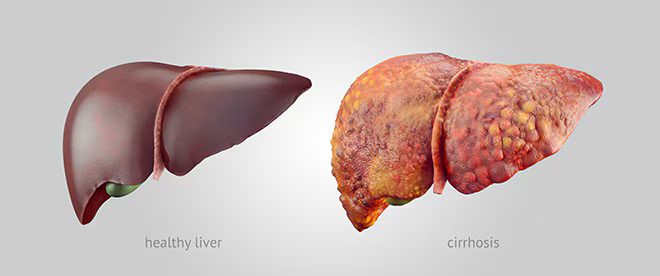
Alcohol, metabolic dysfunction, viruses, medicines, supplements, and immune conditions can injure the liver in different ways.
Autoimmune hepatitis occurs when the immune system mistakenly attacks the liver. Drug-induced liver injury may result from prescription medicines, over-the-counter products, herbs, or dietary supplements. Less common causes include inherited disorders that affect iron or copper handling, blocked bile flow, and reduced blood supply to the liver.
Because these causes differ so much, guessing can delay the right care. Be ready to share every medicine, supplement, tea, powder, and alcohol-containing product you use. The timing of an exposure can offer an important clue.
Why the Cause Determines the Treatment
The most effective way to reduce liver inflammation is to remove or control its specific cause. A general "liver cleanse" cannot replace that step, and no food, drink, or supplement treats every form of hepatitis.
For viral hepatitis, the plan depends on the virus. Hepatitis A usually receives supportive medical care while the infection runs its course. Chronic hepatitis B may require monitoring or antiviral medicine. Modern antiviral medicines can cure most hepatitis C infections, but testing and a prescription are required.
For alcohol-related inflammation, stopping alcohol is central. If you drink heavily or experience shaking, sweating, anxiety, nausea, or seizures when you stop, do not attempt withdrawal alone. Alcohol withdrawal can be dangerous and may require supervised treatment.
MASLD care often focuses on weight, blood sugar, cholesterol, blood pressure, food quality, and physical activity. Some people with more advanced disease may qualify for prescription treatment. Mayo Clinic notes that lifestyle changes remain central to managing MASLD, although the plan should reflect your health and disease stage.

The right treatment depends on whether liver injury comes from an infection, alcohol, metabolic factors, medication, or another cause.
Autoimmune hepatitis generally requires prescription medicine that reduces immune activity. Suspected drug-induced injury may require stopping the responsible product, but do not stop an essential prescription on your own. Contact the prescriber promptly.
This is why a diagnosis matters. A step that helps one cause may do nothing for another, and it may occasionally make the situation worse.
What the Evidence Supports: Alcohol, Weight, Metabolic Health
If alcohol is contributing to liver injury, avoiding it gives the liver the best chance to recover. People with diagnosed liver disease should ask their clinician whether complete abstinence is needed. There is no special drink that repairs an inflamed liver, and water does not "flush" liver toxins. Good hydration supports normal body function, but it is not a treatment.
For MASLD, gradual weight loss can reduce liver fat and improve inflammation in people who have excess weight. Even modest loss may help liver fat, while larger sustainable changes may be needed to improve inflammation and scarring. Avoid crash diets. Rapid weight loss and severe restriction can create nutritional problems and may add stress to the liver.
A Mediterranean-style eating pattern is a practical starting point. Build meals around vegetables, fruit, beans, whole grains, nuts, olive oil, fish, and other lean proteins. Limit sugary drinks, heavily processed foods, refined carbohydrates, and large amounts of saturated fat. You do not need a list of "detox foods." The overall pattern matters more than any single ingredient.
Balanced meals, regular movement, and gradual weight management can support metabolic and liver health when recommended by your care team.
Regular physical activity can reduce liver fat and improve insulin sensitivity, which means your cells respond better to insulin. A common general goal is at least 150 minutes of moderate activity each week, plus strength training, but your doctor may adjust that target if you have advanced disease or other limitations.
Coffee intake has been associated with better liver outcomes in some observational research, but it is not a cure and may not suit everyone. Consistent habits and treatment of diabetes, cholesterol, and blood pressure matter far more than quick fixes.
Supplements That Can Harm the Liver
"Natural" does not mean harmless. Herbal and dietary supplements are a leading cause of drug-induced liver injury in the United States, and injury can range from temporary enzyme elevations to acute liver failure. Risk can be difficult to predict because products may contain concentrated extracts, several active ingredients, contaminants, or amounts that differ from the label.
Documented examples include green tea extract, especially concentrated products used for weight loss, kava, and high-dose niacin. Multi-ingredient bodybuilding and weight-loss supplements have also been repeatedly linked with liver injury. Ordinary brewed green tea is not the same as a concentrated extract, and niacin in food or a standard multivitamin is not the same as a high therapeutic dose.
Acetaminophen can also cause severe liver damage if too much is taken. It appears in many pain, cold, flu, and sleep products, so accidental overlap is possible. Alcohol can increase risk in some situations. Follow label directions and ask a pharmacist to check combination products.
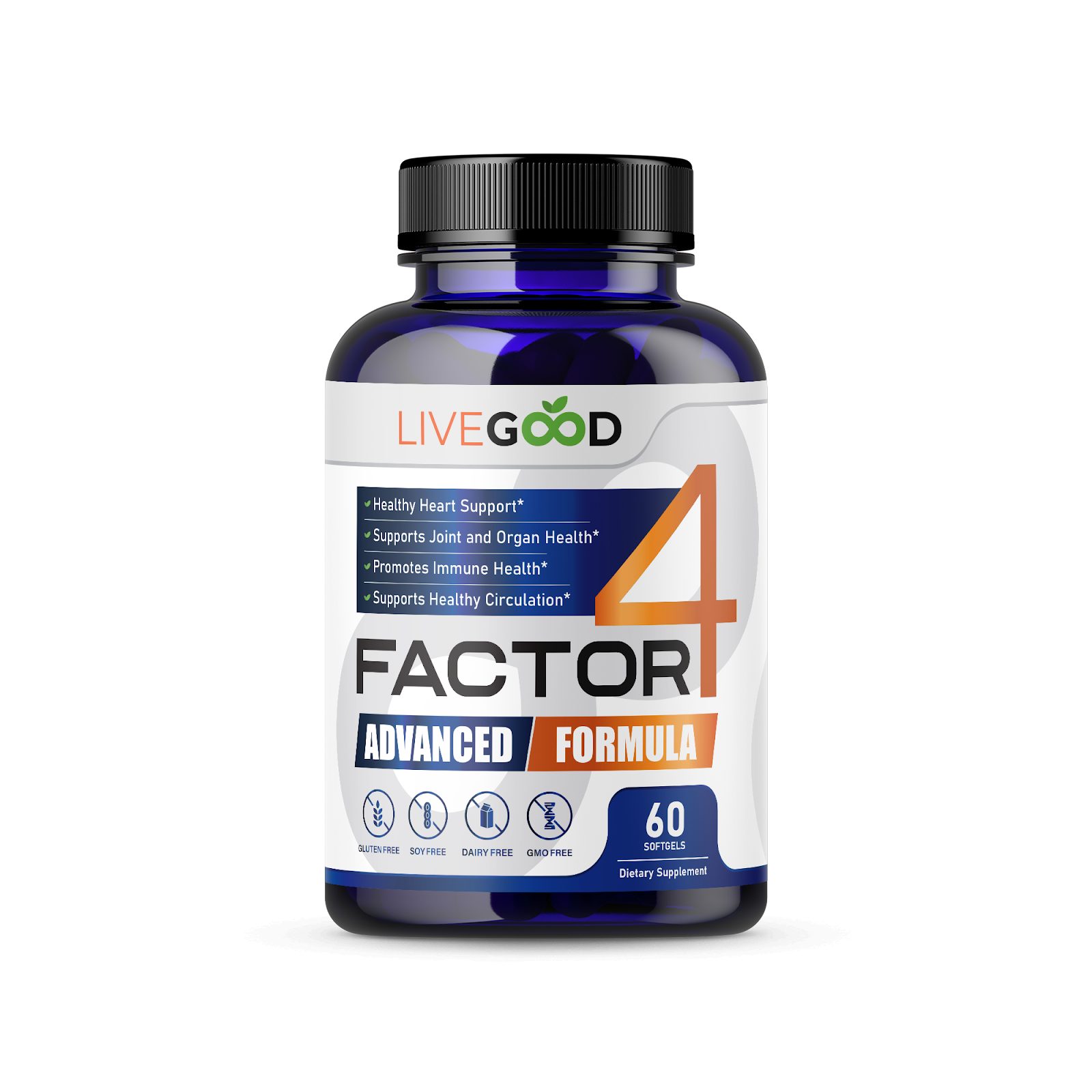
Review every medicine, herb, powder, and dietary supplement with your healthcare team when liver enzymes are elevated.
Do not use a supplement to self-treat abnormal liver tests. Avoid stacking several "detox" products, and tell your medical team about everything you take. Stop using a nonessential supplement and seek prompt advice if you develop jaundice, dark urine, severe itching, persistent vomiting, or unusual fatigue. Never stop a prescribed medicine without speaking with the prescriber unless emergency services direct you to do so.
LiveGood Liver Support is a daily formula designed to support the liver's natural detoxification, defenses, and regenerative processes. The liver performs more than 500 essential functions. The formula combines milk thistle, turmeric, dandelion root, NAC, TUDCA, grass-fed ox bile, alpha lipoic acid, and key minerals. It costs $14.95 for members versus $29.95 retail, supporting the idea that wellness should not be a luxury. It is not a treatment for any liver condition. Anyone with diagnosed liver disease should ask their doctor before taking it or any supplement.
Why Liver Disease Needs Monitoring
Liver disease can progress quietly. You may feel normal while inflammation, fat buildup, or scarring continues. Monitoring helps your clinician see whether the liver is improving, staying stable, or losing function.
ALT and AST are enzymes that can rise when liver cells are injured. They are useful clues, but they are not a complete measure of liver function. Enzyme levels can fluctuate, and advanced disease can sometimes exist without dramatic elevations. Tests such as bilirubin, albumin, platelet count, and INR provide other information about bile processing, protein production, clotting, and possible scarring.
Your clinician may repeat blood tests, order an ultrasound, or use elastography. Elastography is a noninvasive scan that estimates liver stiffness, which can suggest fibrosis. Some people need viral testing, immune markers, iron studies, medication review, or a biopsy, where a small tissue sample is examined.
Anyone with raised liver enzymes must be under medical care. Follow-up timing depends on how high the results are, your symptoms, medication exposures, and other findings. Do not wait for pain. The liver itself has few pain-sensing nerves, so discomfort is an unreliable measure of severity.
Seek urgent care for yellow skin or eyes, confusion, vomiting blood, black stools, severe abdominal swelling, fainting, intense upper abdominal pain, or an overdose of acetaminophen or another substance. Early evaluation creates more options. It also helps you avoid unnecessary restrictions, unproven remedies, and supplements that could add to the injury.
Frequently Asked Questions
Can liver inflammation be reversed?
Early liver inflammation can often improve when the cause is removed or controlled. Fat buildup related to alcohol or metabolic dysfunction may be reversible, and some infections can be treated successfully. Advanced cirrhosis is less likely to reverse, but treatment may still prevent further injury. Your outlook depends on the diagnosis, the amount of scarring, and how quickly effective care begins.
How do you reduce liver inflammation?
You reduce liver inflammation by identifying and addressing what is injuring the liver. That may mean avoiding alcohol, treating viral hepatitis, improving metabolic health, managing an autoimmune condition, or changing a harmful medicine under medical supervision. Balanced meals, regular activity, and gradual weight management can help in MASLD. Supplements should not be used as a substitute for evaluation or prescribed treatment.
What causes an inflamed liver?
An inflamed liver can result from viruses, alcohol, metabolic fat buildup, autoimmune disease, medications, or dietary supplements. Less common causes include inherited iron or copper disorders and blocked bile flow. Symptoms and liver enzyme results cannot reliably distinguish among these conditions. A clinician may use blood tests, imaging, exposure history, and occasionally a biopsy to find the cause.
Can supplements damage the liver?
Yes, supplements can cause serious liver injury. Green tea extract, kava, high-dose niacin, and some multi-ingredient weight-loss or bodybuilding products are documented examples. Risk may also come from contamination, undisclosed ingredients, or interactions with medicines. If you have liver disease, take prescriptions, are pregnant or breastfeeding, or have another medical condition, review every supplement with your doctor first.
When should you see a doctor about liver enzymes?
You should see a doctor whenever testing shows raised liver enzymes, even if you feel well. Prompt evaluation is especially important when results are significantly elevated or accompanied by jaundice, dark urine, vomiting, confusion, swelling, or abdominal pain. Bring a complete list of medicines, supplements, and alcohol use. Follow-up testing helps determine whether the injury is temporary, ongoing, or affecting liver function.