
Magnesium for Men: What It Does
 Written by Nauder Khazan
Ask AI about this article and Ultra Magnesium Complex






Magnesium helps your muscles contract and relax, keeps nerve signals moving, and supports the reactions that turn food into usable energy. Men who fall short may benefit from improving their intake, but magnesium is not a proven testosterone booster or a shortcut to better training. Here is what the research supports, where it remains uncertain, and how to compare supplement forms.
Key Takeaways
- Start with the essential roles: Magnesium supports normal muscle function, nerve signaling, energy metabolism, bone structure, and heart rhythm.
- Check your overall intake: Adult men generally need 400-420 mg daily from food, supplements, or both, depending on age.
- Keep training claims realistic: Correcting a low intake may support normal function, but magnesium does not reliably prevent cramps or improve performance in men who already get enough.
- Treat sleep evidence cautiously: Magnesium may support sleep quality in some people, especially older adults or those with low intake, but studies are mixed.
- Look beyond the front label: Magnesium glycinate and citrate are generally absorbed better than oxide, while tolerance and elemental magnesium also matter.
What Magnesium Actually Does
Magnesium is an essential mineral, meaning your body needs it but cannot make it. It participates in more than 300 enzyme reactions. Enzymes are proteins that help chemical processes happen efficiently, from producing energy to building new proteins.
For men, the most relevant roles are not especially male-specific. Magnesium helps nerves send messages and muscles respond to those messages. It works alongside calcium in normal muscle contraction and relaxation. It also helps maintain electrolyte balance, which supports regular nerve and muscle activity.
Magnesium contributes to ATP production too. ATP is the small molecule your cells use as immediate energy. This does not mean a magnesium capsule acts like caffeine. If your intake is low, getting enough helps normal energy metabolism work as intended. Taking extra beyond your needs is unlikely to create an additional energy surge.
About half of the magnesium in the body is stored in bone. The rest is mainly in muscles and other soft tissues, with less than 1 percent circulating in the blood. Magnesium also supports normal protein production, DNA maintenance, glucose metabolism, and heart rhythm. Harvard Health offers a useful overview of these broad roles and daily needs.

Magnesium supports hundreds of everyday reactions involved in muscles, nerves, energy metabolism, and bone structure.
These functions explain why magnesium matters. They do not mean larger supplemental amounts produce larger benefits. The main goal is adequacy, not excess.
Are Men Actually Short of It?
Many men consume less magnesium than recommended, but low dietary intake is not the same as a diagnosed deficiency. Adult men ages 19-30 generally need 400 mg per day. At age 31 and older, the recommended amount rises to 420 mg. That total can come from food and supplements combined.
Good food sources include pumpkin seeds, almonds, cashews, beans, lentils, spinach, whole grains, avocado, and some fortified foods. A varied diet can provide enough, but highly refined eating patterns make the target harder to reach. Processing grains often removes magnesium-rich parts of the kernel.
Risk can also rise with age, long-term digestive problems, heavy alcohol use, or certain medications. Some medicines can affect magnesium absorption or losses. If you take prescription medication, talk to your doctor or pharmacist before adding a supplement.
Possible signs of significant deficiency include poor appetite, nausea, fatigue, weakness, numbness, tingling, muscle contractions, or an abnormal heart rhythm. These symptoms have many possible causes, so they cannot tell you by themselves that you need magnesium. Seek medical advice rather than trying to diagnose a deficiency from a symptom list.

Seeds, nuts, beans, leafy greens, and whole grains are practical ways to increase dietary magnesium.
A standard blood test has limits because very little magnesium is stored in the blood. Your doctor may interpret it alongside your health history, diet, symptoms, and other tests. For most men, a practical first step is to review several typical days of eating and identify where magnesium-rich foods could fit consistently.
Muscle Function, Cramps and Training
Magnesium is necessary for normal muscle contraction, relaxation, and nerve communication. That basic biology sometimes gets turned into a much bigger promise, such as guaranteed strength gains, faster recovery, or freedom from cramps. The research does not support those claims for every active man.
If you have low magnesium status, correcting it may help restore normal muscle function. Athletes can also lose small amounts through sweat, and demanding training increases the importance of an adequate overall diet. But more magnesium is not automatically better. Studies in people who already consume enough have not consistently found meaningful improvements in strength, endurance, or recovery from extra supplementation.
Muscle cramps are similarly complicated. Cramps can be related to fatigue, training load, dehydration, nerve irritation, medication, circulation, or electrolyte changes. Magnesium supplements do not consistently prevent ordinary exercise-associated cramps. Persistent, severe, or unexplained cramps deserve medical attention rather than progressively larger supplement servings.

Adequate magnesium supports normal muscle function, but training results still depend on nutrition, hydration, sleep, and recovery.
For training support, focus first on enough calories, protein, carbohydrates, fluids, sodium, sleep, and recovery time. Magnesium-rich foods can be part of that foundation. A bowl with whole grains, beans, leafy greens, and seeds contributes magnesium along with protein, fiber, and other nutrients.
If you use a supplement, follow the label rather than taking extra before a workout. Magnesium is not a fast-acting pre-workout ingredient. Consistency and total intake matter more than timing, and high amounts can cause diarrhea that disrupts training instead of supporting it.
Sleep Quality
Magnesium helps regulate nerve activity and supports normal muscle relaxation, so it has a plausible connection to sleep. Some research suggests supplementation may improve certain sleep measures, particularly in older adults or people whose intake is low. However, the studies are generally small, use different forms and amounts, and do not all reach the same conclusion.
That means magnesium may be a helpful part of an evening routine for some men, but it should not be presented as a treatment for insomnia. You may notice easier relaxation or better sleep quality, no obvious change, or digestive discomfort that makes sleep worse. A lack of a noticeable sensation does not necessarily reveal whether your diet was adequate.

An evening magnesium routine may support relaxation for some people, although sleep research remains mixed.
Timing is mostly about consistency and tolerance. If the label permits it, taking magnesium with an evening meal may be convenient and gentler on the stomach. Follow the product directions rather than copying the serving used in a study. Glycinate is often chosen for evening use because many people find it easier on digestion, not because it has been proven to make everyone sleep better.
Sleep basics still matter more. Keep a regular schedule, make the room dark and cool, limit late caffeine and alcohol, and allow enough time in bed. If poor sleep lasts for weeks, causes heavy daytime sleepiness, or comes with loud snoring or gasping, talk to your doctor. A supplement should not delay evaluation of an underlying problem.
The Testosterone Research in Context
Magnesium is involved in processes that support normal hormone function, but that does not establish that supplementation raises testosterone in the average man. The studies commonly used to make that claim are small. Some involve athletes, older adults, or people with low magnesium status rather than a broad group of healthy men.
A few studies have reported changes in total or free testosterone after magnesium intake, sometimes alongside exercise. Free testosterone means the portion not tightly bound to carrier proteins in the blood. Those findings are interesting, but they have not been established across large, well-controlled trials. Exercise, age, body composition, sleep, illness, nutrient status, and the time of blood collection can all affect testosterone measurements.
Current research does not establish magnesium as a reliable testosterone booster for men who already get enough.
The most reasonable conclusion is that adequate magnesium supports normal physiology. Correcting a deficiency may help the body function normally, including systems involved in hormone production. That is different from saying extra magnesium boosts testosterone in men who already get enough.
If you have symptoms associated with low testosterone, such as persistent low libido, reduced morning erections, unexplained loss of muscle, or ongoing fatigue, talk to your doctor. Those symptoms can have many causes. Proper evaluation usually requires a health history and correctly timed blood tests, not a trial of increasingly high supplement amounts.
This is part of honest, evidence-grounded wellness education. A useful supplement can support a consistent routine without being promoted as a hormonal shortcut or a replacement for medical care.
Forms: Glycinate, Citrate, Oxide and Malate
A magnesium compound combines magnesium with another substance so it can be used in a tablet, capsule, or powder. The form affects absorption, serving size, and digestive tolerance. It is also important to check elemental magnesium, which is the actual amount of magnesium listed in the Supplement Facts panel.
| Form | Absorption and practical use | Digestive considerations |
|---|---|---|
| Magnesium glycinate | Generally well absorbed and commonly chosen for daily or evening use. Glycine is an amino acid, one of the building blocks of protein. | Often well tolerated, though any form can cause stomach symptoms. |
| Magnesium citrate | Generally absorbed better than oxide and widely available. It can be a practical choice when cost and absorption both matter. | More likely to loosen stools, especially at higher supplemental amounts. |
| Magnesium oxide | Contains a high percentage of elemental magnesium by weight, but the body absorbs it poorly compared with several other forms. | Commonly has a laxative effect and may cause cramping or diarrhea. |
| Magnesium malate | Combines magnesium with malic acid. It is often marketed for daytime use, but direct evidence showing a unique benefit is limited. | Tolerance varies, and research comparing it with other forms is limited. |
There is no single best form for every man. Glycinate may suit someone prioritizing digestive comfort. Citrate may be useful if looser stools are acceptable. Oxide is common and inexpensive, but its lower absorption makes the large front-label number less informative. For a closer comparison, see our magnesium glycinate vs. citrate guide.
The adult upper limit for magnesium from supplements and medications is 350 mg per day unless a healthcare professional recommends otherwise. This limit does not include magnesium naturally present in food. Too much supplemental magnesium commonly causes diarrhea, nausea, and abdominal cramping. People with kidney disease must not supplement without medical advice because impaired kidneys may be unable to clear excess magnesium. Talk to your doctor before use if you have an existing medical condition, take prescription medication, or are pregnant or breastfeeding.
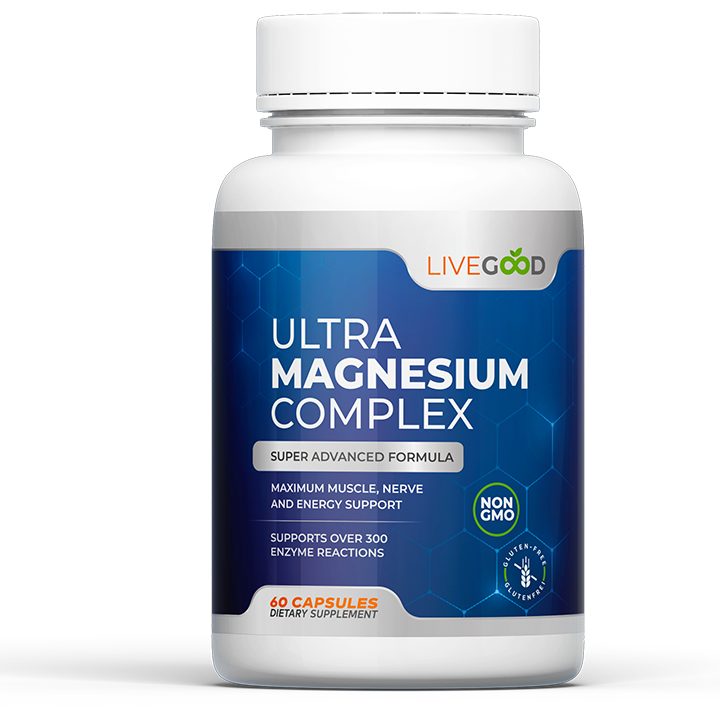
LiveGood's number one seller, Ultra Magnesium Complex, is formulated with the two most bioavailable forms of magnesium, Magnesium Glycinate and Magnesium Gluconate. Magnesium is involved in over 300 biochemical reactions each day, and most people are not getting enough, even with a balanced diet. Follow the label directions as part of a consistent routine. It is $9.95 for members versus $19.95 retail, helping make everyday wellness more accessible because wellness should not be a luxury.
Frequently Asked Questions
What does magnesium do for men?
Magnesium supports normal muscle and nerve function, energy production, protein synthesis, bone structure, and heart rhythm in men. These jobs are essential, but they are not unique to male biology. Getting enough is most helpful when your diet is low. Taking more than your body needs has not been shown to create unlimited energy, strength, recovery, or other added benefits.
Does magnesium increase testosterone?
Magnesium has not been shown to reliably increase testosterone in the general male population. A few small studies have found changes in certain groups, including athletes, older adults, or people with low magnesium status. That evidence is not strong enough to promise a boost. Correcting a deficiency supports normal body function, but unexplained hormonal symptoms should be evaluated by a doctor.
How much magnesium do men need?
Adult men ages 19-30 generally need 400 mg of magnesium daily, while men age 31 and older need 420 mg. This total includes both food and supplements. The upper limit for magnesium from supplements and medications is 350 mg per day unless a healthcare professional advises otherwise. Magnesium naturally found in foods does not count toward that supplemental limit.
Which form of magnesium is best?
Magnesium glycinate is often a good choice when absorption and digestive comfort are priorities, while citrate is also well absorbed but may loosen stools. Oxide is common and contains plenty of magnesium by weight, yet relatively little is absorbed. Malate is another option, although evidence for unique benefits is limited. Compare elemental magnesium, tolerance, price, and label directions rather than relying on marketing terms.
Can you take too much magnesium?
Yes, excessive supplemental magnesium can cause diarrhea, nausea, and abdominal cramping, with more serious effects possible at very high amounts. Food sources generally do not create this problem in healthy people. Anyone with kidney disease must avoid magnesium supplements unless a doctor approves them, since the kidneys may not clear excess efficiently. Medication users should also ask a doctor or pharmacist about interactions.