
Maqui Berry Powder: Benefits and How to Use It
 Written by Ben Glinsky
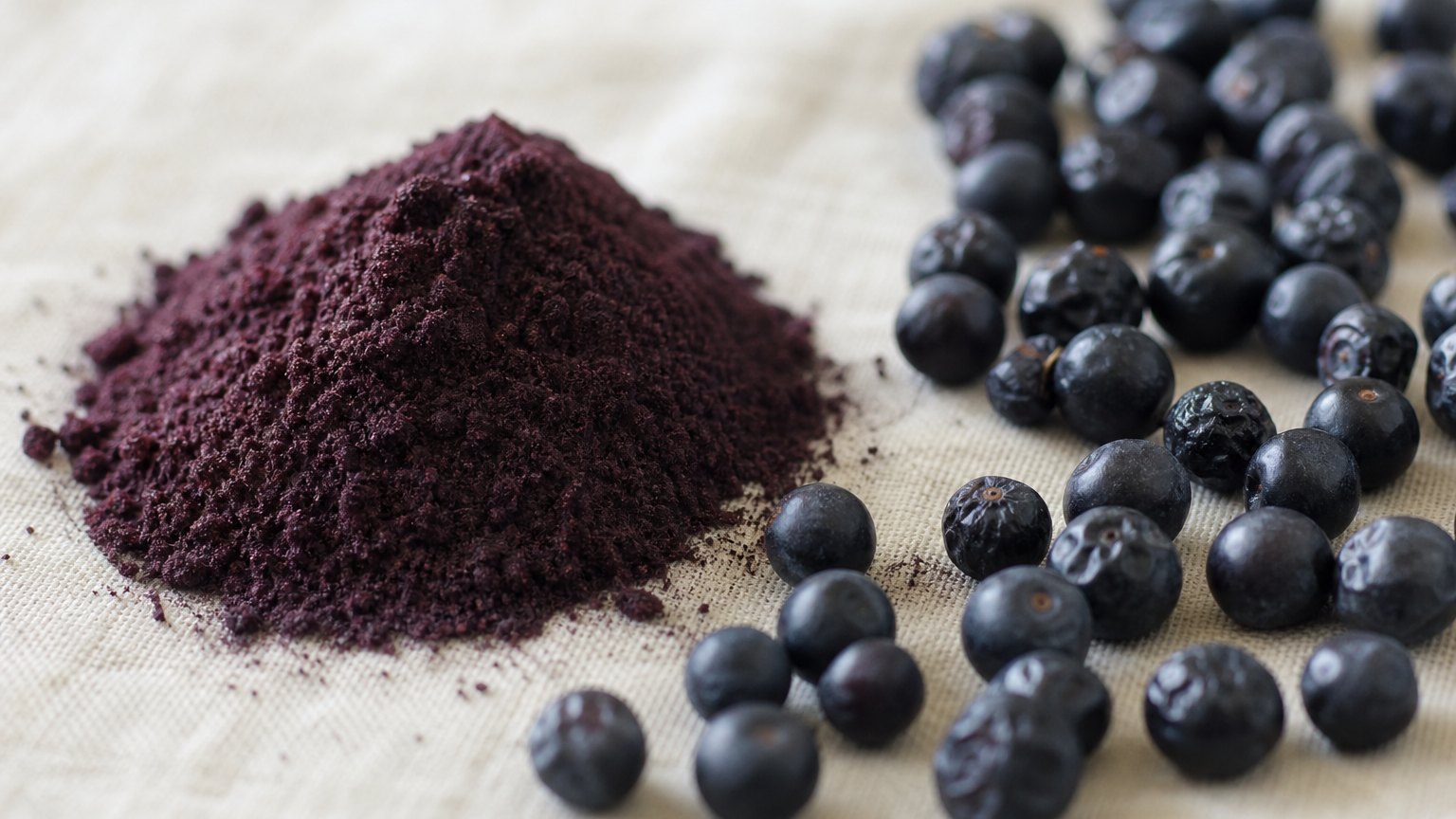
Maqui berry powder provides concentrated berry pigments called anthocyanins, including notable amounts of delphinidins. Small human trials have examined standardized maqui extracts for tear production and post-meal glucose, but those findings do not prove that ordinary powder has the same effects. Here is what the evidence shows, what it does not, and how to use the powder practically.
Key Takeaways
- Rich in anthocyanins: Maqui's deep purple color comes from plant pigments, particularly delphinidin compounds.
- Research remains limited: Small trials have studied standardized extracts, not typical whole-fruit powder.
- ORAC needs context: A high laboratory antioxidant score does not predict what a food will do inside your body.
- Easy to add: Maqui powder works well in smoothies, yogurt, oatmeal, and other cool foods.
- Quality varies: Look for clear sourcing, careful packaging, and independent contaminant testing.
What Maqui Berry Is
Maqui is a small, dark purple berry from the plant Aristotelia chilensis. It grows in parts of southern Chile and Argentina and has a long history of use among the Mapuche people. You may see it marketed as a "superfruit," although that term has no scientific or regulatory definition.
Fresh maqui berries are highly perishable and rarely available outside their growing region. For wider distribution, producers commonly turn the fruit into juice, powder, capsules, or concentrated extract. Maqui berry powder is usually made by drying and grinding the fruit. Freeze-drying is often used because it removes moisture at a low temperature, helping preserve color and sensitive plant compounds.
Whole-fruit powder is not the same as a standardized extract. Powder may retain some natural fiber and a wider mixture of fruit compounds. An extract is processed to concentrate selected compounds, and its label may identify a specific anthocyanin or delphinidin amount. A spoonful of powder therefore cannot be assumed to match a capsule used in a clinical trial.
Maqui powder has a tart, mildly earthy berry flavor. Its exact nutrient content depends on the fruit, growing conditions, processing method, and serving size. Claims that every powder supplies a particular amount of vitamin C, fiber, or anthocyanins should be checked against the individual product label or testing data.
Maqui is a deeply colored South American berry commonly preserved as powder for use outside its growing region.
Anthocyanins and ORAC Scores in Context
Anthocyanins are natural pigments that give blueberries, blackberries, purple cabbage, and maqui their red, blue, or purple color. They belong to a larger family of plant compounds called polyphenols. Maqui is especially notable for delphinidin-based anthocyanins, which contribute to its intense purple appearance.
In laboratory experiments, anthocyanins can act as antioxidants. Antioxidants interact with free radicals, which are unstable molecules produced through normal metabolism and environmental exposures. When free-radical activity exceeds the body's ability to manage it, researchers call that imbalance oxidative stress.
You may also see maqui promoted using an ORAC score. ORAC stands for Oxygen Radical Absorbance Capacity. It is a test-tube method that measures how a sample handles certain free radicals under laboratory conditions. It does not show how much of a compound you absorb, how your body changes it during digestion, or whether it produces a meaningful health result.
The USDA withdrew its public ORAC database in 2012 because evidence showed that these laboratory values did not predict the health effects of foods in people. That makes comparisons such as "three times more antioxidant power" far less useful than they sound.
A high anthocyanin content can still make maqui an interesting fruit ingredient. It simply should not be turned into a promise about disease prevention, slower aging, or guaranteed results. Honest, evidence-grounded education separates a food's chemical composition from outcomes that have actually been demonstrated in human studies.

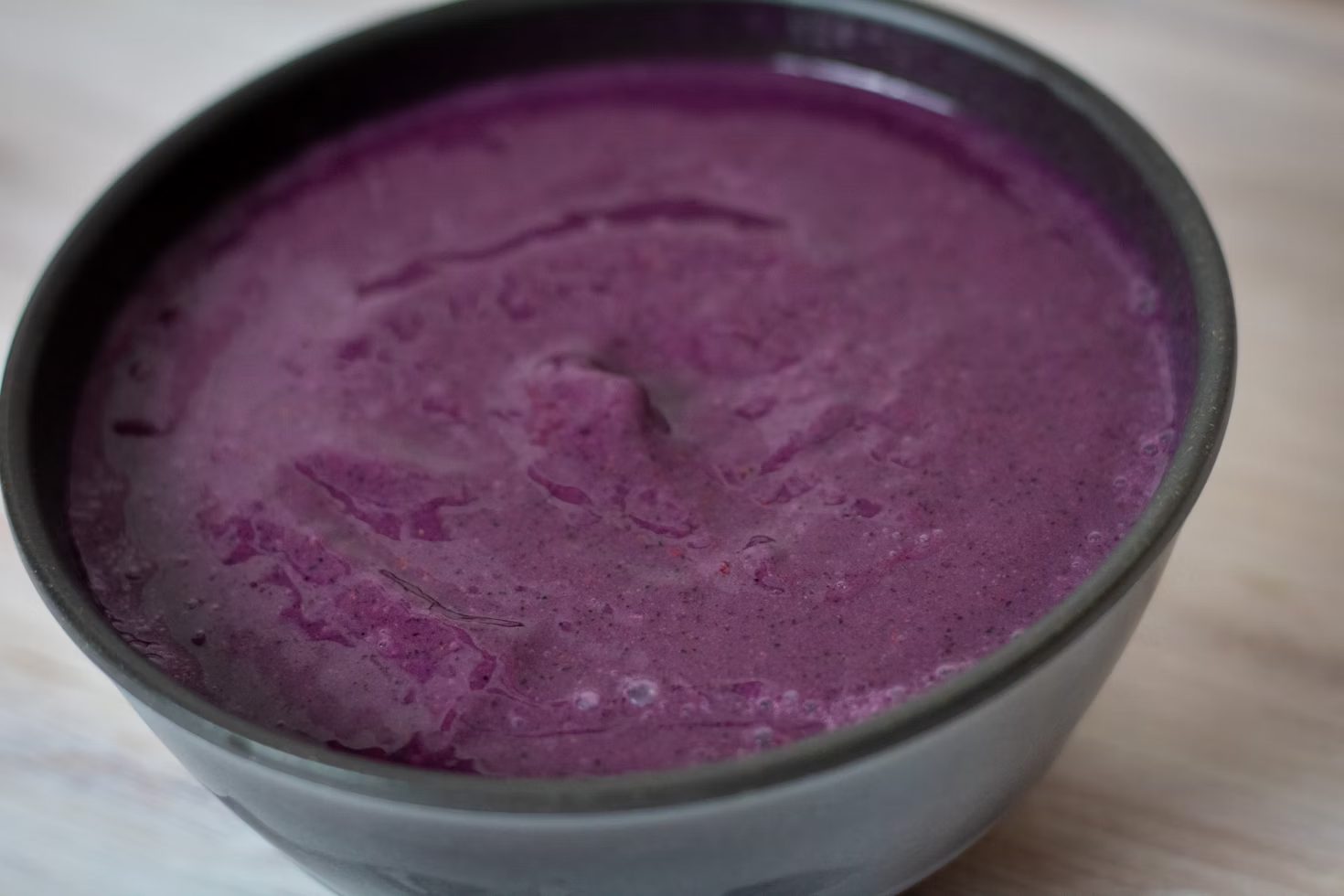
Maqui's purple color reflects its anthocyanin content, but laboratory antioxidant scores do not predict health outcomes.
What the Small Human Trials Measured
Most human research on maqui has tested branded, standardized extracts rather than grocery-style berry powder. That distinction matters because an extract can deliver a measured concentration of delphinidins in a small dose. Whole-fruit powders may vary substantially from batch to batch.
Dry-eye research includes an early pilot trial involving 13 people with moderately dry eyes. Participants took either 30 or 60 mg of a standardized maqui extract daily for 60 days. Researchers measured tear production and symptom scores, and they reported improvements. However, the study was tiny, so it could not establish how consistently the extract works across a broader population.
A later randomized, placebo-controlled trial included 74 adults with dry-eye symptoms. It tested 60 mg of a standardized extract daily for four weeks. Researchers reported greater tear production and improved symptom scores compared with placebo. This is more informative than an uncontrolled pilot, but it was still a short study of one specific extract. It does not show that any maqui powder will relieve dry eyes.
A separate crossover study gave 10 healthy adults a single 200 mg dose of standardized maqui extract before an oral glucose tolerance test, a test involving a measured glucose drink. Researchers tracked glucose and insulin over time and reported differences at some post-drink measurements. The study was extremely small, short-term, and conducted in healthy participants. It did not test diabetes treatment or long-term glucose control.
These results are promising starting points, not firm conclusions. Larger independent trials are needed, especially trials using ordinary maqui berry powder at clearly measured anthocyanin levels.
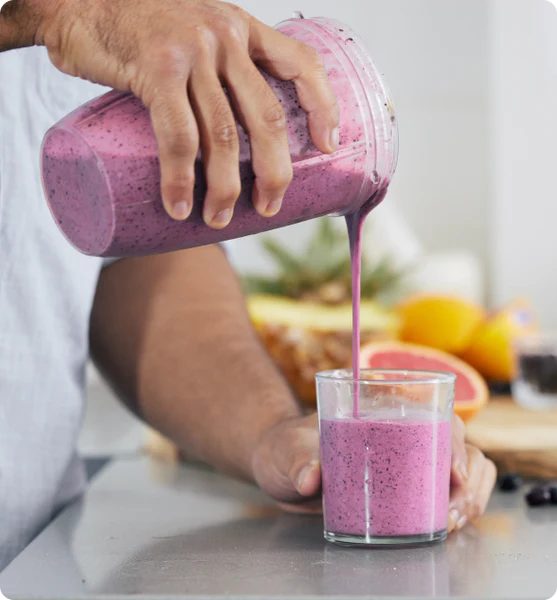
Human trials have mainly tested measured doses of standardized maqui extract rather than ordinary whole-fruit powder.
How to Use the Powder
Maqui berry powder is easiest to use as a colorful food ingredient. Follow the serving directions on your package because concentration and scoop size vary. There is no scientifically established daily amount for general wellness, and a powder serving should not be increased just to imitate the milligram dose of an extract study.
Try mixing the powder into:
- A smoothie with banana, berries, yogurt, or milk
- Plain yogurt or kefir
- Overnight oats or cooled oatmeal
- Chia pudding
- A smoothie bowl
- Water or juice, if you do not mind some settling
- Homemade snack bites or no-bake bars
The powder can clump when added directly to liquid. Stirring it into a small amount of liquid first creates a paste that is easier to blend. A shaker bottle or blender also helps. Because the pigment is strong, expect it to stain light-colored clothing, porous countertops, and some reusable containers.
Anthocyanins can be affected by prolonged heat. If preserving the fruit's color and plant compounds is your priority, add maqui after oatmeal has cooled slightly or use it in refrigerated foods. Baking with it is still possible, but the finished color and anthocyanin content may change.
There is no well-supported best time of day to take maqui. Breakfast is convenient for many people, but consistency matters more than timing. Treat the powder as one part of a varied eating pattern, not a quick fix or a substitute for fruits, vegetables, sleep, movement, and medical care.
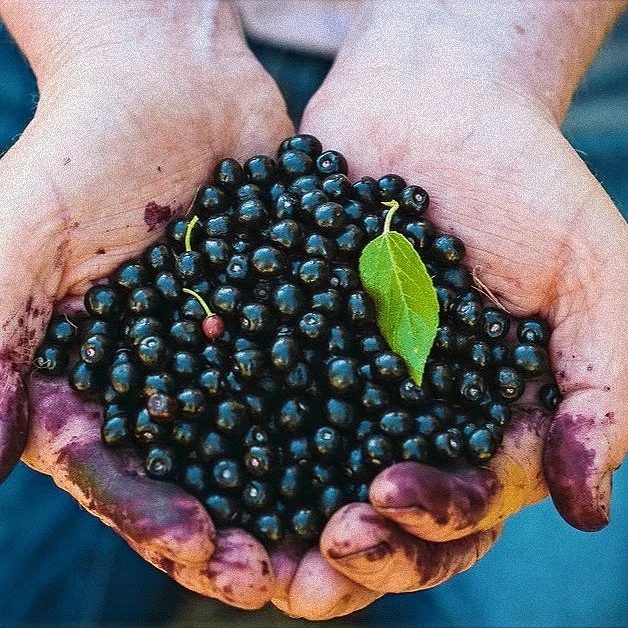
Maqui powder adds tart berry flavor and vivid color to smoothies, yogurt, and cooled breakfast bowls.
Sourcing and Quality
The best maqui powder is one that accurately identifies what is inside and has safeguards against contamination. Start with the ingredient list. A plain product should list maqui berry or Aristotelia chilensis without unnecessary sweeteners, colors, or vague proprietary blends.
Check whether the label says whole-fruit powder, juice powder, or extract. These forms are not interchangeable. Juice powder may contain a carrier such as maltodextrin to prevent clumping. A standardized extract should state which compound is standardized and at what concentration. If a company discusses clinical research on an extract but sells an unstandardized powder, do not assume the products are equivalent.
Useful quality details include the country of origin, drying method, lot number, expiration or best-by date, and contact information for the manufacturer. Independent testing for heavy metals and harmful microbes is especially valuable for concentrated plant powders. If a company advertises third-party testing, look for a named laboratory, certification program, or lot-specific certificate of analysis rather than a general badge with no explanation.
Organic certification can tell you something about agricultural practices, but it does not guarantee anthocyanin potency or freedom from every contaminant. Likewise, a very high ORAC number is not proof of better quality or stronger effects in people.
Choose powder sold in an opaque, tightly sealed package. Light, heat, air, and moisture can affect its color and quality. Store it according to the label, usually in a cool, dry place, and use a clean, dry spoon.
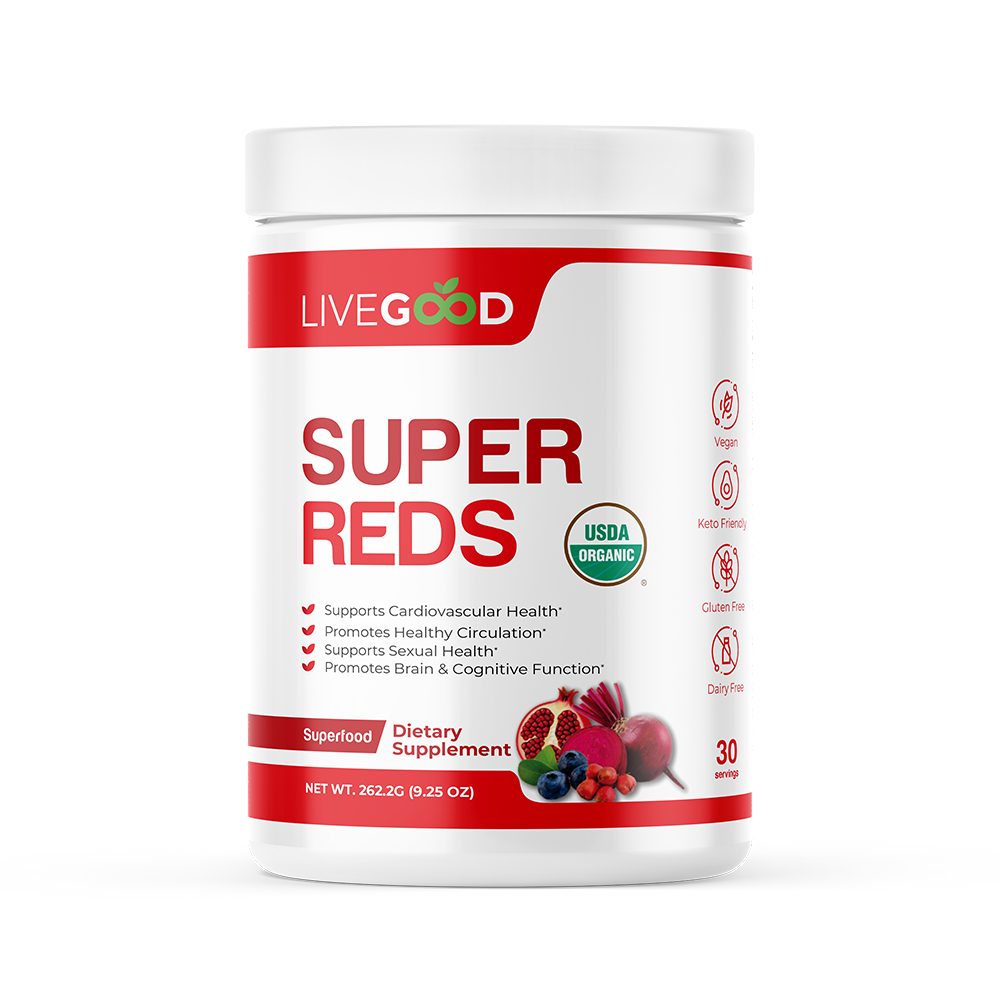
Clear labeling, protective packaging, and independent contaminant testing are useful signs of a carefully sourced powder.
Who Should Be Careful
Maqui fruit appears to be reasonably well tolerated as a food, but detailed safety research on concentrated powders and extracts is limited. Possible reactions have not been mapped as thoroughly as they have for more commonly studied foods.
Digestive discomfort is possible with any new fruit powder, especially when it is taken in a larger serving than the label recommends. Stop using it and seek prompt care if you develop signs of a serious allergic reaction, such as facial swelling, trouble breathing, widespread hives, or throat tightness.
The small glucose study also creates a practical reason for caution if you use insulin or prescription medicine that affects blood sugar. It does not prove that maqui causes dangerous interactions, but the evidence is too limited to rule them out. Ask your doctor or pharmacist before combining maqui with glucose-lowering medication or changing your normal treatment plan.
You should also talk to your doctor before using maqui supplements during pregnancy or breastfeeding. The same guidance applies to children, people with kidney or liver conditions, anyone with an existing medical condition, and anyone taking prescription medication. Food use and concentrated supplemental use can present different levels of exposure.
Do not use maqui powder to replace prescribed treatment for dry eye, diabetes, or another condition. If you have ongoing eye discomfort, unusual thirst, frequent urination, or other persistent symptoms, get appropriate medical advice rather than trying to manage the issue with a berry powder. For questions about your medications, health history, or a specific label, your doctor or pharmacist is the right next step.
Frequently Asked Questions
What are the benefits of maqui berry powder?
Maqui berry powder primarily offers anthocyanins, including delphinidin pigments, as part of a varied diet. Small studies of standardized extracts have reported changes in tear production, dry-eye symptom scores, and glucose measurements after a glucose drink. Those extracts are different from ordinary powder, so there is not enough evidence to promise the same results from a typical powder.
How do you use maqui berry powder?
Use maqui berry powder by following the package directions and mixing it into foods such as smoothies, yogurt, chia pudding, or cooled oatmeal. It can also be stirred into water or juice, although some powder may settle. Blend it well, protect light surfaces from its strong purple pigment, and store the package tightly sealed in a cool, dry location.
Is maqui better than acai?
No, maqui is not clearly better than acai. Both are deeply colored fruits containing anthocyanins, but their exact compounds, flavor, processing, and nutrient profiles differ. Maqui is particularly associated with delphinidins, while acai may provide more fat and calories as a pulp. Human evidence is not strong enough to declare either fruit the superior choice for health.
How much maqui powder per day?
There is no established daily dose of maqui berry powder for general wellness. Follow the serving directions on your product because powders differ in concentration and scoop size. Clinical studies have generally used measured amounts of standardized extract, not teaspoons of whole-fruit powder. Do not increase your serving to copy an extract study without discussing it with your doctor.
Are there side effects of maqui berry?
Maqui may cause digestive discomfort or an allergic reaction in some people, although common side effects have not been well defined. Use extra caution if you take glucose-lowering medicine, are pregnant or breastfeeding, have kidney or liver concerns, or manage another medical condition. Talk to your doctor or pharmacist before using a concentrated powder or extract in these situations.