
Natural Caffeine Alternatives for Energy
 Written by Nauder Khazan
Ask AI about this article and Organic Super Greens





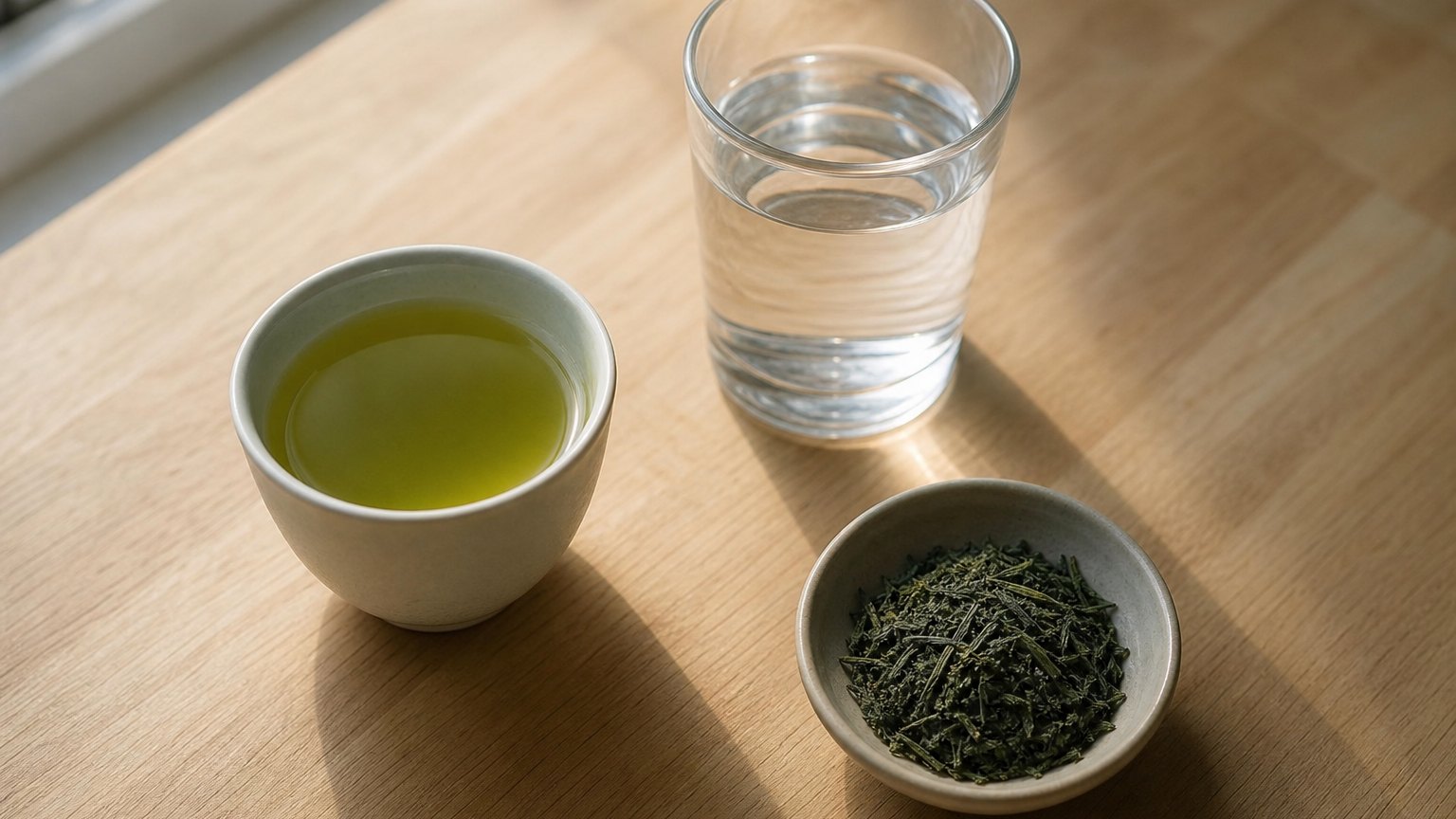
A natural caffeine substitute cannot perfectly copy caffeine, but several habits and lower-caffeine options can help you feel more alert. Light, movement, hydration, balanced meals, and better sleep address common reasons you feel tired, while L-theanine may promote calm focus rather than supply energy.
Key Takeaways
- No exact replacement exists: Caffeine blocks adenosine, a brain signal involved in sleepiness, and caffeine-free options do not reproduce that action.
- Start with daily basics: Morning light, water, movement, protein-rich meals, and consistent sleep can address common energy dips.
- Understand L-theanine: It may promote relaxed attention, but it is not a stimulant and does not create energy.
- Reduce caffeine gradually: A slow taper can make withdrawal headaches and fatigue easier to manage.
- Investigate lasting fatigue: Persistent tiredness can have medical causes and deserves a conversation with your doctor.
Why Nothing Fully Replaces Caffeine
Caffeine helps you feel awake mainly by blocking adenosine receptors. Adenosine is a chemical messenger that builds up in the brain while you are awake and contributes to sleep pressure. When caffeine temporarily gets in its way, you may feel less sleepy even though your body still needs rest.
That mechanism explains why herbs, vitamins, greens powders, lemon water, and other popular alternatives do not feel exactly like coffee. They do not block adenosine in the same way. Some can support a healthy routine, and some provide a pleasant replacement ritual, but calling them caffeine-free stimulants would overstate what they do.
The most useful natural caffeine substitute is often a combination of actions. Get bright light after waking, drink enough fluid, eat regular meals with protein, move your body, and protect your sleep schedule. These steps may sound less exciting than a new supplement, but they address several reasons alertness drops.

Caffeine temporarily masks sleep pressure, while lasting alertness still depends on sleep and daily habits.
Do not use caffeine or supplements to repeatedly cover up unexplained exhaustion. Persistent fatigue may be related to anaemia, thyroid disease, sleep apnoea, medication effects, depression, nutrient deficiencies, or other medical concerns. Talk to your doctor if tiredness is new, severe, worsening, or interfering with daily life. Seek urgent care for fatigue accompanied by chest pain, fainting, severe shortness of breath, or sudden weakness.
L-Theanine and the Calm-Alert Effect
L-theanine is an amino acid found naturally in tea leaves. Amino acids are small compounds that the body uses in many processes. L-theanine is often marketed as a caffeine alternative, but that description needs context. It is not a stimulant, does not block adenosine, and does not provide calories or energy.
Research has more often examined L-theanine together with caffeine than L-theanine alone. Some studies suggest the combination may support attention while reducing the tense or jittery feeling that caffeine can cause. Evidence for a noticeable alertness benefit from L-theanine by itself is less consistent. You may feel calmer, but you should not expect it to keep you awake after inadequate sleep.
That makes L-theanine a caffeine modulator rather than a direct replacement. Someone reducing coffee might choose tea, which naturally contains both caffeine and L-theanine, or use an L-theanine supplement according to its label. The effect is usually described as subtle, not as an immediate surge.

Tea naturally contains L-theanine, which may promote calm attention but does not act as a caffeine-free stimulant.
Talk to your doctor before using an L-theanine supplement if you take prescription medication, are pregnant or breastfeeding, have an existing medical condition, or have kidney or liver concerns. Supplements can fit into a routine, but they cannot compensate for chronic sleep loss or identify the cause of ongoing fatigue.
Light Exposure and the Body Clock
Light is one of the strongest signals for your circadian rhythm, the internal 24-hour clock that helps regulate sleep and wakefulness. Bright light reaching your eyes after waking tells the brain that daytime has started. This can support morning alertness and help your body prepare for sleep at a more predictable time later.
Try going outside soon after you wake up. Outdoor light is generally much brighter than ordinary indoor lighting, even on a cloudy day. A short walk can combine light exposure with gentle movement. Do not stare directly at the sun, and follow medical advice if you have an eye condition or take medication that increases light sensitivity.
The evening matters too. Bright overhead lights and close-up screens late at night can delay the signals that help you wind down. You do not need a perfectly dark house at sunset. Instead, dim unnecessary lights and give yourself a consistent transition toward bedtime.

Outdoor light after waking helps set the body's internal clock for daytime alertness and nighttime sleep.
Light is not a stimulant, so the effect may not feel dramatic. Consistency is the point. Wake at roughly the same time, get daytime light, and reduce intense light near bedtime. Over time, that pattern can make it easier to feel awake during the day without continually chasing another caffeinated drink.
Hydration and the Afternoon Slump
If you have gone several hours without drinking, water is a sensible first response to an afternoon slump. Dehydration can contribute to headache, dizziness, poor concentration, and tiredness. However, drinking extra water will not create a stimulant effect when you are already well hydrated.
Use thirst, urine color, weather, activity, and your doctor's guidance to judge your needs. Pale yellow urine often suggests adequate hydration, although supplements, foods, and medications can change its color. People with kidney, heart, or other medical conditions may need individualized fluid advice rather than a generic target.
Food timing also matters. A lunch built mostly around refined carbohydrates may be digested quickly and leave you hungry again. Try including a protein source, fiber-rich carbohydrate, produce, and some healthy fat. Examples include eggs with whole-grain toast and fruit, yogurt with nuts and berries, or beans with vegetables and brown rice. Protein does not stimulate the brain like caffeine, but it can make a meal more satisfying.

Water and a balanced snack are practical first steps when hunger or dehydration contributes to an afternoon slump.
Before reaching for coffee, try a glass of water and a balanced snack if you are hungry. Then take a brief walk or step outside. This simple sequence addresses hydration, food, movement, and light without pretending any single step is a chemical replacement for caffeine.
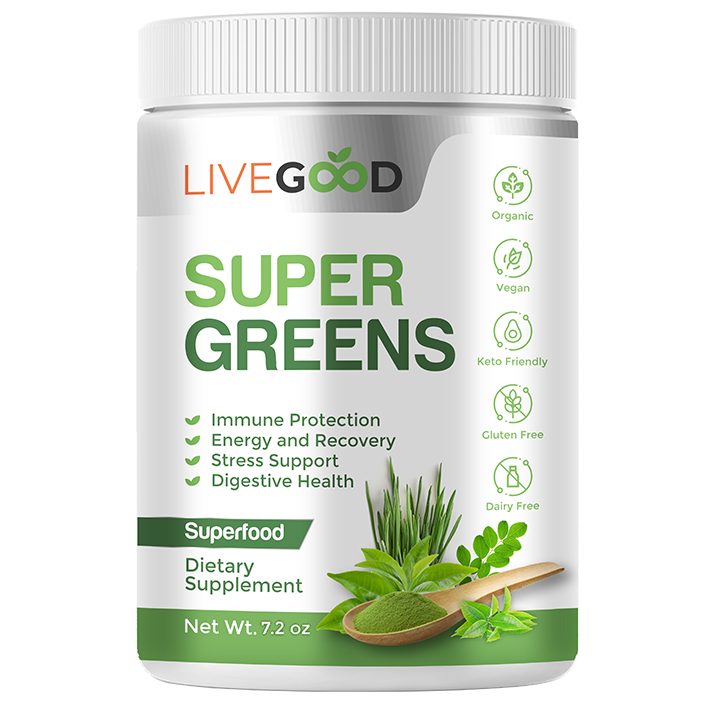
LiveGood Organic Super Greens is a USDA certified organic greens powder designed to help fill nutrient gaps that everyday diets may leave, serving as "a safety net for your health." Mix one delicious scoop a day into water or a smoothie as part of a consistent routine. It is $19.95 for members versus $34.95 retail, helping support the LiveGood promise, "Highest Quality. Lowest Prices. Every Day." It supports nutrition, but it does not replace sleep, meals, or coffee's stimulant effect.
Movement as an Energy Lever
Movement can increase alertness without caffeine, especially when long periods of sitting are part of the problem. Muscle activity raises circulation and gives your nervous system a clear signal that it is time to engage. You do not need an intense workout to use this effect.
Try two to ten minutes of brisk walking, stair climbing, mobility work, or bodyweight movements. If you are working at a desk, stand up, roll your shoulders, and walk to another room. Pairing movement with outdoor light may be particularly practical during a midmorning or afternoon dip.
The benefit may be temporary, but that does not make it unhelpful. A short movement break can interrupt monotony and make returning to a task easier. Regular exercise also supports sleep quality and general health, which may improve daytime functioning over time. Start at a level appropriate for your health and ability.
Movement is not the right response to every kind of fatigue. Stop and seek medical guidance if activity causes chest pain, faintness, unusual shortness of breath, or extreme weakness. If you consistently feel too exhausted for ordinary tasks, investigate the reason rather than forcing yourself through harder workouts. The goal is to use movement as a gentle alertness cue, not as punishment for feeling tired.
Lower-Caffeine Options
You do not have to choose between full-strength coffee and no caffeine at all. Lower-caffeine drinks can provide a gentler step down, although caffeine amounts vary by product, serving size, brewing method, and steeping time.
Green tea usually contains less caffeine than brewed coffee and naturally supplies L-theanine. Matcha also contains both compounds, but it is not caffeine-free. Because you consume powdered tea leaf, its caffeine content can be meaningful and may vary widely. Black tea, yerba mate, and many energy teas also contain caffeine, despite being described as natural alternatives.
Half-caf coffee mixes regular and decaffeinated beans. Decaf coffee contains much less caffeine than standard coffee, but it is not always completely caffeine-free. These choices can preserve the taste and ritual while reducing your intake.
Tea, half-caf coffee, and caffeine-free herbal drinks offer different ways to reduce or replace a coffee ritual.
For a caffeine-free drink, consider rooibos tea, peppermint tea, ginger tea, roasted chicory, or warm milk with spices. Chicory can resemble coffee in flavor, but its inulin fiber may cause gas or bloating in some people. These beverages replace the cup, warmth, and routine, not caffeine's brain effects.
Check labels carefully. Guarana, kola nut, green coffee extract, tea extract, and yerba mate are all caffeine sources. Products marketed for focus or energy may also contain unfamiliar stimulants. "Natural" does not automatically mean stimulant-free or safer. If you take prescription medication, are pregnant or breastfeeding, or have an existing condition, ask your doctor about suitable beverages and supplements.
Tapering Off Caffeine Without a Headache
Caffeine withdrawal headaches are real. Regular caffeine use changes how the brain responds to adenosine. When caffeine suddenly disappears, headaches, sleepiness, irritability, low mood, nausea, and difficulty concentrating can follow. Symptoms often begin within a day and may last several days, although the experience varies.
A gradual taper is usually more comfortable than stopping abruptly. First, estimate your normal intake by checking labels and noting coffee, tea, soda, energy drinks, chocolate, pre-workout products, and medications that contain caffeine. Serving size matters because a large coffee may count as several standard servings.
Then reduce one source or part of a serving at a time. You might blend regular coffee with decaf, order a smaller size, steep tea for less time, or remove the latest caffeinated drink of the day. Hold each change long enough to see how you feel before reducing again. There is no single taper schedule that fits everyone.
Support the transition with regular sleep, morning light, meals, water, and brief movement breaks. Expect some temporary tiredness rather than interpreting every dip as proof that you need caffeine. Avoid replacing coffee with another strong stimulant.
Talk to your doctor if headaches are severe, unusual, persistent, or accompanied by neurological symptoms such as confusion, weakness, or vision changes. You should also seek individualized guidance if caffeine affects an existing medical condition, interacts with prescription medication, or if you are pregnant or breastfeeding.
Frequently Asked Questions
What can you take instead of caffeine for energy?
No supplement or drink reproduces caffeine exactly, but water, a balanced meal, morning light, and brief movement can address common causes of low alertness. L-theanine may support calm attention without acting as a stimulant. If you prefer a beverage ritual, try rooibos, peppermint tea, chicory, or decaf coffee. Persistent fatigue should be discussed with your doctor.
Does L-theanine give you energy?
No, L-theanine does not directly provide energy or work as a stimulant. It is an amino acid from tea that may promote a relaxed, attentive state. Research is stronger for L-theanine combined with caffeine than for L-theanine alone, so do not expect it to replace coffee or compensate for insufficient sleep.
How do you quit caffeine without headaches?
Reduce caffeine gradually instead of stopping all at once. Track every source, then switch to smaller servings, half-caf coffee, or lower-caffeine tea in manageable steps. Keep sleep, meals, and hydration consistent during the taper. Withdrawal headaches can still happen, but a slower reduction is often easier to tolerate than abrupt withdrawal.
Do greens powders replace coffee?
No, greens powders do not replace coffee's stimulant effect. A greens powder can support nutrient intake when used alongside a varied diet, but it does not block adenosine or erase sleepiness. If you enjoy one, mix it according to label directions and treat it as nutritional support, not as a treatment for fatigue or a substitute for adequate sleep.
What causes an afternoon energy crash?
An afternoon slump can reflect your natural body clock, insufficient sleep, dehydration, hunger, prolonged sitting, or the size and balance of lunch. Caffeine wearing off may also contribute. Try water, a protein-rich snack if needed, outdoor light, and a short walk. Frequent or severe fatigue warrants medical evaluation rather than repeated stimulant use.