
Oat Grass Powder: Benefits, Uses and Evidence
 Written by Nauder Khazan
Ask AI about this article and Organic Super Greens





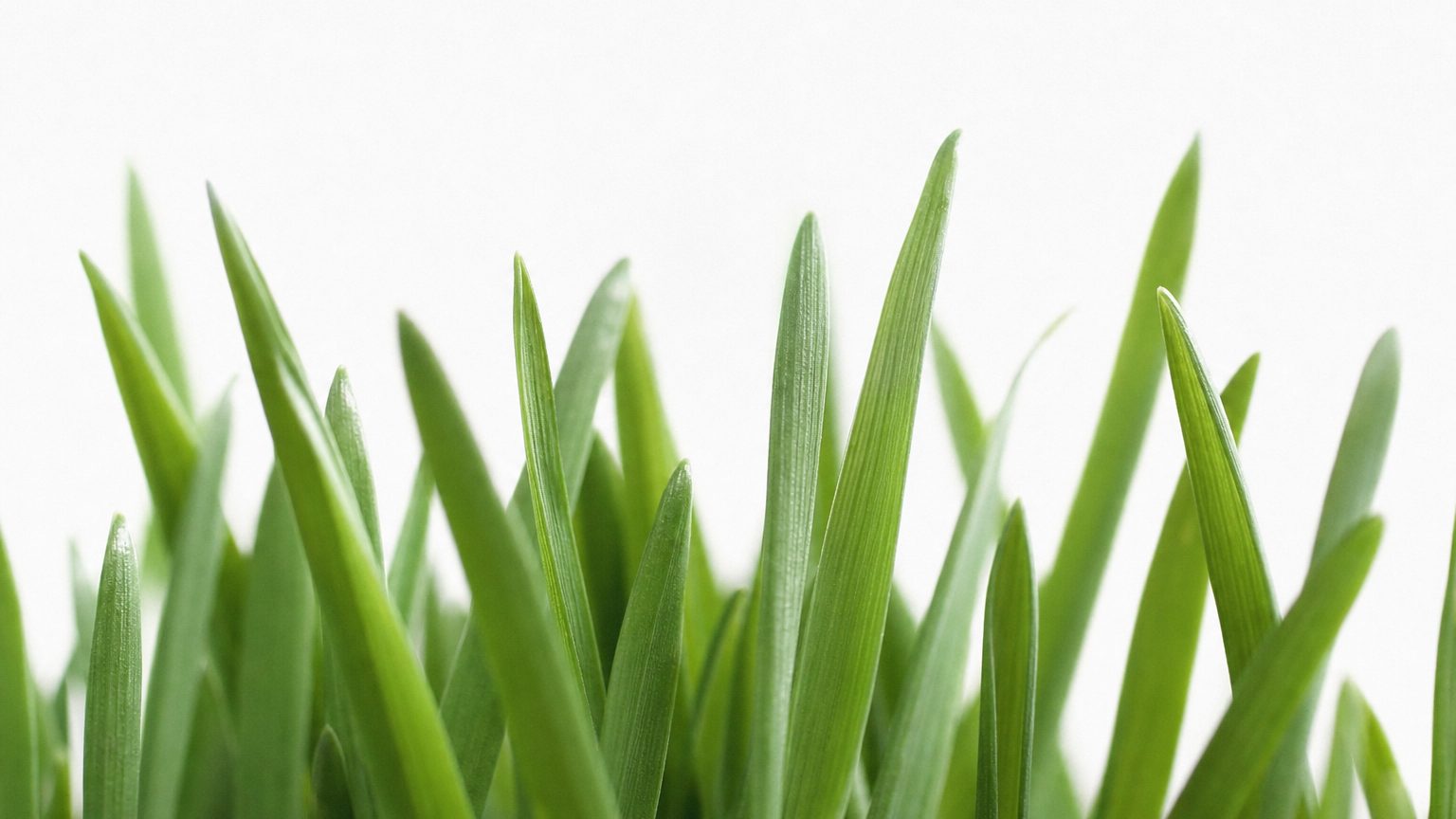
Oat grass powder can add chlorophyll, plant antioxidants and small amounts of certain nutrients to your routine. Its most realistic benefit is nutritional variety, not a dramatic health effect, because human research on oat grass powder remains limited. Here is what it is, how it differs from oats and how to use it safely.
Key Takeaways
- It comes from young leaves: Oat grass is harvested before the oat plant develops its familiar grain.
- It is not oatmeal: The grass and grain come from the same plant but have different nutrients, uses and textures.
- Nutrition varies by product: Growing conditions, harvesting and processing affect what remains in the finished powder.
- Human evidence is limited: Most benefit claims go beyond what clinical research has established for oat grass powder.
- Gluten precautions still matter: The leaf does not naturally contain grain gluten, but harvest and processing can introduce contamination.
What Oat Grass Actually Is
Oat grass is the young green leaf of the common oat plant, Avena sativa. Farmers harvest the leaves while the plant is still immature, before the seed head produces the oat grain used for oatmeal, oat flour and other foods.
After harvest, manufacturers clean and dry the grass before milling it into powder. Some products contain the entire dried leaf. Others are made by juicing the grass first and then drying that juice. Whole-leaf powder generally retains more fiber, while juice powder may mix more smoothly in water. Product labels do not always make this distinction clear, so check the ingredient description if fiber content matters to you.
Terms such as green oats, milky oats, oat straw and oat grass are sometimes used as if they mean the same thing. They do not always refer to the same plant part or growth stage. Oat straw usually means the dried stems and leaves from a more mature plant. Milky oats generally refers to the soft, immature seed. Extracts made from those parts may have a different composition from young oat grass powder.
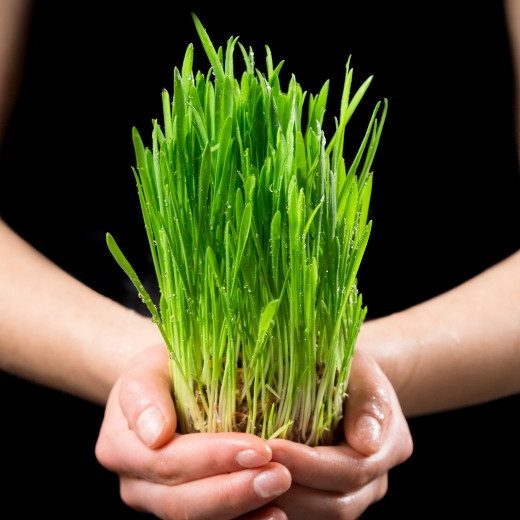
Oat grass powder is made from the young green leaves of the oat plant before its grain develops.
Humans can eat oat grass when it has been grown and processed for food use. The fresh leaves are fibrous and difficult to chew, which is why they are more often juiced or powdered. A food-grade powder also offers more predictable handling and storage than grass grown for pets, lawns or animal feed. Check that the package identifies the botanical ingredient and provides clear serving, storage and allergen information.
Oat Grass Is Not Oats
Oat grass and oats come from the same plant, but they represent different stages of its life cycle. Oat grass is the young leaf. Oats are the mature seeds, or grains, that form later. That distinction changes both how they are eaten and what they contribute.
| Plant product | Part used | Common form | Main nutritional feature |
|---|---|---|---|
| Oat grass | Young leaf | Green powder or juice | Chlorophyll and varied plant compounds |
| Oats | Mature grain | Rolled oats, flour or bran | Carbohydrate and beta-glucan soluble fiber |
| Oat straw | Mature stem and leaf | Tea or herbal extract | Composition depends on preparation |
| Milky oats | Immature seed | Tincture or extract | Not equivalent to grass powder |
The distinction is especially important for gluten. Pure oat grass leaf does not contain gluten from the grain because it is collected before that grain forms. However, that does not guarantee every oat grass powder is gluten free. Grain may enter the harvest, and shared farm equipment, transport containers or processing lines can introduce wheat, barley, rye or mature oat material.

Oat grass and mature oat grain come from the same plant but differ in composition and gluten considerations.
If you have coeliac disease or need to avoid gluten strictly, choose a product specifically labeled and preferably certified gluten free. Do not rely only on the words "young grass" or "harvested before the grain forms." Certification provides additional testing and production controls for contamination risk.
An oat allergy is a separate issue from gluten intolerance or coeliac disease. Someone allergic to oat proteins may still react to an oat-derived product. Ask your doctor or allergy specialist before trying oat grass if you have a known oat allergy or have previously reacted to oats.
What It Contributes Nutritionally
Oat grass contains chlorophyll, the green pigment plants use to capture light. It also provides carotenoids and phenolic compounds, which are plant substances that can act as antioxidants in laboratory tests. Antioxidants help manage reactions involving unstable molecules called free radicals, but the presence of antioxidants in a powder does not prove a specific health result in people.
Depending on how it was grown and processed, oat grass powder may also contribute:
- Vitamin K and carotenoids that the body can convert into vitamin A
- Minerals such as magnesium, calcium, potassium and iron
- Small amounts of protein and carbohydrate
- Fiber when the entire dried leaf is included
- Naturally occurring pigments and other plant compounds
The word "may" matters here. There is no single standard nutritional profile for every oat grass powder. Soil, harvest timing, drying temperature and storage can all change the final composition. Juice powders and whole-leaf powders can also differ considerably. Unless a label lists measured nutrient amounts, you should not assume that one scoop provides a meaningful percentage of your daily needs.

The nutritional content of oat grass powder varies with growing, harvesting and processing methods.
Serving size matters too. Greens powders are usually consumed in much smaller amounts than vegetables or a bowl of oats. Even a nutrient-dense ingredient can make only a modest contribution when the serving is a few grams. Oat grass should therefore complement meals, not replace vegetables, fruit, whole grains or other foods.
Be cautious about borrowing benefits from the oat grain. Oats are well known for beta-glucan, a soluble fiber found mainly in the grain and bran. Oat grass powder is not automatically a meaningful source of beta-glucan. Likewise, chlorophyll does not oxygenate your blood, and its green color is not evidence of a cleansing effect.
Where the Evidence Is Thin
Human research specifically testing oat grass powder is sparse. Much of the available information comes from laboratory nutrient analyses, cell experiments, animal research or studies of mature oat grain. Those forms of evidence can help researchers decide what to study next, but they cannot confirm that taking oat grass powder produces the same result in everyday life.
This means there is not strong clinical evidence that oat grass powder:
- Produces a noticeable energy increase
- Changes hormone levels or menstrual symptoms
- Improves mood, focus or stress responses
- Strengthens hair, skin or nails
- Controls body weight or blood sugar
- Produces special digestive or immune effects
Some of these outcomes are biologically plausible when a person corrects a genuine nutrient shortfall. That is different from showing that oat grass powder itself caused the improvement. Your overall diet, health, sleep, activity and baseline nutrient status all influence how you feel.
Claims about detoxing or alkalising the body are also misleading. Your liver, kidneys, lungs and digestive system continuously process and remove waste. Oat grass has not been shown to cleanse those organs. Food also does not meaningfully override the systems that regulate blood pH within a narrow range.

Laboratory findings can identify plant compounds, but they do not establish clinical benefits in people.
Research on oat plants has identified interesting phenolic compounds, including avenanthramides, but their amounts can differ by plant part and product. Finding a compound in a sample is not the same as proving a health benefit from a typical scoop.
Women do not need a separate version of oat grass powder. Nutrient needs can change with age, pregnancy or menstruation, but there is no solid evidence that oat grass powder balances female hormones. The same realistic guidance applies to adults of any gender: consider it a convenient plant powder, not a treatment or quick fix.
How to Use It
Follow the serving directions on your product rather than assuming every oat grass powder has the same dose. Scoop size and concentration vary, particularly between whole-leaf and juice powders. Taking more than the label recommends is not known to create greater benefits.
Oat grass has a fresh, grassy flavor. You can mix it into:
- Cold water or coconut water
- A fruit and yogurt smoothie
- A smoothie with banana or pineapple to soften the flavor
- Overnight oats after they have cooled
- A salad dressing or dip
Avoid stirring it into very hot liquid unless the label says that is suitable. Heat can alter some vitamins and plant compounds. If the texture is noticeable, blend it rather than stirring it with a spoon. Taking it with food may also be more comfortable if greens powders upset your stomach.
There is no proven best time of day. Morning may be convenient for a smoothie, while another consistent time may fit your schedule better. Consistency is more useful than chasing an immediate sensation. You may not feel oat grass "working," and that does not justify increasing the serving.
Oat grass powder can be mixed into cold water or a smoothie according to the product label.
Possible side effects include nausea, gas, loose stools or an allergic reaction. Stop using it and seek appropriate care if you develop swelling, hives or trouble breathing. Because nutrient levels vary, people taking prescription medication should talk to their doctor before use. This is particularly relevant for medicines affected by vitamin K. Also talk to your doctor if you are pregnant or breastfeeding, have kidney or liver conditions, or manage an existing medical condition.
Keep the container sealed in a cool, dry place, and follow any refrigeration instructions on the package. Moisture, heat and repeated air exposure can reduce quality. Discard powder that smells unusual, has changed significantly in color or shows signs of moisture or mold.
If you prefer a broader greens routine, LiveGood Organic Super Greens is a USDA certified organic greens powder designed to help fill nutrient gaps your diet may leave, serving as "a safety net for your health." Mix one delicious scoop a day into water or a smoothie, following the label. It is $19.95 for members versus $34.95 retail, making daily wellness more accessible through the membership model. Highest Quality. Lowest Prices. Every Day.
Frequently Asked Questions
What are the benefits of oat grass?
Oat grass can add chlorophyll, plant antioxidants and varying amounts of micronutrients to your diet. A whole-leaf powder may provide some fiber as well. However, human trials have not established most advertised oat grass benefits, including claims involving energy, hormones, digestion or cleansing. Treat it as a convenient source of plant variety rather than a remedy for a specific concern.
Is oat grass gluten free?
Oat grass itself normally contains no gluten from oat grain because the leaf is harvested before the grain develops. Contamination can still occur if mature grains enter the harvest or equipment also handles wheat, barley or rye. If you have coeliac disease or require strict avoidance, look for a product that is specifically labeled and preferably certified gluten free.
What is the difference between oat grass and oats?
Oat grass is the young green leaf, while oats are the mature grains produced later by the same plant. Oats supply starch and well-studied beta-glucan fiber. Oat grass mainly contributes green plant pigments and variable micronutrients. Their nutritional profiles and uses are different, so research on oatmeal should not automatically be applied to oat grass powder.
How much oat grass powder should you take?
Take only the amount directed on your product label because concentration and scoop size differ among powders. There is no well-established clinical dose for general oat grass benefits. If you are new to greens powders, use the smallest serving allowed by the label and assess digestive tolerance. Do not take extra in an attempt to match unsupported benefit claims.
Does oat grass powder have side effects?
Oat grass powder may cause nausea, gas, loose stools or an allergic reaction in some people. Contaminated products may also create a gluten risk for people with coeliac disease. Talk to your doctor before use if you take prescription medication, are pregnant or breastfeeding, have kidney or liver conditions, or manage an existing medical condition.