
Oral Hyaluronic Acid: What to Know Before Buying
 Written by Ben Glinsky
Ask AI about this article and Collagen Peptides





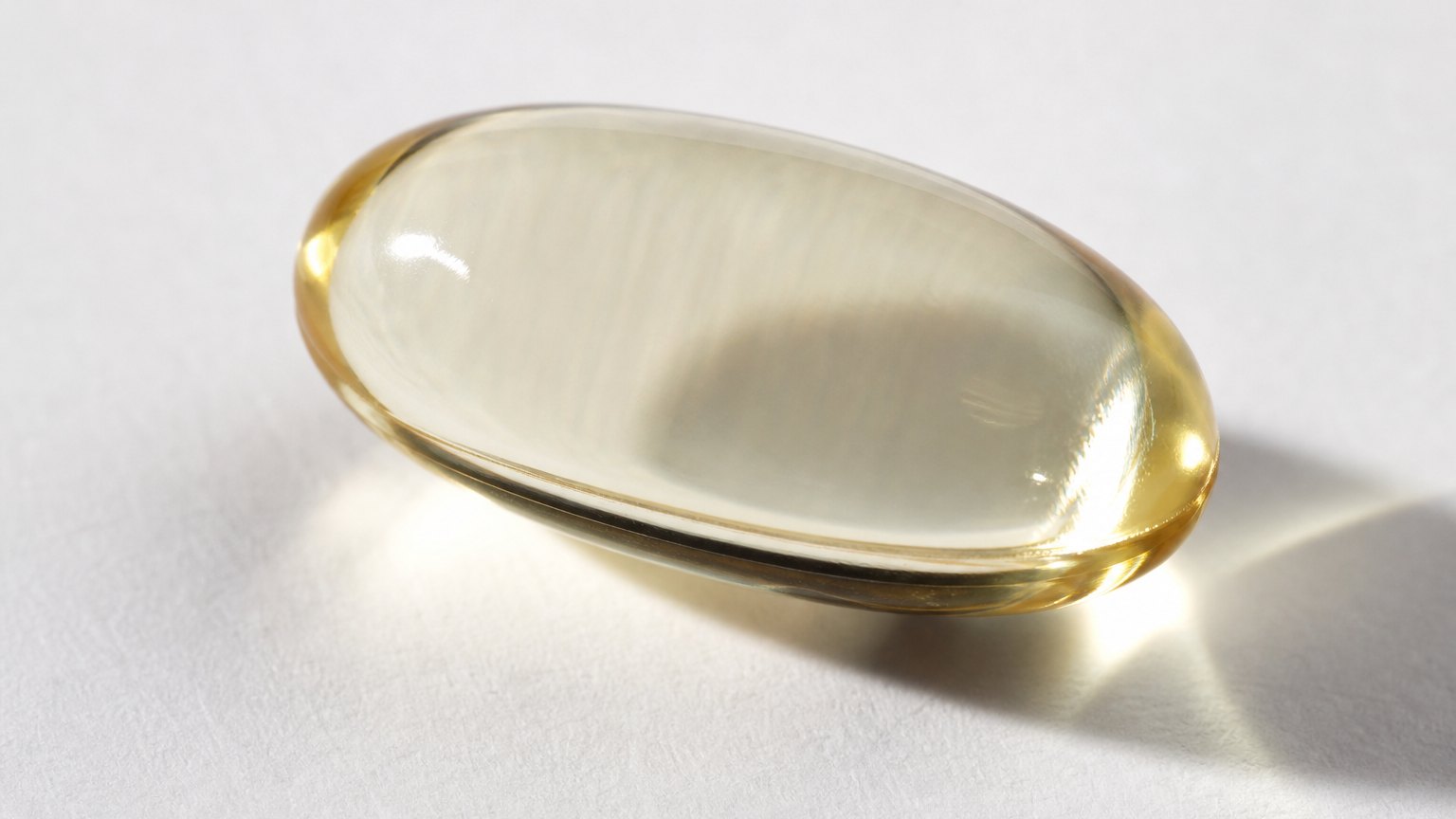
Oral hyaluronic acid may modestly support skin hydration and elasticity, but it does not simply travel intact from your stomach to your skin. Its large molecular size creates an absorption puzzle, and researchers are still working out how gut bacteria and smaller fragments may help explain the results seen in human trials.
Key Takeaways
- Evidence is promising but limited: Several human trials report modest changes in skin hydration or elasticity, usually after 8-12 weeks.
- Absorption is indirect: Gut bacteria may break large hyaluronic acid molecules into smaller fragments that act as biological signals.
- Molecular weight is unresolved: A smaller molecule is not automatically better, and labels rarely provide enough detail for firm comparisons.
- Routes are not interchangeable: Oral supplements, topical serums and injectable fillers work differently and carry different expectations.
- Labels matter: Check the serving amount, source, added ingredients, testing claims and directions before buying.
What Hyaluronic Acid Does in the Body
Hyaluronic acid, also called hyaluronan or sodium hyaluronate, is a substance your body naturally makes. Despite its name, it is not an exfoliating acid like glycolic or salicylic acid. It is a long sugar-based molecule with a strong ability to bind water.
You can find hyaluronic acid throughout the body's extracellular matrix. That is the supportive material surrounding cells. It is especially abundant in skin, connective tissue, joint fluid and the gel-like material inside the eyes. Its physical properties help tissues hold moisture, move smoothly and withstand pressure.
In skin, hyaluronic acid contributes to moisture balance and the flexible environment around skin cells. Its amount and distribution can change with age, sun exposure and normal biological processes. That does not mean swallowing hyaluronic acid directly replaces what has been lost. The body continually builds, breaks down and recycles the molecule.
According to the Cleveland Clinic's overview of hyaluronic acid, the substance has several cosmetic, medical and dietary uses. Those uses should not be blended together, however. A serum placed on the skin, a capsule swallowed by mouth and a gel injected by a clinician follow completely different paths.
For supplements, the practical question is not whether hyaluronic acid matters in the body. It clearly does. The harder question is whether an oral form can influence useful biological processes after digestion.
The Molecular Weight Problem
Hyaluronic acid is an unusually large molecule. Scientists describe molecular size in daltons, a unit based on molecular mass. A kilodalton, abbreviated kDa, equals 1,000 daltons. A megadalton, or MDa, equals 1 million daltons. Some hyaluronic acid molecules reach into the millions of daltons.
That size created an obvious objection to oral supplements. The intestinal wall does not readily absorb very large molecules intact. For years, it was reasonable to assume that swallowed hyaluronic acid would simply be digested or pass through the digestive tract without doing much elsewhere in the body.
The question became more interesting as animal research, laboratory experiments and small human trials accumulated. Researchers began looking beyond the idea that the complete molecule had to enter the bloodstream. Hyaluronic acid can be cut into shorter chains called fragments or oligosaccharides. These smaller pieces may behave differently from the original high-molecular-weight material.
Molecular weight may also affect how hyaluronic acid interacts with cells and microbes. High-molecular-weight and low-molecular-weight forms are not biologically identical. Still, that does not establish a simple rule that smaller is better. Different sizes may trigger different responses, and processing a molecule to make it smaller does not guarantee that a supplement will produce stronger human results.
Some newer human research has even reported results with relatively large sodium hyaluronate molecules. That supports the possibility of an indirect digestive or signaling pathway. It does not prove that the original molecule was absorbed intact. This molecular weight question remains a developing area, not a settled feature you can reliably use to rank products.
How Oral Hyaluronic Acid May Work
The leading explanation starts in the gut. Certain intestinal bacteria produce enzymes that can break hyaluronic acid into smaller pieces. Instead of viewing digestion as the supplement's failure point, researchers now suspect it may be part of the mechanism.
After breakdown, several things could happen. Small fragments or their metabolites may cross the intestinal barrier more readily than the original molecule. A metabolite is simply a substance produced when the body or gut microbes process another substance. These compounds may then interact with receptors, which are structures cells use to receive chemical messages.
Laboratory and animal research suggests that hyaluronic acid fragments may act as signals affecting the body's own production and turnover of hyaluronic acid. Researchers have also proposed interactions between the gut, immune signaling and skin. These possibilities are biologically plausible, but they are not fully mapped in humans.
This distinction matters when you see phrases such as "hydrates from within." That description can sound as if a capsule releases intact hyaluronic acid that travels directly into facial skin and fills it with water. Current evidence does not establish that pathway. Any effect is more likely to involve digestion, microbial breakdown and downstream signaling.
Your gut microbiome, meaning the community of microorganisms living in your digestive tract, may partly influence this process. People have different microbial populations, diets and digestive patterns. That could help explain why one person notices a change while another does not.
The science is promising enough to study further, but it is not precise enough to predict an individual response from molecular weight, capsule form or marketing language alone.
What the Human Trials Measured
Most oral hyaluronic acid research has focused on measurable skin features in generally healthy adults. Common outcomes include skin hydration, elasticity, wrinkle depth and transepidermal water loss. Transepidermal water loss measures how much water escapes through the outer skin layer. A lower value can indicate better moisture-barrier function.
Trials commonly last 8-12 weeks and use daily amounts around 60-240 mg, although study designs vary. Some report improvements compared with placebo, particularly for hydration and elasticity. Others find smaller changes, changes in only selected measurements or no meaningful difference for certain outcomes.
A recent randomized, placebo-controlled trial published in Scientific Reports followed 150 healthy adults for 12 weeks. Participants received 60 mg, 120 mg or a placebo each day. The 120 mg group showed changes in several measured skin parameters, including hydration, elasticity and water loss. The 60 mg group had more modest results, and some measurements did not change. The trial used 1.8 MDa sodium hyaluronate, showing why molecular size alone cannot currently tell you whether an oral product will have an effect.
One study does not settle the issue. Trials in this field are often relatively small, brief and limited to specific populations. Formulas, molecular weights and measurement tools also differ. Some studies are supported by ingredient manufacturers, which does not invalidate the findings but makes independent replication valuable.
Research has also examined comfort and movement-related measures, but that evidence is not strong enough to treat oral hyaluronic acid as a solution for joint disease. Overall, the most reasonable expectation is a possible modest change after consistent use, not an instant or dramatic transformation.
Oral vs Topical vs Injectable
Oral, topical and injectable hyaluronic acid products share an ingredient name, but they are not interchangeable.
| Form | Where it acts | Practical expectation |
|---|---|---|
| Oral supplement | Digested in the gastrointestinal tract | Possible gradual support for measured skin hydration or elasticity |
| Topical serum | Mainly the outer skin layers | Temporary surface hydration and a smoother feel |
| Injectable filler | Placed beneath the skin by a medical professional | Localized volume or contour changes through a medical procedure |
Topical hyaluronic acid is a humectant, meaning it attracts and holds water near the skin's surface. It can make skin feel smoother and more hydrated soon after application. Its effects depend on the formula, surrounding humidity and the other ingredients in the product. It does not need to pass through the digestive system.
An oral supplement has a slower and less direct pathway. Trials generally evaluate daily use over weeks rather than hours. Oral products may appeal to someone who prefers a capsule or wants a routine that is not limited to one area of skin, but the expected changes are usually subtle.
Injectable dermal fillers are completely different. A trained medical professional places a hyaluronic acid gel beneath the skin to change volume or contour in a specific area. This is a medical procedure with risks, aftercare requirements and professional screening. A supplement cannot reproduce a filler's effect, and a filler should never be treated as simply a stronger version of an oral product.
You can use a topical product and an oral supplement in the same routine, but there is not enough evidence to promise that combining them produces an added benefit.
What to Check Before Buying
Start with the Supplement Facts panel rather than the front-label promises. Look for the amount of hyaluronic acid in one serving, not just the total weight of a blend. Research amounts provide context, but they are not personal dosing instructions. Follow the product label and do not increase the serving simply to copy a study.
Hyaluronic acid may appear as hyaluronic acid, sodium hyaluronate or hyaluronan. Sodium hyaluronate is a salt form commonly used in supplements. A label may also describe the ingredient as hydrolyzed or list a molecular weight. Those details can be useful, but current research does not support choosing a product solely because it claims an especially low or high molecular weight.
Check the source if it matters to you. Commercial hyaluronic acid can come from bacterial fermentation or animal tissue such as rooster comb. People with dietary preferences or relevant allergies may prefer fermentation-derived material. Do not assume a product is vegan unless the manufacturer clearly states it.
Review the complete ingredient list for sweeteners, colors, capsule materials and other active ingredients. Combination formulas make it harder to know which ingredient produced any change. Also look for specific, verifiable quality information, such as independent testing by a named organization. Vague phrases like "lab tested" do not tell you what was tested or whether the finished product passed.
Be cautious with dramatic before-and-after photos, instant-result claims and promises to replace cosmetic procedures. Give any supplement a consistent trial within its label directions, then evaluate realistic measures such as how your skin feels or whether your routine is worth continuing. If you take prescription medication, are pregnant or breastfeeding, or have kidney, liver or another existing medical condition, talk to your doctor before use.
For broader structural support, LiveGood Collagen Peptides provides hydrolyzed collagen types I and III and does not claim to be a hyaluronic acid supplement. It is the first and only collagen product that also includes Velositol, Polynol and ApresFlex. The formula supports skin elasticity, hair and nail growth, joint function, muscle and bone structure, and healthy weight management. It is $29.95 for members versus $49.95 retail, reflecting the belief that wellness should not be a luxury.
Frequently Asked Questions
Does oral hyaluronic acid work?
Oral hyaluronic acid may produce modest improvements in skin hydration or elasticity for some people. Several placebo-controlled trials have reported measurable changes after consistent daily use, but the studies are relatively small and use different formulations. Researchers still do not fully understand the digestive pathway, and individual results are not guaranteed.
How much hyaluronic acid per day?
Human skin trials have commonly studied about 60-240 mg of hyaluronic acid per day. That range describes research, not a universal recommendation. Products vary in form, molecular weight and added ingredients, so follow the serving directions on your label. Ask your doctor before use if you take medication or have an existing medical condition.
Is oral or topical hyaluronic acid better?
Neither form is better for every goal because oral and topical hyaluronic acid work through different routes. A topical serum provides surface hydration and may feel effective quickly. An oral supplement requires digestion and is usually evaluated over several weeks. Evidence does not show that supplements reliably outperform well-formulated topical products.
How long does it take to work?
Most oral hyaluronic acid trials look for changes after 8-12 weeks of daily use. Some measurements may shift earlier, but an immediate visible result is unlikely. Take the product according to its label and assess it consistently rather than relying on one day or a dramatic before-and-after comparison.
Are there side effects?
Oral hyaluronic acid appears to be well tolerated in short-term human trials, but safety data are not unlimited. Mild digestive discomfort or a reaction to another formula ingredient may occur. Check the source if you have allergies, and talk to your doctor before use during pregnancy, breastfeeding, prescription medication use or an existing medical condition.