
Pomegranate Powder for Skin: What the Research Shows
 Written by Nauder Khazan
Ask AI about this article and Organic Super Reds





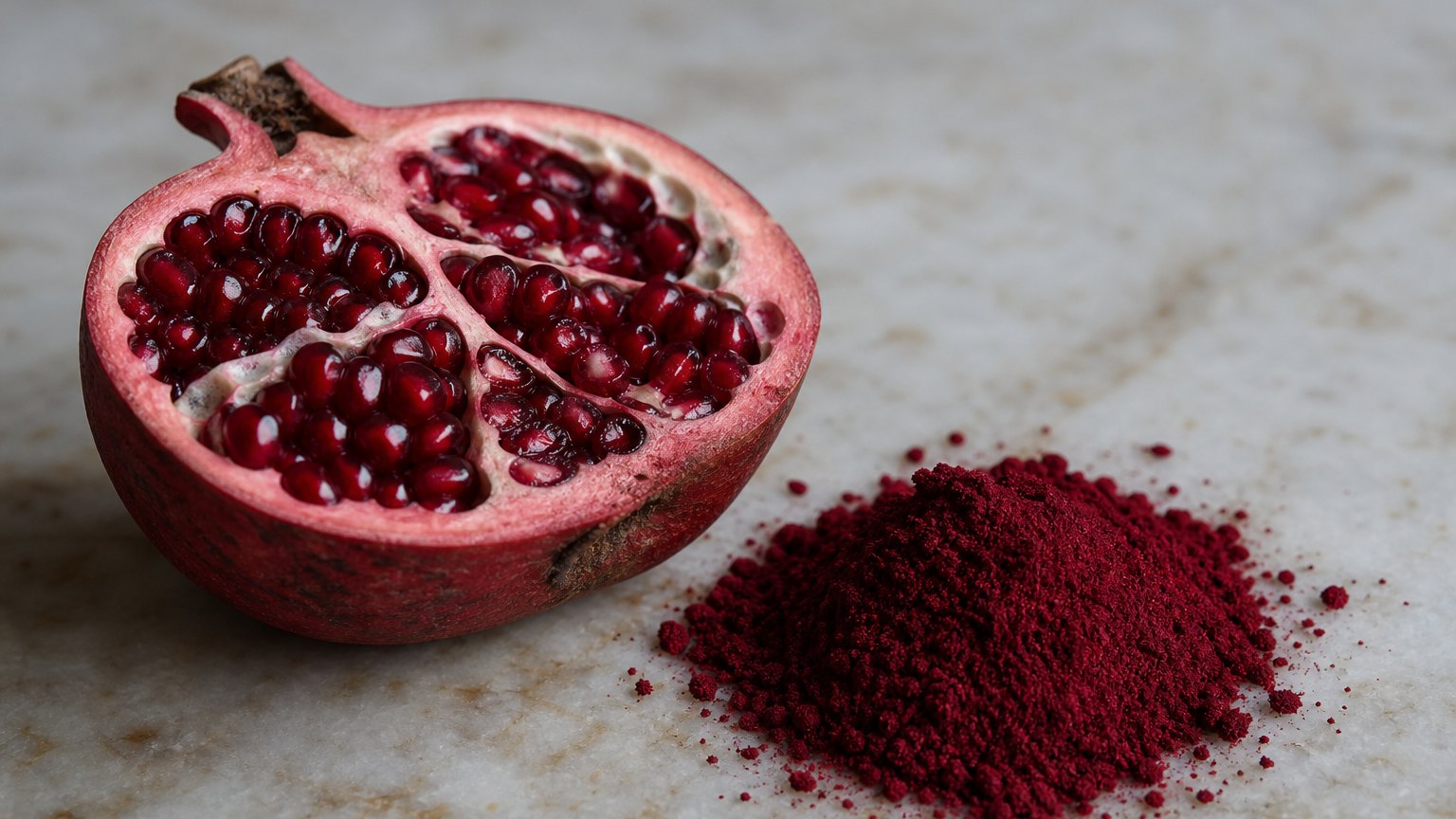
Pomegranate powder contains polyphenols that may support the skin's response to everyday environmental stress. Still, most skin research involves topical extracts, laboratory experiments, or small oral studies, not ordinary pomegranate powder. Here is what those findings mean for your routine and where the evidence stops.
Key Takeaways
- Evidence is still limited: Most skin research on pomegranate is topical, laboratory-based, or conducted with concentrated juice and extracts rather than powder.
- UV studies are preliminary: Small human trials have measured changes in the skin's response to ultraviolet light, but pomegranate cannot replace sunscreen.
- Powders vary widely: Whole-fruit, juice, peel, and standardized extract powders can contain very different amounts of active compounds.
- Gut bacteria matter: Ellagic acid can be converted into urolithin A, but people vary considerably in how efficiently they make it.
- Medication checks are essential: Pomegranate can inhibit CYP enzymes and may interact with statins and blood pressure medication.
What Pomegranate Contains
Pomegranate contains several families of plant compounds called polyphenols. Plants make polyphenols for protection, and researchers study them because they can act as antioxidants in laboratory settings. Antioxidants help control reactions involving free radicals, which are unstable molecules produced through normal metabolism and exposure to factors such as ultraviolet light.
The most discussed pomegranate compounds are punicalagins, ellagitannins, ellagic acid, anthocyanins, and other flavonoids. Punicalagins and ellagitannins are large tannin compounds. During digestion, they can release ellagic acid. Gut microbes may then transform ellagic acid into smaller compounds called urolithins.
Anthocyanins are pigments responsible for much of the fruit's red color. Pomegranate also provides vitamin C, although the amount remaining in a powder depends on the fruit portion, processing method, heat exposure, and storage time.
Pomegranate powders may come from juice, whole fruit, peel, or concentrated extracts, and their composition can differ substantially.
The words "pomegranate powder" do not describe one standard ingredient. A product might contain dried juice, ground whole fruit, concentrated extract, or dried peel. Peel powder generally contains more tannins than juice powder, but it may also be more bitter and irritating. A standardized extract may state how much ellagic acid or total polyphenols it provides. Those forms are not interchangeable, so research on one should not be treated as proof for another.
Topical vs Oral: An Important Distinction
Topical pomegranate is applied directly to the skin. Oral pomegranate is swallowed as fruit, juice, powder, or an extract. This distinction matters because the skin encounters different compounds and concentrations with each route.
Many positive headlines come from cell or test-tube studies. Researchers may place pomegranate extract directly on cultured skin cells and observe changes in markers related to oxidative stress, collagen breakdown, or UV exposure. These experiments can help identify possible mechanisms, but they cannot show how someone's skin will look or feel after eating pomegranate powder.
Topical research also tends to use carefully prepared extracts in measured concentrations. That is different from mixing food or peel powder into a homemade face mask. Raw powders can be gritty, acidic, or contaminated during handling. They may cause irritation, especially on sensitive or recently exfoliated skin. More concentrated is not automatically better.
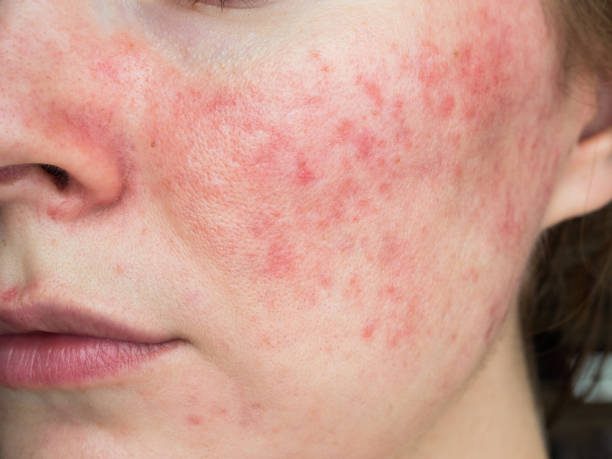
Topical formulas and oral powders expose the skin to pomegranate compounds through very different routes.
If you want topical pomegranate, choose a finished cosmetic formulated for skin and follow its directions. Patch-test it on a small area first. Stop if you develop burning, swelling, or persistent redness. Do not use food-grade powder as a scrub on broken or irritated skin.
Oral powder takes a longer route. Its compounds must survive digestion, be absorbed, and sometimes be transformed by gut bacteria. That makes the oral evidence less direct. It also explains why a topical laboratory result cannot be used to promise the same outcome from a smoothie.
What the Small Human Studies Measured
A few small human studies have examined oral pomegranate and skin-related measurements. These studies are interesting, but they do not establish that pomegranate powder produces visible cosmetic changes.
One randomized study in healthy women compared pomegranate juice, a pomegranate extract, and a control over several weeks. Researchers measured the minimal erythema dose. This is the smallest amount of ultraviolet B exposure needed to produce visible skin redness. The researchers reported modest changes in UV response among participants consuming pomegranate. However, the study was small, used specific juice and extract preparations, and needs independent replication.
Other small studies have explored skin microcirculation after pomegranate beverages or extracts. Microcirculation means blood movement through the skin's smallest vessels. Researchers can estimate it using instruments that track changes in blood flow near the skin's surface. A measurement like this may help scientists study circulation, but it does not prove that a supplement changes skin tone, texture, hydration, or appearance.
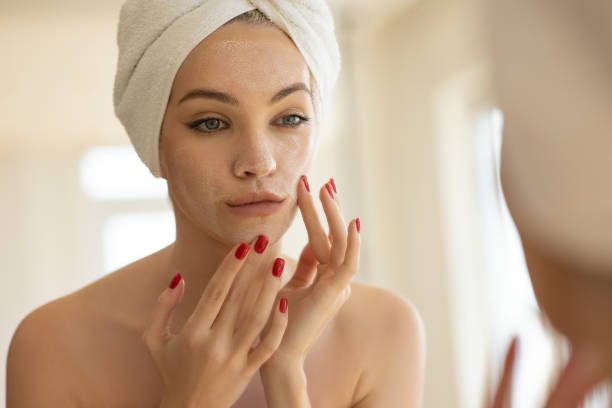
Small human studies have measured UV redness thresholds and skin microcirculation rather than broad changes in appearance.
These trials also do not tell us that any pomegranate powder will work the same way. Concentration, serving size, processing, participant diet, and study length all matter. Some studies involve healthy adults from narrow age groups, which limits how widely the findings can be applied.
Most importantly, pomegranate is not sunscreen. Broad-spectrum sunscreen, protective clothing, shade, and avoiding intense midday sun remain the best-evidenced ways to limit UV-related skin damage.
Ellagic Acid and Urolithin A
Ellagic acid is one reason pomegranate attracts skin researchers. It is a polyphenol found in pomegranate, berries, walnuts, and several other plant foods. Pomegranate ellagitannins can release ellagic acid during digestion, but only a portion is absorbed directly.
Much of the remaining material reaches the large intestine, where gut microbes may convert it into urolithins. Urolithin A is the best-known example. It is smaller than the original tannins and may be absorbed more readily. Laboratory researchers have examined urolithin A in relation to cellular energy systems, oxidative stress, and responses to environmental exposure.
That mechanism sounds promising, but there are two major limits. First, much of the skin-specific evidence comes from cells, isolated tissues, or topical models. It does not establish a visible benefit from taking pomegranate powder. Second, people have different gut microbiomes, meaning different communities of microorganisms in the digestive tract. Some people produce meaningful amounts of urolithin A after eating ellagitannin-rich foods, while others produce little or none.
Gut microbes can convert pomegranate-derived ellagic acid into urolithins, although production varies from person to person.
You cannot tell your urolithin production level from the color, price, or organic status of a powder. More ellagic acid on a label also does not guarantee more urolithin A in your bloodstream.
This is a good example of why ingredient research needs context. A plausible biological pathway can justify further study, but it is not the same as a proven result. You can read more about pomegranate's broader nutrition context on our pages for pomegranate for men and pomegranate for women.
How to Use the Powder
Start by checking what kind of pomegranate powder you have. The label should tell you whether it is made from juice, whole fruit, peel, or a standardized extract. It should also explain whether the product is intended as a food, dietary supplement, or cosmetic ingredient.
For an oral powder, follow the product's label directions. Mix it into water, yogurt, oatmeal, or a smoothie if the instructions allow. Taking it with food may be more comfortable if acidic fruit powders bother your stomach. Do not increase the serving just to match a study, since research products can differ greatly in concentration.
Consistency is more useful than chasing an immediate skin effect. If you choose pomegranate as part of your routine, evaluate practical factors such as taste, digestive comfort, ingredient transparency, and whether you can use it regularly. Keep expectations modest. A powder should complement a varied diet, adequate sleep, hydration, and routine sun protection, not replace them.
Pomegranate powder can be mixed into foods or drinks when the label identifies it as an oral product.
For topical use, a professionally formulated pomegranate cosmetic is the safer choice. Food powder and peel powder are not automatically suitable for facial skin. Avoid mixing a coarse powder into an abrasive scrub. If you try a product designed for topical use, patch-test it and follow the stated frequency.
Pregnant or breastfeeding readers, and anyone with kidney or liver conditions or another existing medical condition, should talk to their doctor before using a concentrated pomegranate supplement.
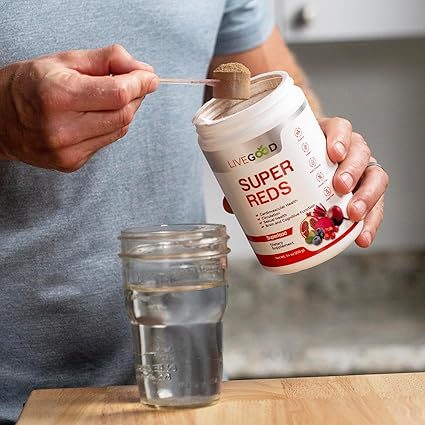
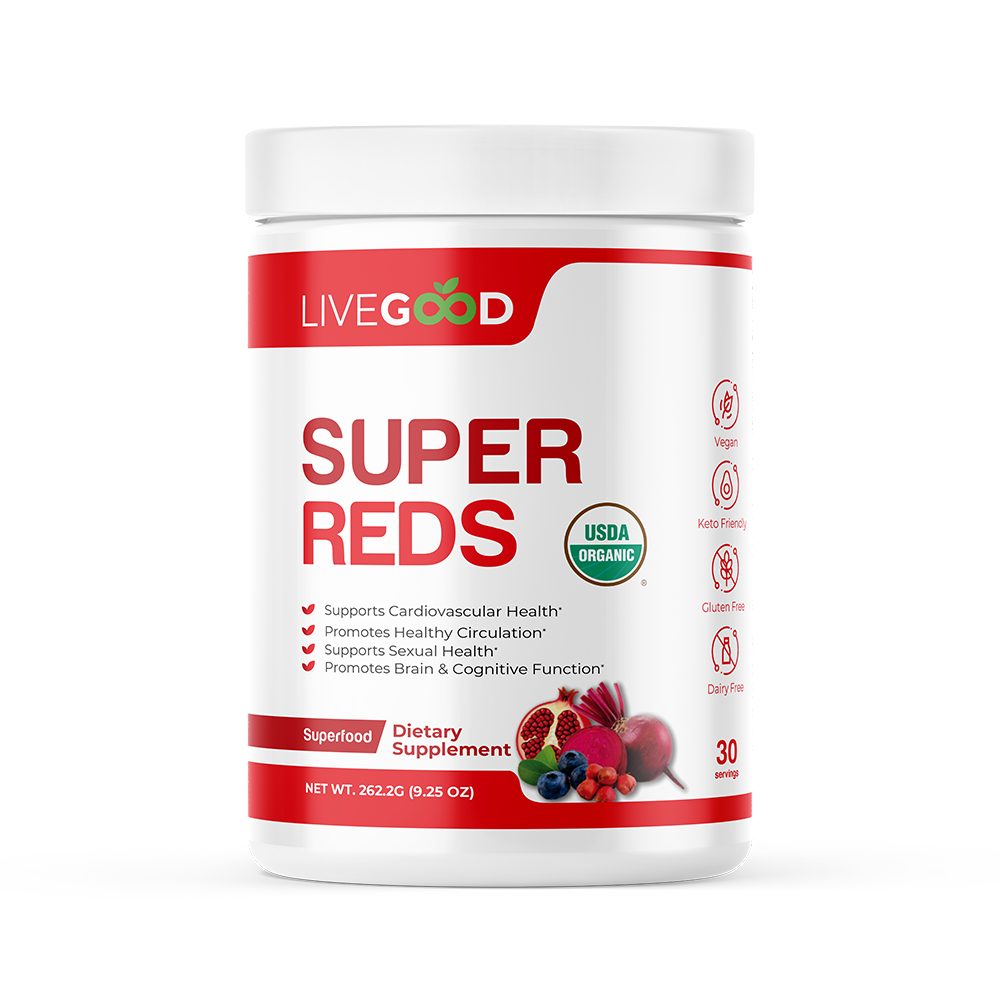
LiveGood Organic Super Reds is a great-tasting red fruit and vegetable extract powder formulated to support the body's production of nitric oxide and promote healthy circulation. Mix it with water or a smoothie as directed, whether as a pre-workout option or an afternoon pick-me-up. It is $19.95 for members and $34.95 retail, reflecting the belief that wellness should not be a luxury. Highest Quality. Lowest Prices. Every Day.
Interactions Worth Knowing
Pomegranate foods are generally well tolerated, but concentrated powders and extracts deserve more caution. Digestive effects can include nausea, stomach discomfort, or loose stools. Allergic reactions are uncommon but possible. Stop using the product and seek appropriate care if you develop facial swelling, breathing difficulty, or widespread hives.
Pomegranate can inhibit CYP enzymes. These are liver and intestinal enzymes that help process many medicines. Laboratory evidence does not always translate into a meaningful interaction in people, but the possibility matters when a medication has a narrow safety range.
Pomegranate may interact with statins and blood pressure medication. Certain statins depend on CYP enzymes for metabolism, so altered enzyme activity could change how much medicine remains in the body. Pomegranate may also add to the effects of medication used to manage blood pressure, potentially causing dizziness or lightheadedness in some people. Do not stop or adjust prescription medication on your own. Ask your doctor or pharmacist whether pomegranate is appropriate for you.
Use similar caution with blood thinners and other medicines that carry food interaction warnings. Evidence for some proposed interactions is limited or based on case reports, but a clinician can assess your specific drug, dose, and health history.
Talk to your doctor before using concentrated pomegranate during pregnancy or breastfeeding, or if you have kidney disease, liver disease, an existing medical condition, or an upcoming procedure. Bring the complete label to the appointment. The exact ingredients and concentrations are more useful than simply saying you take a red powder.
Frequently Asked Questions
Is pomegranate good for skin?
Pomegranate contains polyphenols that may support the skin's response to oxidative and environmental stress, but the evidence is preliminary. Most research has used topical extracts, cultured cells, juice, or concentrated oral extracts. Ordinary powder has not been shown to create a specific visible skin result. Daily sunscreen and other basic skin-care habits have much stronger supporting evidence.
Does eating pomegranate help skin?
Eating pomegranate can contribute polyphenols and nutrients to a varied diet, although clear cosmetic effects have not been established. Small oral studies have examined UV redness thresholds and skin microcirculation, not broad improvements in appearance. Whole fruit also provides fiber. Powder and extract products vary, so findings from a particular study may not apply to the product in your kitchen.
Can you use pomegranate powder topically?
You can use a product specifically formulated and labeled for topical application, but ordinary food or peel powder may be too gritty or irritating. Do not assume a kitchen powder is cosmetic grade. Choose a finished skin-care formula, follow its directions, and patch-test a small area first. Avoid applying it to broken, inflamed, or recently exfoliated skin.
How much pomegranate powder per day?
There is no universal daily amount of pomegranate powder for skin. Products may contain dried juice, whole fruit, peel, or concentrated extract, so equal scoop sizes can provide very different compounds. Follow the label rather than copying a research dose. Talk to your doctor before using a concentrated supplement if you are pregnant, breastfeeding, managing a medical condition, or taking medication.
Does pomegranate interact with medication?
Yes, pomegranate can inhibit CYP enzymes and may interact with statins and blood pressure medication. Possible interactions with blood thinners and other medicines have also been discussed, although the strength of evidence varies. Ask your doctor or pharmacist before taking a concentrated powder or extract with prescriptions. Do not change a medication dose or schedule without professional guidance.