
Red Fruits in Pregnancy: Practical Guidance
 Written by Ben Glinsky
Most red fruits are safe to eat during pregnancy, including strawberries, raspberries, cherries, red apples, watermelon, pomegranate, and red grapes. The main concerns are not the fruits' color, but safe washing, proper storage, unpasteurised juice, and concentrated supplements.
Key Takeaways
- Choose whole fruit: Red fruits can provide fiber, fluids, vitamins, and carbohydrates as part of a varied pregnancy diet.
- Wash produce carefully: Rinse fruit under running water, rub or scrub suitable surfaces, and keep hands and utensils clean.
- Skip unpasteurised juice: Juice that has not been pasteurised may contain harmful bacteria, even when it looks and smells fresh.
- Treat powders differently: Fruit and greens powders are concentrated products, not direct substitutes for washed whole fruit.
- Ask before supplementing: Discuss any powder, extract, capsule, or herbal blend with your midwife, obstetrician, or doctor.
Whole Fruit Is Generally Encouraged
Red fruits are generally suitable throughout the first, second, and third trimesters. There is no special pregnancy rule that makes a fruit safer or more nutritious simply because it is red. Color comes from natural plant pigments, while the exact nutrient content differs from one fruit to another.
Strawberries and raspberries provide vitamin C and fiber. Cherries, red grapes, pomegranate, watermelon, and red apples offer different combinations of water, carbohydrates, vitamins, minerals, and plant compounds. Fiber helps maintain regular digestion, while high-water fruits can contribute to your overall fluid intake. These foods can be part of a varied eating pattern, but no individual fruit is required for a healthy pregnancy.

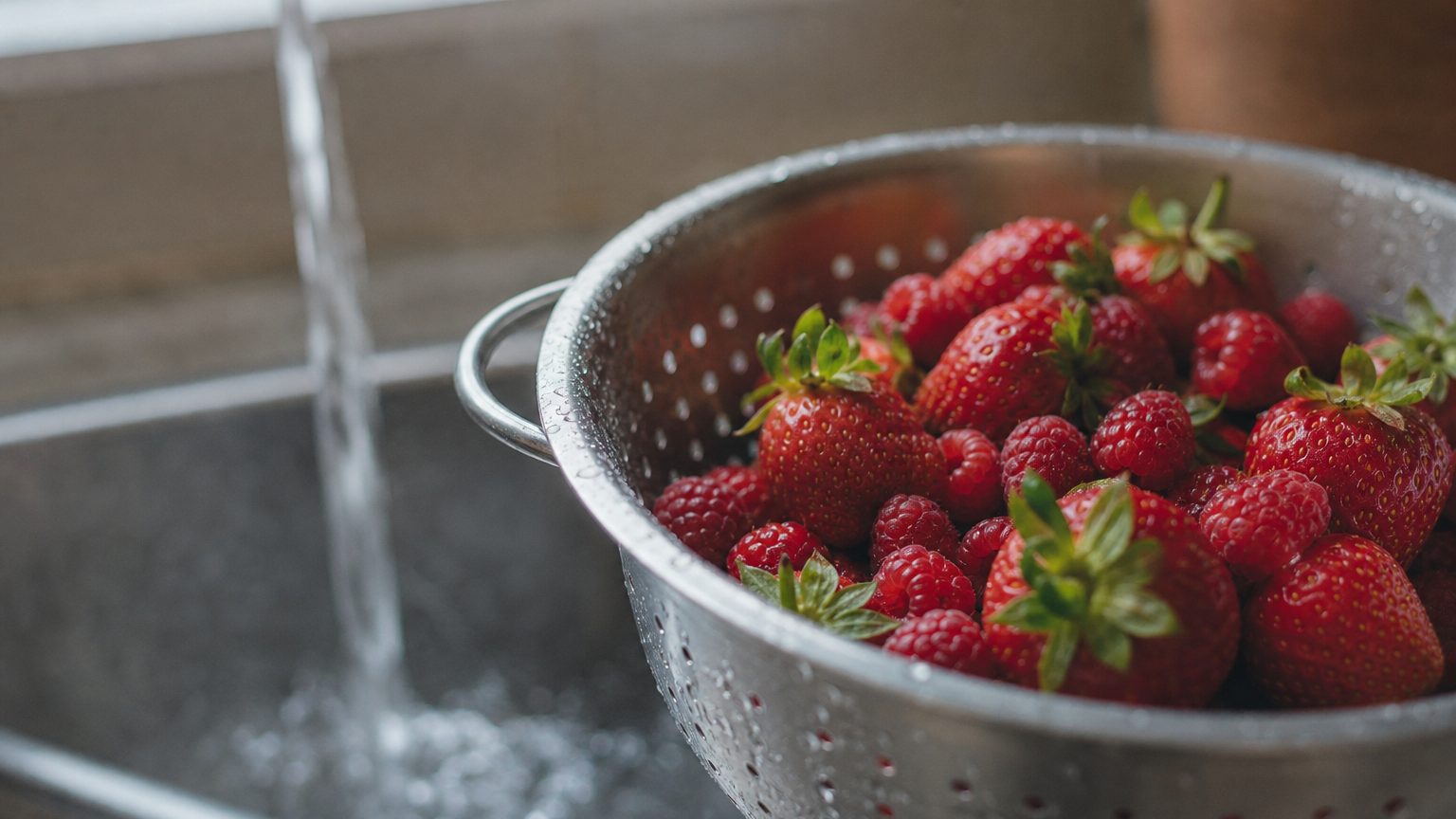
Washed strawberries, raspberries, cherries, and other red fruits can add variety to meals and snacks during pregnancy.
Whole fruit is usually more filling than juice because it retains its natural fiber. Fresh, frozen, and canned options can all be practical. Choose canned fruit packed in water or juice if you want to limit added sugar. Check frozen fruit packaging for preparation instructions, and keep opened or cut fruit refrigerated.
You do not need to choose organic fruit for it to be a reasonable option. Organic produce still needs washing because soil, handling, and storage can introduce germs. Avoid fruit that is moldy, leaking, or badly damaged. Cut away minor bruised areas, but discard produce that appears spoiled.
If you have been given an individual eating plan, follow it rather than relying on a general fruit list. Your care team may adjust food choices or portions based on allergies, digestive symptoms, blood sugar concerns, or another medical condition.
Washing and Food Safety
Pregnancy changes how the immune system responds to some infections, so careful food handling matters. Two concerns associated with contaminated produce are Listeria, a type of bacterium, and Toxoplasma, a parasite that may be present in soil. Washing lowers the amount of dirt and many germs on fruit, although it cannot make contaminated food completely risk-free.
Start by washing your hands with soap and water before handling produce. Remove stickers, damaged leaves, and visible dirt. Hold fruit under clean running water and gently rub the surface with your fingers. Use a clean produce brush for firm fruits such as apples or melons. Dry the fruit with a clean cloth or paper towel.

Rinsing fruit under running water and using clean hands and utensils helps reduce food-safety risks.
Do not wash fruit with dish soap, bleach, disinfectant, or household cleaning products. These substances are not intended to be eaten and can leave residues. Commercial produce washes are not necessary for routine cleaning. Plain running water and gentle friction are the practical approach.
Wash melons before cutting them. A knife can carry contamination from the rind into the flesh. For strawberries, raspberries, and other delicate berries, remove spoiled pieces and rinse the rest gently. Washing berries shortly before eating can help prevent them from becoming soft or moldy during storage.
Keep fruit separate from raw meat, poultry, seafood, and their juices. Use clean cutting boards and utensils. Refrigerate cut or peeled fruit promptly, and follow local food-safety guidance for storage times. If prepared fruit has been left unrefrigerated for an uncertain period, the conservative choice is to discard it.
Washing cannot rescue spoiled food. Throw away fruit with mold, an unusual smell, slime, or signs that the package has swollen or leaked.
Unpasteurised Juices
Unpasteurised juice is not advised during pregnancy because it has not received the heat treatment used to reduce harmful microorganisms. Pasteurisation means briefly heating a food or drink to lower the number of germs that could cause illness. Fresh appearance, refrigeration, or an acidic taste does not guarantee that juice is safe.
Potentially harmful bacteria can enter juice from contaminated fruit, equipment, hands, or preparation surfaces. This concern applies to red fruit juices as well as apple cider, orange juice, vegetable juice, and mixed juice drinks. Washing the fruit first helps, but it does not provide the same control as commercial pasteurisation.
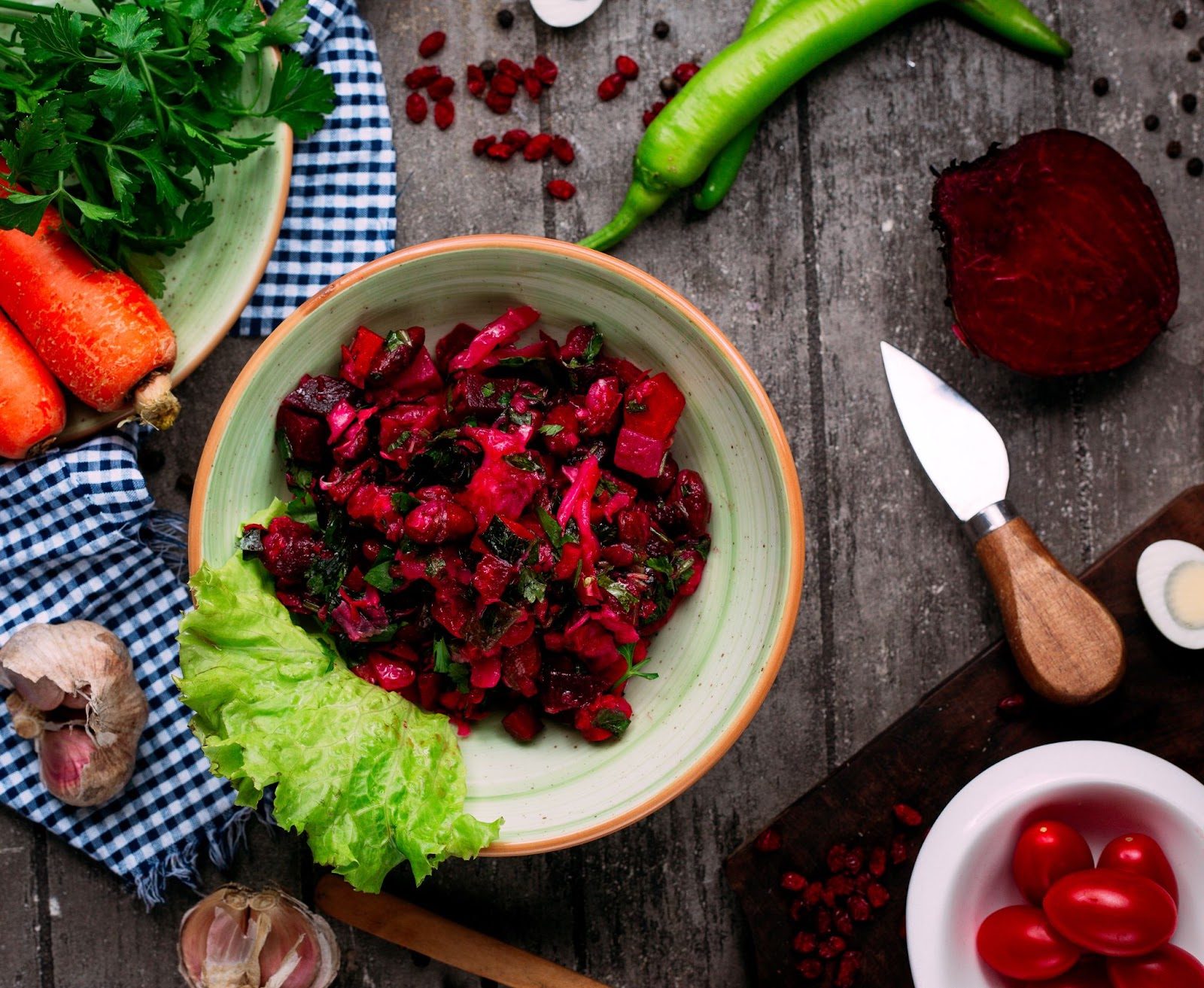
Choose juice clearly labelled as pasteurised, since fresh appearance alone does not confirm safety.
Check the package for words such as "pasteurised" or "treated to reduce harmful bacteria." Shelf-stable juice is commonly pasteurised, but reading the label is still sensible. Refrigerated juice may be either pasteurised or unpasteurised. Products sold at farm stands, markets, juice bars, or restaurants may not have a clear label, so ask how they were processed.
Smoothies can also require a closer look. A smoothie made with pasteurised juice or milk and properly washed fruit is different from one made with unpasteurised juice. Clean blender equipment and safe refrigeration matter too.
Juice also lacks much of the fiber found in whole fruit, and it is easy to consume quickly. You do not have to avoid all juice, but whole fruit is usually the more practical everyday choice. If you are unsure whether a drink was pasteurised, choose a clearly labelled alternative or ask your pregnancy care team.
Where Supplements Are Different
A bowl of raspberries is not the same as a raspberry extract, fruit powder, greens powder, gummy, or capsule. Supplements may concentrate ingredients, combine many plants, or add vitamins, minerals, sweeteners, caffeine, herbs, and other compounds. The amounts may be very different from what you would get by eating fruit.
This difference matters during pregnancy because safety information is limited for many concentrated plant ingredients. "Natural" does not automatically mean suitable for pregnancy. Some formulas contain herbal extracts that have not been well studied in pregnant people. Others may overlap with nutrients already supplied by a prenatal product. Contamination and inaccurate labeling are additional considerations with poorly controlled products.
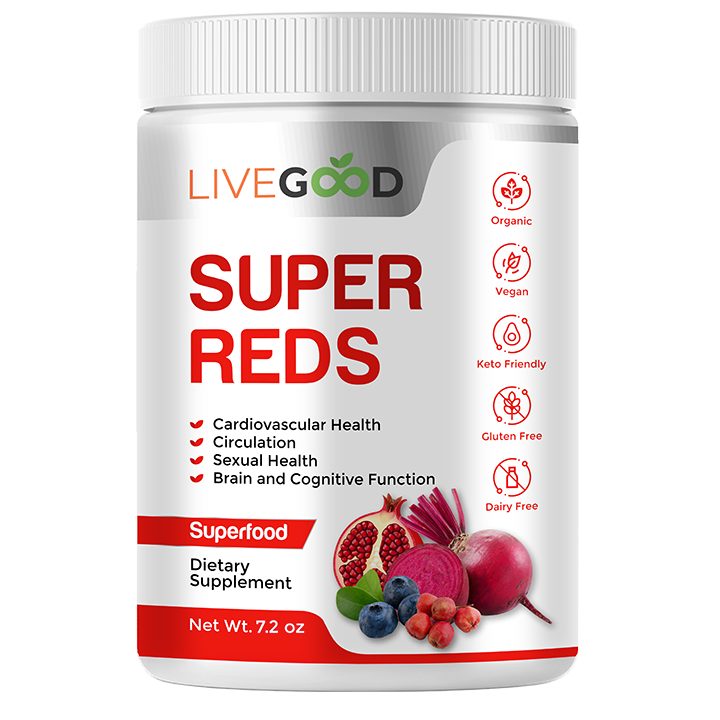
Fruit and greens powders can contain concentrated or added ingredients, so review them with your pregnancy care professional.
A fruit or greens powder may look like a convenient way to replace produce, but it does not necessarily provide the same fiber, water, texture, or fullness as whole fruit. It should not be assumed to offer the same benefits. Claims based on a fruit also do not automatically apply to a concentrated blend containing that fruit.
Honest, evidence-grounded education requires separating what is known about ordinary foods from what is known about supplements. Evidence for routine use of many fruit extracts and superfood blends during pregnancy is weak or absent. That does not prove every product is harmful, but it does mean a general recommendation would not be appropriate.
Do not start, stop, or combine pregnancy supplements based on an online article. Bring the full label, including the ingredient list and serving information, to your midwife, obstetrician, or doctor. A pharmacist can also check ingredient duplication and possible medication interactions.
Questions for Your Midwife or Doctor
Most people can choose washed whole fruits without needing approval for each variety. Still, your own health history may affect which foods, portions, or preparation methods make sense. A short conversation with your care team is especially useful if you have allergies, severe digestive symptoms, difficulty keeping food down, blood sugar concerns, a weakened immune system, or another medical condition.
For ordinary fruit, you might ask:
- Are there any fruits I should avoid because of my medical history?
- Do I need individual guidance about fruit portions or meal timing?
- Are frozen, canned, or precut fruits suitable for me?
- What local food-safety advice applies to refrigerated cut fruit?
- What should I do if I accidentally consumed recalled produce or unpasteurised juice?
Contact your healthcare team promptly if you think you ate a recalled food, develop symptoms after a higher-risk food exposure, or are worried about a possible infection. They can assess the specific product, timing, symptoms, and local public health advice. An article cannot make that assessment.
For any powder, gummy, capsule, liquid concentrate, or herbal blend, ask your midwife, obstetrician, or doctor to review the complete label. Tell them about prescription medicines, over-the-counter products, and other supplements you use. Do not assume that a product marketed as food-based is automatically cleared for pregnancy.
The practical message is simple. Enjoy a variety of properly washed whole fruits, choose pasteurised drinks, store cut produce safely, and be cautious with concentrated products. There is no evidence-based reason to choose red fruit to influence a baby's complexion, and food cannot determine that trait.
Frequently Asked Questions
Are red fruits safe during pregnancy?
Yes, most red fruits are safe during pregnancy when they are fresh, properly washed, and stored correctly. This includes strawberries, raspberries, cherries, red apples, red grapes, watermelon, and pomegranate. Avoid spoiled fruit and follow any individual food plan from your care team. Fruit color does not create a special pregnancy benefit or risk.
How should you wash fruit in pregnancy?
Wash fruit under clean running water while gently rubbing its surface, then dry it with a clean cloth or paper towel. Scrub firm produce with a clean produce brush and wash melon rinds before cutting. Do not use soap, bleach, or household disinfectants. Also wash your hands and keep produce away from raw meat and its juices.
Is unpasteurised juice safe in pregnancy?
No, unpasteurised juice is generally advised against during pregnancy because it may contain bacteria that can cause serious foodborne illness. Choose juice clearly labelled as pasteurised or treated to reduce harmful bacteria. If juice from a cafe, market, or farm stand has no label, ask how it was processed or select another drink.
Can you take fruit or greens powders while pregnant?
Do not assume fruit or greens powders are suitable during pregnancy without a clinician reviewing them. These products may contain concentrated extracts, herbs, added nutrients, caffeine, or other ingredients that differ from whole fruit. Research on many blends in pregnancy is limited. Show the complete label to your midwife, obstetrician, or doctor before using one.
Who should you ask about supplements in pregnancy?
Ask your midwife, obstetrician, or doctor about any supplement you are considering during pregnancy. Bring the complete ingredient label and a list of your medicines and current supplements. A pharmacist can also help identify repeated ingredients or possible medication interactions, but your pregnancy care professional should guide the overall decision.