
Red Vegetable Smoothie Recipes
 Written by Ben Glinsky
Ask AI about this article and Organic Super Reds





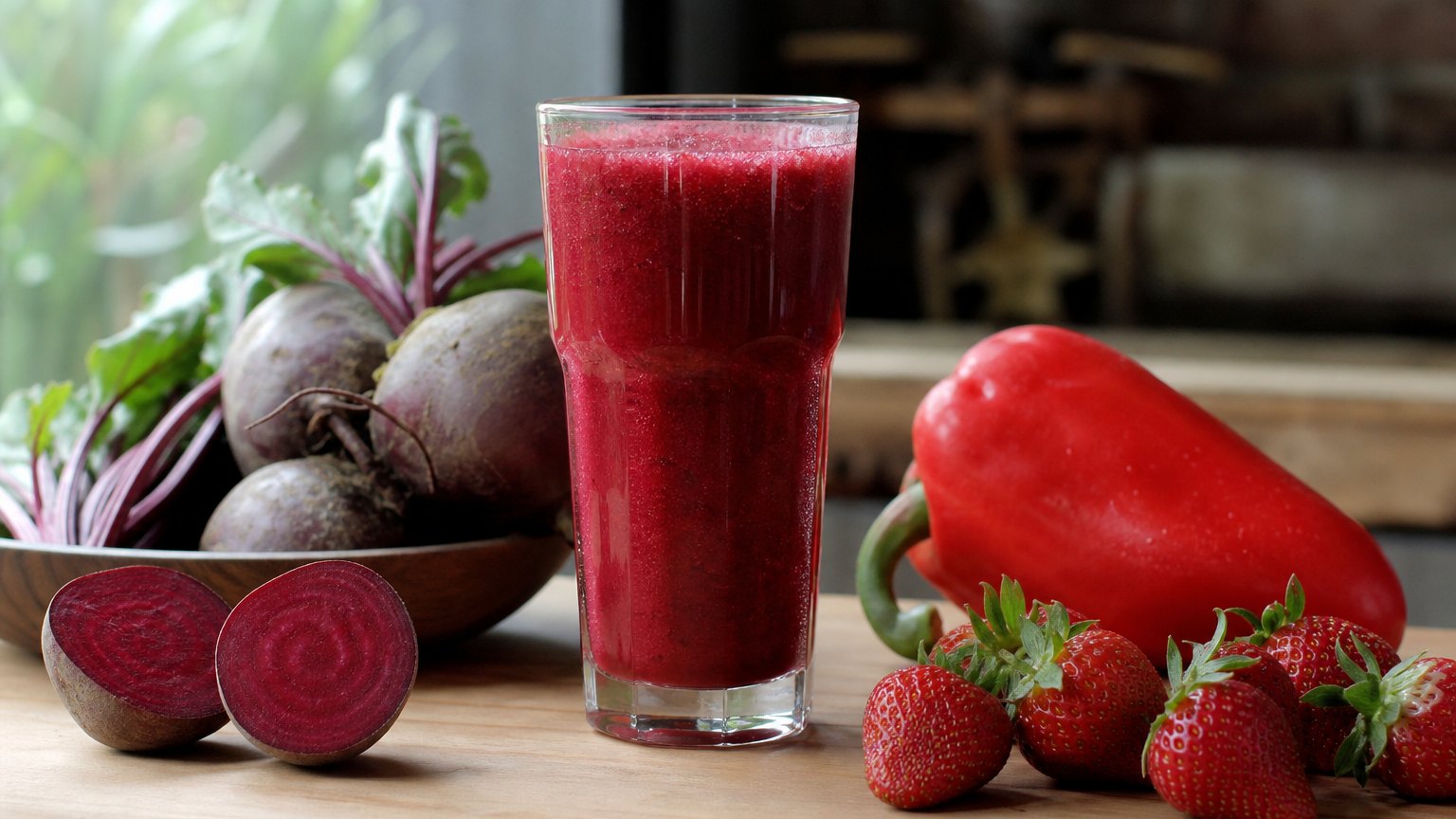
Red smoothie recipes work best when sweet fruit, bright acid and mild red vegetables balance one another. These five recipes give you exact quantities, simple blending steps and practical ways to handle beetroot's earthy flavor and vivid color.
Key Takeaways
- Blend for more fibre: A blender keeps the fibrous parts that a juicer usually removes.
- Balance beetroot carefully: Fruit adds sweetness, while citrus or vinegar cuts through its earthy flavor.
- Start with less liquid: You can always add more after checking the texture.
- Use raw beet sparingly: One small beet is usually enough for two servings.
- Protect against stains: Rinse your blender and wipe spills as soon as you finish.
Why Blend Rather Than Juice
Blending and juicing produce noticeably different drinks. A blender processes the whole edible ingredient, so most of the natural fibre remains in your glass. A juicer separates liquid from pulp, leaving much of that fibre behind. This is why a blended beet smoothie feels thicker and more substantial than beet juice.
Fibre also affects the drinking experience. It holds water, creates body and keeps ingredients from separating quite as quickly. Apples, berries, cabbage and peppers all contribute texture when blended. If your smoothie becomes too thick, add liquid 2 tablespoons at a time instead of pouring in a large amount at once.
A standard countertop blender can handle cooked beetroot and frozen fruit easily. For raw beetroot, cut it into cubes no larger than 1/2 inch. Add liquid first, then soft fruit, vegetables and frozen ingredients. This order helps the blades move freely. Blend for 45 to 60 seconds, stop and scrape down the sides, then blend again until no visible pieces remain.
Juicing can still be useful when you want a thin drink without pulp. For these recipes, however, blending makes better use of the ingredients and requires less cleanup. You also do not need a separate juicing appliance.
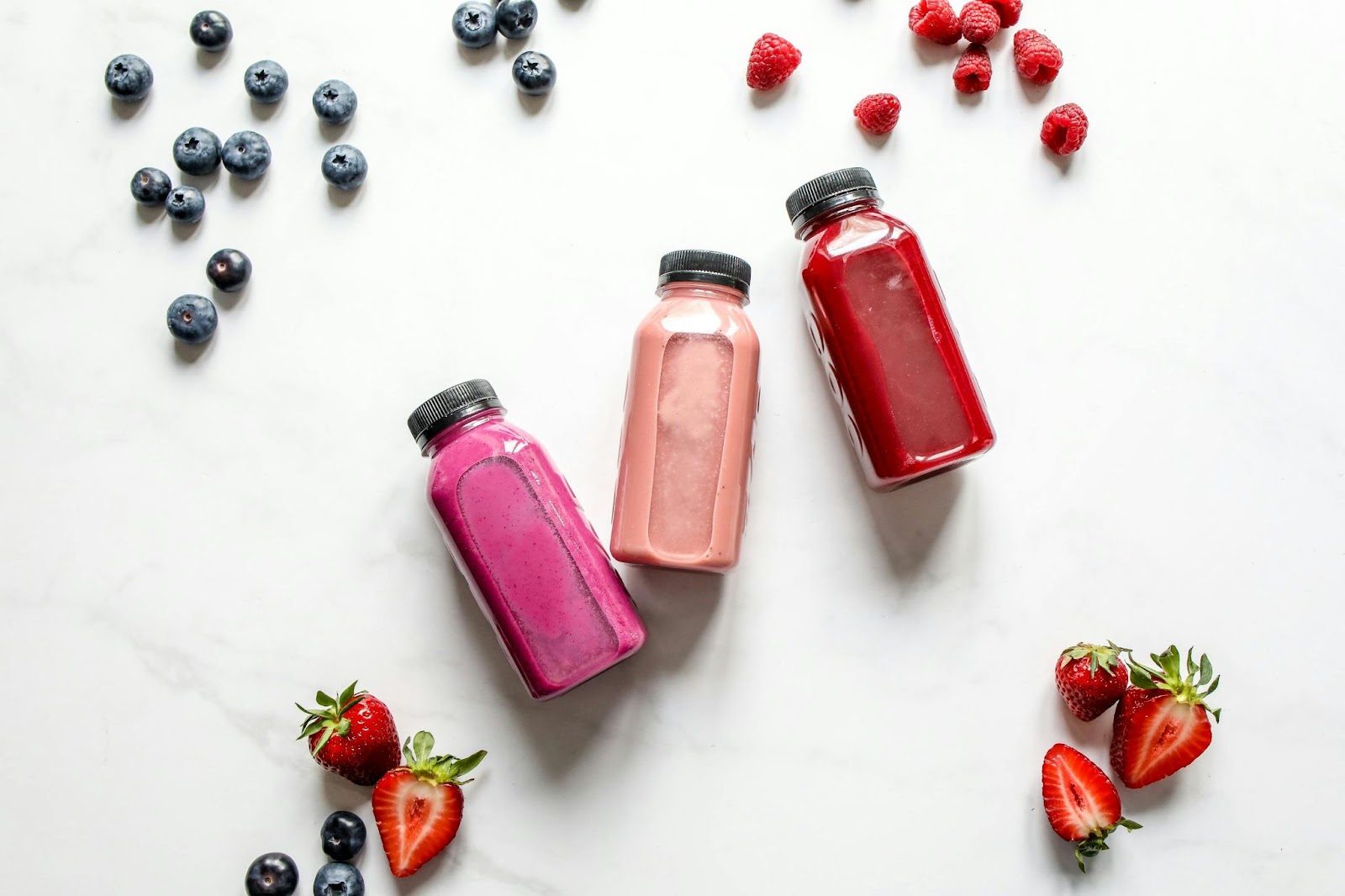
Blending whole red vegetables keeps their pulp and creates the thicker texture associated with a smoothie.
Balancing Earthy Beetroot
Raw beetroot has a concentrated earthy flavor. Some people enjoy it immediately, while others find it tastes like damp soil. The easiest solution is not to hide it under lots of sweetener. Instead, combine sweetness, acidity and a little aromatic heat.
For two smoothie servings, begin with 1/2 to 1 small raw beet, about 2 to 3 ounces after trimming. Pair it with 1 to 1 1/2 cups of naturally sweet fruit. Berries, cherries, apple, orange and pineapple all work. Then add 1 to 2 tablespoons of lemon or lime juice. Acid makes the mixture taste brighter and reduces the impression of earthiness.
Fresh ginger is another useful tool. Start with a peeled 1/2-inch piece. It adds warmth without making the smoothie sugary. A small pinch of salt can sharpen fruit flavors, particularly in beet, tomato or watermelon blends. If the drink still tastes too earthy, add more citrus before adding honey or maple syrup.
Cooked beetroot is milder and softer than raw beetroot. You can roast or steam it, cool it completely and use the same measured amount. Avoid packaged beets containing vinegar unless you are making a deliberately savoury drink.
Taste after the first blend. Adjust one element at a time: acid for brightness, fruit for sweetness, liquid for texture or ginger for warmth.
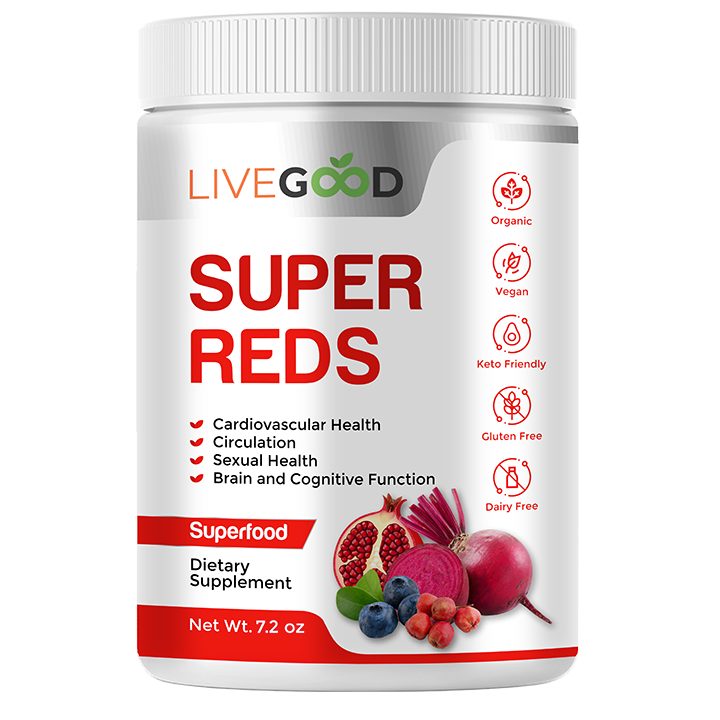
LiveGood Organic Super Reds is a great-tasting red fruit and vegetable extract powder formulated to support the body's production of nitric oxide and healthy blood circulation. Mix it with water or add it to a smoothie as a convenient pre-workout option or afternoon pick-me-up. It is $19.95 for members versus $34.95 retail. A reds powder offers convenience, but it does not replace whole vegetables. Highest Quality. Lowest Prices. Every Day.
Recipe 1: Beet, Berry and Ginger
This is the most approachable place to start with raw beetroot. Frozen berries supply sweetness and body, lemon lifts the flavor, and ginger keeps the finish fresh rather than muddy. The recipe makes two small glasses or one large smoothie.
Ingredients
- 1/2 small raw beet, peeled and cut into 1/2-inch cubes, about 2 ounces
- 1 1/2 cups frozen mixed berries
- 1/2 ripe banana
- 3/4 cup cold water or unsweetened oat milk
- 1 tablespoon fresh lemon juice
- 1/2-inch piece fresh ginger, peeled
- 1 teaspoon honey or maple syrup, optional
- Small pinch of salt
Method
- Pour the water or oat milk into the blender.
- Add the banana, lemon juice, ginger, salt and beet cubes.
- Add the frozen berries last. Blend on high for 45 seconds.
- Stop and scrape down the sides. Blend for another 20 to 30 seconds, or until completely smooth.
- Taste before adding optional honey or maple syrup. If it is too thick, blend in 2 tablespoons of water.
For a milder version, use 1/3 cup cooled cooked beet instead of raw beet. If your blender struggles with hard vegetables, blend the beet with the liquid first, then add everything else. Serve immediately for the brightest berry flavor.
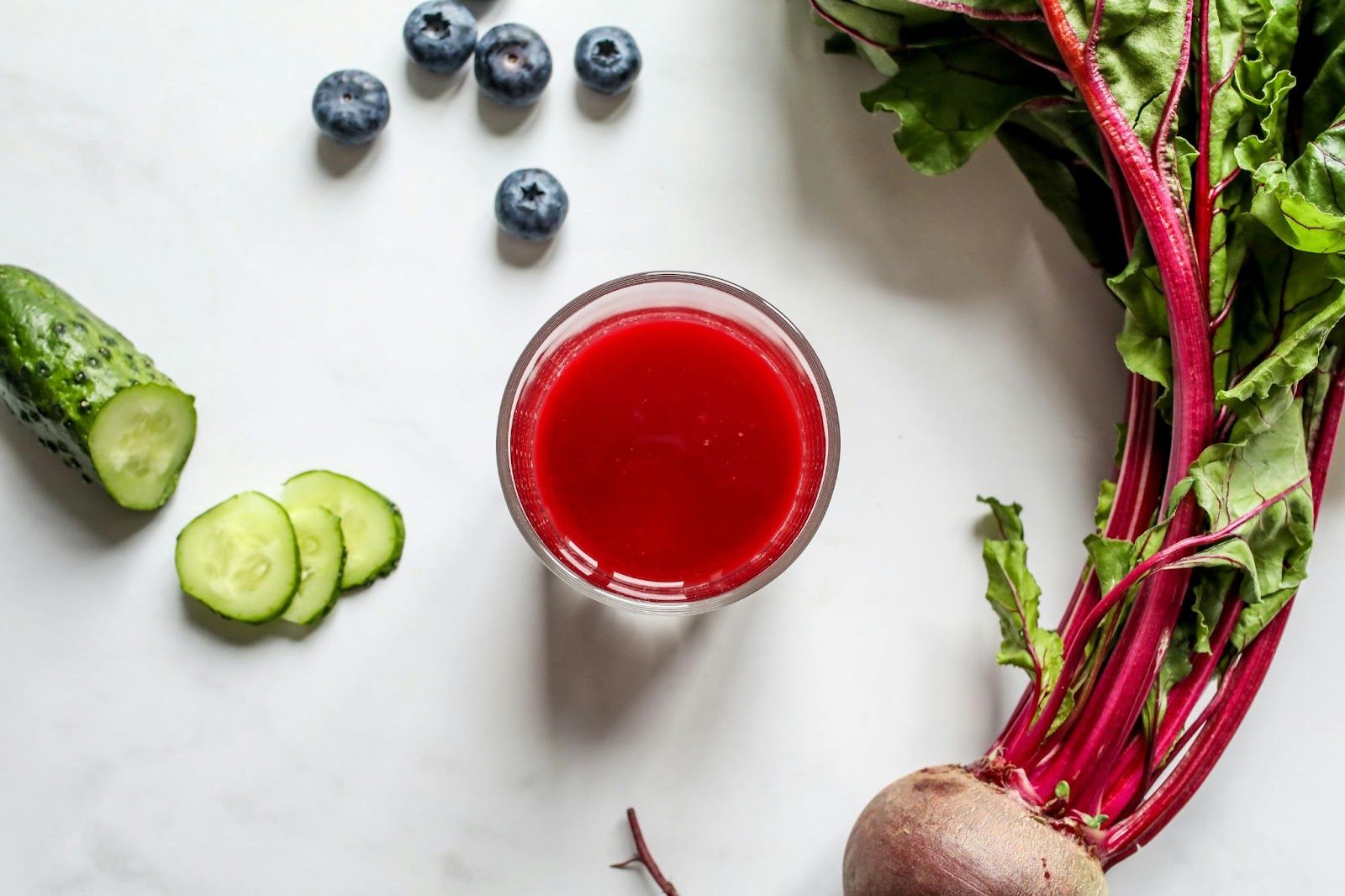
Berries, lemon and fresh ginger balance the earthy flavor of raw beetroot.
Recipe 2: Tomato and Red Pepper Savoury
Not every red smoothie needs to taste like dessert. This cold, savoury version sits somewhere between a smoothie and a smooth gazpacho. Ripe tomato supplies most of the liquid, while red pepper and cucumber keep the flavor crisp. It makes two small servings.
Ingredients
- 2 medium ripe tomatoes, cored and quartered, about 2 cups
- 1/2 red bell pepper, seeded and chopped
- 1/2 cup peeled cucumber chunks
- 1/4 cup plain Greek yogurt or unsweetened dairy-free yogurt
- 1 tablespoon extra-virgin olive oil
- 2 teaspoons red wine vinegar or lemon juice
- 4 fresh basil leaves
- 1/8 teaspoon salt, plus more to taste
- Pinch of black pepper
- 4 ice cubes
Method
- Add the tomatoes to the blender first so their juice reaches the blades.
- Add the pepper, cucumber, yogurt, oil, vinegar, basil, salt and black pepper.
- Blend for 30 seconds. Add the ice and blend again until smooth and lightly frothy.
- Taste and add another teaspoon of vinegar if the tomatoes are very sweet.
Use fully ripe tomatoes for the smoothest result. Pale, firm tomatoes can make the drink watery and bland. If the pepper skin remains noticeable, blend for a full minute or strain only a small portion before stirring it back in. Serve cold, with an extra basil leaf if you like.
Recipe 3: Watermelon and Lime
Watermelon creates a light, icy smoothie without needing much added liquid. A small amount of red bell pepper gives it a vegetable element but stays in the background. Lime and mint prevent the finished drink from tasting flat. This recipe makes two refreshing glasses.
Ingredients
- 3 cups seedless watermelon cubes, frozen for at least 2 hours
- 1/3 cup chopped red bell pepper
- 1/2 cup fresh strawberries, hulled
- 2 tablespoons fresh lime juice
- 1 teaspoon finely grated lime zest
- 5 fresh mint leaves
- Small pinch of salt
- 1/4 cup cold water, only if needed
Method
- Place the strawberries, red pepper, lime juice, zest, mint and salt in the blender.
- Add half the frozen watermelon and blend briefly to create some liquid.
- Add the remaining watermelon. Blend until slushy and smooth.
- If the blades stop moving, add cold water 1 tablespoon at a time. Avoid adding the entire 1/4 cup unless necessary.
Freeze watermelon cubes in a single layer so they do not form one solid block. For a thinner drink, use chilled watermelon instead of frozen and add a handful of ice. Drink this smoothie soon after blending. Watermelon releases liquid quickly, so the texture becomes thinner as it stands. A quick stir will bring a separated glass back together.
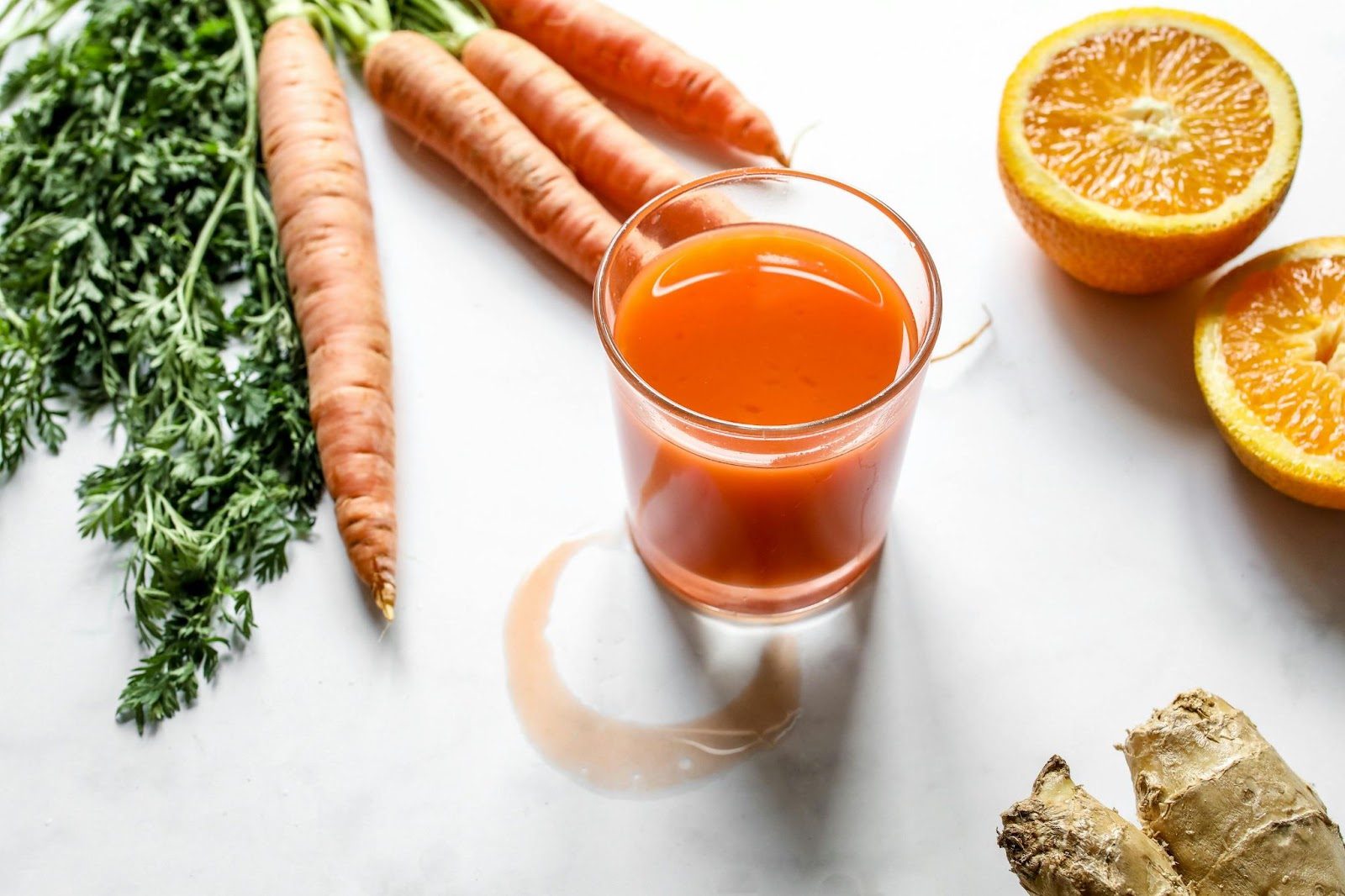
Frozen watermelon creates a light, slushy texture with very little added liquid.
Recipe 4: Red Cabbage and Apple
Red cabbage makes a striking purple-red smoothie, but too much can taste sharp and fibrous. Thinly slicing it before measuring helps the blender process it evenly. Sweet apple, blueberries and orange juice soften the cabbage flavor without covering it completely. This recipe makes two small servings.
Ingredients
- 1/2 cup tightly packed, thinly sliced red cabbage
- 1 medium sweet apple, cored and chopped
- 3/4 cup frozen blueberries or raspberries
- 1/2 cup cold water
- 1/2 cup orange juice
- 1 tablespoon lemon juice
- 1/4 teaspoon ground cinnamon
- 1/2 cup ice
Method
- Add the water, orange juice and lemon juice to the blender.
- Add the cabbage and blend for 20 seconds before adding the other ingredients. This extra step helps break down the firm leaves.
- Add the apple, berries, cinnamon and ice.
- Blend on high for 60 seconds. Scrape down the sides and blend again if you can still see cabbage pieces.
A high-speed blender gives the smoothest result, but a regular blender works if the cabbage and apple are chopped small. If the drink tastes too sharp, add another 1/4 apple rather than pouring in sweetener. For a creamier texture, replace 1/4 cup of the water with plain yogurt. The color may shift toward purple depending on the berries and acidity.
Recipe 5: Cherry and Cacao
Cherry and cacao create a deeper, less fruity red smoothie. Cooked beetroot works especially well here because its mild sweetness blends into the cocoa flavor. Use unsweetened cacao powder, not a presweetened hot chocolate mix, so you can control the final sweetness. This makes one large or two small servings.
Ingredients
- 1 cup frozen pitted dark cherries
- 1/3 cup cooked, cooled beetroot
- 1 small ripe banana
- 1 tablespoon unsweetened cacao powder
- 3/4 cup milk or unsweetened plant milk
- 1/4 teaspoon vanilla extract
- Small pinch of salt
- 1 teaspoon maple syrup, optional
- 2 to 4 tablespoons cold water, if needed
Method
- Pour the milk into the blender. Add the beetroot, banana, cacao, vanilla and salt.
- Add the frozen cherries and blend on high for 45 seconds.
- Scrape down any cacao clinging to the blender jar, then blend again for 20 seconds.
- Taste before adding maple syrup. Add cold water gradually if you prefer a thinner texture.
Cacao can taste dusty when it is not fully incorporated, so give this smoothie a second blend even if it looks smooth. For a colder, thicker version, freeze the banana in slices. If you use raw beet instead of cooked, reduce the amount to 1/4 cup and add 1 teaspoon of lemon juice for balance.
Dark cherries, cooked beetroot and cacao blend into a rich smoothie with controlled sweetness.
Practical Tips: Staining and Storage
Beetroot, cherries, berries and red cabbage contain strong pigments that can stain fabric, porous counters and wooden utensils. Wear an apron, use a plastic or glass cutting board, and wipe spills immediately with cool, soapy water. Hot water can set some food stains into fabric, so rinse clothing with cold water first.
Rinse the blender jar as soon as you pour the smoothie. If color remains, fill it halfway with warm water, add one drop of dish soap and blend for 10 seconds. Rinse thoroughly. A paste of baking soda and water can help lift color from some light, nonporous surfaces, but test an inconspicuous spot first.
Beet pigments can also turn urine or stool pink or red. This is called beeturia, and it can happen after eating beetroot or drinking a beet smoothie. Knowing about it in advance can prevent an unnecessary surprise. If red coloring appears when you have not eaten beets, or you are unsure of the cause, talk to your doctor.
Smoothies taste best immediately, but you can refrigerate leftovers in a clean, tightly sealed container for up to 24 hours. Fill the container close to the top to reduce air exposure. Color and texture may change during storage, especially in watermelon or dairy-based recipes. Shake or stir before drinking. Discard the smoothie if it smells unusual, fizzes unexpectedly or has been left at room temperature for more than two hours.
Frequently Asked Questions
What red vegetables work in smoothies?
Beetroot, red bell pepper, tomato, red cabbage and red carrots can all work in smoothies. Beetroot and cabbage have stronger flavors, so begin with a small amount and pair them with sweet fruit and citrus. Tomato and pepper are particularly useful for savoury blends. Chop firm vegetables into small pieces before blending.
How do you make beetroot taste better in a smoothie?
Balance beetroot with sweet fruit, fresh citrus and a warming ingredient such as ginger. For two servings, combine about 2 ounces of raw beet with 1 to 1 1/2 cups of fruit and 1 tablespoon of lemon or lime juice. Cooked beet is a good alternative when you want a softer, milder flavor.
Is blending better than juicing?
Blending is the better choice when you want to keep most of the fibre from fruits and vegetables. Juicing removes much of the pulp and creates a thinner drink. Neither method is automatically right for every recipe, but blending uses more of each ingredient, requires less specialized equipment and produces the thicker texture expected from a smoothie.
Can you use a powder instead?
Yes, a red fruit and vegetable powder can be mixed into water or added to a smoothie when convenience matters. Follow the product's label directions rather than guessing the amount. A powder does not reproduce the texture or fibre of whole vegetables, so consider it an optional addition, not a replacement for a varied selection of produce.
How long do smoothies keep?
Most homemade smoothies are best consumed immediately or refrigerated for no more than 24 hours in a tightly sealed container. Separation and color changes are normal, so stir or shake before drinking. Discard a smoothie that develops an unusual smell, unexpected fizz or questionable texture, and do not keep it after it has sat at room temperature for over two hours.