
Red Vegetables: Benefits and Why the Color Matters
 Written by Ben Glinsky
Ask AI about this article and Organic Super Reds





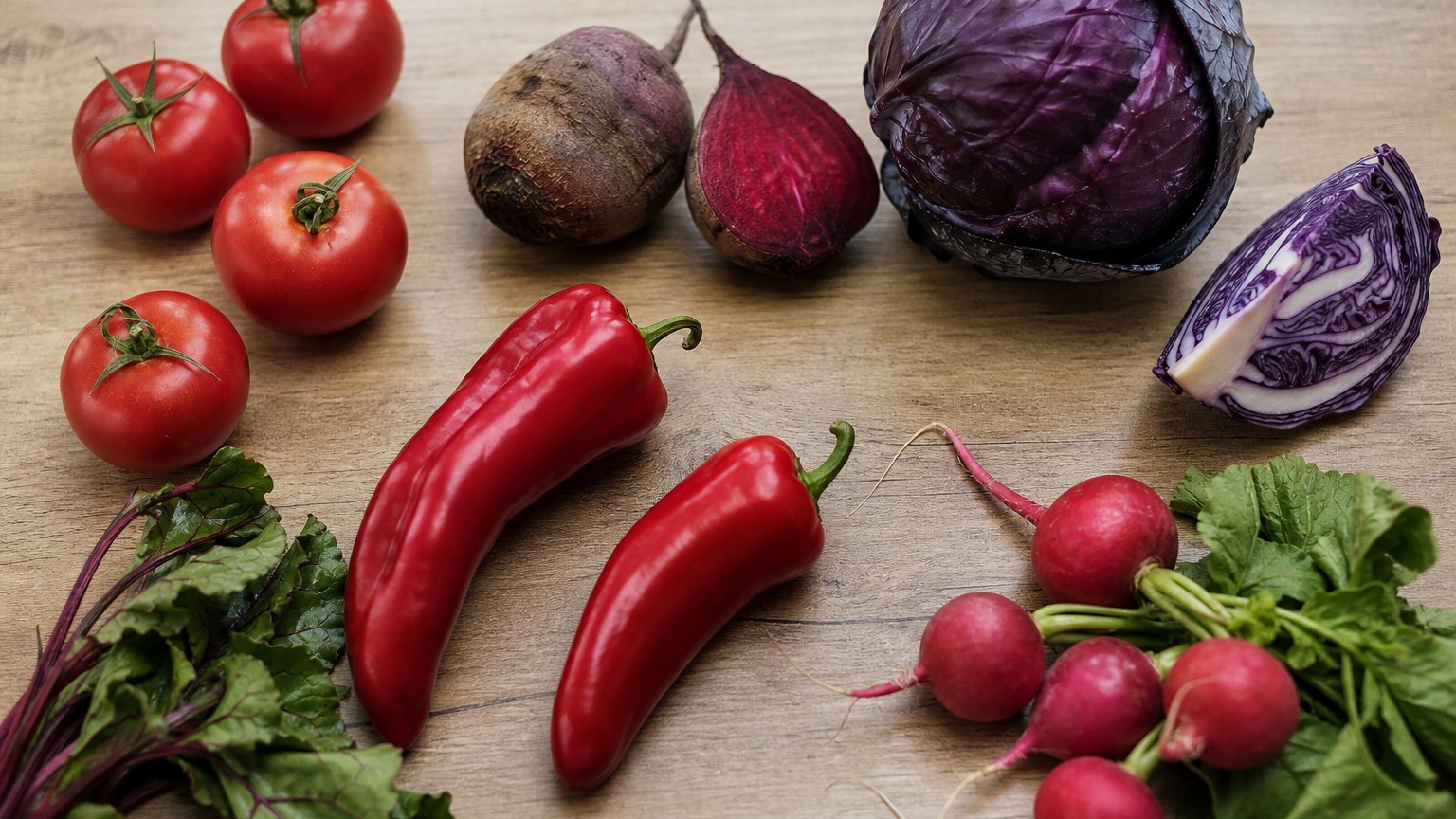
Red vegetables provide fiber, vitamins, minerals, and plant pigments that support everyday wellness. Their benefits differ because tomatoes, beets, red cabbage, and red peppers do not get their color from the same compounds. Here is what those pigments do, what the research actually shows, and how preparation changes what your body can absorb.
Key Takeaways
- The pigment matters: Lycopene, betalains, and anthocyanins have different chemistry and should not be treated as interchangeable.
- Cook tomatoes strategically: Heat breaks down tomato tissue, while a little dietary fat helps your body absorb lycopene.
- Keep expectations realistic: Pigments act as antioxidants, but human research does not support treating red vegetables as medicine.
- Look beyond color: Beets also provide dietary nitrate, while red cabbage offers fiber, vitamin C, vitamin K, and other plant compounds.
- Choose variety and consistency: Eating several red foods across the week is more useful than searching for one healthiest option.
Why Red Vegetables Are Red
The red color in vegetables comes from natural plant pigments. Plants use these compounds to attract pollinators, respond to sunlight, and protect their tissues. When you eat the plant, the pigments become part of a much larger nutritional package that includes fiber, vitamins, minerals, and hundreds of other plant compounds.
There is no single "red nutrient." Tomatoes are rich in lycopene, a red carotenoid pigment. Beets contain betalains, especially the red-purple pigment betacyanin. Red cabbage gets its deep color from anthocyanins. Red peppers mainly contain carotenoids called capsanthin and capsorubin, not large amounts of lycopene. Red radish skins and some red potato skins also contain anthocyanins.
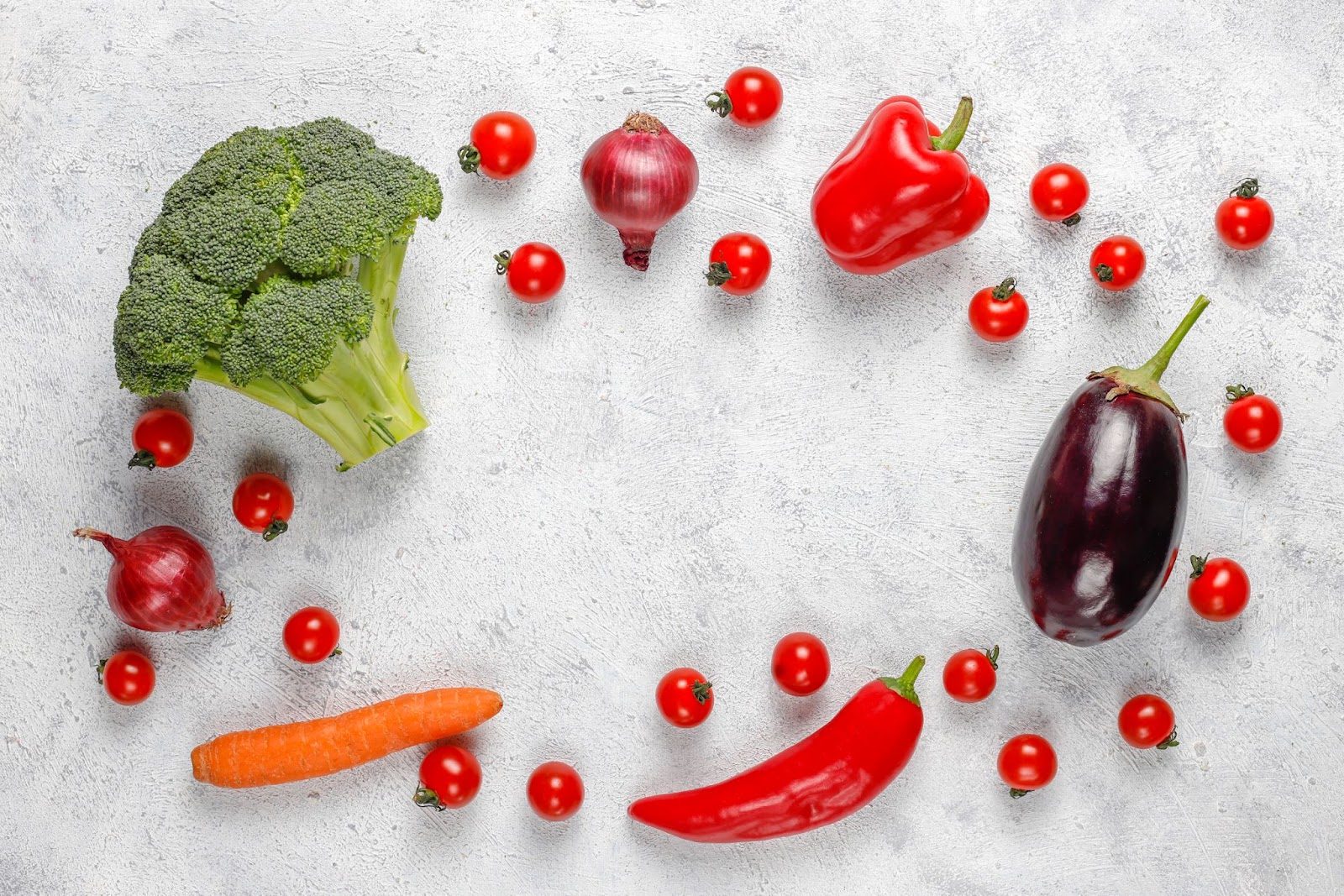
Tomatoes, beets, red cabbage, peppers, and radishes get their color from different families of plant pigments.
These differences matter because each pigment behaves differently during storage, cooking, and digestion. Lycopene dissolves in fat and often becomes easier to absorb after tomatoes are cooked. Anthocyanins dissolve in water and can escape into cooking liquid. Betalains are sensitive to prolonged heat. A red color alone cannot tell you how much of any compound is present or how much your body will absorb.
Pigments are often called antioxidants. An antioxidant is a substance that can interact with unstable molecules known as free radicals. This activity is easy to observe in a laboratory. Human health is more complicated, so a food's antioxidant score does not prove a specific result inside your body.
The practical lesson is simple. Treat color as a clue, not a guarantee. A plate containing tomatoes, beets, red cabbage, peppers, and radishes gives you a broader mix than relying on one red vegetable every day.
Lycopene and Why Cooking Helps
Lycopene is a carotenoid, the family of pigments that gives many plants yellow, orange, and red shades. Tomatoes and tomato products are the main lycopene sources in many diets. Watermelon and pink grapefruit also contain it, although they are fruits rather than vegetables.
Inside a raw tomato, lycopene is held within firm plant cell structures. Chopping and heating break down those structures. Heat also changes some lycopene molecules into shapes called cis isomers, which the body can generally absorb more easily than the forms dominant in raw tomatoes. This is why cooked tomato sauce, paste, and soup can deliver more absorbable lycopene than the same amount of raw tomato.

Cooked tomatoes paired with a small amount of dietary fat can provide lycopene in a form the body absorbs more easily.
Lycopene is fat-soluble, meaning it dissolves in fat rather than water. Pairing cooked tomatoes with a modest amount of olive oil, avocado, nuts, or another source of dietary fat can improve absorption. You do not need a heavy or oily meal. A spoonful of olive oil in tomato sauce is a practical example.
Cooking still involves trade-offs. Tomatoes supply vitamin C, which can decline with prolonged heat. Raw tomatoes also contribute water, texture, and freshness. Instead of declaring raw or cooked tomatoes better, use both. Add fresh tomatoes to salads and sandwiches, then include tomato sauce, roasted tomatoes, or soup elsewhere in the week.
Choose canned tomato products with sodium in mind. Plain crushed tomatoes, no-salt-added sauce, and tomato paste can be useful pantry options. Lycopene survives normal canning and cooking well, so convenience does not automatically mean lower nutritional value.
Research has examined lycopene in relation to antioxidant activity and normal cardiovascular and cellular function. Results vary by food, dose, and study design. Lycopene-rich foods can support a varied diet, but they should not be presented as a treatment for any condition.
Betalains in Beets
Beets have different chemistry from tomatoes. Their intense red-purple color comes mainly from betalains, a group of water-soluble pigments. Betanin is the best-known red betalain. Yellow and golden beets contain more yellow betalain pigments known as betaxanthins.
Betalains show antioxidant activity in laboratory testing. Small human studies have explored beetroot foods and juices in relation to exercise recovery, circulation, and markers of oxidative stress. The findings are interesting, but the evidence is still limited. Studies often use different beet products, serving sizes, nitrate levels, and participant groups, which makes broad conclusions difficult.
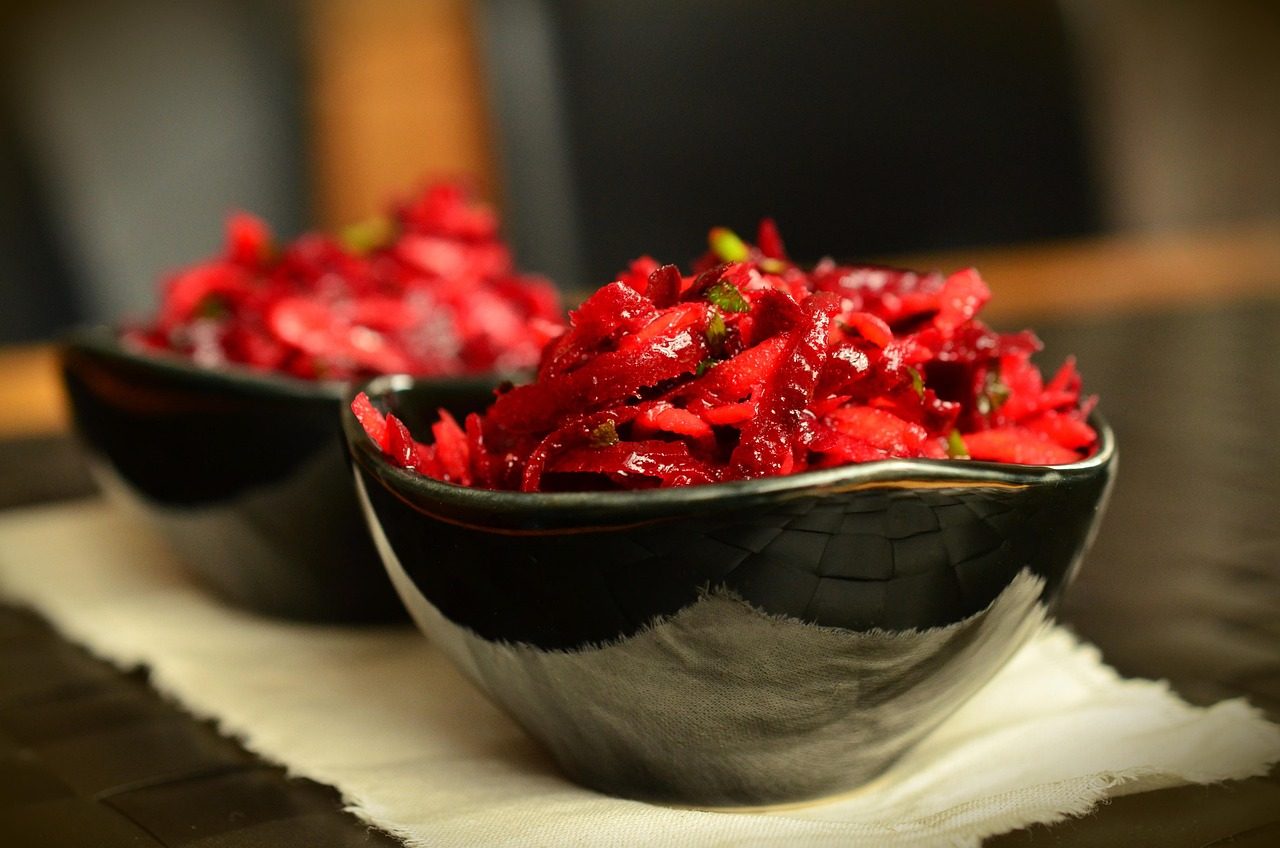
Beets contain red-purple betalain pigments as well as fiber, folate, potassium, and dietary nitrate.
Preparation affects these pigments. Long cooking times and high heat can reduce betalain content. Roasting or steaming beets until just tender is a reasonable approach. Raw grated beets also work in salads and slaws. Pickled beets remain useful, although some products contain substantial sodium or added sugar. Check the label if either matters to you.
Beets provide more than pigment. Whole beets contain fiber, folate, potassium, and dietary nitrate. The leafy tops are edible too. Beet greens can be sauteed or added to soups, and they provide a different mix of nutrients from the root.
Do not be alarmed if your urine or stool turns pink or red after eating beets. This harmless effect is called beeturia. It happens because some pigment passes through the body without being fully broken down. If discoloration occurs without recent beet intake, continues, or comes with pain or other symptoms, contact a healthcare professional rather than assuming beets are responsible.
Beets also contain oxalates, natural compounds relevant to some people with kidney concerns. Talk to your doctor before making major dietary changes or using concentrated beet supplements if you have a kidney condition.
Anthocyanins in Red Cabbage and Berries
Anthocyanins are water-soluble pigments that can look red, purple, or blue. Their exact color changes with acidity. That is why red cabbage becomes brighter pink when mixed with lemon juice or vinegar and more blue-green in an alkaline environment.
Red cabbage is one of the most practical vegetable sources. It also supplies fiber, vitamin C, vitamin K, and glucosinolates, sulfur-containing compounds found in cruciferous vegetables. Radishes, red onions, purple carrots, and the skins of some potatoes contain anthocyanins too. The amount varies with plant variety, ripeness, storage, and preparation.
Berries are fruits, but they belong in this pigment discussion because strawberries, raspberries, cherries, and deeply colored berries can broaden your anthocyanin intake. No special red berry has a benefit unique to women. These foods provide the same general nutrients and plant compounds regardless of sex, although individual nutritional needs can differ.
Human studies have examined anthocyanin-rich foods in relation to healthy blood vessel function, cognition, and the body's normal response to oxidative stress. Some results are encouraging, but others are mixed. A bowl of cabbage or berries contains a complex food mixture, so researchers cannot always attribute an observed effect to anthocyanins alone.
Because anthocyanins dissolve in water, boiling red cabbage can move some pigment into the cooking liquid. Quick sauteing, steaming, roasting, or eating it raw can retain more color. If you simmer cabbage in soup, you still consume compounds that moved into the broth.
Raw cabbage may cause gas or bloating for some people. Start with a small amount or try it cooked. Red cabbage is also rich in vitamin K. If you take a prescription blood thinner, talk to your doctor before changing how much you eat, since consistency may be important.
Nitrate and Blood Flow
The red pigment in beets often gets credit for effects that may actually come from dietary nitrate. Nitrate is a naturally occurring compound found in beets, arugula, spinach, lettuce, and other vegetables. It is not a red pigment, and a deeper red beet does not automatically provide more nitrate.
After you eat nitrate-rich food, bacteria in your mouth help convert nitrate into nitrite. The body can then use nitrite to produce nitric oxide, a signaling molecule that helps blood vessels relax and supports healthy circulation. This mouth-to-body pathway is one reason frequent use of strong antibacterial mouthwash around a nitrate-rich meal may reduce conversion.
Research on beetroot juice and nitrate has examined exercise efficiency, oxygen use, endurance, and blood vessel function. Some studies report modest support, especially in recreationally active people. Other studies find little or no meaningful change. Trained athletes may respond differently from beginners, and nitrate content varies considerably among beet juices, powders, and whole beets.
Timing also matters in exercise research. The nitrate pathway generally builds over a few hours, so studies often provide beetroot about two to three hours before activity. That context does not establish a required dose for everyone. Whole vegetables can simply be eaten as part of regular meals, while any supplement should be used according to its label.
Nitrate-rich vegetables are not the same as processed meats containing added nitrites and other ingredients. Food source and overall dietary pattern matter.
Talk to your doctor before using concentrated beet or nitrate supplements if you take prescription medication, are pregnant or breastfeeding, have an existing medical condition, or have kidney or liver concerns. Supplements can support a routine, but more is not automatically better.
Getting More of Them Into a Week
You do not need a separate red vegetable at every meal. Aim for variety across the week while continuing to eat green, orange, yellow, white, and purple produce. Different colors often signal different compounds, and no color group covers every nutritional need.
A simple weekly plan might look like this:
- Roast a tray of beets and red onions. Use them in grain bowls, salads, or wraps for several days.
- Make tomato sauce with olive oil. Freeze extra portions for pasta, beans, eggs, or vegetable dishes.
- Slice red peppers for snacks. Pair them with hummus, yogurt dip, or a meal containing protein.
- Shred red cabbage once. Add it to tacos, salads, sandwiches, or a quick vinegar-based slaw.
- Keep frozen berries available for oatmeal or smoothies when fresh produce is inconvenient.
- Add sliced radishes to bowls and salads for crunch without extra cooking.
A practical weekly routine can combine fresh, cooked, frozen, and canned red produce for greater variety.
Mix raw and cooked preparations. Raw peppers and cabbage retain their crisp texture and vitamin C. Cooked tomatoes offer more absorbable lycopene. Lightly cooked beets can preserve more betalain color than prolonged heating. Frozen vegetables and berries are useful because freezing generally retains much of their nutrition. Canned tomatoes are especially practical for lycopene, though checking sodium is worthwhile.
Whole vegetables should do most of the work. Their fiber supports digestion, while their water and volume help meals feel satisfying. Juice removes much of the fiber, and extract powders usually provide less volume than food. Those forms may be convenient, but they are additions rather than nutritional substitutes.
Consistency matters more than chasing a perfect serving. Try adding one red produce item to your usual shopping list each week. Once that becomes automatic, rotate in another. This approach creates a broader diet without requiring a complete meal-plan overhaul.
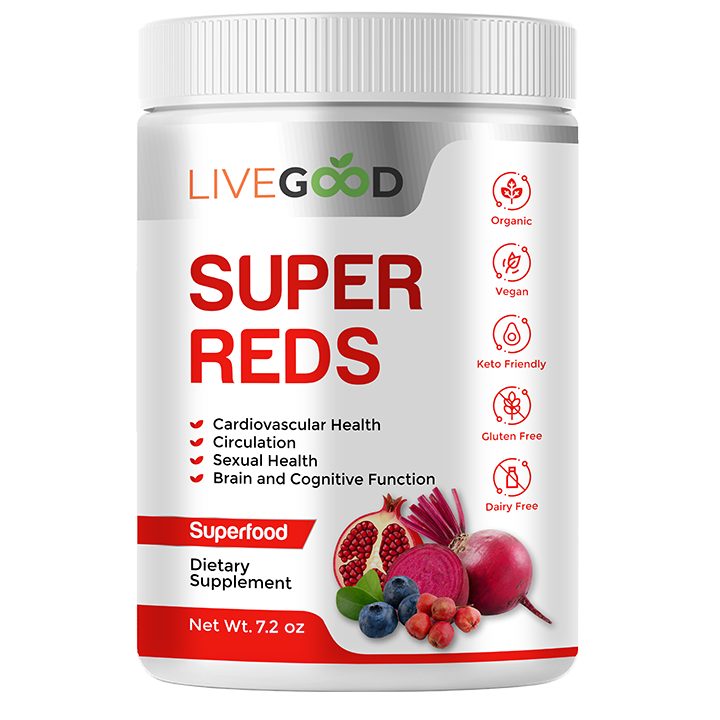
LiveGood Organic Super Reds is a great-tasting red fruit and vegetable extract powder formulated to support the body's nitric oxide production and healthy blood circulation. Mix it with water or a smoothie as a pre-workout option or afternoon pick-me-up, following label directions. It is $19.95 for members versus $34.95 retail, reflecting LiveGood's "Highest Quality. Lowest Prices. Every Day." approach. It is a convenient addition, not a replacement for whole vegetables, which provide fiber and filling volume.
Frequently Asked Questions
What are the benefits of red vegetables?
Red vegetables provide fiber, vitamins, minerals, and several types of colorful plant compounds. Depending on the food, you may get lycopene, betalains, anthocyanins, carotenoids, or dietary nitrate. Together, these nutrients support normal digestion, antioxidant defenses, circulation, and general wellness. The benefits come from the overall food and dietary pattern, not its red color alone.
Which red vegetables are healthiest?
There is no single healthiest red vegetable because each offers a different nutritional mix. Tomatoes stand out for lycopene, beets for betalains and nitrate, red cabbage for anthocyanins and fiber, and red peppers for vitamin C and carotenoids. Rotating these foods is more useful than choosing one winner, especially when they are part of an otherwise varied diet.
Does cooking destroy nutrients in red vegetables?
Cooking changes nutrients rather than destroying all of them. Heat can reduce vitamin C and some betalains or anthocyanins, particularly during long boiling. However, cooking tomatoes breaks down plant tissue and makes lycopene easier to absorb, especially when eaten with a little fat. Using both raw and cooked red vegetables gives you different nutritional advantages.
Can a powder replace red vegetables?
A reds powder cannot fully replace whole red vegetables because it usually provides less fiber, water, texture, and food volume. It can be a convenient way to add concentrated plant extracts when shopping or preparation is difficult. Use it alongside regular meals, follow the label directions, and treat it as support for a varied diet rather than a substitute for produce.
How many servings should you eat?
There is no separate daily requirement for red vegetables, but including them several times a week is a practical goal. Many adults can use roughly 2 to 3 cups of total vegetables per day as a general benchmark, though needs vary with age, activity, and overall intake. Let red vegetables fill part of that total while continuing to eat produce in other colors.