
Reishi vs Ashwagandha: Differences and Safety
 Written by Ben Glinsky
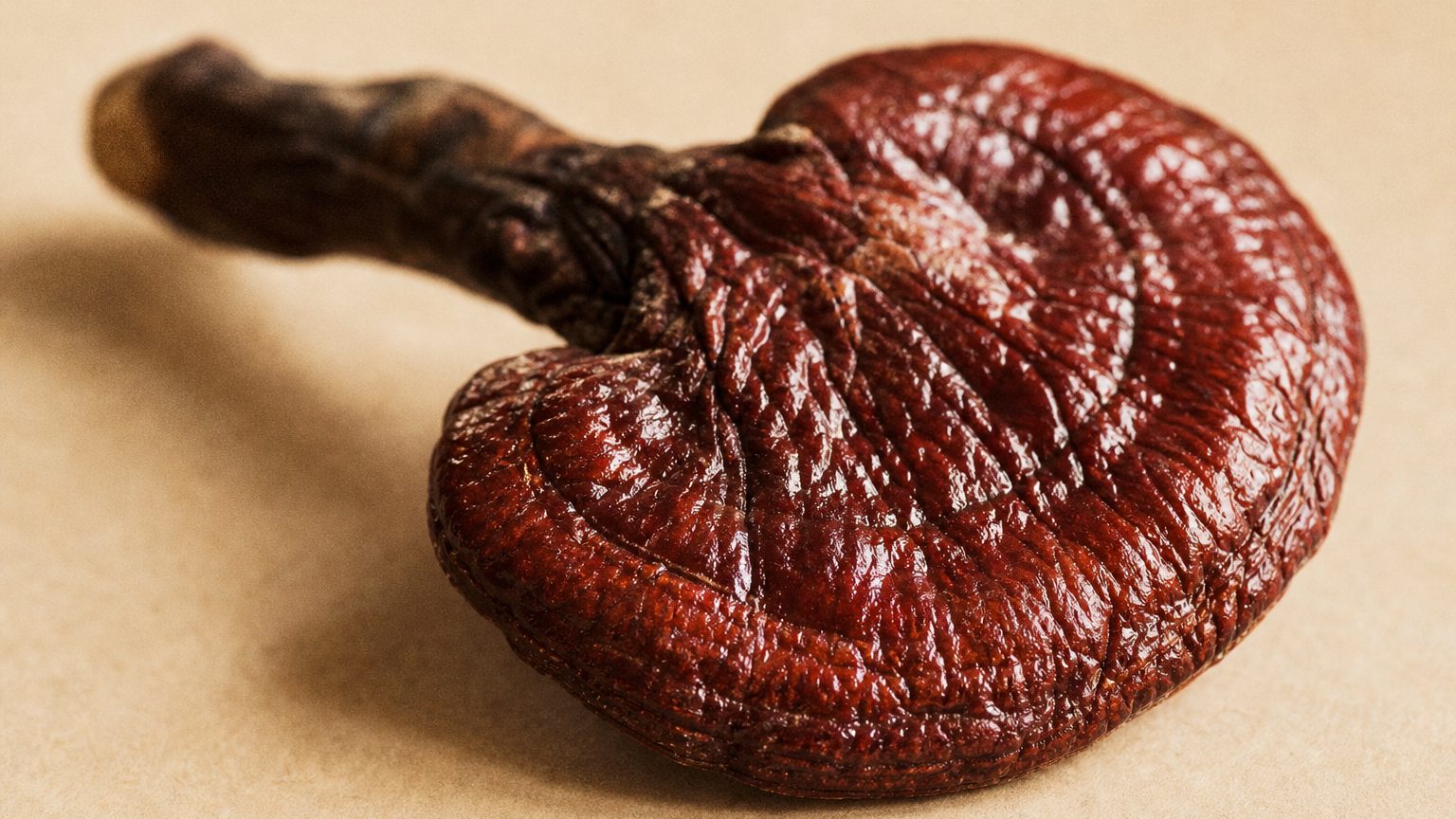
Reishi and ashwagandha are both called adaptogens, but they are not interchangeable. Reishi is a fungus traditionally used for immune and sleep support, while ashwagandha is a root studied mainly for stress, cortisol, and sleep. Here is what the research actually shows, plus the safety differences that matter.
Key Takeaways
- They come from different kingdoms: Reishi is a fungus, while ashwagandha is a plant whose root is commonly used in supplements.
- Their research focuses differ: Reishi research often examines immune activity, fatigue, and sleep, while ashwagandha research centers on stress and cortisol.
- Ashwagandha has important cautions: Reports of liver injury exist, it is not recommended during pregnancy, and it may interact with thyroid and sedative medications.
- Reishi can affect bleeding risk: It may interact with anticoagulants and other medicines that reduce blood clotting.
- Combining them is not well studied: Taking both may be reasonable for some adults, but safety depends on your medications, conditions, and response.
One Is a Mushroom, One Is a Root
The word adaptogen can make reishi and ashwagandha sound like members of one supplement family. Adaptogen is a broad wellness term for a substance said to help the body respond to physical or mental stress. It does not tell you what an ingredient contains, how it works, or whether strong human evidence supports a particular use.
Reishi, often labeled Ganoderma lucidum or Ganoderma lingzhi, is a fungus. Supplements may use the fruiting body, which is the visible mushroom, or mycelium, the threadlike network from which a mushroom grows. Reishi contains complex carbohydrates called beta-glucans, along with compounds known as triterpenes. Researchers are interested in how these substances may influence immune signaling and other body processes.
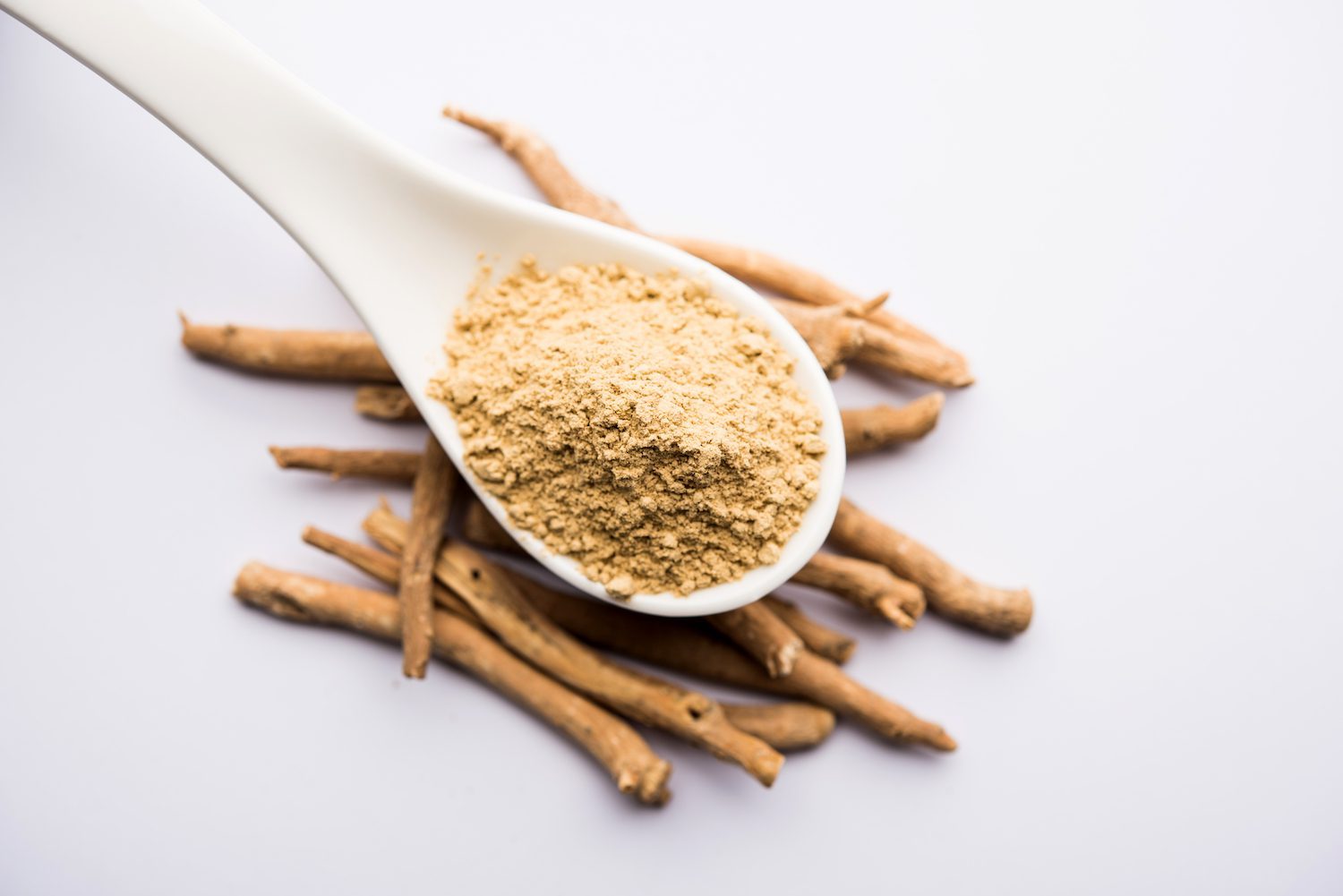
Ashwagandha, or Withania somnifera, is a shrub used in Ayurveda, a traditional medical system from India. Most supplements use extracts from its root, although some include leaves. Its best-known compounds are withanolides. Extract concentration, plant part, and withanolide content can differ substantially between products.
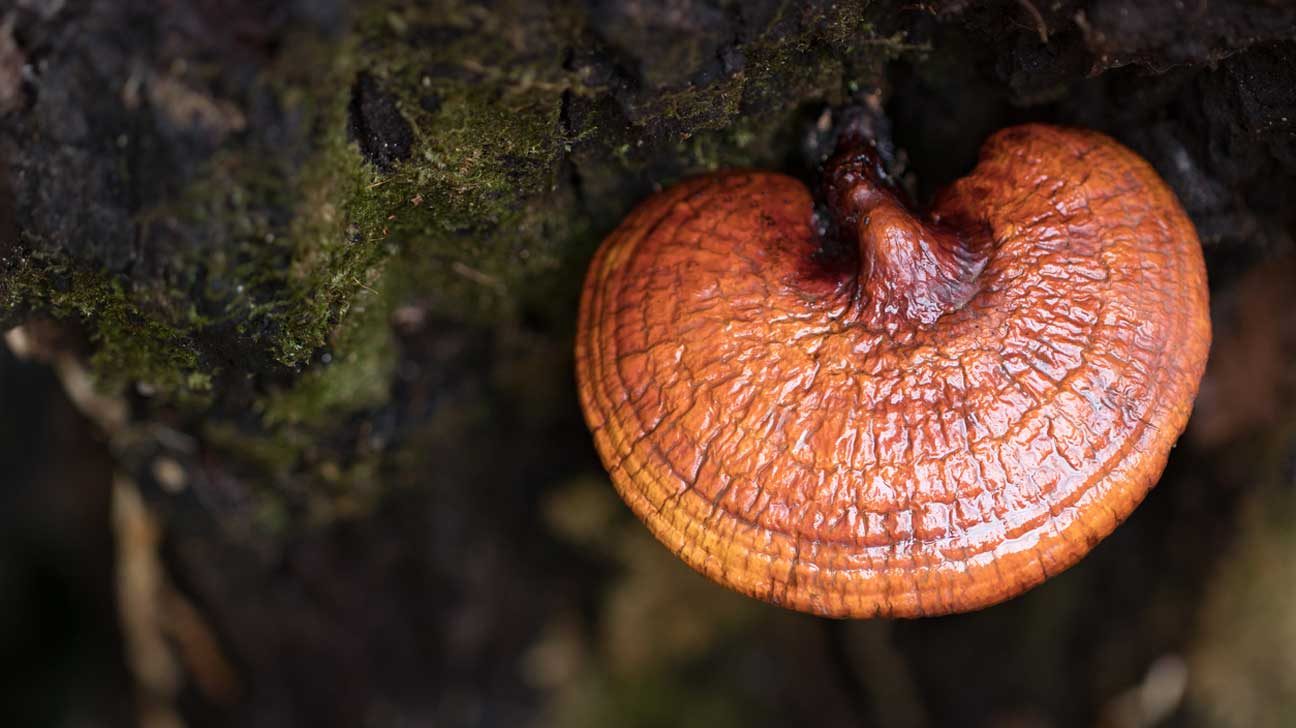
Reishi comes from a fungus, while ashwagandha supplements typically use the root of the Withania somnifera plant.
These differences matter when you compare research. Results from one reishi preparation may not apply to every mushroom powder, and results from one standardized ashwagandha extract may not apply to plain root powder. Neither ingredient is automatically stronger. The better match depends on your goal, the exact preparation, and whether it is safe for you.
What Reishi Is Studied For
Reishi has a long history of traditional use in East Asia. Modern studies most often examine immune markers, fatigue, general well-being, and sleep. However, the evidence is much thinner than many supplement descriptions suggest.
Beta-glucans in mushrooms can interact with immune cells. Small human studies of reishi have measured changes in immune markers, which are signals or cell counts used to observe immune activity. A change in a laboratory marker does not automatically mean fewer illnesses or a meaningful improvement in everyday health. Studies also use different species, extracts, amounts, and testing periods, making the results hard to compare.
Some research has explored reishi for fatigue and quality of life. A few small trials report improvements in self-rated well-being, but sample sizes are limited and findings have not been consistent. Reishi should not replace medical evaluation for ongoing exhaustion, weakness, or unexplained changes in health.

Reishi research often examines beta-glucans, immune signaling, fatigue, and sleep, but strong human evidence remains limited.
Sleep is another popular reason people choose reishi. Traditional use and animal research provide much of the enthusiasm, while strong human sleep trials remain scarce. There is not enough evidence to say reishi reliably shortens the time it takes to fall asleep or improves sleep quality. It also is not an established treatment for insomnia.
The practical conclusion is modest. Reishi may support a wellness routine, particularly for someone interested in mushroom beta-glucans, but its effects are not predictable. Honest, evidence-grounded education means separating traditional use, early laboratory findings, and demonstrated human outcomes rather than treating them as equal.
What Ashwagandha Is Studied For
Ashwagandha has more human research related to stress than reishi does, although the evidence still has limits. Several small, short-term trials have examined perceived stress scores and cortisol. Cortisol is a hormone involved in the body's stress response, energy use, and daily sleep-wake rhythm.
Some trials have found that standardized ashwagandha extracts support lower perceived stress scores or changes in cortisol compared with a placebo. A placebo is an inactive comparison used to help researchers separate an ingredient's effect from expectations and normal variation. These findings do not mean ashwagandha treats an anxiety disorder, and they do not show that everyone with daily stress will notice a clear difference.

Ashwagandha has been studied mainly for perceived stress, cortisol, and sleep using several different standardized extracts.
Researchers have also studied ashwagandha for sleep. Some trials suggest modest support for sleep quality or the time needed to fall asleep, particularly in people who already report poor sleep. The studies tend to be small, use different extracts, and last only several weeks. Ashwagandha is not a proven treatment for insomnia, and persistent sleep trouble deserves medical attention.
Other research areas include exercise performance, strength, cognition, and reproductive measures. Findings are preliminary or inconsistent, so these are not strong reasons to assume a general ashwagandha supplement will produce a specific result.
Product differences are especially relevant. Root-only extracts, root-and-leaf extracts, and plain powders can have different withanolide levels. Study findings from a named, standardized extract cannot simply be transferred to every capsule or gummy. Follow the label rather than trying to recreate a research amount on your own, and judge any effect over a consistent routine rather than expecting a quick fix.
Side Effects and Safety Differences
Ashwagandha's safety cautions deserve more attention than they often receive. Common side effects can include stomach upset, loose stools, nausea, and drowsiness. These may be more noticeable when it is taken alongside other substances that cause sleepiness.
Reports of liver injury linked to ashwagandha supplements exist. This reaction appears uncommon, but it can be serious. Stop taking it and seek medical care if you develop yellow skin or eyes, dark urine, unusual itching, severe nausea, abdominal pain, or unexplained fatigue. People with current or previous liver conditions should talk to their doctor before considering it.
Ashwagandha is not recommended during pregnancy. If you are breastfeeding, trying to become pregnant, or receiving fertility care, ask your doctor before using it. Ashwagandha may also affect thyroid hormone levels. That creates concern for people with thyroid conditions or those taking thyroid medication. It may interact with sedatives, and caution is also appropriate with medicines that affect the immune system, blood sugar, or blood pressure.
Medication use, pregnancy, liver health, thyroid health, and bleeding risk can change whether either supplement is appropriate.
Reishi more often causes digestive discomfort, dry mouth, itching, dizziness, or a rash. Allergic reactions are possible with any mushroom product. Reishi may increase bleeding risk, particularly when combined with anticoagulants or antiplatelet medicines. These include prescription medicines used to reduce blood clotting. Anyone preparing for surgery should tell the surgical team about all supplements well in advance.
Long-term safety data are limited for both ingredients. Stop using either one if you develop concerning symptoms. If you take prescriptions, have a liver, kidney, thyroid, bleeding, immune, or other medical condition, or are pregnant or breastfeeding, talk to your doctor or pharmacist before use.
Can You Take Them Together?
There is no well-established rule that reishi and ashwagandha cannot be used together. However, there is also little direct research testing the combination. Most studies evaluate one ingredient, one specific extract, and a defined group of participants. That means researchers cannot confidently describe the combined benefits, ideal timing, or long-term safety.
Your individual risk matters more than the adaptogen label. Ashwagandha may cause drowsiness, and reishi can cause dizziness in some people. Taking them together could make it harder to identify which ingredient caused an unwanted effect. Combining several products may also expose you to overlapping ingredients or amounts that are not obvious from the front label.
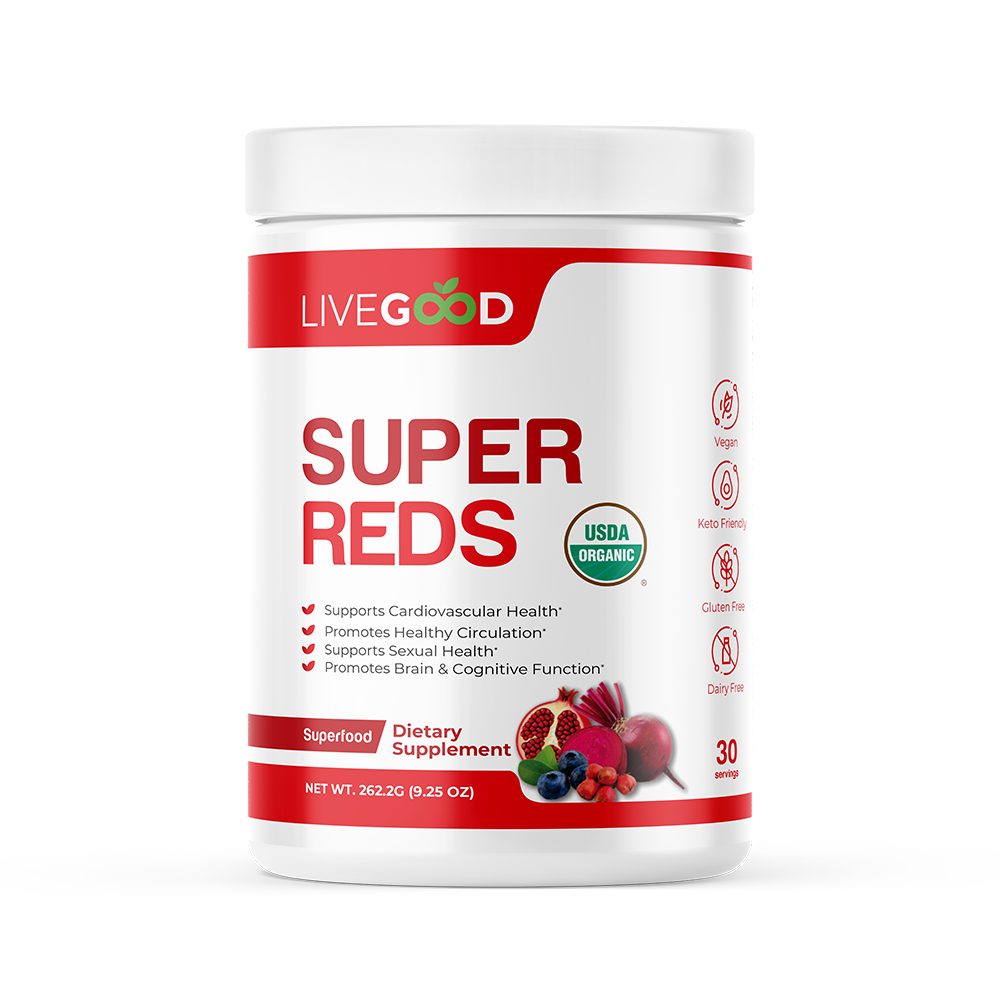
Clear ingredient labels help you compare the plant or mushroom part, extract type, and amount before combining supplements.
If a clinician says both are appropriate, use products with clear labels and follow their directions. Check whether the reishi is made from fruiting body, mycelium, or both. For ashwagandha, look for the plant part, extract amount, and any listed withanolide standardization. Avoid proprietary blends that hide the amount of each ingredient.
Do not begin both on the same day simply because they are marketed as complementary. Introducing one at a time makes it easier to notice stomach upset, sleepiness, rash, or other changes. Supplements should support a consistent routine that already includes sleep, balanced meals, movement, and appropriate medical care. They are not substitutes for those foundations.
The combination is a poor fit without medical guidance if you use anticoagulants, thyroid medication, sedatives, or other prescriptions. The same applies if you are pregnant, breastfeeding, preparing for surgery, or managing an existing condition. Bring both labels to your doctor or pharmacist so they can review the complete ingredient lists and possible interactions.
Frequently Asked Questions
What is the difference between reishi and ashwagandha?
Reishi is a fungus studied mainly for immune signaling, fatigue, and sleep support, while ashwagandha is a plant root studied mostly for stress, cortisol, and sleep. Their active compounds and safety concerns also differ. Reishi contains beta-glucans and triterpenes. Ashwagandha contains withanolides and has more significant cautions involving pregnancy, liver injury reports, thyroid medication, and sedatives.
Can you take reishi and ashwagandha together?
Some adults may be able to take reishi and ashwagandha together, but the combination has not been studied well. Using both could increase drowsiness or make side effects harder to trace. Ask your doctor or pharmacist first if you take medication, have a medical condition, are pregnant or breastfeeding, or expect to have surgery.
Which is better for sleep, reishi or ashwagandha?
Ashwagandha has more direct human sleep research than reishi, but neither is proven to treat insomnia. Small ashwagandha trials suggest modest sleep support, while many reishi sleep claims rely on traditional use or animal research. Your safety profile matters too, since ashwagandha may cause drowsiness and interact with sedative or thyroid medication.
What are the side effects of ashwagandha?
Ashwagandha can cause nausea, loose stools, stomach discomfort, and drowsiness. Rare reports of liver injury have also occurred. It is not recommended during pregnancy and may interact with thyroid medicine, sedatives, and some other medications. Stop using it and seek care for yellow skin or eyes, dark urine, severe nausea, itching, or unusual fatigue.
Who should not take reishi mushroom?
People taking anticoagulants or antiplatelet medicines should avoid reishi unless a clinician approves it because reishi may increase bleeding risk. Extra caution is needed before surgery and for people with mushroom allergies, bleeding conditions, or other medical concerns. Anyone who is pregnant, breastfeeding, or taking prescription medication should ask a doctor or pharmacist before using it.