
Signs You Are Not Eating Enough Protein
 Written by Ben Glinsky
Ask AI about this article and Organic Complete Plant-Based Protein





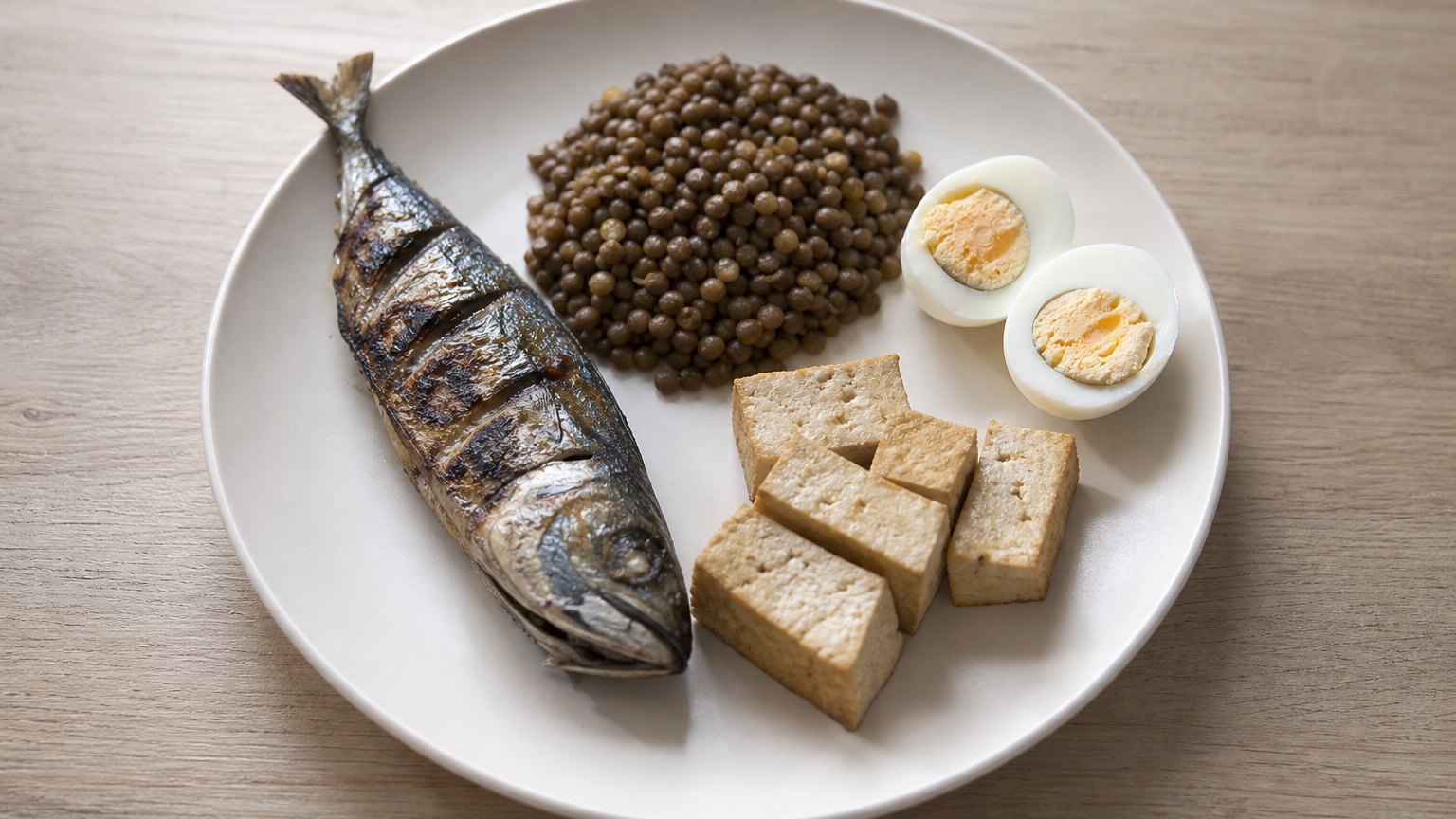
Too little protein can eventually contribute to muscle loss, weakness, swelling, and poor healing. However, true protein deficiency is uncommon in well-fed populations, and vague symptoms such as fatigue or hair loss often have other causes. Here is how to recognize serious signs, identify suboptimal intake, and estimate what you actually eat.
Key Takeaways
- True deficiency is uncommon: Most people in developed countries are more likely to have suboptimal intake than severe protein deficiency.
- Symptoms are not proof: Fatigue, hair changes, weakness, and slow healing have many possible causes and should not be self-diagnosed.
- Muscle changes matter: Unplanned muscle loss, declining strength, and poor recovery may justify reviewing your overall diet with a professional.
- Older adults may need more: Aging muscles respond less efficiently to protein, a process called anabolic resistance.
- A short food log helps: Tracking three typical days can show whether your usual intake matches a reasonable target.
Deficiency vs Suboptimal Intake
Protein is made of amino acids, small building blocks your body uses to maintain muscles, skin, enzymes, hormones, immune components, and other tissues. Nine amino acids are considered essential because your body cannot make enough of them. You need to get them from food.
True protein deficiency means your body is not receiving enough protein to maintain basic functions. In developed countries, this is uncommon among people who have reliable access to food and eat a varied diet. It is more likely to occur alongside severe calorie deprivation, a medical condition that interferes with digestion or absorption, or an extremely restrictive diet.

A varied diet usually provides enough protein to prevent true deficiency, although some eating patterns may still fall short of personal needs.
Suboptimal intake is different. You may eat enough protein to avoid a clinical deficiency but still get less than is useful for maintaining muscle, supporting recovery, or staying well nourished during aging or weight loss. This quieter gap is much more common. It can happen when breakfast is mostly toast or cereal, lunch is light, and nearly all the day's protein arrives at dinner.
That distinction matters because symptoms alone cannot tell you which situation applies. Feeling tired after a stressful week is not evidence of protein deficiency. Neither is one difficult workout. Your overall eating pattern, weight changes, medical history, and physical findings provide more useful information.
For most readers, the goal is not to treat a deficiency. It is to check whether regular meals provide enough protein for your age, body size, activity, and health.
What Genuine Deficiency Looks Like
Severe protein deficiency affects multiple body systems. One classic form is kwashiorkor, a serious type of malnutrition most often seen in children living with severe food insecurity. It can involve swelling, changes in the skin or hair, poor growth, loss of muscle, an enlarged abdomen, and greater vulnerability to infection. It requires medical care, not a protein shake or a home nutrition plan.

Severe protein deficiency is a form of malnutrition that requires professional medical care.
Swelling, also called edema, is one concerning sign. It may appear in the feet, legs, hands, or abdomen. In severe malnutrition, low levels of blood proteins can allow fluid to move into surrounding tissues. However, edema can also be caused by heart, kidney, liver, vein, or medication-related problems. New or unexplained swelling should be assessed by a doctor.
Other possible findings include pronounced muscle wasting, major weakness, unintended weight loss, slow wound healing, repeated infections, and impaired growth in children. These findings usually appear in a broader pattern of inadequate nutrition or illness. They are not specific to protein.

Unexplained swelling, major weakness, or unintended weight loss should be evaluated rather than self-diagnosed.
A doctor may review your diet, examine you, and order tests based on the full situation. A blood protein called albumin may be measured, but a low result does not automatically prove low protein intake. Inflammation, liver disease, kidney disease, hydration, and other factors can affect it.
Seek prompt medical care for substantial swelling, rapid unintended weight loss, severe weakness, confusion, a wound that is not healing, or concerns about a child's growth.
Signs Your Intake May Be Low
Suboptimal protein intake often has no clear early symptom. The most useful clue may be your eating pattern. If meals regularly contain little more than fruit, bread, pasta, or salad, your protein intake may be lower than you assume.
Over time, inadequate protein and calorie intake can contribute to loss of muscle and strength. You might notice that carrying groceries, climbing stairs, or getting up from a chair is becoming harder. Exercise recovery may also feel slower. These changes deserve attention, especially when they occur with unintended weight loss, but inactivity, aging, sleep problems, and many health conditions can cause similar effects.
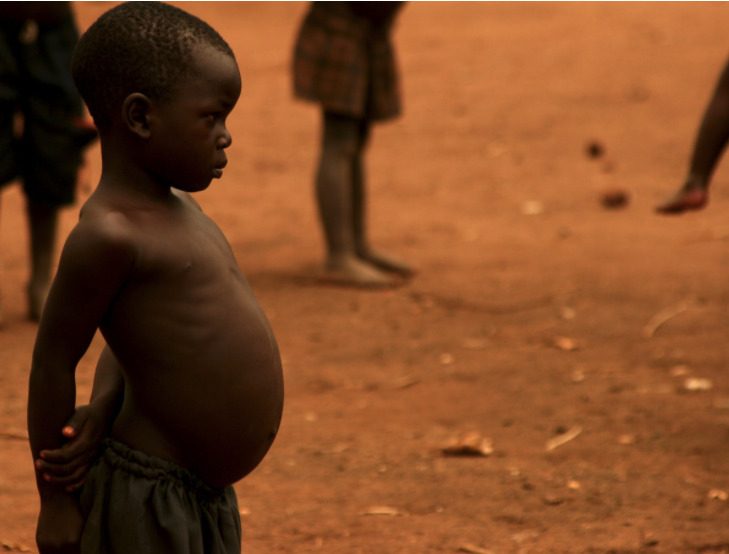
Changes in strength and muscle over time can be more informative than vague symptoms alone.
Persistent hunger after meals can be another reason to inspect meal balance. Protein often helps a meal feel satisfying, but hunger is influenced by total calories, fiber, sleep, stress, and eating habits. Cravings are not a reliable protein deficiency test.
Fatigue, brittle nails, thinning hair, dry skin, and slow healing frequently appear on lists of protein deficiency symptoms. They can occur during serious undernutrition, but they are nonspecific. Iron deficiency, thyroid conditions, hormonal changes, medications, illness, stress, and insufficient calories are only some of the other possibilities. Do not assume that adding protein will solve them.
A more grounded approach is to combine several pieces of information. Review what you eat, note unintended changes in body weight or strength, and consider whether illness or dietary restrictions are involved. If fatigue, hair loss, weakness, or poor healing persists, talk to your doctor rather than trying to diagnose the cause yourself.
Who Is Most at Risk
Low intake is more likely when protein needs rise, appetite falls, food choices narrow, or the body cannot digest and absorb nutrients normally. Older adults deserve particular attention. With age, muscles become less responsive to a small amount of protein. This is called anabolic resistance. It means an older adult may need more protein, distributed across the day, to create the same muscle-building signal seen in a younger person.

Older adults may need more protein because aging muscles respond less efficiently to smaller servings.
People eating in a calorie deficit can also fall short. Smaller portions reduce protein unless meals are planned carefully. This matters during intentional weight loss because the body can lose muscle along with fat. Resistance exercise and adequate protein help support muscle maintenance, but neither guarantees that all muscle loss will be avoided.
Other higher-risk groups include:
- People with a poor appetite, chewing problems, or difficulty swallowing
- Vegans or vegetarians whose meals lack varied, substantial protein sources
- Endurance athletes and people doing frequent strength training
- People recovering from surgery, injury, or a serious illness
- Anyone with a digestive disorder that affects nutrient absorption
- People experiencing food insecurity or following highly restrictive diets
Pregnancy and breastfeeding can also change nutrition needs. Get individualized guidance rather than using a general online target.
Kidney and liver conditions may affect how much protein is appropriate. If you have either condition, another existing medical condition, or take prescription medication, talk to your doctor or a registered dietitian before making a major change. More protein is not automatically better, and the right amount depends on the whole health picture.
How to Estimate What You Eat
For a generally healthy adult, the standard reference intake is about 0.8 grams of protein per kilogram of body weight per day. To convert pounds to kilograms, divide your weight by 2.2. This level is a baseline designed to cover basic needs for most adults, not a personalized target for every goal.
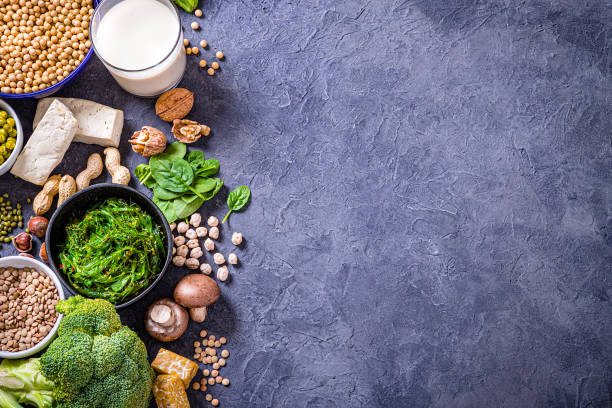
A three-day food log can provide a practical estimate of your average protein intake.
For example, a person who weighs 165 pounds weighs about 75 kilograms. Multiplying 75 by 0.8 gives a baseline of about 60 grams per day. A 120-pound person would have a baseline near 44 grams, while a 200-pound person would be near 73 grams.
Some older adults may benefit from approximately 1.0 to 1.2 grams per kilogram daily because of anabolic resistance. Active people and those reducing calories may also need more than the baseline. These are general ranges, not instructions for treating a deficiency. A doctor or registered dietitian can help adjust them for health conditions and personal goals.
Next, record everything you eat and drink for three typical days. Include portions, snacks, beverages, and powders. Use nutrition labels or a reputable food database to find protein grams. Add the grams for each day, then divide the total by three to find your daily average.
Look at distribution too. If your entire intake comes at dinner, move some protein to breakfast and lunch. A practical meal might contain eggs, yogurt, tofu, beans, fish, poultry, meat, or another substantial source. Exact per-meal needs vary, so consistency matters more than chasing a perfect number.
Treat the calculation as a screening tool. It can reveal a gap, but it cannot diagnose malnutrition or explain symptoms.
How to Increase Intake Practically
Once you know your approximate intake, close any gap gradually. Start with meals you already eat instead of rebuilding your entire diet. Adding one dependable protein source to breakfast or lunch is often easier than making dinner much larger.
Useful options include:
- Add Greek yogurt, cottage cheese, eggs, or soy foods at breakfast.
- Top salads with beans, lentils, tofu, chicken, tuna, or salmon.
- Replace a low-protein snack with yogurt, roasted chickpeas, edamame, or nuts.
- Add lentils or beans to soups, pasta sauces, and grain bowls.
- Use milk or fortified soy milk in oatmeal and smoothies.
- Keep convenient foods such as canned beans, fish packets, or cooked eggs available.
Plant proteins count. Pea, soy, beans, lentils, nuts, seeds, and whole grains can all contribute. Eating a varied diet across the day generally provides the essential amino acids your body needs. You do not need to combine specific plant foods at every meal.

Beans, lentils, soy foods, nuts, seeds, eggs, dairy, fish, poultry, and meat can all contribute to daily protein.
Spread protein among meals when practical, particularly if you are an older adult. This gives your muscles several opportunities to use amino acids during the day. Pair that eating pattern with regular resistance activity, such as weights, resistance bands, or body-weight movements suited to your ability.
Distributing protein across meals can make a daily target easier to reach.
Food should do most of the work because it supplies energy and a wider mix of nutrients. Protein powder can be convenient when appetite, schedule, travel, or dietary preferences make food preparation difficult. It should supplement a balanced pattern rather than replace varied meals. If a large increase causes digestive discomfort, make smaller changes and increase gradually.
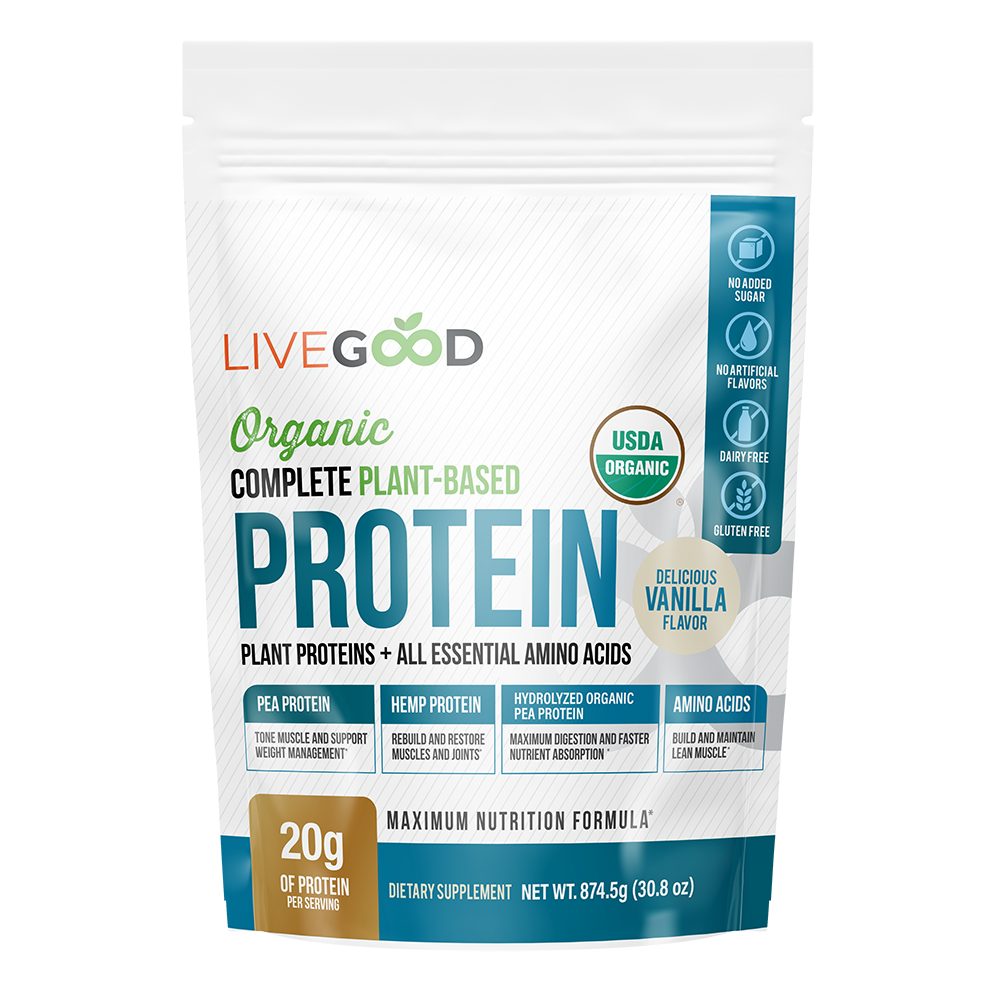
If food alone does not fit your schedule, Organic Complete Plant-Based Protein is a vanilla powder built on organic pea protein, which provides all nine essential amino acids plus BCAAs, and organic hemp protein. It also contains 26 vitamins and minerals. Mix it with water or blend it into a smoothie any time of day. It is $39.95 for members versus $49.95 retail, reflecting LiveGood's mission to "Provide the highest quality supplements in the world, at the lowest prices possible."
Frequently Asked Questions
What are the symptoms of too little protein?
Possible symptoms include muscle loss, weakness, swelling, unintended weight loss, and poor wound healing, especially when overall nutrition is severely inadequate. Less specific complaints such as fatigue, hunger, brittle nails, or hair thinning do not confirm low protein. Because these changes have many possible causes, persistent or concerning symptoms should be discussed with your doctor.
How much protein do you need per day?
Most healthy adults need at least 0.8 grams of protein per kilogram of body weight per day, or about 0.36 grams per pound. Older adults, athletes, and people eating fewer calories may need more. Your ideal amount also depends on health and activity. Ask your doctor or a registered dietitian for guidance if you have kidney disease, liver disease, or another medical condition.
Can you be protein deficient without knowing?
Yes, mildly inadequate or suboptimal protein intake may go unnoticed because it does not produce a unique early symptom. A short food log can reveal that meals consistently provide less protein than your estimated target. Genuine severe deficiency usually develops alongside broader malnutrition or illness and eventually causes clearer health problems, so it requires professional assessment.
Who is most at risk of low protein?
Older adults, people eating in a calorie deficit, those with poor appetite, and anyone following a very restrictive diet face a higher risk of low intake. Risk can also rise with food insecurity, intense training, recovery from illness, or a condition that interferes with digestion or nutrient absorption. Pregnancy and breastfeeding require individualized nutrition advice.
How do you fix low protein intake?
Increase protein by adding a reliable source to each meal and checking your total intake for several days. Eggs, dairy, soy, beans, lentils, fish, poultry, meat, nuts, seeds, and protein powders can all contribute. If low intake is caused by swallowing difficulty, poor appetite, digestive disease, or severe undernutrition, work with a doctor or registered dietitian instead of treating it alone.