
Spinach Powder Benefits and How to Use It
 Written by Ben Glinsky
Ask AI about this article and Organic Super Greens





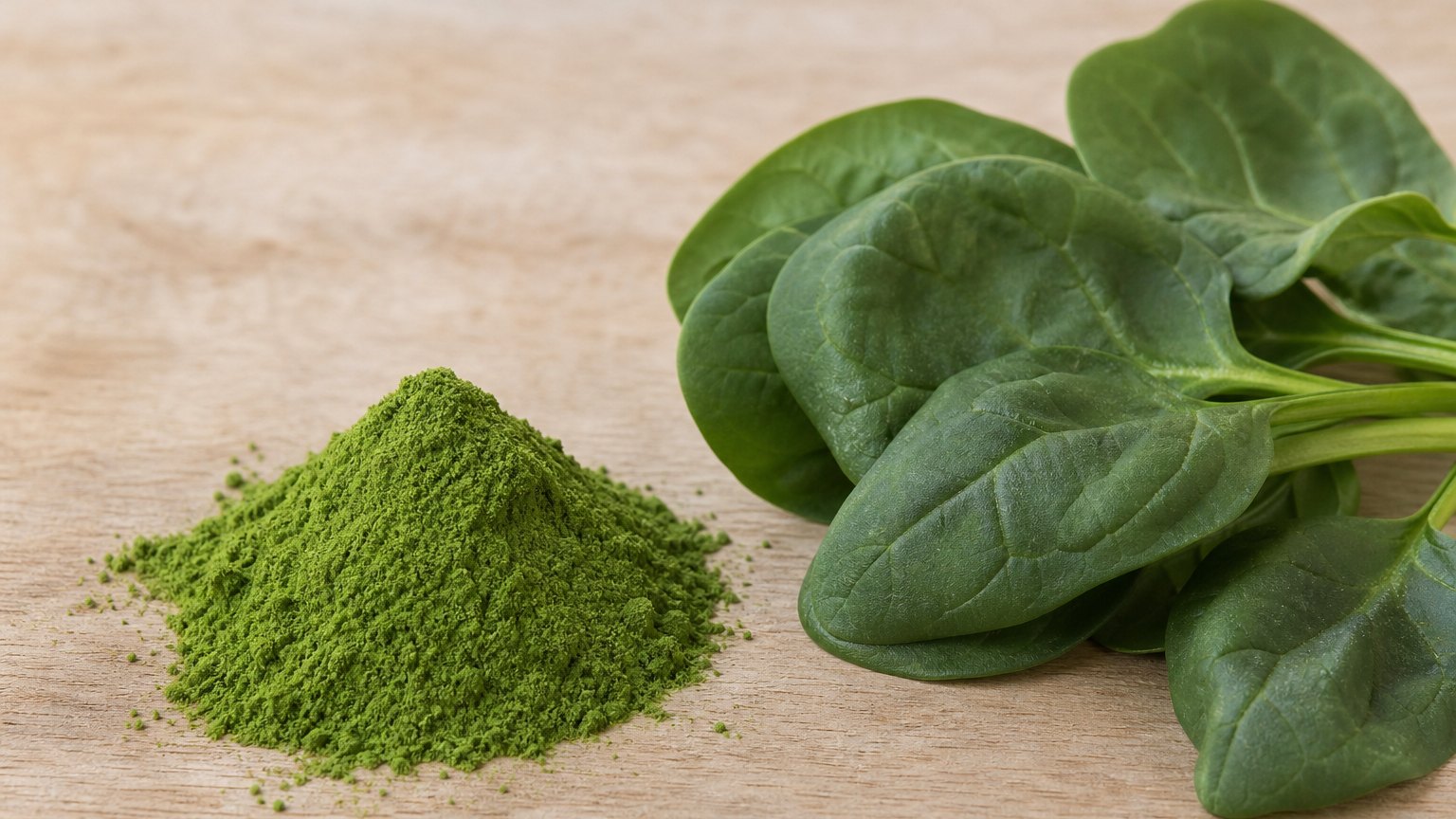
Spinach powder offers concentrated spinach nutrients, including nitrate, lutein, vitamin K and non-haem iron. It can support a balanced diet, but it does not replace whole vegetables, and its oxalate and vitamin K content require care for some people. Here is what the evidence suggests and how to use it wisely.
Key Takeaways
- Nutrients vary by product: Spinach powder can supply vitamin K, folate, carotenoids and minerals, but serving sizes and processing methods matter.
- Nitrate supports circulation: Your body can convert spinach nitrate into nitric oxide, which helps blood vessels relax and promotes healthy blood flow.
- Iron needs context: Spinach contains non-haem iron, which is absorbed much less efficiently than iron from meat. Vitamin C can help.
- Lutein supports the eyes: This plant pigment collects in the retina and helps maintain normal eye function.
- Safety deserves attention: High oxalate levels matter for calcium oxalate kidney stones, while vitamin K can interact with warfarin treatment.
What Spinach Powder Actually Supplies
Spinach powder is usually made by drying spinach leaves and grinding them into a fine powder. Removing water makes the product lighter and more concentrated by weight. It also gives spinach a longer shelf life, which can be useful when fresh greens are unavailable or tend to spoil before you use them.
The exact nutrient profile depends on the spinach, drying temperature, storage conditions and serving size. Spinach naturally provides vitamin K, folate, magnesium, potassium, beta-carotene and other carotenoids. Beta-carotene can be converted into vitamin A as your body needs it. Spinach also contains nitrate, lutein and non-haem iron, which deserve a closer look because their effects and limitations are often oversimplified.
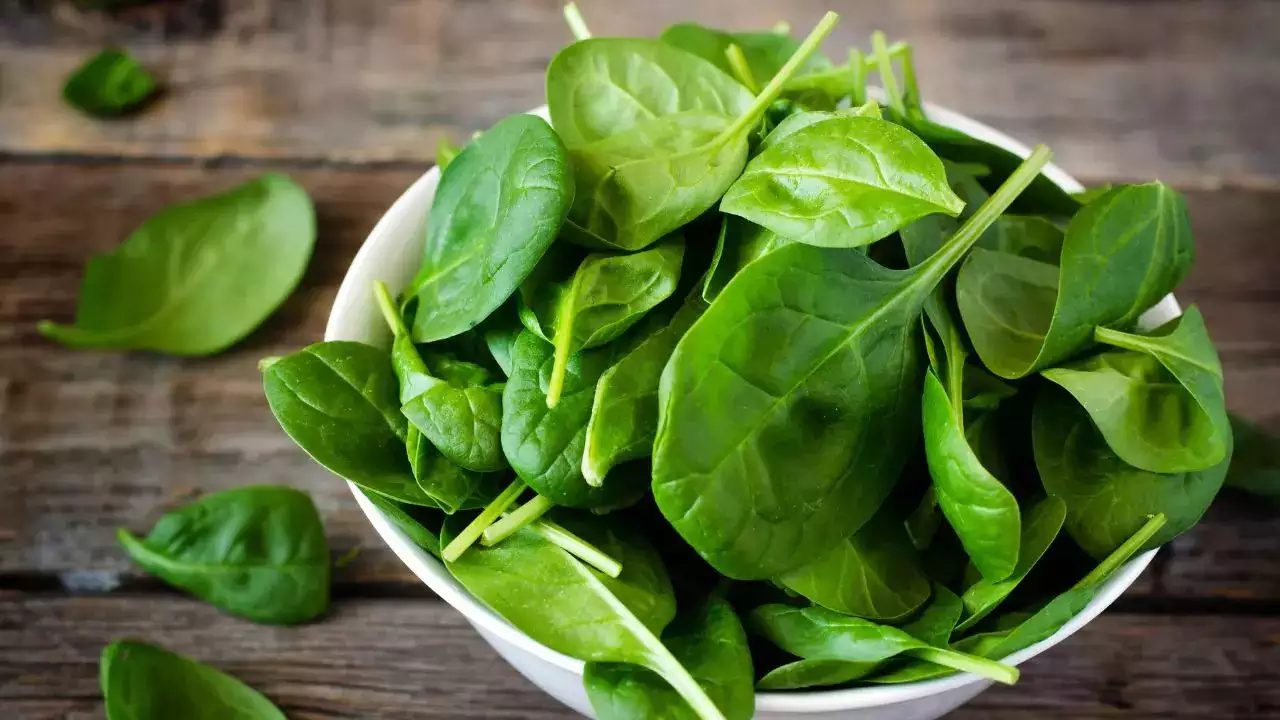
Drying spinach creates a convenient powder, although its nutrient content depends on processing and serving size.
Drying does not preserve every nutrient equally. Minerals and vitamin K tend to remain relatively stable, while heat, air and light can reduce vitamin C. A powder made from the whole dried leaf may contain fiber, but the amount per serving is often modest because servings are small. Check the nutrition label instead of assuming one scoop equals a bowl of spinach.
A food-first approach still makes sense. Whole spinach and other vegetables provide water, fiber, texture and a broader eating pattern that powder cannot recreate. Think of spinach powder as a convenient addition, not permission to skip produce. It can fill a practical gap, especially on busy days, while variety remains the better long-term goal.
Nitrate and Blood Flow
Spinach is naturally rich in dietary nitrate. This is not the same as the nitrites used to preserve some processed meats. After you consume nitrate from vegetables, bacteria in your mouth convert some of it into nitrite. Your body can then turn nitrite into nitric oxide, a signaling molecule that helps blood vessels relax and supports normal circulation.
That pathway explains why nitrate-rich vegetables are studied for exercise and cardiovascular wellness. Research on dietary nitrate suggests it may support blood flow and make oxygen use during some types of exercise more efficient. However, results vary. Fitness level, the activity being tested, the nitrate dose and a person's usual vegetable intake can all affect the response.

Spinach nitrate can enter the body's nitric oxide pathway, which supports normal blood vessel relaxation and circulation.
Spinach powder is not automatically a predictable nitrate supplement. Nitrate levels can vary considerably between crops and products, and many labels do not state an amount. A large spinach powder serving does not guarantee the same nitrate exposure used in a study. You may also notice no distinct sensation because nitric oxide is not a stimulant and does not create a caffeine-like rush.
There is another practical detail. Strong antibacterial mouthwash can reduce the oral bacteria involved in nitrate conversion. That does not mean you should stop medically recommended dental care. It simply shows why the nitrate pathway is more complicated than taking a scoop and expecting a guaranteed result.
If you use medication for blood pressure, circulation or another existing medical condition, talk to your doctor before adding a concentrated greens supplement. Research on an ingredient should not be treated as proof that every spinach powder will produce the same outcome.
The Iron Absorption Reality
Spinach powder does contain iron, but the number on a label does not tell you how much your body will absorb. Plant foods provide non-haem iron. This form is absorbed much less efficiently than haem iron, the form found in meat and seafood. Absorption also changes depending on what you eat with it and how much iron your body already stores.
Spinach naturally contains compounds that can bind minerals in the digestive tract. Oxalates are one example. These compounds, along with other parts of a meal, can reduce the amount of spinach iron available for absorption. This is why spinach powder should not be described as a reliable treatment for iron deficiency, even when its total iron content looks impressive.
Pairing spinach powder with vitamin C-rich fruit can help your body absorb its non-haem iron.
Vitamin C helps your body absorb non-haem iron. You can pair spinach powder with strawberries, kiwi, citrus fruit, bell pepper or another vitamin C-rich food. A smoothie containing spinach powder and berries is a simple example. Coffee and tea contain polyphenols that can limit non-haem iron absorption, so they are not ideal companions when iron intake is your main goal.
If you are tired, short of breath or concerned about low iron, ask your doctor about appropriate testing. Those symptoms have many possible causes. Iron supplements can also be harmful when they are unnecessary, so do not increase spinach powder or add an iron product solely on a guess.
Spinach powder can contribute to overall iron intake, particularly within a varied plant-based diet. Just keep the contribution in perspective. The iron is real, but its absorption is limited and variable.
Lutein and Eye Health
Lutein is a yellow-green pigment in spinach and other leafy vegetables. It belongs to a family of plant compounds called carotenoids. Lutein and a related carotenoid called zeaxanthin collect in the macula, the central area of the retina responsible for detailed vision.
In the eye, these pigments help filter some high-energy blue light and provide antioxidant activity. Antioxidants help protect cells from oxidative stress, which is the damage caused when unstable molecules outnumber the body's normal defenses. Research supports an important nutritional role for lutein and zeaxanthin in maintaining eye health, although spinach powder itself has not been studied as extensively as these individual nutrients or diets rich in leafy greens.
Lutein from spinach supports normal eye function and is better absorbed when eaten with some dietary fat.
Lutein is fat-soluble, meaning it is absorbed more effectively when eaten with some dietary fat. Try adding spinach powder to a smoothie with yogurt, nut butter, chia seeds or avocado. You can also stir it into eggs, soup or a sauce that contains olive oil. You do not need a high-fat meal, just a modest source of fat.
Processing can affect carotenoids, but drying does not automatically make spinach powder nutritionally empty. Breaking down the leaf structure may make some carotenoids easier to access, while prolonged heat, oxygen and poor storage can cause losses. Keep the container tightly closed, dry and away from direct light.
For broader information focused on life stages and nutrition considerations, see spinach powder for women: benefits and how to use it. No powder replaces regular eye exams or medical care for changes in vision.
Oxalates and Who Should Be Careful
Spinach is high in oxalates, natural compounds found in many plants. In the digestive tract or urinary system, oxalate can bind with calcium. For people who are prone to calcium oxalate kidney stones, concentrated spinach may add a meaningful amount of oxalate without the visual bulk of a plate of leaves.
If you have a history of calcium oxalate kidney stones, kidney disease or another kidney condition, talk to your doctor or a registered dietitian before using spinach powder regularly. Advice may depend on your stone type, total diet, hydration and medical history. Do not assume that avoiding all calcium is helpful. Eating suitable calcium-containing foods with oxalate-rich foods can bind some oxalate in the gut, but personalized guidance is best.
Spinach is also high in vitamin K. This vitamin supports normal blood clotting and bone health, but it can affect how warfarin works. People taking warfarin are generally advised to keep vitamin K intake consistent rather than making sudden changes. Because powder can concentrate spinach into a small serving, ask the clinician managing your medication before adding it to your routine. Do not change or stop prescription medication on your own.
Spinach powder contains concentrated oxalates and vitamin K, which require extra care for some people.
Some people experience bloating, nausea, loose stools or other digestive discomfort from greens powders. Starting only as directed on the label and taking the product with food may be easier on the stomach. Stop using it and seek help if you develop signs of an allergic reaction.
Talk to your doctor before taking a greens supplement during pregnancy or breastfeeding, or if you have liver disease, kidney disease, another existing medical condition or take prescription medication.
How to Use It
The simplest option is to mix spinach powder into a smoothie. Fruit can soften its grassy flavor, while yogurt, avocado, seeds or nut butter provide fat that can help with lutein absorption. Berries, kiwi and citrus also add vitamin C, which supports absorption of non-haem iron.
Water works, but plain spinach powder can taste earthy and may not dissolve completely. A shaker bottle or blender improves the texture. If you prefer savory foods, stir it into soup, pasta sauce, hummus, scrambled eggs or a dip. You can also add it to pancake batter, muffins or homemade bread, although cooking may reduce some heat-sensitive vitamin C.
For a balanced approach, consider these practical habits:
- Follow the serving directions on the product label. Powders vary in concentration, so another brand's scoop is not a useful measuring guide.
- Check whether the product contains pure spinach or a blend of vegetables, grasses, herbs, sweeteners and added vitamins.
- Pair it with vitamin C when you want to improve non-haem iron absorption.
- Include a small source of dietary fat to support carotenoid absorption.
- Keep eating whole vegetables for fiber, variety, water and texture.
- Store the powder tightly sealed in a cool, dry place away from sunlight.
There is no universally best time to take spinach powder. Breakfast works well for smoothies, while soups and sauces make it easy to use with lunch or dinner. Consistency matters more than finding a perfect hour. If it causes stomach discomfort, try taking it with a meal rather than on an empty stomach, without exceeding the label directions.
You also do not need to combine it with every other supplement in your cabinet. Review the full ingredient label to avoid unintentionally doubling up on vitamin K, iron or other nutrients. Ask your doctor or pharmacist about combinations if you use prescription medication.
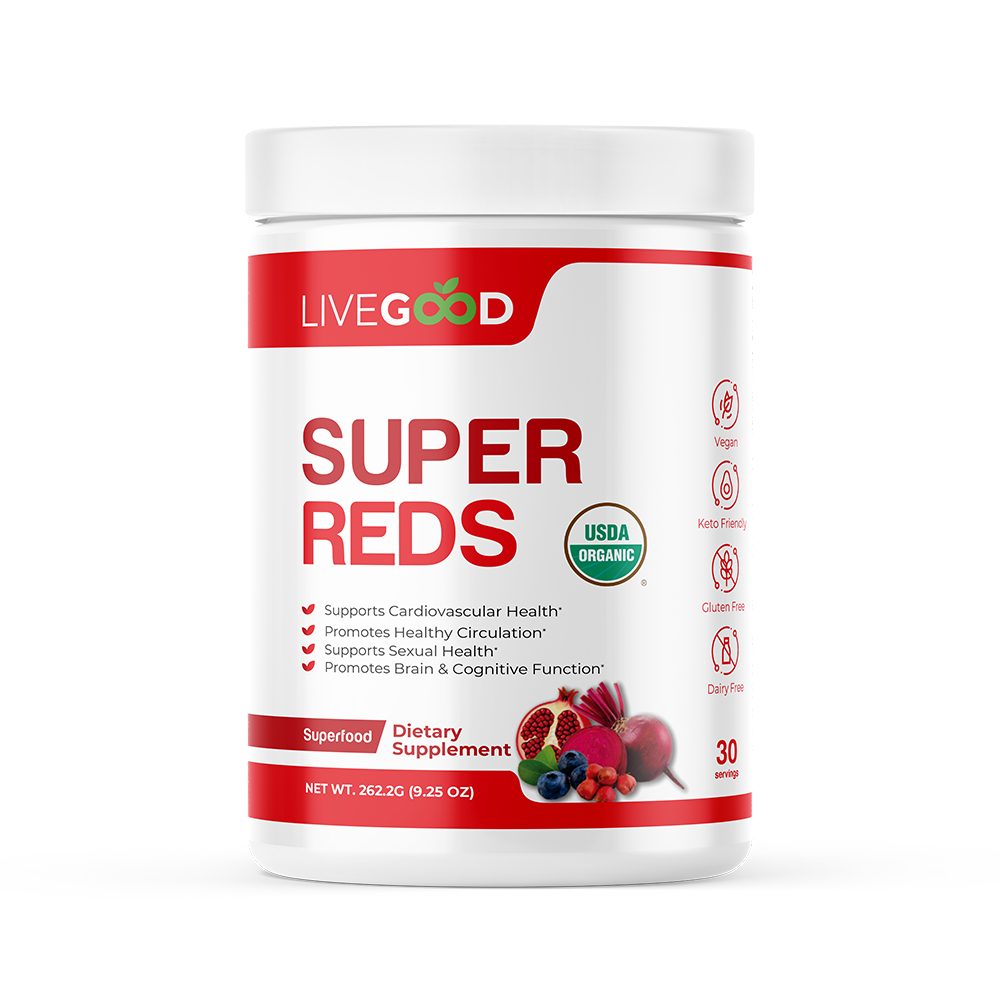
LiveGood Organic Super Greens is a USDA certified organic greens powder designed to help fill nutrient gaps our diets may not be providing, serving as "a safety net for your health." Mix one delicious scoop a day into water or a smoothie, following the label directions. It is $19.95 for members versus $34.95 retail, supporting LiveGood's mission to "Provide the highest quality supplements in the world, at the lowest prices possible." Whole foods should still anchor your routine.
Frequently Asked Questions
What are the benefits of spinach powder?
Spinach powder can provide vitamin K, folate, magnesium, lutein, beta-carotene, nitrate and non-haem iron in a convenient form. These nutrients help support normal circulation, eye function, blood clotting and general nutrition. Actual amounts vary by product, and research on spinach powder itself is limited. It works best as an addition to a varied diet rather than a replacement for vegetables.
Is spinach powder good for you?
Spinach powder can be a useful dietary addition for many healthy adults when used according to its label. It offers concentrated spinach nutrients and is easy to add to meals. However, it may provide less fiber and vitamin C than expected, depending on processing and serving size. People with kidney concerns or prescription medications should get personalized medical advice first.
How do you use spinach powder?
Mix spinach powder into smoothies, water, soups, eggs, sauces, dips or baked goods, using the product's label directions. Fruit can balance the earthy taste. Pairing it with a vitamin C-rich food may improve plant iron absorption, while yogurt, seeds, avocado or nut butter can help your body absorb lutein. Continue eating a range of whole vegetables as well.
Does spinach powder have iron?
Yes, spinach powder contains non-haem iron, but your body absorbs this plant form less efficiently than haem iron from animal foods. The exact amount depends on the product and serving. Combining spinach powder with berries, citrus, kiwi or another vitamin C source can improve absorption. If you suspect iron deficiency, seek testing rather than relying on spinach powder to correct it.
Are there side effects of spinach powder?
Spinach powder may cause bloating, nausea or changes in bowel habits in some people. Its high oxalate content is a concern for anyone with calcium oxalate kidney stones, and its vitamin K can interfere with warfarin management. Talk to your doctor before use if you take prescription medication, are pregnant or breastfeeding, or have kidney, liver or other medical conditions.