
Super Reds vs Super Greens: Which Should You Take?
 Written by Nauder Khazan
Ask AI about this article and Greens and Reds Pack





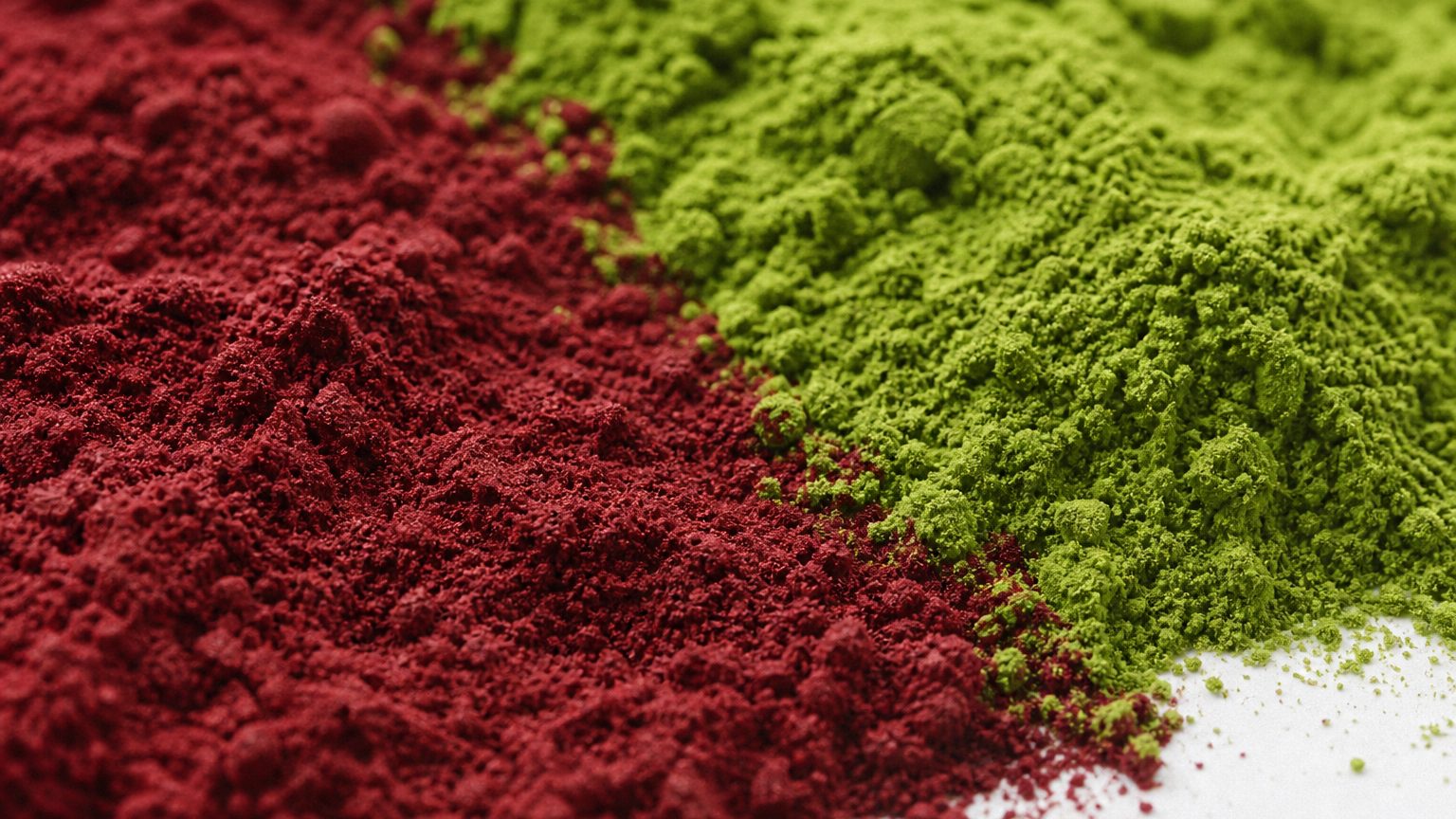
Super reds and super greens are not competing supplements. Greens usually emphasize grasses, algae, leafy plants, and gut-supporting ingredients, while reds focus on colorful fruits, polyphenols, and beetroot nitrate. The right choice depends on your goal, and many adults can use both.
Key Takeaways
- Neither color is automatically better: Reds and greens use different plant families and serve different purposes.
- Choose greens for daily coverage: They often combine grasses, algae, vegetables, fiber, enzymes, or probiotics.
- Choose reds for activity support: Beetroot nitrate supports nitric oxide production, while berries provide colorful plant compounds.
- Check the actual label: Ingredients, serving amounts, added nutrients, and sweeteners vary widely between powders.
- You can usually combine them: Follow both labels, consider overlapping ingredients, and introduce them gradually.
They Are Not Competing Products
The phrase "super reds vs super greens" makes the choice sound like a contest. It is more useful to think of them as two categories built around different plants.
Greens powders get their color and identity from ingredients such as wheatgrass, barley grass, spirulina, chlorella, spinach, kale, and other green plants. These foods contain chlorophyll, the pigment plants use to capture light. Depending on the formula, a greens powder may also provide prebiotic fiber, probiotics, or digestive enzymes.
Reds powders usually feature beetroot, pomegranate, tart cherry, berries, and other red, blue, or purple produce. Their colors come partly from polyphenols, plant compounds that include anthocyanins and other antioxidants. Antioxidants help the body manage oxidative stress, which is the normal cellular wear created by metabolism, exercise, and environmental exposure.
Beetroot gives many reds formulas another distinguishing feature: dietary nitrate. Your body can convert nitrate into nitric oxide, a signaling molecule that helps blood vessels relax and supports healthy circulation. That makes beet-forward reds especially relevant to exercise and cardiovascular wellness.
Neither category has a standard recipe. One greens powder may center on grasses and algae, while another contains mostly vegetables and added vitamins. One reds powder may supply meaningful beetroot, while another is mainly flavored fruit powder. Compare labels rather than assuming every product of the same color works the same way.
Most importantly, neither powder replaces whole produce. Fruits and vegetables provide water, substantial fiber, texture, and a wider range of plant compounds. Powders are convenient supplements to a balanced diet, not substitutes for it.
What Goes Into a Greens Powder
A typical greens powder starts with chlorophyll-rich plant ingredients. Wheatgrass, barley grass, alfalfa, spinach, kale, parsley, broccoli, and cabbage are common. Spirulina and chlorella may also appear. These are algae, simple water-growing organisms used as concentrated food ingredients.
The green color does not guarantee a particular nutrient amount. Drying plants removes water and concentrates some components, but processing and serving size matter. A small scoop may contain many named plants without providing the same amount of fiber or nutrients as a full plate of vegetables. Check whether the label lists individual quantities or uses a combined blend.
Many formulas go beyond green vegetables. You may see:
- Prebiotic fiber, which feeds certain helpful bacteria in the digestive tract
- Probiotics, which are live microorganisms intended to support a balanced gut environment
- Digestive enzymes, which help break down components of food
- Mushrooms, herbs, fruit extracts, or added vitamins and minerals
These additions often explain why a greens powder is marketed for digestive or everyday nutritional support. They are not features of every greens product, however. Chlorophyll alone should not be treated as proof that a powder will transform digestion, energy, or general health. Human research on complete greens blends is limited, and formulas differ too much to apply one study to every product.
Choose a greens powder when its ingredient list fills a practical role in your routine. It might offer a convenient serving on rushed mornings or add plant ingredients you do not regularly eat. Still aim for whole vegetables, legumes, fruit, nuts, seeds, and whole grains across the day. Consistency matters more than expecting a quick or dramatic feeling from one scoop.
What Goes Into a Reds Powder
Reds powders are commonly made with beetroot and deeply colored fruits. Pomegranate, cranberry, blueberry, raspberry, strawberry, acai, tart cherry, and grape may appear. Although blueberries and purple fruits are not literally red, they fit the category because they contain similar families of colorful plant compounds.
Polyphenols are one reason these fruits are included. Polyphenols are natural substances plants make for protection. Anthocyanins, the pigments behind many red, blue, and purple colors, are one group of polyphenols. In the body, these compounds can support antioxidant defenses, but more is not automatically better. The amount, form, and overall diet all affect their relevance.
Beetroot often separates reds powders from ordinary fruit powders. It contains dietary nitrate. Bacteria in the mouth begin converting nitrate into nitrite, and the body can then use nitrite to produce nitric oxide. Nitric oxide helps maintain normal blood vessel function and circulation.
Research on beetroot suggests that an adequate nitrate serving may support exercise efficiency or endurance in some people. Results are mixed, especially among highly trained athletes, and total beetroot weight does not reveal the nitrate dose. A beet product can list thousands of milligrams of beetroot without stating how much nitrate it supplies.
Reds powders are not stimulants unless caffeine or another stimulant is added. You should not expect the immediate sensation associated with coffee. Any workout-related effect may be subtle. Also check for sweeteners, flavors, added vitamins, and serving size. A long fruit list sounds appealing, but transparent amounts make a formula easier to evaluate.
Choosing by Your Goal
Start with the result you want, then read the label for ingredients that match it. Do not choose solely by color or by the number of foods shown on the package.
Choose a greens powder if your main goal is:
- Adding concentrated green plant ingredients to a busy routine
- Getting prebiotic fiber, probiotics, or digestive enzymes from a formula that clearly includes them
- Complementing a diet that is inconsistent in leafy vegetables and other green foods
- Building a simple daily wellness habit rather than targeting workout timing
Choose a reds powder if your main goal is:
- Supporting healthy circulation and cardiovascular function
- Using beetroot before exercise for its dietary nitrate pathway
- Adding berry, pomegranate, or tart cherry polyphenols to your routine
- Getting activity support without relying on a caffeinated pre-workout
If you are deciding based on energy, define what "energy" means to you. For workout stamina, a beet-forward reds powder is the more relevant option. For general nutritional support, a well-formulated greens powder may fit better. Neither one supplies sleep, calories, hydration, or the balanced meals your body needs for normal energy production.
Also consider the formula you will actually use. Taste, texture, price per serving, ingredient transparency, and digestive tolerance matter. Follow the label directions rather than assuming a larger serving will work better. Give a new powder time to become part of a steady routine, but stop if it causes persistent discomfort.
Your answer may also be neither. If you already eat a wide variety of produce and do not need the convenience, a powder is optional. Supplements should solve a practical problem, not create pressure to add another product.
If both categories fit your goals, the LiveGood Greens and Reds Pack includes one Organic Super Greens and one Organic Super Reds at a bundle discount. The greens formula supports gut health, while the reds formula supports cardiovascular wellness and nitric oxide production. The pack is $37.95 for members versus $59.95 retail, helping make a combined routine more accessible. Highest Quality. Lowest Prices. Every Day.
Can You Take Reds and Greens Together?
Most healthy adults can take reds and greens together when they follow both product labels. The two categories do not inherently cancel each other out. Combining them can offer a broader range of plant ingredients, but it does not make either powder a replacement for a balanced diet.
You can mix both powders in one drink or take them at different times. Taking them together is convenient and may make the habit easier to remember. Separating them can be useful if you want greens with breakfast and a beet-forward reds powder before afternoon exercise. Timing matters more for dietary nitrate than it does for most green plant ingredients.
Use these practical steps:
- Check both labels for overlapping vitamins, minerals, herbs, probiotics, or sweeteners.
- Follow each product's serving directions. Do not double the servings simply because the powders are combined.
- If both are new to you, begin with one product. Add the second after you know how the first affects your digestion.
- Use enough liquid. Concentrated powders and added fiber can feel heavy when mixed too thickly.
- Choose a schedule you can maintain. Regular use is more useful than an elaborate routine you quickly abandon.
Mild gas, bloating, or changes in stool can occur when a formula adds fiber or probiotics. Beetroot can also turn urine or stool pink or red, which is usually harmless. If you develop persistent or concerning symptoms, stop using the supplement and seek medical guidance.
Talk to your doctor before combining powders if you take prescription medications, are pregnant or breastfeeding, have a kidney or liver condition, or manage an existing medical condition. Greens containing vitamin K may be relevant to certain medications, and concentrated mineral or herbal ingredients may not suit everyone. Your doctor or pharmacist can review the exact labels.
Frequently Asked Questions
Is it better to take super greens or super reds?
Neither is better for everyone. Choose greens for concentrated green plants and, when included, gut-supporting fiber, probiotics, or enzymes. Choose reds for beetroot nitrate and colorful fruit polyphenols, especially when circulation or exercise support is your priority. The formula and amounts matter more than the color printed on the container.
Can you take super reds and super greens together?
Yes, most healthy adults can take super reds and super greens together as directed. Review both labels for overlapping vitamins, minerals, herbs, or sweeteners, and introduce one powder at a time if you have a sensitive stomach. Ask your doctor first if you use prescription medication, are pregnant or breastfeeding, or have a medical condition.
What is the difference between reds and greens powder?
The main difference is the plant families used. Greens powders commonly contain grasses, leafy vegetables, algae, and optional digestive ingredients. Reds powders usually contain beetroot and red, blue, or purple fruits that provide polyphenols. Beet-forward reds may also supply dietary nitrate, which the body uses in its nitric oxide pathway.
Should you take reds and greens at the same time?
You can take reds and greens at the same time, but you do not have to. Mixing them together is convenient, while separating them may suit taste, digestion, or workout timing. Follow each label's directions and do not increase either serving. A consistent schedule is more valuable than trying to find one perfect time.
Which is better for energy, reds or greens?
Reds are generally more relevant for exercise-related energy because beetroot nitrate may support circulation and exercise efficiency. Greens may support normal energy metabolism when they provide nutrients your diet lacks, but they are not stimulants. Neither can compensate for too little sleep, inadequate food, dehydration, or an underlying medical issue.