
Taking CoQ10 Every Day: What to Expect
 Written by Nauder Khazan
Ask AI about this article and Factor4 - Advanced Inflammation Management





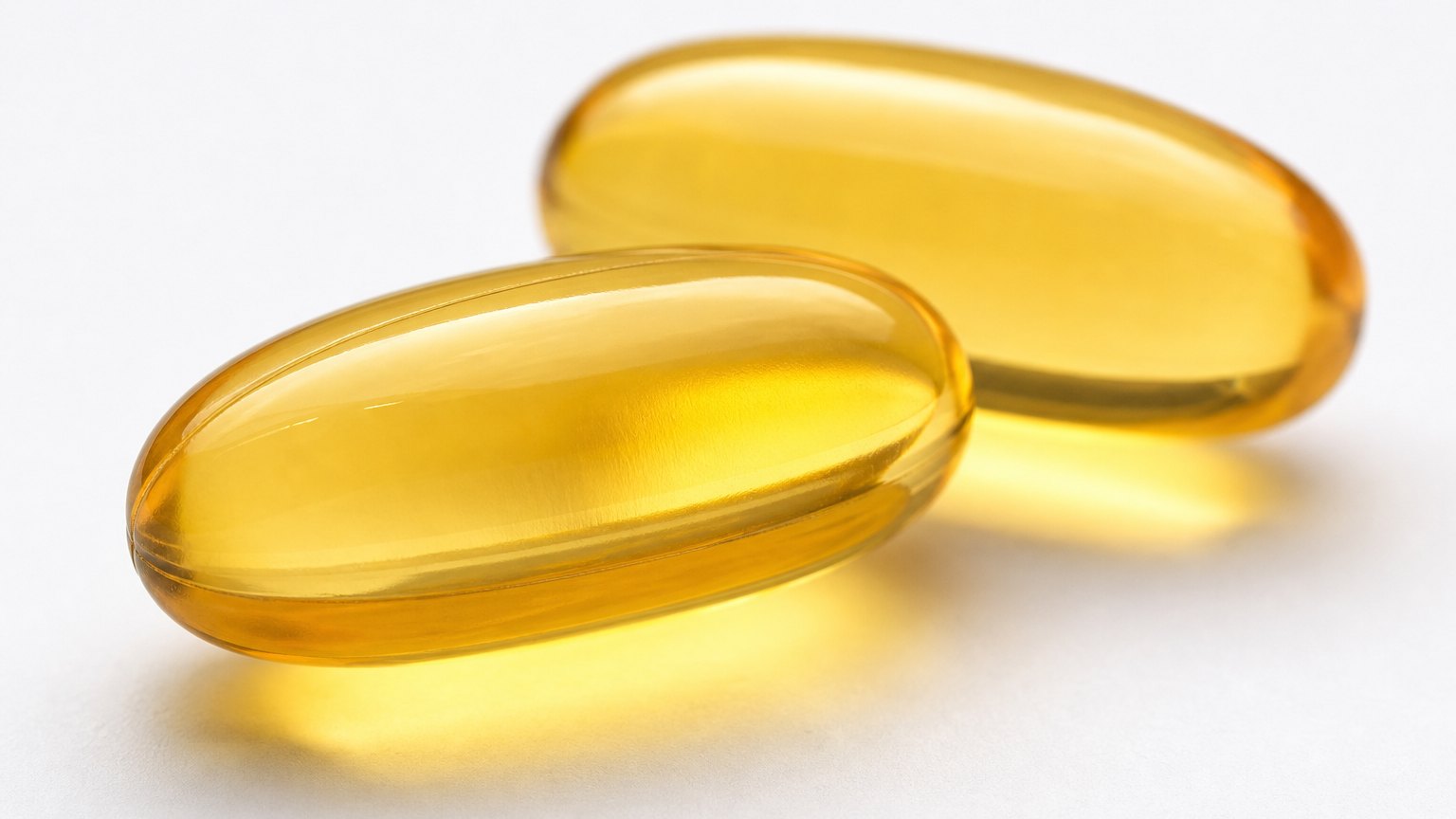
For most healthy adults, it is generally OK to take CoQ10 every day when used as directed. Side effects are usually mild, but your medications and health history matter, especially if you take warfarin or a statin. Here is what daily use involves, including forms, absorption, safety, and signs that you should check with your doctor.
Key Takeaways
- Daily use is generally well tolerated: Most adults experience few problems when taking CoQ10 according to the product label.
- Your body already makes it: CoQ10 supports cellular energy production, although natural levels tend to decline with age.
- Form is not everything: Ubiquinone and ubiquinol can both be useful, and formulation quality may matter more than the name on the front.
- Take it with food: CoQ10 is fat-soluble, so a meal containing some fat can improve absorption.
- Check medication interactions: Talk to your doctor if you use warfarin, statins, or other prescription medicines.
What CoQ10 Is and Where It Comes From
Coenzyme Q10, usually shortened to CoQ10, is a substance made naturally throughout your body. It is concentrated in organs that use a great deal of energy, including the heart, liver, and kidneys.
Inside your cells are tiny structures called mitochondria. Their job is to turn nutrients into adenosine triphosphate, or ATP, the form of energy your cells can use. CoQ10 participates in this process. It also acts as an antioxidant, meaning it helps protect cells from damage caused by unstable molecules called free radicals.
Your body produces CoQ10 on its own. You also get small amounts from foods such as meat, fish, nuts, seeds, and certain vegetable oils. Food supports normal intake, but it generally supplies much less CoQ10 than a supplement does.
Natural CoQ10 levels tend to decline as you get older. Lower levels are also seen in some people with certain health conditions and in people taking statin medications. A lower level does not automatically mean you have a deficiency or need a supplement. Many healthy people make enough without one.
If you take CoQ10 daily, do not expect a stimulant-like burst. Its role in energy production happens at the cellular level, and many people feel no obvious day-to-day change. Consistency is more useful than chasing an immediate sensation. Supplements can support a wellness routine, but they do not replace nutritious food, sleep, activity, or medical care.
Ubiquinone vs Ubiquinol
CoQ10 supplements usually contain either ubiquinone or ubiquinol. These names describe two forms of the same compound.
Ubiquinone is the oxidized form. Ubiquinol is the reduced form, meaning it carries electrons that can be used in antioxidant reactions. Your body regularly converts one form into the other as part of normal cellular activity. Neither form remains permanently fixed after you swallow it.
Ubiquinol is often marketed as the more absorbable choice. Some research suggests it may raise blood levels more efficiently in certain people, including some older adults. However, that does not mean ubiquinone is poorly absorbed or ineffective. Studies have found that both forms can increase circulating CoQ10, and direct comparisons are limited.
The delivery system may matter as much as the form. CoQ10 does not dissolve well in water. An oil-based softgel or another formulation designed for better dispersion may be absorbed differently from a dry powder capsule. Product quality, serving size, your meal, and your digestion can all affect how much reaches your bloodstream.
For everyday use, choose a reputable product, follow its label, and avoid assuming that a higher price or the word "ubiquinol" guarantees a better result. If your doctor has recommended a specific form because of your age, health history, or treatment plan, follow that individualized guidance rather than switching based on marketing alone.
The Statin Connection
Statins are prescription medicines that reduce cholesterol production in the liver. They work by blocking an enzyme involved in making cholesterol. That same pathway is also involved in your body's production of CoQ10, so statin use can reduce circulating CoQ10 levels.
This biological connection is why CoQ10 is commonly discussed alongside statins. Researchers have studied whether supplementation might help people who experience muscle discomfort while taking these medicines. The results are mixed. Some trials report improvement, while others find little or no meaningful difference. The Mayo Clinic's CoQ10 overview likewise notes that there is not enough evidence to know for certain.
A lower CoQ10 measurement also does not prove that CoQ10 is the cause of a person's muscle symptoms. Muscle pain can have several causes, and symptoms that appear during statin treatment deserve a medical evaluation. Your doctor may need to consider the specific statin, other medications, exercise, thyroid function, or another health issue.
Do not stop, reduce, or change a statin because you want to try CoQ10. A supplement is not a substitute for a prescribed medicine, and CoQ10 has not been proven to treat statin-related muscle symptoms. Ask the clinician who manages your prescription whether adding it makes sense for you. Bring the full supplement label so the clinician can review the form, serving size, and any additional ingredients.
Absorption and Taking It With Fat
CoQ10 is fat-soluble. This means it dissolves in fat rather than water, so taking it with a meal that contains some dietary fat can help your body absorb it. You do not need an unusually high-fat meal. Foods such as eggs, yogurt, avocado, nuts, seeds, fish, or olive oil can provide enough fat for a normal mixed meal.
Morning or midday works well for many people because it is easy to pair the supplement with breakfast or lunch. Some people report sleep difficulty when they take CoQ10 late in the day, although this is not a universal response. If that happens to you, ask your doctor or pharmacist whether moving the label-directed serving earlier would be appropriate.
The most useful schedule is one you can follow consistently. Taking CoQ10 at a different hour each day is not necessarily dangerous, but attaching it to a regular meal makes missed servings less likely. Do not double your next serving if you forget one unless the label or your healthcare professional specifically tells you to do so.
Check whether CoQ10 is already included in a multinutrient or combination product before adding a separate capsule. Count all supplemental sources so you know your total daily intake. More is not automatically better, and taking several overlapping products makes it harder to identify the cause if you develop nausea, diarrhea, appetite changes, headaches, or trouble sleeping.
For a ready-made daily option, Factor4 - Advanced Inflammation Management combines fish oil, turmeric, Coenzyme Q10, and garlic, four of the world's most widely used ingredients for supporting a healthy inflammatory response. It is LiveGood's number two seller, formulated by one of the world's top immunologists, and the first and only inflammation management supplement to bring all four together in one bottle. Follow the label and take it with food. Members pay $19.95, compared with $29.95 retail, supporting LiveGood's mission to "Provide the highest quality supplements in the world, at the lowest prices possible."
Is There an Upper Limit?
There is no officially established tolerable upper intake level for CoQ10. A tolerable upper intake level, often called a UL, is the highest daily amount expected to pose little risk for most people. The absence of a UL does not mean that any amount is safe. It means available evidence has not produced a universal cutoff.
Research has tested a wide range of amounts, sometimes much higher than those found in typical supplements. Those study amounts were selected for specific research questions and often used with medical monitoring. They should not be treated as personal dosing instructions.
A 200 mg daily amount, for example, has appeared in research and on supplement labels. That does not guarantee it is right for every person. Body size and sex do not create a simple formula for choosing a CoQ10 serving. Your reason for taking it, medications, medical conditions, product formulation, and clinician's advice are more relevant.
Taking too much is more likely to cause side effects than to deliver a noticeable extra benefit. Reported effects include nausea, diarrhea, upper stomach discomfort, reduced appetite, headache, dizziness, tiredness, rash, irritability, and sleep problems. These are usually described as mild, but persistent or severe symptoms should not be ignored.
Follow the product's directions unless your doctor gives you different instructions. Avoid increasing the amount simply because you do not feel an immediate effect. CoQ10 is not a stimulant, and a lack of sensation does not show that you need more. Long-term use appears to be generally well tolerated, but safety data are not equally strong for every amount, health condition, or combination of supplements.
Who Should Check With a Doctor
Talk to your doctor before taking CoQ10 if you use prescription medications. The clearest interaction concern is warfarin, a medicine that reduces blood clotting. CoQ10 may make warfarin less effective, which could increase the risk of a blood clot. Do not start or stop CoQ10 without the clinician who manages your warfarin, since your monitoring plan may need attention.
You should also ask before combining CoQ10 with medicines used for blood pressure, blood sugar, or cancer treatment. This does not mean that every combination will cause a problem. It means your doctor or pharmacist should evaluate the full picture, including amounts, timing, laboratory results, and other supplements.
If you take a statin, discuss CoQ10 with the prescriber rather than using it to self-manage muscle pain. Seek medical advice promptly for new, severe, or unexplained muscle symptoms. Never stop or adjust a statin on your own.
Professional guidance is also appropriate if you are pregnant or breastfeeding. There is not enough evidence to confirm safety in these situations. Children should not receive CoQ10 unless a pediatric clinician recommends and supervises it.
Check with your doctor if you have kidney or liver problems, an existing medical condition, or a planned medical procedure. Tell your surgical team about every supplement you use, including combination products containing fish oil, turmeric, garlic, or CoQ10.
Finally, stop taking the supplement and seek help if you develop signs of a serious reaction, such as facial swelling, trouble breathing, or a widespread rash. For milder digestive or sleep-related effects, pause and contact your healthcare professional for advice instead of experimenting with a higher or lower amount yourself.
Frequently Asked Questions
Is it OK to take CoQ10 every day?
Yes, daily CoQ10 is generally considered safe for most healthy adults when taken according to the label. Possible side effects include stomach discomfort, nausea, diarrhea, headache, and sleep problems. Check with your doctor first if you take prescription medication, are pregnant or breastfeeding, have kidney or liver problems, or live with an existing medical condition.
Can you take too much CoQ10?
Yes, taking more CoQ10 than directed can increase the chance of side effects without providing extra benefit. There is no officially established upper intake limit, so a high amount should not be assumed safe. Follow the label, include CoQ10 from all combination supplements in your total, and ask your doctor before using an amount different from the directions.
Should you take CoQ10 with a statin?
CoQ10 should only be added to a statin routine after discussing it with the prescribing clinician. Statins can reduce the body's CoQ10 synthesis, but research on CoQ10 for statin-associated muscle symptoms remains mixed. Do not use a supplement to replace, stop, reduce, or otherwise change your statin. New or severe muscle symptoms need medical evaluation.
What is the difference between ubiquinone and ubiquinol?
Ubiquinone and ubiquinol are two forms of CoQ10 that your body can convert back and forth. Ubiquinol may be absorbed more efficiently by some people, but it is not automatically the better choice for everyone. Ubiquinone can also raise CoQ10 levels. The oil-based delivery system, product quality, meal, and individual digestion can affect absorption.
When is the best time to take CoQ10?
The best time to take CoQ10 is with a meal containing some fat, usually at breakfast or lunch for convenience. Fat helps your body absorb this fat-soluble compound. Some people find that taking it late in the day affects sleep, so an earlier meal may suit them better. Follow the label and choose a schedule you can maintain consistently.