
Tart Cherry Powder for Women: Benefits and How to Use It
 Written by Nauder Khazan
Ask AI about this article and Organic Super Reds





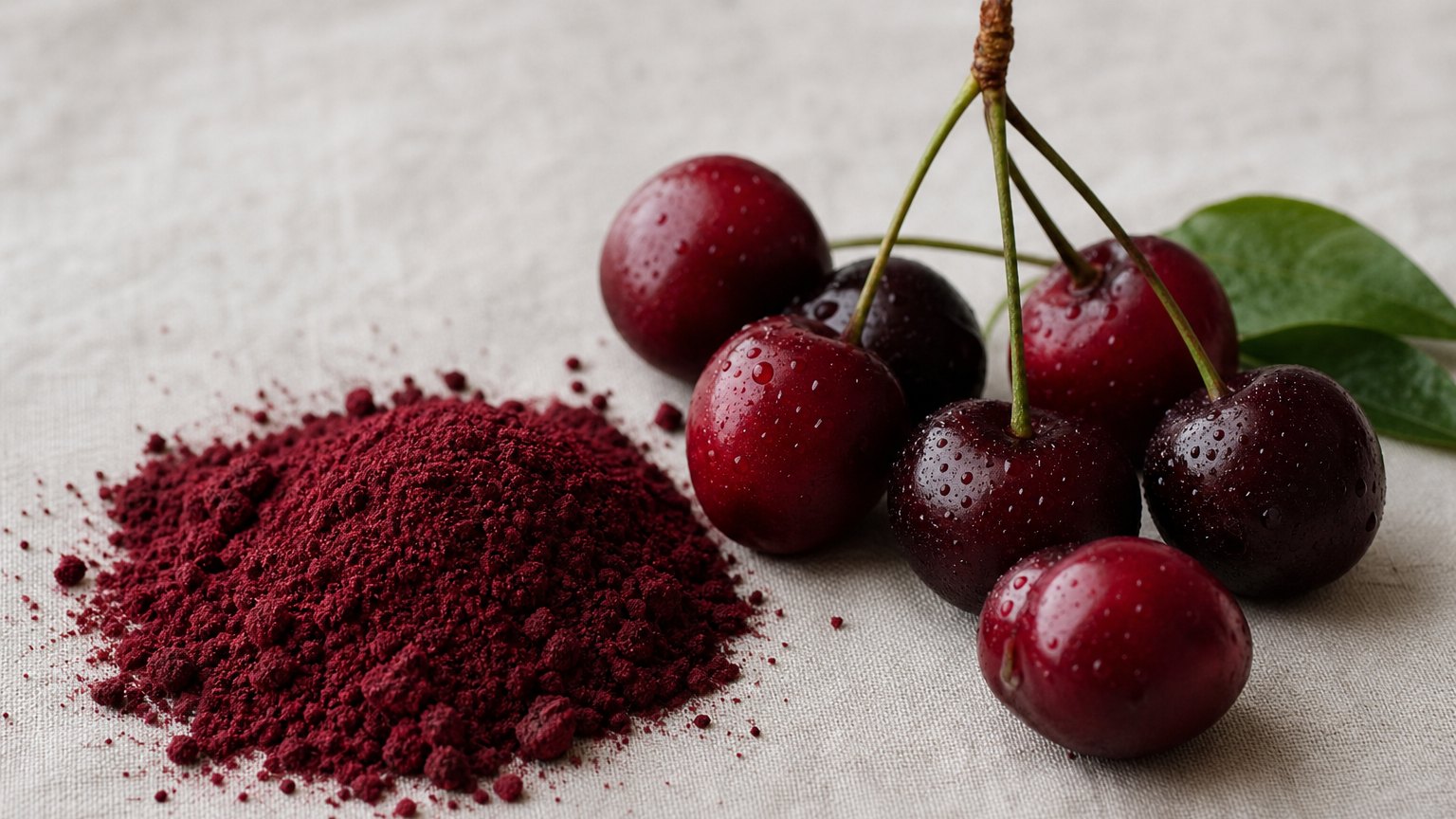
Tart cherry powder may support exercise recovery, sleep, and healthy antioxidant intake. Its anthocyanins are well studied, but benefits vary by product, dose, and person. Here is what the research actually found, with practical guidance for women and anyone considering tart cherry.
Key Takeaways
- Recovery has the strongest evidence: Several small trials found less post-exercise soreness or faster strength recovery, although many tested juice rather than powder.
- Sleep findings are promising: Tart cherry contains a small amount of melatonin, and short studies reported modest improvements in sleep time or efficiency.
- Product forms are not interchangeable: Whole-fruit powder, juice powder, concentrate, and standardized extract can provide very different amounts.
- Uric acid results are preliminary: Small studies found short-term changes, but tart cherry has not been proven to treat gout or another medical condition.
- Follow the label: There is no universal daily serving for tart cherry powder, so use the manufacturer's directions rather than copying a study dose.
What Tart Cherry Contains
Tart cherries, usually the Montmorency variety, contain anthocyanins. These are red and purple plant pigments that act as antioxidants. Antioxidants help protect cells from oxidative stress, which is the gradual damage created by normal metabolism, exercise, pollution, and other everyday exposures.
Tart cherry also provides smaller amounts of other plant compounds, including quercetin and phenolic acids. The fruit naturally contains carbohydrates, potassium, and a little fiber, although the amounts in a powder depend on how it was made. Freeze-dried whole-fruit powder may retain more of the fruit's fiber and sugar. An extract can be much more concentrated while containing little of either.
This distinction matters when you compare labels. A 500 mg concentrated extract is not necessarily weaker than several grams of whole-fruit powder. You need to know the form, serving size, concentration ratio, and whether the manufacturer standardizes the product for anthocyanins. Standardized means the label guarantees a particular amount of the named compound.
Women do not appear to need a special form or serving solely because of sex. However, sleep disruption and recovery needs can change during demanding training periods, pregnancy, and the menopause transition. Research specifically focused on women remains limited, so claims about uniquely female benefits would go beyond the evidence. For a male-focused discussion, see our tart cherry powder guide for men.
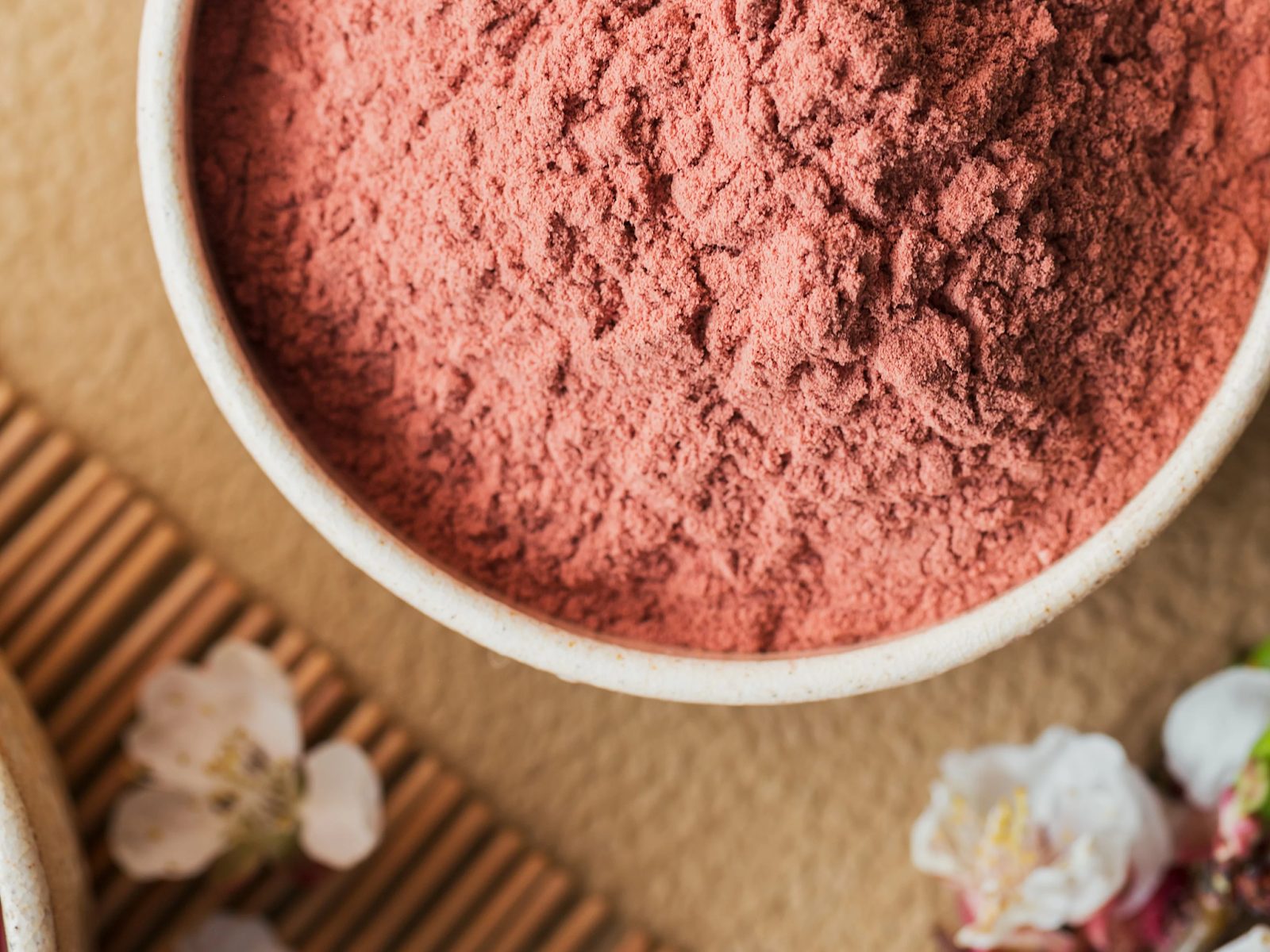
Tart cherries contain anthocyanins, the plant pigments responsible for their deep red color.
The Sleep Research and Its Melatonin Content
Tart cherries contain melatonin, a hormone your body uses to help coordinate its sleep-wake timing. However, the amount found naturally in cherries is small and varies by variety, harvest, processing, and storage. Tart cherry powder should not be treated as equivalent to a measured melatonin supplement.
In a crossover study of 20 healthy adults, participants drank tart cherry concentrate twice daily for seven days. Researchers reported about 34 minutes more total sleep and a roughly 5 to 6 percent improvement in sleep efficiency compared with placebo. Sleep efficiency means the percentage of time in bed actually spent asleep. A urinary marker of melatonin also rose by about 15 to 16 percent.
Another pilot trial included 15 older adults with insomnia symptoms. After two weeks of tart cherry juice, time awake after initially falling asleep improved by about 17 minutes compared with placebo. Other sleep measures did not change clearly. A later study of eight adults over age 50 reported approximately 84 additional minutes of sleep, but eight people is far too few to establish a reliable average effect.
These results make tart cherry interesting, not conclusive. The studies were short, small, and primarily tested juice or concentrate rather than powder. Research focused on women, including women going through menopause, is even thinner. Tart cherry may fit into a calming evening routine, but it has not been proven to treat insomnia. Persistent sleep problems deserve a conversation with your doctor.
Tart cherry may fit into an evening routine, although its natural melatonin content is small.
Exercise Recovery and Muscle Soreness
Exercise creates temporary muscle damage, especially after unfamiliar strength training, downhill running, or long endurance events. This can lead to soreness and a short-term drop in strength. Tart cherry research has mainly examined whether its plant compounds support the normal recovery process during this period.
One trial followed 54 recreational runners before a long-distance relay race. Participants drank tart cherry juice or a placebo twice daily for seven days. After the race, reported pain increased by about 12 millimeters in the cherry group versus 37 millimeters in the placebo group on a 100-millimeter scale. That is a meaningful difference in that study, but self-reported pain can vary considerably between people.
In another trial involving 14 men, participants performed strenuous arm exercises after drinking a cherry beverage or placebo. Strength fell by roughly 4 percent in the cherry group at 24 hours, compared with about 22 percent in the placebo group. The study was small, and its male-only sample limits what it can tell us about women.
A powder-specific study gave 23 resistance-trained men 480 mg of tart cherry powder daily around a demanding leg workout. Researchers reported improvements in some recovery and soreness measures. Once again, this was a small study in trained men, not broad proof for every powder or every athlete.
Overall, tart cherry appears most useful around unusually hard training rather than as a source of instant energy. It should complement sleep, adequate protein, hydration, and sensible training progression. Those habits still do most of the recovery work.

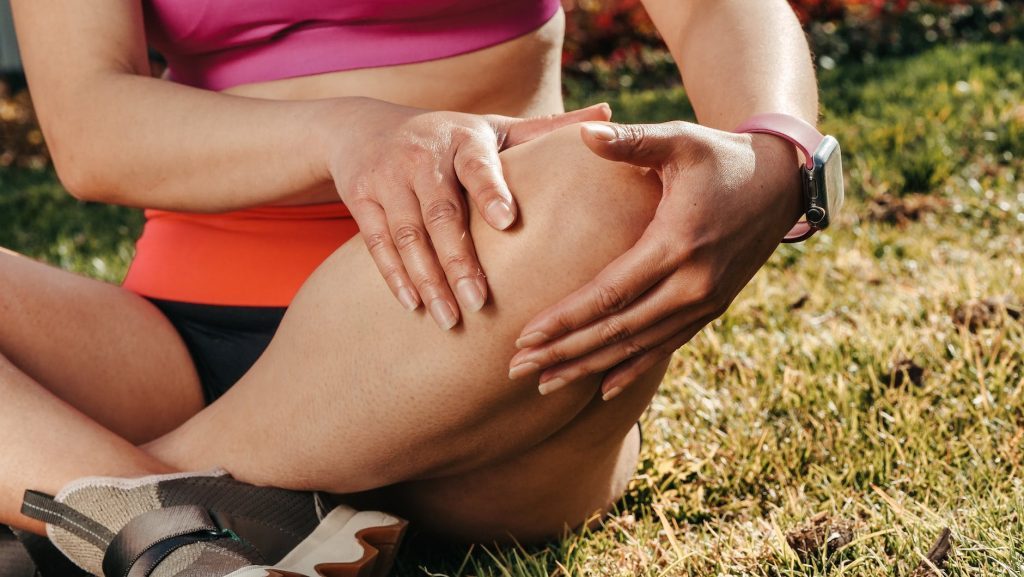
Small studies suggest tart cherry may support recovery after unusually demanding exercise.
What the Uric Acid Research Shows
Uric acid is a waste product formed when your body breaks down compounds called purines. Your kidneys normally filter it into urine. Persistently high levels can be associated with health concerns, but a blood test and medical evaluation are needed to understand what a particular result means.
In a small study of 12 healthy adults, tart cherry concentrate produced a short-term change in uric acid handling. The lowest blood level was roughly 14 percent below baseline, while urinary excretion increased. Because this was an acute study in healthy people, it cannot show whether regular use creates a lasting or clinically useful effect.
A separate randomized trial studied 26 adults with overweight or obesity. After four weeks of drinking 240 milliliters of tart cherry juice daily, the tart cherry group had an approximately 19 percent reduction in serum uric acid compared with its starting level. That is notable, but the sample was small, the intervention was juice, and the results should be repeated in larger and more diverse groups.
Other studies and reviews have produced mixed findings. Differences in cherry form, anthocyanin content, diet, starting uric acid level, medication use, and study length may help explain the inconsistency. There is not enough evidence to say tart cherry powder treats gout or prevents attacks. Gout is a medical condition that can damage joints and kidneys when it is not properly managed.
If you have gout symptoms or elevated uric acid, talk to your doctor rather than replacing prescribed care with a supplement. Tart cherry can be discussed as part of your overall diet, not as a substitute for diagnosis or treatment.

Early uric acid findings are interesting, but tart cherry is not a treatment for gout.
How to Use the Powder
Start by identifying what kind of product you have. Whole-fruit powder, powdered juice concentrate, and concentrated extract may all be called tart cherry powder, but their serving sizes can differ dramatically. Follow the label directions and do not increase the amount simply to match a study that used another form.
You can mix tart cherry powder into:
- Cold water or sparkling water
- A fruit or protein smoothie
- Plain yogurt or oatmeal
- An evening shake
- A post-workout drink with protein and carbohydrates
Tart cherry has a naturally sharp flavor. Pairing it with berries, banana, cacao, or yogurt can soften the tartness without requiring much added sugar. Check the nutrition panel if you monitor carbohydrates, since whole-fruit and juice powders may contain naturally occurring sugar.
For exercise recovery, consistency around a demanding event may matter more than taking one serving after you are already sore. Research protocols have often started several days before strenuous exercise, but those study schedules are context, not personal dosing instructions. Use your product as labeled.
For sleep, an evening serving is reasonable if the label permits it and the product does not upset your stomach. Do not expect a sedative feeling. Track bedtime, wake time, and nighttime awakenings for two weeks so you can judge patterns instead of relying on one night. Women tracking sleep across the menstrual cycle or menopause transition may also find those notes useful.
Choose one routine and keep it simple. Consistency matters more than quick fixes, while supplements should support rather than replace food, movement, recovery, and medical care.
Tart cherry powder can be mixed into water, smoothies, yogurt, or a post-workout drink.
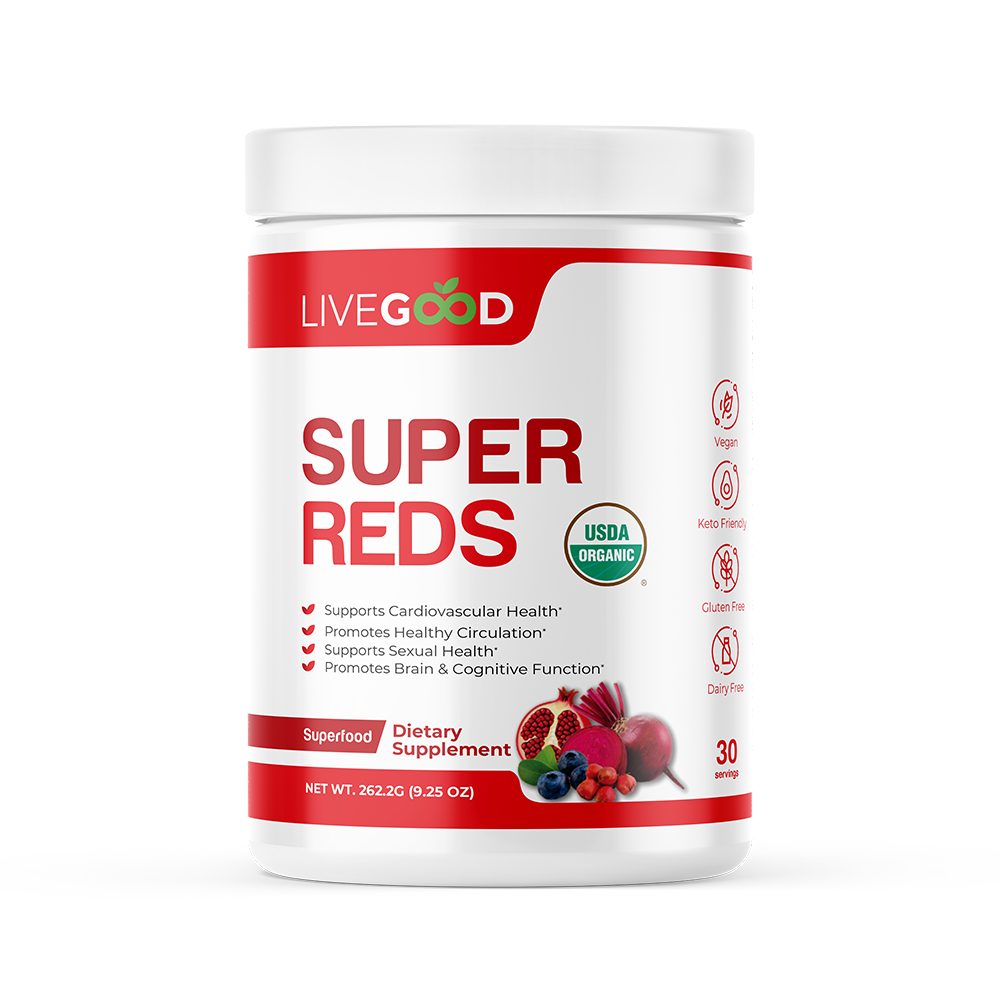
LiveGood Organic Super Reds contains tart cherry alongside beetroot, pomegranate, acai, grape seed, and elderberry, so it is a red fruit and vegetable blend rather than a concentrated tart cherry supplement. It supports the body's production of nitric oxide and healthy blood circulation. The great-tasting powder mixes with water or a smoothie and is popular before workouts or as an afternoon pick-me-up. It is $19.95 for members versus $34.95 retail, helping make daily wellness more accessible.
Who Should Be Careful
Tart cherry foods are generally well tolerated, but concentrated powders can cause digestive discomfort. Possible effects include bloating, stomach cramps, loose stools, or diarrhea. Starting only with the labeled serving, rather than adding extra scoops, can reduce the chance of discomfort.
Avoid tart cherry products if you have a known allergy to cherries. Stop using the product and seek urgent help if you develop facial swelling, wheezing, trouble breathing, or another sign of a severe allergic reaction.
Talk to your doctor before using a concentrated tart cherry supplement if you take prescription medications. Formal interaction research is limited, and a powder can contain a much larger amount than a normal food serving. Your doctor or pharmacist can review the full ingredient list, which is especially helpful for blended products.
You should also talk to your doctor before supplementation if you are pregnant or breastfeeding, have kidney or liver concerns, or live with an existing medical condition. Food portions and concentrated supplemental amounts are not the same. People managing blood sugar or following a potassium-restricted diet should check the nutrition panel because sugar and mineral content vary by product.
If you are scheduled for surgery, ask your medical team whether and when to stop dietary supplements. Bring the bottle or a clear photo of the label so they can see every ingredient.
Finally, use realistic expectations. Most studies lasted days or weeks, and long-term safety information for highly concentrated tart cherry extracts is limited. If you experience ongoing pain, swollen joints, repeated nighttime waking, or unusual fatigue, seek medical guidance rather than trying to solve the issue by taking more powder.
Frequently Asked Questions
What are the benefits of tart cherry powder?
Tart cherry powder may support exercise recovery, sleep quality, and antioxidant intake. Small studies have found less soreness, better strength recovery, or modest improvements in sleep, but many used juice or concentrate rather than powder. Research on uric acid is interesting but inconsistent. Tart cherry has not been proven to treat gout, arthritis, or insomnia.
How do you use tart cherry powder?
Mix tart cherry powder into water, smoothies, yogurt, oatmeal, or a post-workout drink according to the label directions. An evening serving may suit a sleep routine, while athletes may prefer it around demanding training. Check whether the product is whole-fruit powder, juice powder, or concentrated extract because their serving sizes are not interchangeable.
Does tart cherry help you sleep?
Tart cherry may modestly support sleep, but the evidence is based on a few small, short studies. Trials have reported improvements ranging from about 17 fewer waking minutes to longer total sleep, although results were not consistent across every measure. Its natural melatonin content is small, and tart cherry should not be considered a treatment for insomnia.
How much tart cherry powder per day?
There is no universal daily amount of tart cherry powder, so follow the serving directions on your specific label. Research has tested very different products, including juice, concentrate, and a 480 mg powdered supplement. Those amounts cannot be converted reliably without knowing the product's concentration and anthocyanin content. Ask your doctor before changing the serving for a health condition.
Are there side effects of tart cherry?
Tart cherry can cause bloating, stomach discomfort, loose stools, or diarrhea in some people. Avoid it if you have a cherry allergy. Talk to your doctor before using concentrated supplements if you take prescription medication, are pregnant or breastfeeding, have kidney or liver concerns, or manage an existing medical condition.