
Tea Tree Oil for Skin: Uses, Dilution and Cautions
 Written by Ben Glinsky
Ask AI about this article and Essential Oils (Therapeutic Grade)





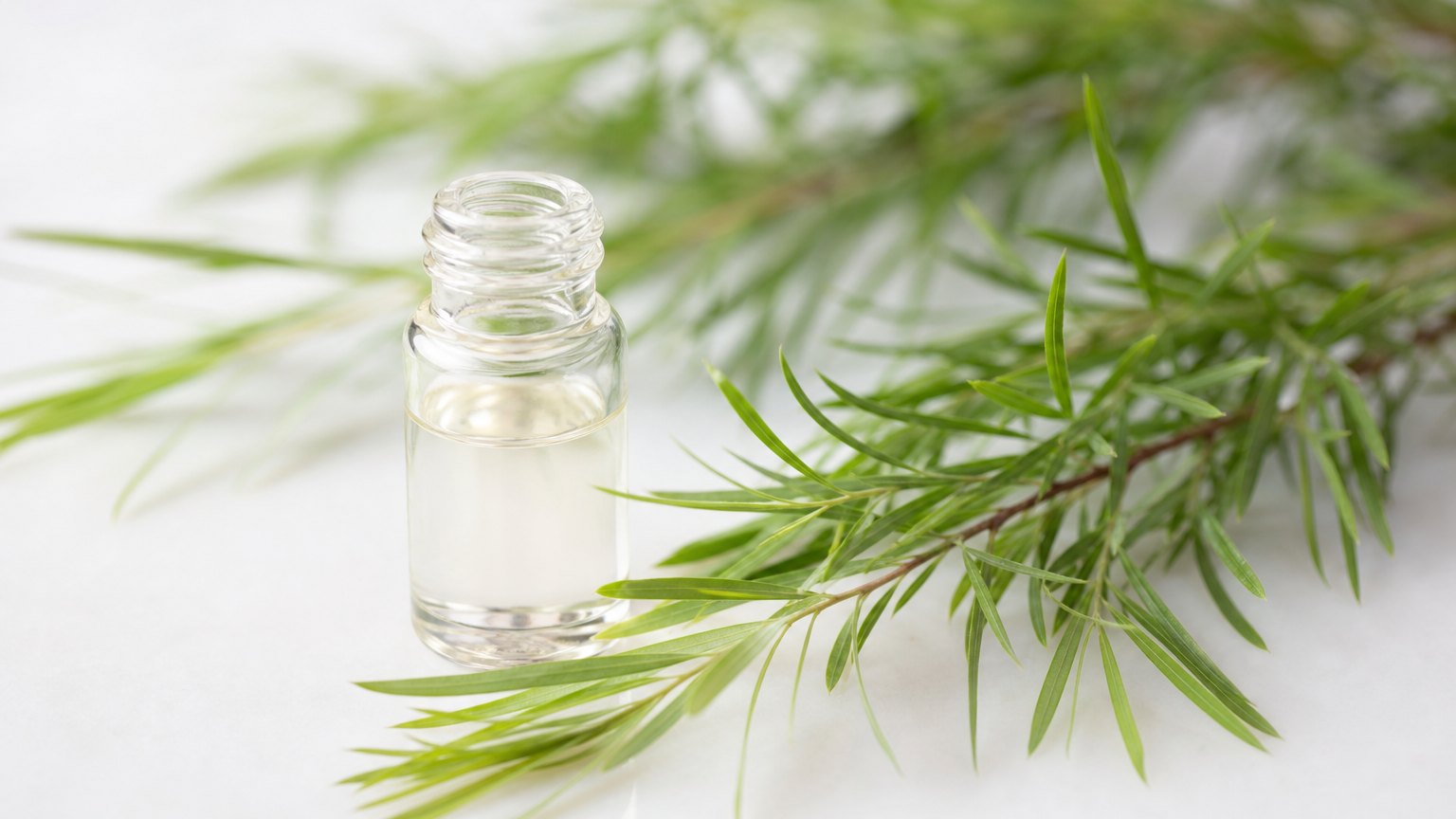
Tea tree oil can be used on skin, but never straight from the bottle. Start with a 1 to 2 percent dilution in a carrier oil, patch test first, and stop if you notice burning, itching, or redness. Here is how to use tea tree oil for skin while avoiding the most common mistakes.
Key Takeaways
- Dilute before every use: A 1 to 2 percent concentration is a practical range for most adult skin applications.
- Patch test first: A small test area can reveal irritation before you apply the blend more widely.
- Keep expectations realistic: Research is promising in some areas, but tea tree oil is not a replacement for medical skin care.
- Replace old oil: Oxidized tea tree oil is much more likely to cause skin sensitization than fresh oil.
- Use it externally only: Tea tree oil is toxic if swallowed and can also be dangerous to cats and dogs.
What Tea Tree Oil Is
Tea tree oil is an essential oil steam-distilled from the leaves of Melaleuca alternifolia, a small tree native to Australia. That botanical name is why you may also see it labeled as melaleuca oil. It is not related to the tea plant used to make black or green tea.
The oil contains many naturally occurring aromatic compounds. Terpinen-4-ol is considered one of its main bioactive constituents, meaning it is one of the components researchers study most closely. Laboratory research has found that tea tree oil and terpinen-4-ol interact with certain microbes and biological pathways. Lab findings do not automatically mean that applying the oil will resolve a skin condition in people.
Tea tree is one of the better-studied essential oils, but human evidence remains limited for many popular uses. Product concentration, freshness, skin type, and study design all affect the results. A prepared skin care product containing tea tree oil is also different from a homemade mixture.
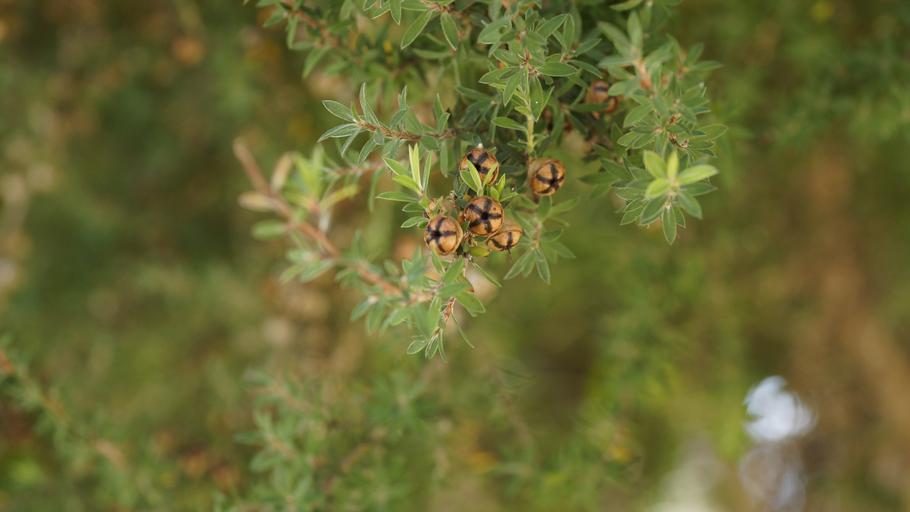
Tea tree oil comes from the leaves of Melaleuca alternifolia and is highly concentrated after distillation.
Pure essential oil is highly concentrated. The word "pure" does not mean it is gentle enough to use undiluted. Likewise, "therapeutic grade" is a quality description rather than a standardized medical or government certification. When comparing bottles, look for Melaleuca alternifolia on the label, clear storage directions, a lot number, and packaging made from dark glass that limits light exposure.
Why Dilution Is Not Optional
Putting undiluted tea tree oil directly on your face or body can cause stinging, dryness, redness, or an itchy rash. Repeated exposure can also lead to sensitization. Sensitization means your immune system has learned to react to an ingredient, so later contact may trigger allergic contact dermatitis even if earlier uses seemed fine.
For general adult skin use, a 1 to 2 percent dilution is a practical starting range. At an approximate rate of 20 drops per milliliter, you can mix:
- About 1 drop of tea tree oil into 1 teaspoon, or 5 milliliters, of carrier oil for a 1 percent blend.
- About 2 drops into 1 teaspoon of carrier oil for a 2 percent blend.
Drop size varies by bottle, so these are estimates rather than laboratory measurements. Start at 1 percent, especially for facial use or if your skin tends to react easily. More oil is not automatically more useful.
A small amount of tea tree oil should be thoroughly mixed into a suitable carrier oil before skin application.
A carrier oil is a mild plant oil used to spread an essential oil at a safer concentration. Jojoba, sunflower, grapeseed, and sweet almond oils are common choices. Choose one that already agrees with your skin. Coconut oil can feel heavy and may clog pores for some people.
Water does not dilute essential oils because oil and water separate. Adding tea tree oil to water, witch hazel, or aloe without a proper dispersing ingredient can leave concentrated droplets against your skin. Do not add undiluted drops directly to bathwater for the same reason. Keep every blend away from your eyes, lips, nostrils, genitals, and other sensitive tissue.
How to Patch Test
Patch testing should come before using tea tree oil on your face or a large area. It cannot guarantee that you will never react, but it can help identify immediate irritation and some delayed reactions.
First, prepare the exact diluted blend you plan to use. If the carrier oil is new to you, test it by itself on a separate spot. This helps you tell whether tea tree oil or the carrier is responsible for a reaction.
Apply a small amount of the finished blend to a limited area of intact skin, such as the inner forearm. Do not test on broken, freshly shaved, sunburned, or already irritated skin. Leave the area alone and check it over the next 24 to 48 hours. Avoid covering it with an airtight bandage, since that can intensify exposure and make irritation more likely.
Wash the area with mild soap and water if you develop burning, swelling, persistent redness, hives, or significant itching. Do not continue using the blend to see whether your skin "adjusts." A reaction can become worse with repeated exposure.
A normal patch test does not rule out a future allergy. Sensitization can develop over time, particularly with frequent use or oxidized oil. Use the smallest practical amount, avoid applying it more often than needed, and reassess if your skin becomes dry or uncomfortable. If you have eczema, highly reactive skin, or a history of fragrance allergies, ask a dermatologist before trying it.
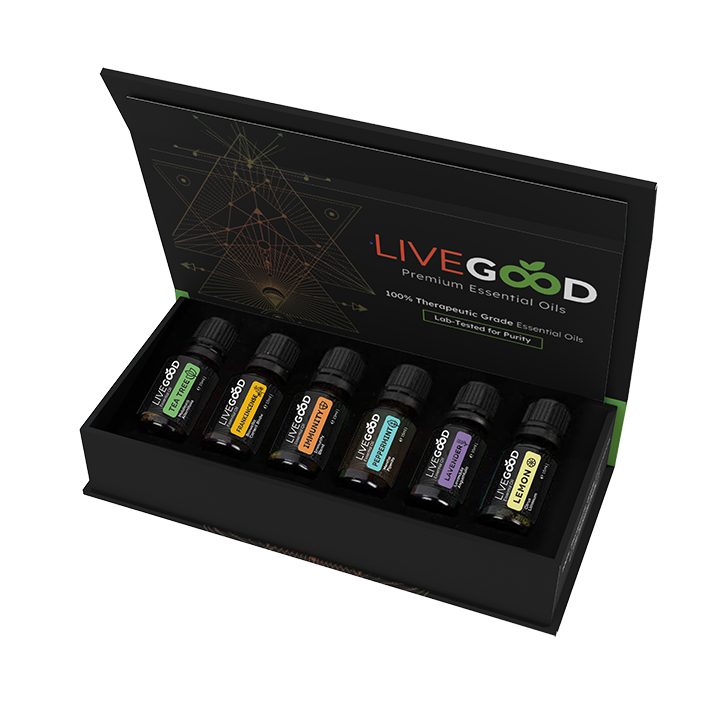
LiveGood Essential Oils (Therapeutic Grade) is a set of pure, concentrated, undiluted oils: Lemon, Lavender, Tea Tree, Peppermint, Frankincense, and an Immunity Blend with clove, cinnamon bark, wild orange, eucalyptus, and rosemary. The full set is $29.95 for members versus $69.95 retail; individual oils run $7.95-$15.95 for members. Dilute Tea Tree before skin use. The pricing reflects the mission: "Provide the highest quality supplements in the world, at the lowest prices possible."
Uses People Ask About Most
People commonly ask about tea tree oil for oily skin, blemishes, dry patches, rashes, pigmentation, and suspected fungal problems. These uses do not all have the same level of evidence, and tea tree oil should not be presented as a treatment for any condition.
For blemish-prone or oily skin, small studies have examined formulated products containing tea tree oil, including 5 percent gels. Some reported improvement in acne-related measures, but the research is limited and does not prove that a homemade mixture will work the same way. A 5 percent research product is not a reason to make a stronger DIY facial oil. Formulation affects how an ingredient reaches the skin and how irritating it may be.
Tea tree oil is not a moisturizer. It may actually leave skin feeling dry, tight, or flaky. If you have dry skin, a fragrance-free moisturizer is usually a more direct option. Adding tea tree oil to a carrier does not make the essential oil itself hydrating.

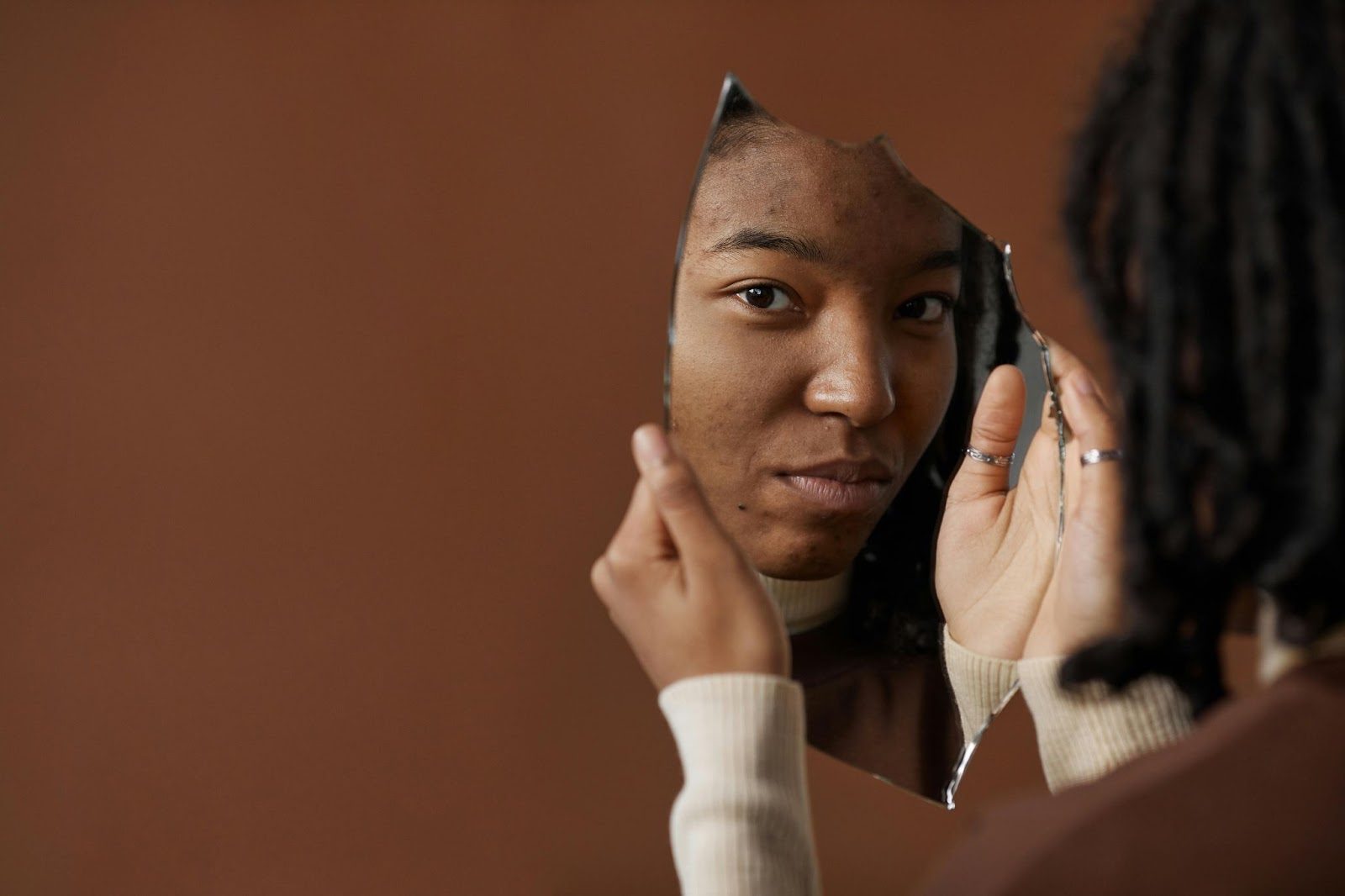
Tea tree oil is not a moisturizer or a proven skin-lightening ingredient, and irritation may make uneven tone more noticeable.
There is no good evidence that tea tree oil lightens skin, removes pigmentation, or creates overnight "whitening." Irritation may worsen the appearance of uneven tone, especially if your skin develops post-inflammatory dark marks after a rash.
Do not self-manage a spreading rash, painful lesion, infected wound, or suspected fungal infection with essential oil. Those problems can look similar while requiring different care. A clinician can identify the cause and recommend an appropriate option. The Mayo Clinic overview also notes that research varies by condition and that tea tree oil can cause irritation, burning, dryness, and allergic rash.
Oxidation: Why Old Bottles Irritate
Tea tree oil begins changing after the bottle is opened. Oxygen, heat, and light react with its aromatic compounds and create oxidation products. Oxidized tea tree oil is a far more common sensitizer than fresh tea tree oil, which is why storage is part of skin safety rather than a minor product-care detail.
Keep the bottle tightly closed and store it upright in a cool, dark cabinet. Do not leave it on a sunny windowsill, in a hot car, or beside a shower where temperature and humidity change repeatedly. A dark glass bottle helps reduce light exposure, but it cannot compensate for a loose cap or years of storage.
Dark glass, a tight cap, and cool storage help slow the oxidation that makes tea tree oil more irritating.
Write the opening date on the bottle. Follow the manufacturer's stated shelf life, and consider choosing smaller bottles if you use essential oils infrequently. Every time a mostly empty bottle is opened, fresh air enters the larger space above the remaining oil. That can accelerate oxidation.
Changes in smell, color, or texture can signal deterioration. Tea tree oil that smells unusually sharp, stale, or different from when it was opened should not go on your skin. Cloudiness or thickening is another reason to discard it. Do not try to make old oil safer by adding more carrier oil. Dilution reduces concentration, but it does not reverse oxidation or remove newly formed allergens.
If a familiar blend suddenly causes itching or redness, stop using it. Check the age and storage history of both the essential oil and carrier oil, since carrier oils can also become rancid.
When to Avoid It
Never swallow tea tree oil. It is toxic when taken by mouth, even though it comes from a plant. Ingestion can cause serious problems, including confusion, loss of muscle control, excessive sleepiness, breathing difficulties, and coma. Keep the bottle away from food, drinks, supplements, and oral-care products unless a finished product is specifically manufactured and labeled for that use. If someone swallows tea tree oil, contact poison control or emergency services promptly.
Tea tree oil can also be dangerous to cats and dogs. Pets may be exposed by licking a spill, grooming oil from fur, contacting treated skin, or breathing concentrated vapor in a poorly ventilated space. Store bottles and diluted blends where animals cannot reach them. Do not apply tea tree oil to a pet or use it around an animal with health concerns unless a veterinarian specifically directs you.
Avoid tea tree oil on broken skin, deep wounds, burns, or areas near the eyes. Do not use it if a previous tea tree product caused a rash. People with eczema, very sensitive skin, or fragrance allergies have a higher reason for caution. Seek medical care for facial swelling, widespread hives, blistering, breathing trouble, or a rapidly worsening reaction.
Children have smaller bodies and may be more vulnerable to concentrated essential oils. Ask a pediatrician before using tea tree oil on a child, and keep all bottles secured with other potentially toxic household products.
If you are pregnant, breastfeeding, taking prescription medication, or living with an existing medical condition, talk to your doctor before adding tea tree oil to your routine. Skin symptoms that persist, spread, hurt, drain fluid, or come with fever also need professional evaluation rather than repeated essential oil use.
Frequently Asked Questions
Is tea tree oil good for skin?
Tea tree oil may be a useful part of some skin care routines when it is fresh, diluted, and well tolerated. Research has explored formulated tea tree products for blemish-prone skin, but evidence is limited and does not support using the oil as a treatment. It can also cause dryness, irritation, or allergic dermatitis, so patch test before broader use.
How do you dilute tea tree oil for skin?
Dilute tea tree oil to about 1 to 2 percent in a carrier oil before applying it to adult skin. That is approximately 1 to 2 drops per teaspoon, or 5 milliliters, of jojoba, sunflower, grapeseed, or another suitable carrier. Because droppers vary, this is an estimate. Begin with the lower concentration and patch test for 24 to 48 hours.
Does tea tree oil dry out skin?
Yes, tea tree oil can leave skin dry, tight, or flaky, particularly when the concentration is too strong or it is used frequently. Dilution lowers the risk but does not eliminate it. Stop if dryness or irritation develops. A bland, fragrance-free moisturizer is a more reliable choice when your main goal is supporting the skin's moisture barrier.
Is tea tree oil good for dry skin?
Tea tree oil is generally not the first choice for dry skin because it is not a moisturizer and may increase irritation. If you still want to try it, use a low dilution in a carrier your skin already tolerates and patch test first. People with cracked skin, eczema, or ongoing sensitivity should speak with a dermatologist before use.
Is melaleuca oil the same as tea tree oil?
Yes, melaleuca oil usually refers to tea tree essential oil from Melaleuca alternifolia. Check the botanical name because products may use broad common names or contain blends from different plants. The label should identify the plant species and list any added ingredients. Whether it says melaleuca or tea tree, the concentrated oil still needs dilution and must never be swallowed.