
What People Use CBD Oil For, and What Research Shows
 Written by Ben Glinsky
Ask AI about this article and CBD Oil (Full-Spectrum)





People commonly use CBD oil for relaxation, sleep, discomfort, and general wellness. However, research for these uses is early or mixed, and the only FDA-approved CBD medicine is a prescription drug for specific seizure disorders. Here is how to separate popular uses from proven evidence, while choosing products more carefully.
Key Takeaways
- Popular does not mean proven: People use CBD for stress, sleep, discomfort, and recovery, but research has not confirmed most consumer claims.
- One CBD drug is approved: Epidiolex is the only FDA-approved CBD medicine, and it is prescribed for seizures associated with specific disorders.
- CBD oil is not intoxicating: CBD does not produce THC's typical high, although full-spectrum products can contain trace THC.
- Product accuracy can vary: Independent testing has repeatedly found CBD and THC amounts that do not match product labels.
- Medication interactions matter: CBD can affect how the body processes many medicines, so ask your doctor before using it with prescriptions.
What CBD Actually Is
CBD is short for cannabidiol. It is one of more than 100 naturally occurring compounds called cannabinoids found in cannabis plants. Hemp and marijuana are both forms of cannabis, but federal law defines hemp by its low concentration of delta-9 THC, the compound most associated with intoxication.
Unlike THC, CBD generally does not produce a high. That does not mean it has no effect on the body. CBD interacts indirectly with several signaling systems, including the endocannabinoid system. This is a network of chemical messengers and receptors involved in functions such as sleep, mood, appetite, immune activity, and how the body responds to physical sensations.
Researchers are still working out exactly how CBD influences these pathways. Its actions are more complicated than simply attaching to one receptor, and results seen in cells or animals do not automatically translate to everyday use in people.
CBD oil usually combines a CBD-rich hemp extract with a carrier oil, such as MCT oil. Products generally fall into three categories. CBD isolate contains only CBD. Broad-spectrum extract contains CBD and other hemp compounds but is processed to remove THC. Full-spectrum extract contains multiple hemp compounds and may include legally permitted trace amounts of THC.
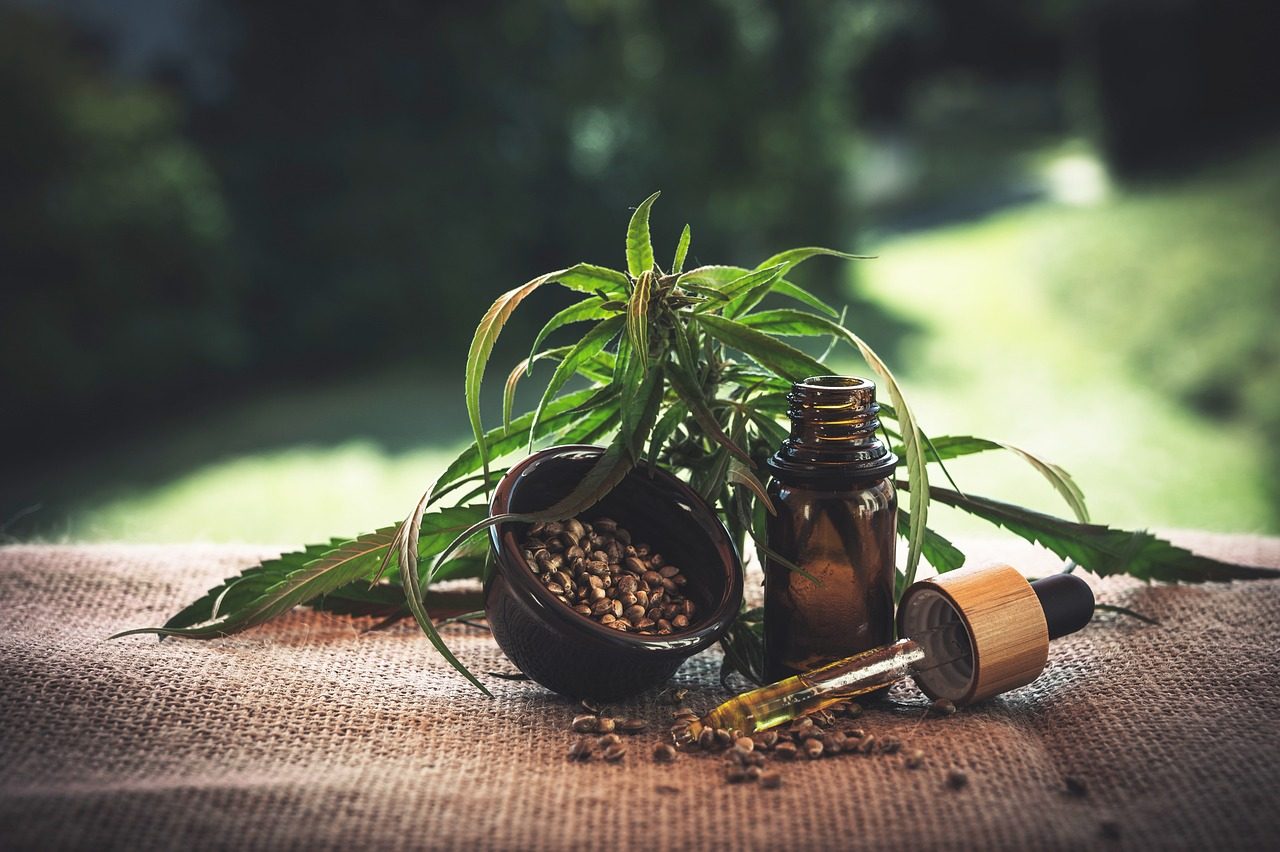
CBD oil combines hemp-derived cannabidiol with a carrier oil, while full-spectrum, broad-spectrum, and isolate formulas differ in cannabinoid content.
These categories matter because they affect flavor, chemical composition, and drug-test risk. They do not tell you whether a product is accurately labeled or suitable for you. For that, you need batch testing, clear serving information, and a conversation with your doctor when health conditions or medications are involved.
The One Approved Medical Use
The FDA has approved one prescription medicine made with purified CBD. Epidiolex is approved for seizures associated with Lennox-Gastaut syndrome, Dravet syndrome, and tuberous sclerosis complex in eligible patients. These are specific neurological disorders, and treatment takes place under medical supervision.
This approval is meaningful, but it does not prove that store-bought CBD oils have the same effects. Epidiolex is a standardized prescription drug with a consistent concentration, established dosing, controlled manufacturing, and detailed safety information. A consumer hemp oil may contain a much smaller or less accurate amount of CBD, along with other cannabinoids or ingredients.
The distinction also matters when people say CBD is proven for epilepsy. The accurate statement is narrower: Epidiolex has demonstrated benefits for seizures associated with certain disorders and has FDA approval for those uses. CBD supplements have not been approved as substitutes for seizure medication. Someone with a seizure disorder should never stop or adjust a prescription based on a CBD product label or online advice.
Epidiolex can also cause side effects and medication interactions. Its prescribing information includes concerns such as sleepiness, digestive symptoms, changes in appetite, and elevated liver enzymes. Doctors may order blood tests and adjust other medicines when needed.
That is the clearest example of the gap between a researched pharmaceutical and the broader CBD marketplace. The ingredient may share a name, but the dose, purity, oversight, and intended use can be very different.
What People Commonly Use It For
People buy CBD oil for many reasons. Common goals include feeling calmer during everyday stress, supporting sleep routines, responding to exercise-related soreness, and promoting a general sense of balance. Topical CBD products are also applied to specific areas of the skin or body. These are popular uses, not a list of established medical benefits.
Research into stress and mood includes small human trials, surveys, and short-term experiments. Some results are encouraging, but doses and product types vary widely. A review of CBD and mood research found areas worth studying while also highlighting major gaps. CBD has not been established as a first-line option for anxiety, depression, post-traumatic stress disorder, or another mental health condition.
Sleep research is similarly unsettled. Some studies report changes in certain sleep measures, while others find little difference or cannot separate CBD's effect from other ingredients. A review of cannabinoid research and sleep concluded that evidence was not sufficient to recommend cannabinoids for sleep disorders. Feeling drowsy after taking CBD is also not the same as improving sleep quality.

People use CBD oil for several wellness goals, but popular use should not be confused with proven medical benefit.
For pain and physical recovery, much of the enthusiasm comes from laboratory research, animal studies, cannabis studies that include THC, and limited human trials. Those findings cannot establish that an over-the-counter CBD oil will address arthritis, chronic pain, inflammation, or an injury. Topical and oral products also work differently and should not be treated as interchangeable.
The practical takeaway is simple. You can recognize why people try CBD without turning those experiences into medical facts. Personal reports may help researchers form questions, but they cannot show whether CBD caused a result. Product strength, THC content, expectations, other ingredients, and natural changes in symptoms can all shape what someone notices.
Why Product Quality Varies So Much
CBD products do not all contain what their front labels suggest. Independent analyses have repeatedly found products with substantially more or less CBD than stated. Some have also contained unexpected THC, contaminants, or cannabinoids that were not clearly disclosed. This makes product quality one of the most practical issues for anyone considering CBD.
Part of the problem is that hemp is a natural crop. Its cannabinoid content can vary with genetics, soil, weather, harvest timing, and extraction methods. Manufacturing adds more opportunities for inconsistency. A company must accurately blend the extract, test the finished batch, and prevent contamination from pesticides, microbes, solvents, and heavy metals.
Look for a certificate of analysis, usually called a COA. This is a laboratory report for a specific product batch. The batch number on the report should match the number on your bottle. Check whether the measured CBD amount is reasonably close to the label and whether THC falls within the stated limit. A useful report should also include contaminant testing, not just cannabinoid potency.
A batch-specific certificate of analysis can help you compare the label with laboratory findings for CBD, THC, and contaminants.
The laboratory should be independent of the brand and clearly identified. Check the test date, since an old report may describe a different batch. Be cautious if the company offers only a generic sample report, hides the laboratory name, or makes sweeping medical promises. A QR code is convenient, but it is only valuable if it opens a complete and current report.
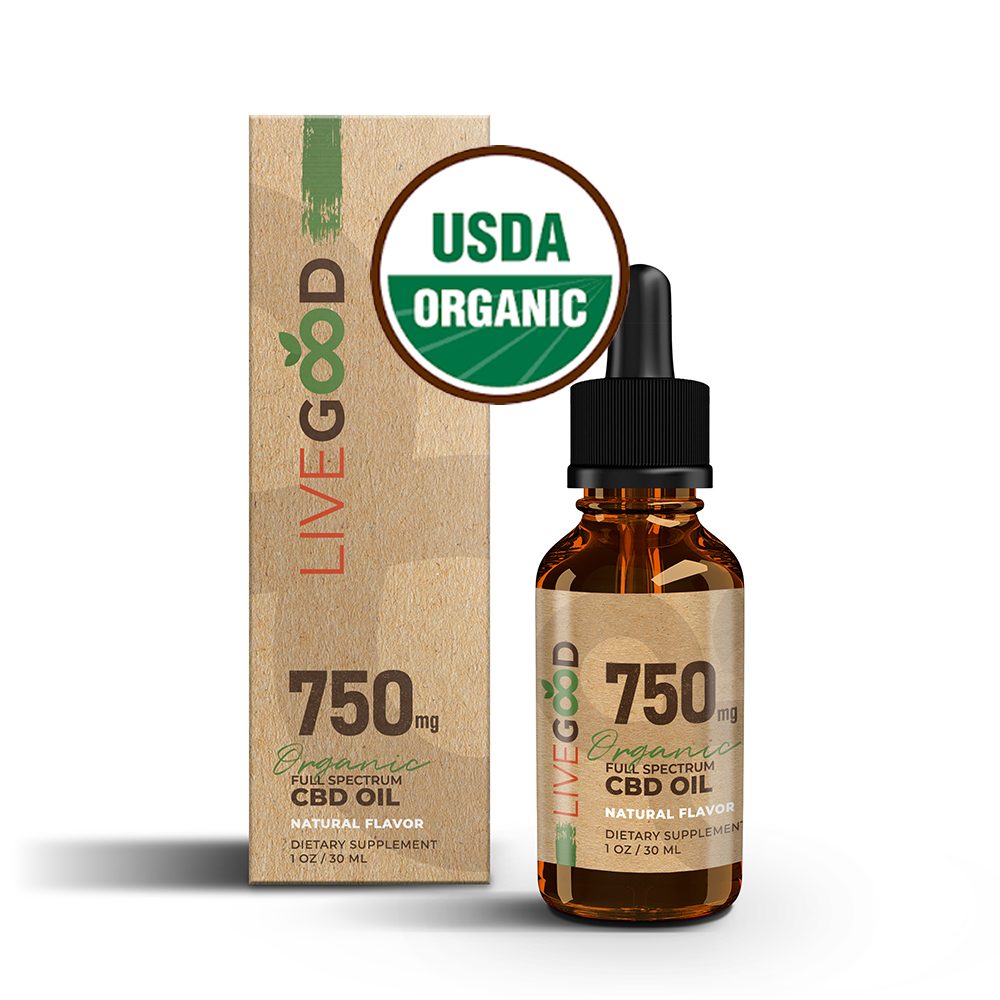
Also compare milligrams carefully. A label might list CBD per bottle rather than per serving. For example, 750 mg on the front does not mean every dropper contains 750 mg. Divide the bottle total by the stated number of servings to understand the amount in each labeled serving. Honest, evidence-grounded education means checking these details and being clear about what research does not yet show.
Interactions and Who Should Be Careful
CBD can change how your body processes medications. Much of this happens through a group of liver enzymes known as cytochrome P450, or CYP450. These enzymes help break down many prescription and over-the-counter drugs. If CBD slows that process, a medicine may remain in your body longer or reach a different concentration than intended.
The grapefruit warning is a useful comparison. Grapefruit affects some of the same drug-processing pathways, although CBD and grapefruit are not identical. If your medication label says to avoid grapefruit, that is a strong reason to ask your doctor or pharmacist about CBD before using it. Even without that warning, anyone taking prescription medication should check first.
Potentially relevant medicines include some blood thinners, seizure medicines, sedatives, heart medications, immune-suppressing drugs, and psychiatric medicines. This is not a complete list. The interaction depends on the specific drug, CBD amount, frequency of use, liver function, and other factors.
CBD can cause unwanted effects such as sleepiness, diarrhea, reduced appetite, or changes in liver enzymes. Combining it with alcohol, sleep aids, or other substances that cause drowsiness may increase impairment. Do not drive or operate machinery until you know how a product affects you. A first-time user may notice nothing, feel tired, or experience digestive discomfort. There is no single predictable response.
Talk to your doctor before using CBD if you are pregnant or breastfeeding, have a liver or kidney condition, have an existing medical condition, or take prescription medicine. Children should receive CBD only under appropriate medical guidance. Follow the product's label directions rather than copying doses from studies, since research often uses concentrated preparations that differ greatly from retail oils.
If you decide CBD fits your routine after checking with your doctor and reviewing the label, LiveGood CBD Oil is a full-spectrum option derived from the top 1% of hemp farms in the country. It uses MCT oil as the carrier for faster absorption and maximum benefit. The 750 mg strength is $14.95 member or $29.95 retail. The 1500 mg strength is $19.95 member or $39.95 retail, in Natural or Peppermint, plus limited-time Cinnamon. Wellness should not be a luxury.
Frequently Asked Questions
What is CBD oil used for?
People commonly use CBD oil for relaxation, sleep routines, physical comfort, workout recovery, and general wellness. These uses are based largely on personal experience and developing research, not established medical benefits. The only FDA-approved CBD medicine is Epidiolex, a prescription drug used for seizures associated with specific disorders. Consumer CBD oil should not replace medical care or prescribed treatment.
Does CBD actually work?
CBD has a confirmed medical role in the prescription drug Epidiolex, but evidence for ordinary retail CBD oils is limited or mixed. Early studies have examined stress, sleep, discomfort, and other areas, yet many are small or use products and amounts unlike those sold to consumers. Whether someone notices an effect can also depend on product accuracy, THC content, other ingredients, and individual response.
Is CBD oil legal?
Hemp-derived CBD oil may be federally lawful when it meets applicable hemp requirements, but that does not make every CBD product legal everywhere. State rules vary, and laws may differ for possession, sale, food products, and allowable THC levels. Full-spectrum oil contains trace THC, which can create additional restrictions. Check current rules where you live and anywhere you plan to travel.
Does CBD show up on a drug test?
Pure CBD is not usually the target of standard workplace drug tests, but a CBD product can still lead to a positive result if it contains THC. Full-spectrum oils include trace THC, and repeated use may increase exposure. Mislabeled or contaminated products create another risk. If testing matters for your job or sport, no nonprescription CBD product can guarantee a negative result.
Can CBD interact with medications?
Yes, CBD can interact with medications by affecting liver enzymes that process many drugs. This may alter how much medicine remains in your bloodstream and can increase side-effect risks. The issue is sometimes compared with a grapefruit warning, though the interactions are not identical. Ask your doctor or pharmacist before using CBD if you take any prescription medication, especially one with a grapefruit warning.